



The Mitsubishi Outlander is a reminder that despite the current flood of "new energy vehicles" from China, plug-in hybrid (PHEV) technology is nothing new. Outlander is the OG PHEV, launched in first-gen form way back in 2013 (2014 for New Zealand); it was the car that introduced Kiwis to plug-in powertrains and for a long time, it was a PHEV-SUV in a class of one. No more, of course; not by a long shot.
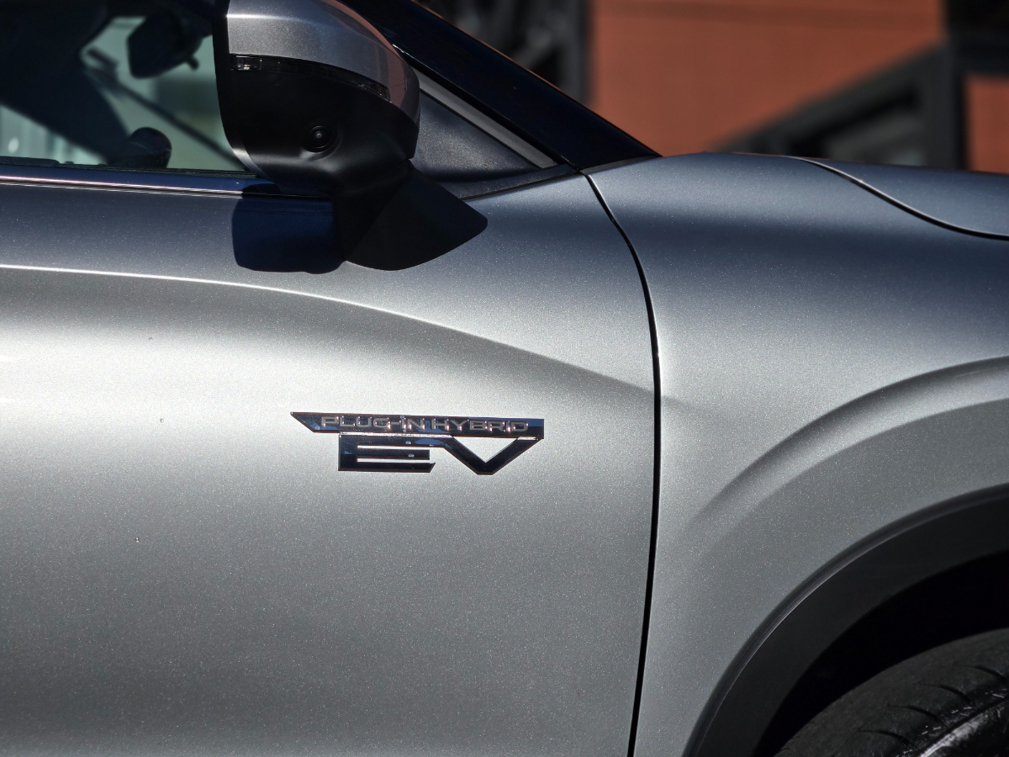
But Outlander has been NZ's top-selling PHEV basically for as long as it's been around. For the first quarter of 2026, this model alone accounted for around one-third of total new-PHEV registrations.
Plug-in technology was introduced in the 3rd-gen Outlander, with a massive facelift in 2015 that brought the "Dynamic Shield" grille. The current version is the 4th generation (launched in 2021), and the model you see here is the updated VRX version that appeared in mid-2025.
On the outside: what are the Mitsubishi Outlander PHEV VRX's main design features?
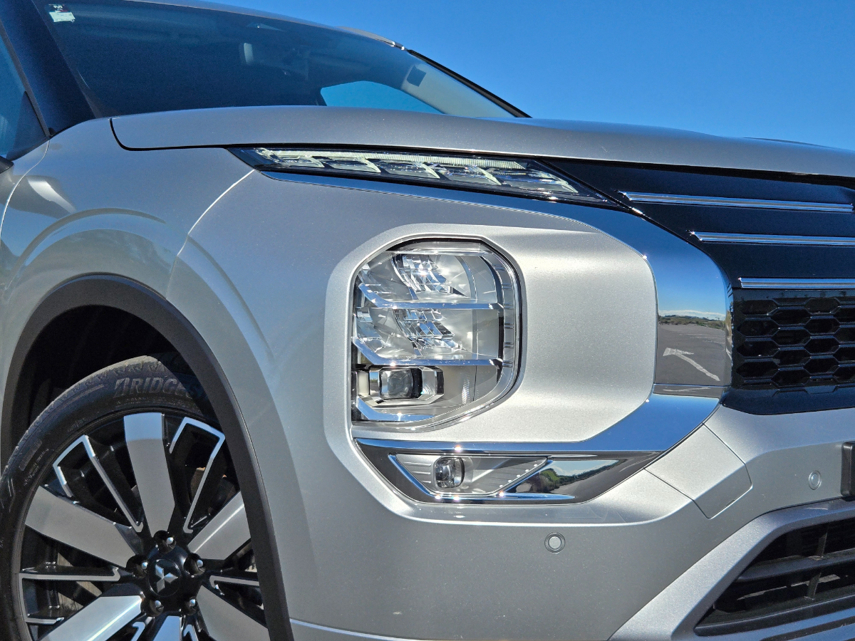
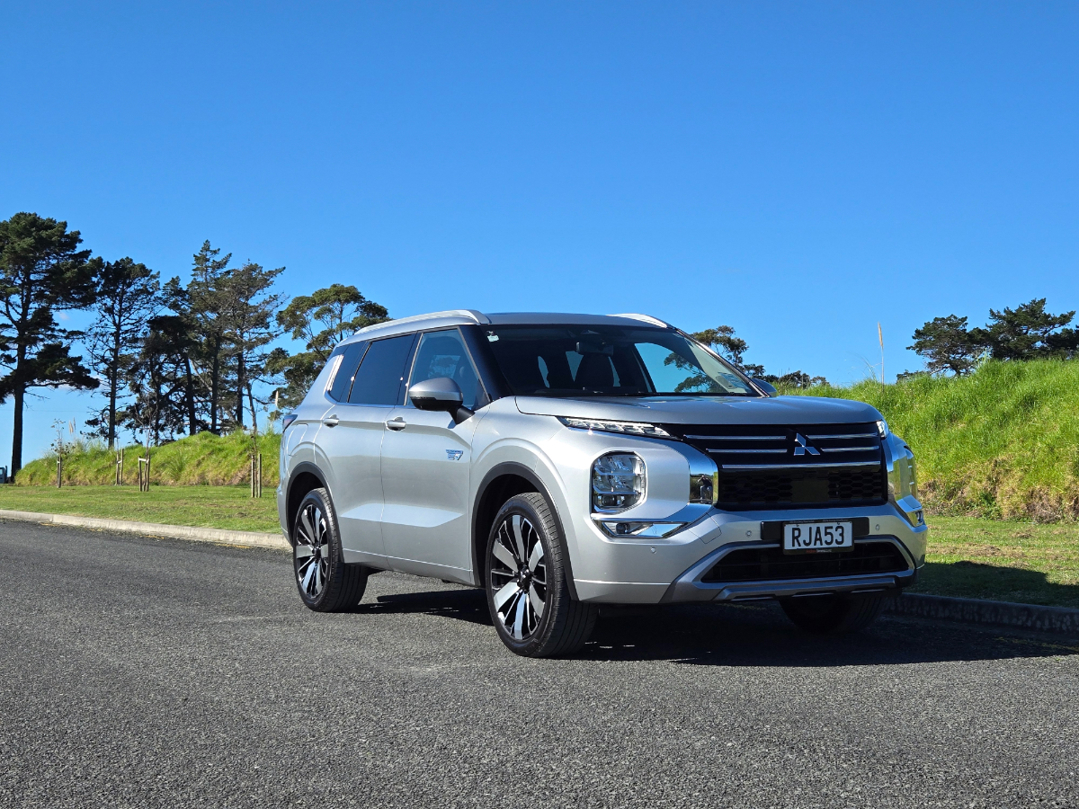
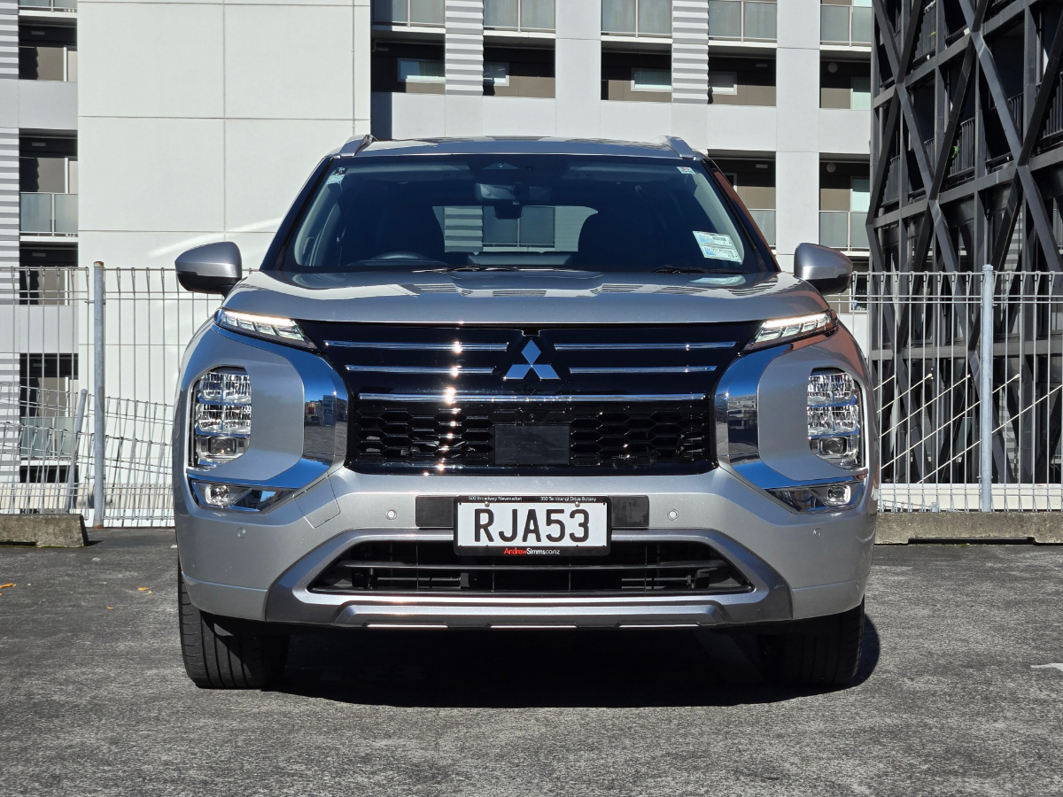
You'll need to be something of an Outlander-spotter to know the facelift model. The grille has smoother detailing, and Mitsubishi says the bonnet-opening gap around the running lights has been reduced.
For the first quarter of 2026, Outlander alone accounted for around one-third of total new-PHEV registrations.
The faux-skid plates at the front and rear have been reshaped, the tail-lamp lenses have more defined colour and the indicator lights have graduated to LED.
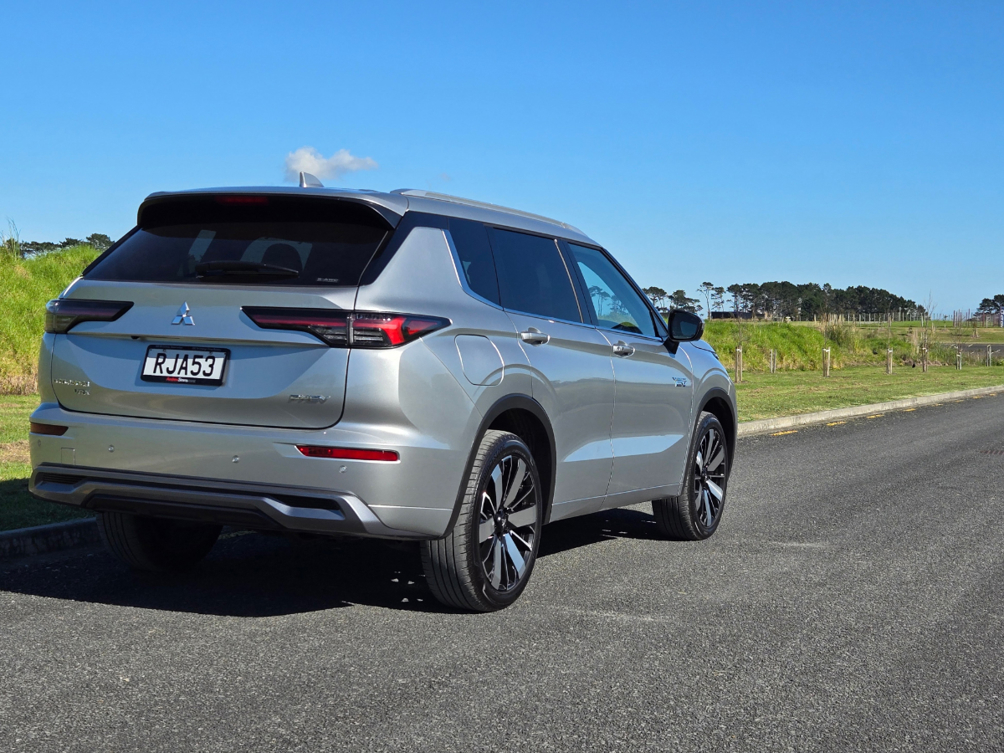
The most obvious exterior change for XLS, VRX and top Exceed models is a set of bold 20-inch machine-finished alloys that would do any Hot Wheels car proud.
OVERVIEW
| Price | $77,990 |
| Body style | 5-door SUV |
| Wheels and tyres | 20in alloy wheels, 255/45 Bridgestone Alenza tyres |
| Length | 4720mm |
| Wheelbase | 2706mm |
| Weight | 1721kg |
| Website | mmnz.co.nz |
On the inside: what's the Mitsubishi Outlander PHEV VRX cabin like?
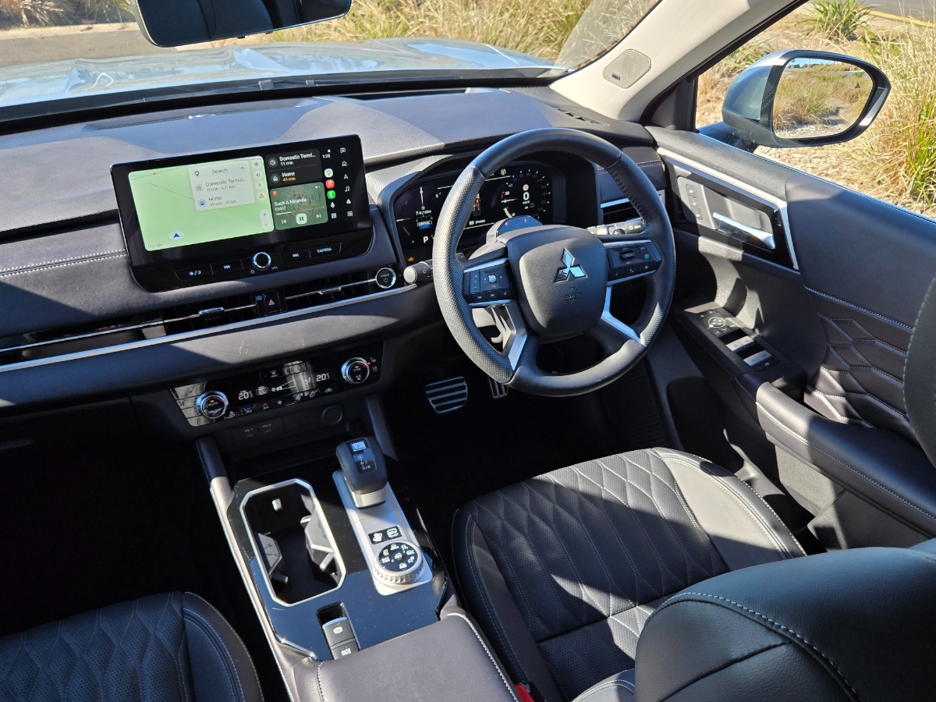
The cabin environment is conventional as ever, but there's a definite touch of luxury in the VRX too: nice fit-and-finish and the quilted leather upholstery adds some old-world automotive class. Matching quilted designs on the door cards are new for this model.
If you've got the vehicle fully loaded with people or cargo, there's now the option to use a digital rearvision mirror.
The front seats are superbly comfortable, which adds to the luxury undercurrent; both are heated and ventilated in 3 stages. There's now LED illumination through the cabin.
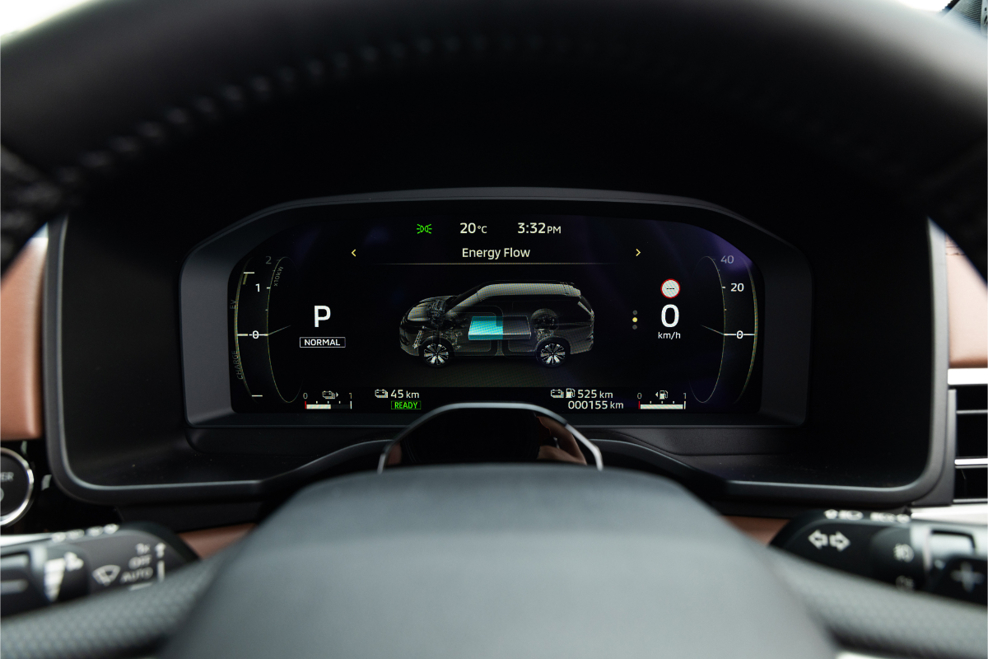
The centre console has been rearranged, and there are revised displays for the twin 12.3-inch instrument and infotainment screens. We say "revised", but a lot of the OS and graphics are obviously shared with the Nissan X-Trail (the two brands are part of an alliance, which also includes Renault).
That even includes the adaptive cruise control, which must be enabled with a standalone button similar to that required for Nissan's ProPilot assistance features (Mitsubishi calls its version Mi-Pilot).
Problem? Hardly. The two are on a shared platform (although they differ wildly in powertrain tech), so it makes sense to share as much as possible.
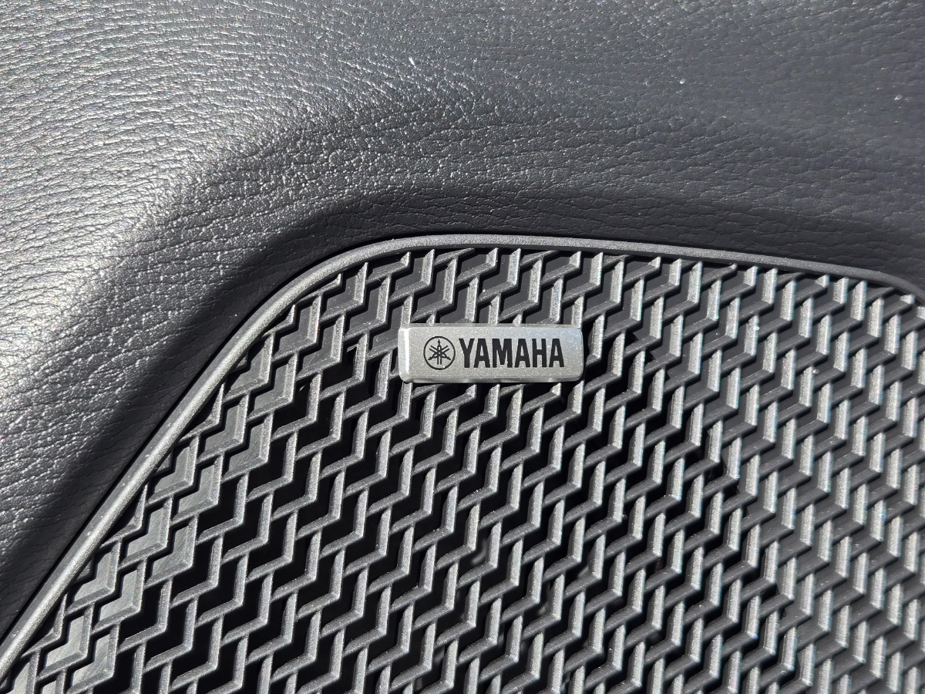
One Mitsubishi-specific addition is a Yamaha sound system (fitted across the range), which the company says was developed and tuned especially for the Outlander. It's pretty good: the fitout goes as far as damp sheets and stiffeners in the doors for cleaner sound.
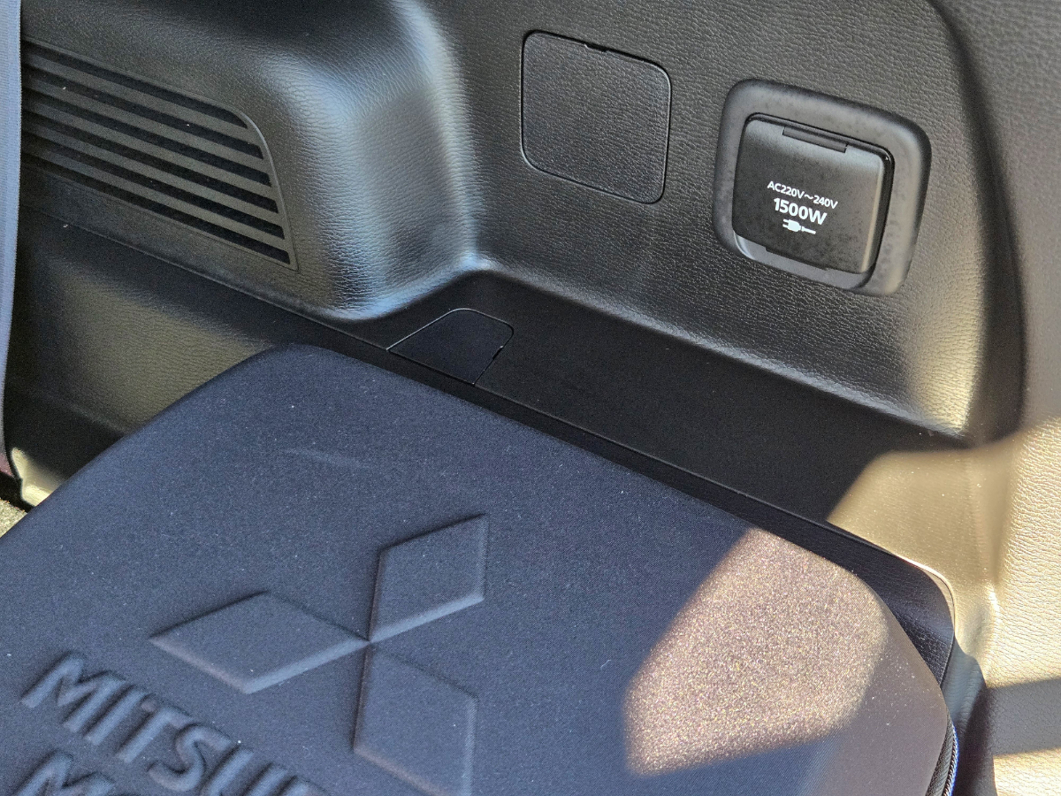
The VRX is a 7-seater, the third row unfolding in an interesting rotary motion from a well at the back of the cargo bay. It's a nice piece of packaging, although once in place the seats remain strictly occasional.
The PHEV offers vehicle-to-load power via a 1500W 3-pin outlet in the boot.
If you've got the vehicle fully loaded with people or cargo, there's now the option to use a digital rearvision mirror, which uses a rear-mounted camera to maintain a clear view behind.
INTERIOR
| Head-up display | 10.8 inch |
| Infotainment screen | 12.3 inch |
| Phone projection | Wireless Android Auto and Apple CarPlay |
| Wireless phone charger | Single |
| USB ports | 2x USB-C front, 1x USB-C console box, 2xUSB-C rear |
| Climate control | Dual-zone front, single-zone rear |
| Front seat heating/ventilation | Yes/yes |
| Front seat adjustment | 8-way power with memory for driver and front passenger |
| Boot capacity | 478 litres (3rd row folded) |
| Rear seat split/fold | 40/20/40 |
| Power tailgate | Yes, hands-free |
On the road: what's the Mitsubishi Outlander PHEV VRX like to drive?
The hybrid powertrain is at the heart of the Outlander PHEV driving experience. The 2.5-litre petrol engine is matched to an enlarged battery pack, up from 20kWh to 22.7kWh, with 86km range (WLTP, entirely achieveable in town driving).
Outlander is more about comfort than speed. Chassis changes are along those lines: the shock absorders have been retuned, spring rates revised and there are new Bridgestone tyres.
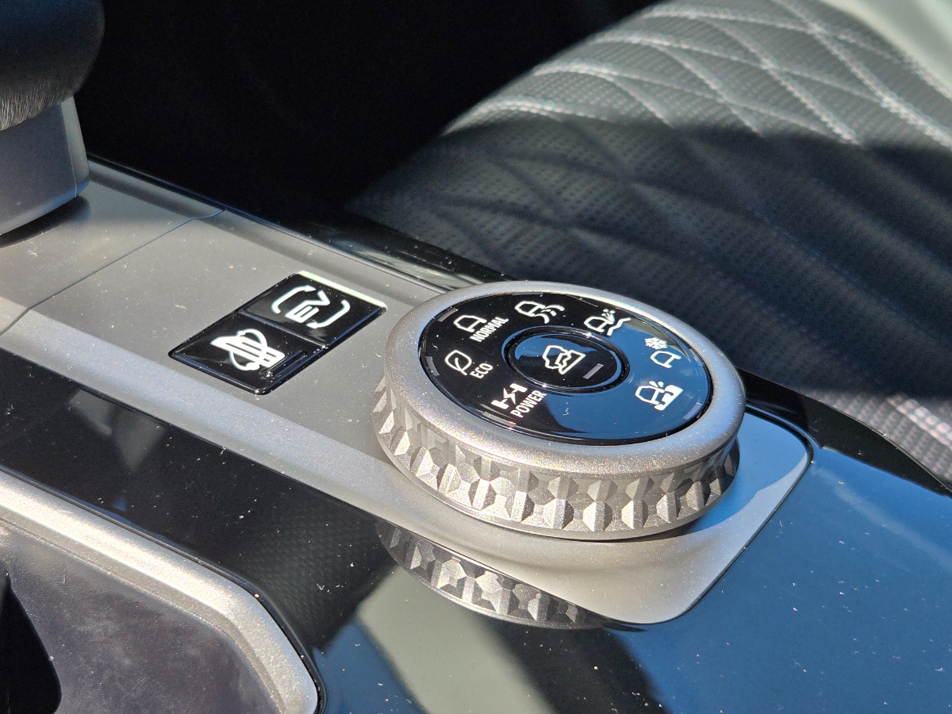
Mitsubishi has always been keen on letting the driver manage PHEV power, so with one click of the control button you can cycle through Normal (automatic), EV, Save and Charge (the petrol engine feeds the battery) modes. No need to bother with any of it unless you really want to, as the powertrain maximises electric drive even in Normal.
It's tempting to switch to Charge on the motorway and it will indeed add quite a bit to the battery (we got an extra 25km range during an hour's drive), but it has a significant effect on fuel consumption. Handy if you're in Europe and need charge to drive in zero-emissions city zones... but we'd argue it makes little sense for Kiwi driving.
If like one-pedal driving, you can get there with one touch; the button is right next to the powertrain-mode selector.
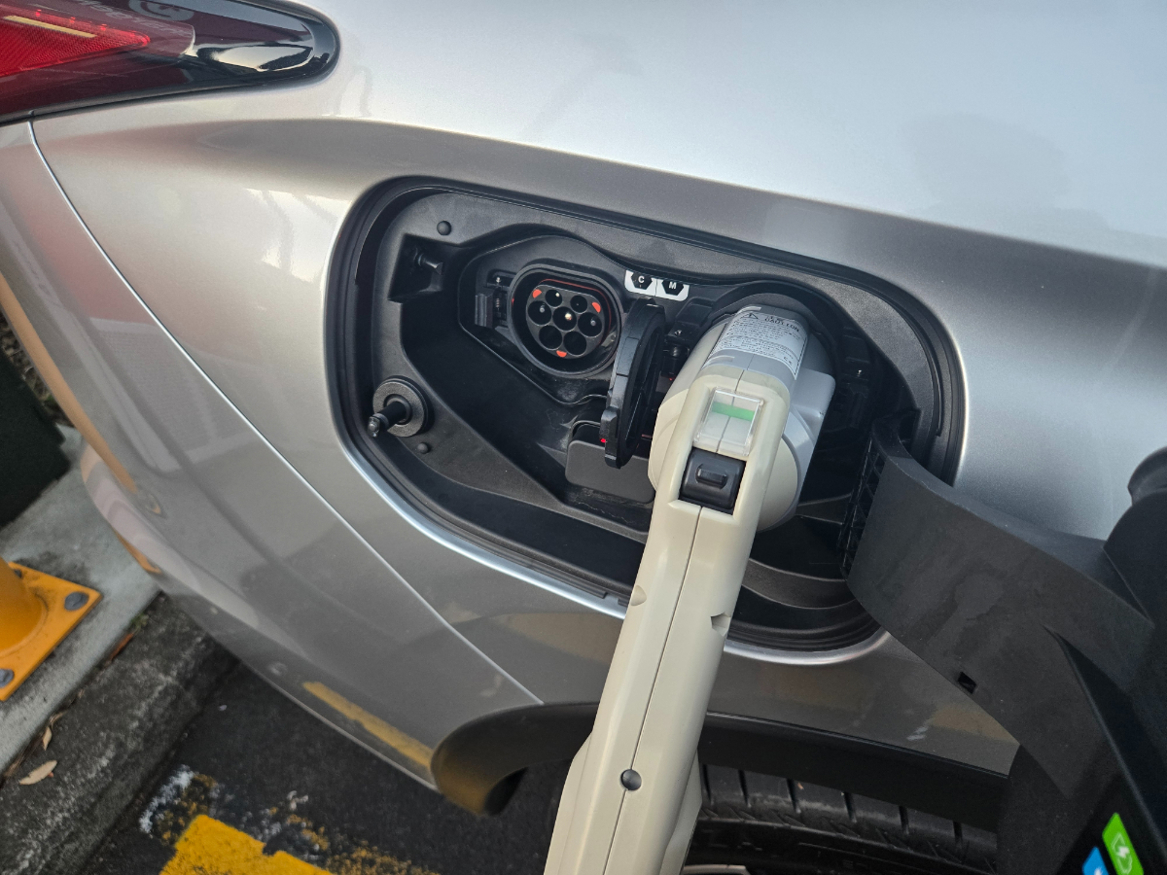
The idea with most PHEVs is that you simply charge overnight at home and with 80km-plus range, the Outlander offers plenty of EV capability for most commuters day-to-day. You can plug in at public stations too, although only if they've got a Chademo connector (many ChargeNet machines still do): the Mitsubishi has one of those next to the AC port.
Outlander has always been more about comfort than speed. Chassis changes for the latest model are along those lines: the shock absorders have been retuned, spring rates revised and the Bridgestone tyres upgraded from Ecopia to Alenza, partly to reduce road noise.
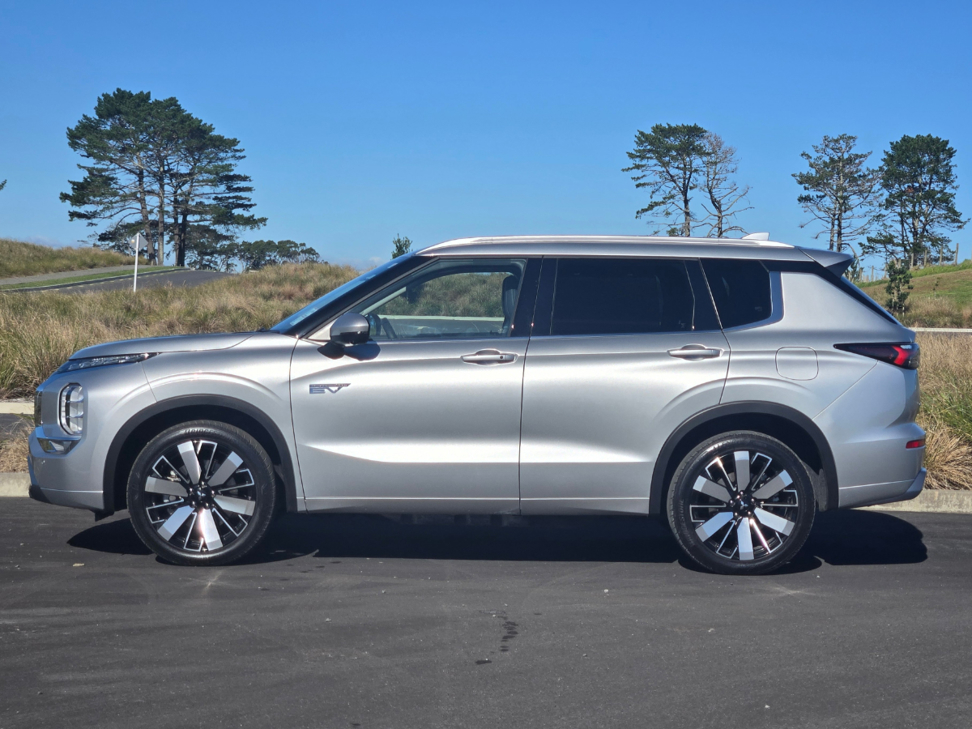
It's a smooth operator across demanding roads, and there's plenty of traction in hand. All Outlander PHEV models are dual-motor S-AWC (super all-wheel control), which is Mitsubishi's fancy AWD system. It's pretty smart, adjusting not only front-to-rear torque but also employing active yaw control, managing side-to-side power and braking.
In concept, S-AWC is an electric version of technology honed on past rally/performance cars like the Lancer Evo. That's not to say the Outlander is a sporty SUV, but the chassis certainly feels sorted and sophisticated.
There's one inevitable-but-unwelcome addition to the Outlander: a driver attention monitor that's unforgiving to say the least. A quick glance away to adjust the air-con or check the sat-nav and there's an immediate warning. If you wear sunglasses, you get a reminder every few minutes that the camera can't see your eyes, which requires a button-press to clear (which is quite distracting in itself). At least the alert is quiet.
SPECIFICATIONS
| Powertrain type | Plug-in hybrid |
| Capacity, battery | 2488cc, 22.7kWh |
| Power | 98kW (engine), 85kW/100kW (motors front/rear) |
| Torque | 195Nm (engine), 255Nm/!95Nm (motors front/rear) |
| Transmission | Single-speed transaxle type, AWD |
| Adaptive suspension | No |
| Efficiency | 1.3l/100km (3P-WLTP) |
| Tank size, fuel type, range | 53 litres, 91 octane, EV range 103km (manufacturer's claim) |
| Tow rating | 1.6 tonnes |
On ownership: what's the Mitsubishi Outlander PHEV VRX warranty and servicing situation?
The Outlander is covered by a 5-year/130,000km vehicle warranty and 10-year/160,000km powertrain warranty. There's also PHEV-specific 8-year/160,000km cover for the traction battery.
Servicing is required every 12 months or 15,000km.
On the whole: what do we think of the Mitsubishi Outlander PHEV VRX?
The Outlander PHEV has still got it, although that's not news to the buying public, which has stayed loyal to the model as it has climbed in sophistication and price over the years. Few rivals feel quite as polished and confident in their combination of plug-in technology with highly competent SUV character; Mitsubishi has been doing this a long time.
And actually, the PHEV-SUV competitor set dimishes greatly once you filter out the models that don't offer 7 seats, if that's a key consideration.
It's also worth noting that while our VRX test car is at the upper end of the range (there's also an $81,990 Exceed), you have an Outlander PHEV from $64,990 for the LS (5 seats only), or the XLS for $71,990.
Mitsubishi Outlander PHEV VRX FAQs
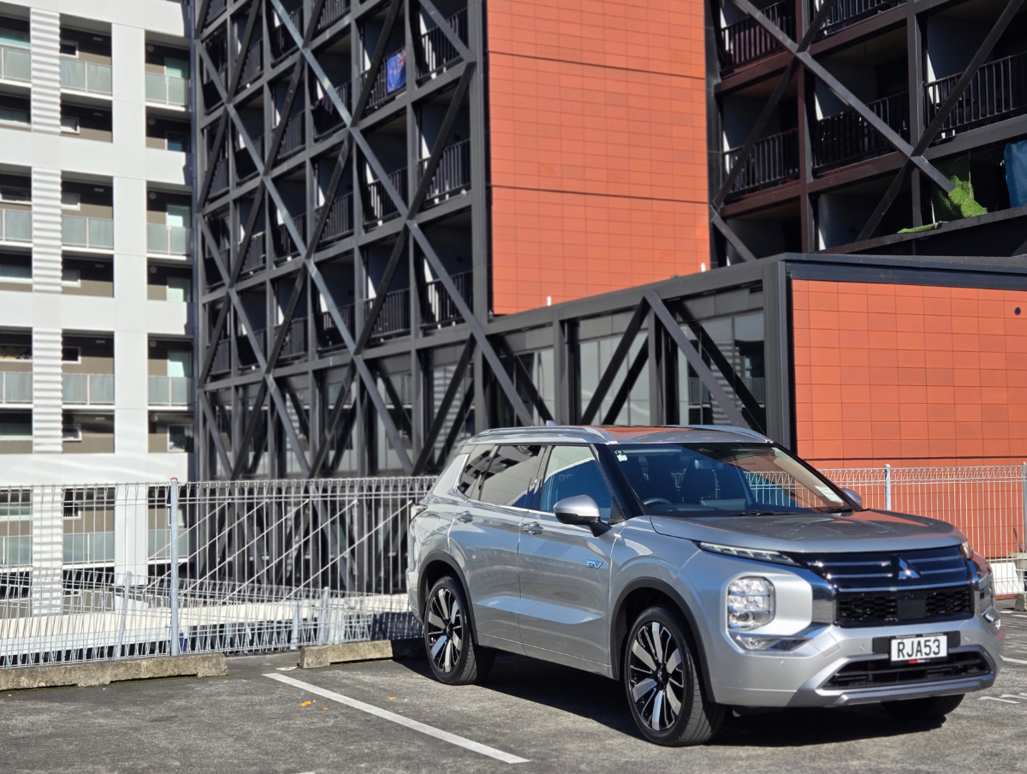
What kind of car is the Mitsubishi Outlander PHEV VRX?
A medium-large 7-seat family SUV.
Does the Mitsubishi Outlander PHEV VRX have hybrid or EV technology?
It's a plug-in hybrid (PHEV).
What’s the fuel economy of the Mitsubishi Outlander PHEV VRX?
It returns 1.3l/100km in NZ's 3P-WLTP cycle. The WLTP EV range is 86km.
Is the Mitsubishi Outlander PHEV VRX safe?
Outlander has a 5-star ANCAP rating, valid until December 2031.
What safety and assistance features does the Mitsubishi Outlander PHEV VRX have?
| Intelligent lights | Adaptive LED |
| Rain sensing wipers | Yes |
| Airbags | Dual front, driver knee, centre, side front, side curtain |
| Adaptive cruise control | Yes |
| Driver attention monitor | Yes |
| Traffic sign recognition | Yes |
| Forward collision warning | Yes |
| Blind spot warning/assist | Yes/yes |
| Lane departure warning/assist | Yes/yes |
| Rear cross traffic alert/braking | Yes/no |
| Reverse collision braking | Yes |
| Parking sensors | Front and rear |
| Camera system | 360 degree |
What are the Mitsubishi Outlander PHEV VRX's 7-seat rivals?
- Chery Tiggo 8 Ultimate ($51,990): One of the new breed of Chinese super-value "super hybrids".
- Chery Tiggo 9 ($66,990): Yes, another Chery; you can all the way to the full-size AWD 9 for this money.
- BYD Sealion 8 Dynamic FWD ($74,990): Polished, but for more power/AWD you need the $84k model.
- Mazda CX-80 SP PHEV ($80,990): Spacious for 7, but short on range compared to Outlander.