


When it comes to the new era of electrification, BMW was something of an early pioneer, producing the gloriously oddball i3 and the rather more dramatic i8 long before electric cars became the default subject of automotive boardroom presentations. But after that promising start, the Bavarian brand let that head start wither on the vine and instead spent rather a lot of time adapting existing combustion-engine platforms for electric power.
That changes with the all-new BMW iX3, the first production model built on the brand’s all-new Neue Klasse architecture. And this is no mere platform update: it brings a new generation of electric motors, battery technology, electronics and software that will underpin a whole new wave of BMW EVs.
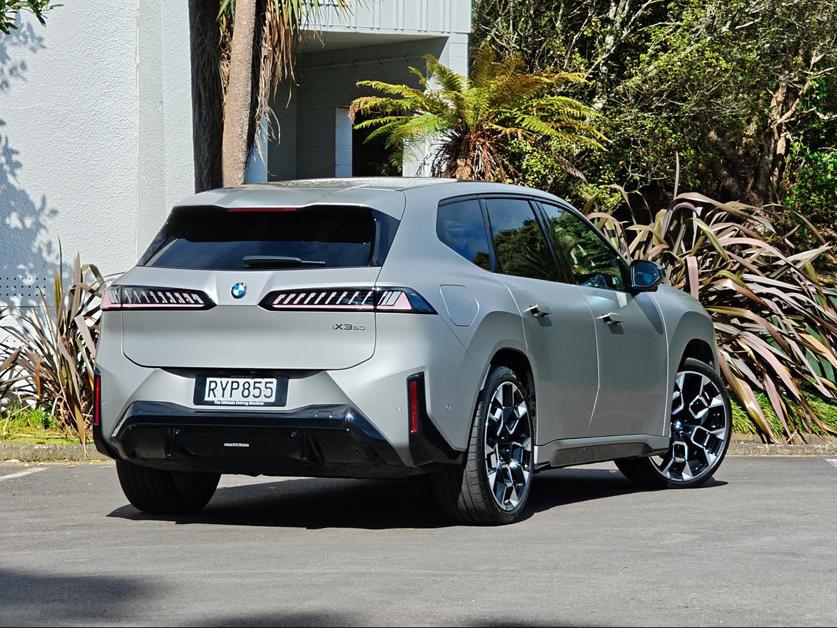
The iX3 is therefore considerably more important than its familiar badge and SUV body might suggest. BMW is effectively resetting its electric ambitions, with an 800-volt electrical architecture, cylindrical battery cells and sixth-generation eDrive technology promising improvements in range, efficiency and charging performance.
The question is whether all this new technology adds up to a better BMW, rather than simply a better electric car.
On the outside: what are the BMW iX3 50 xDrive's main design features?
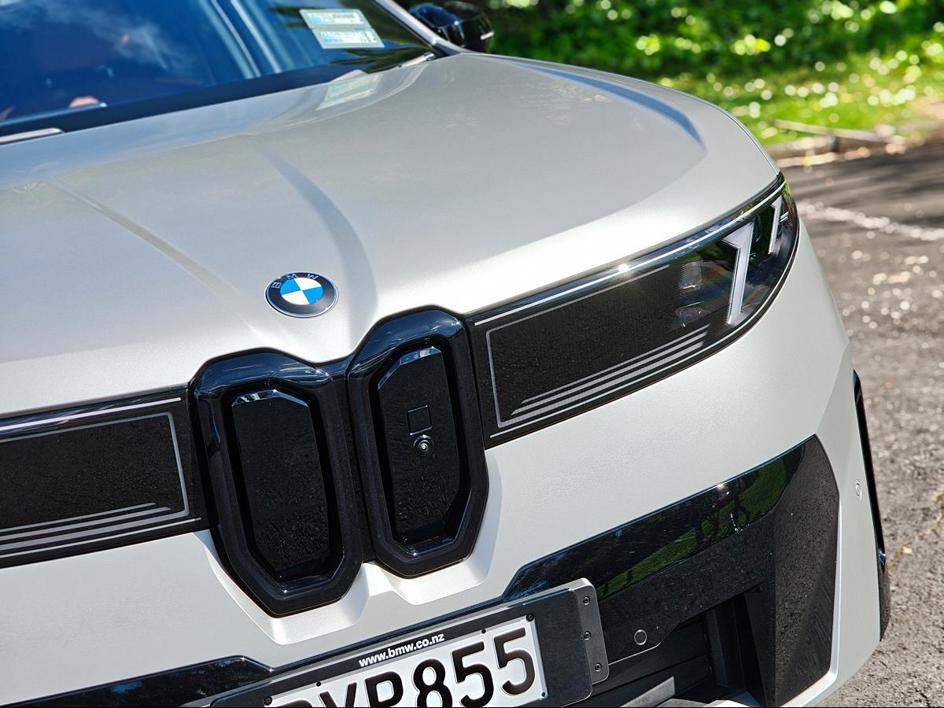
When the first photographs of the iX3 appeared, its front-end styling attracted a fair amount of criticism. I personally might have even mentioned the fact that I thought it looked like the pigs from Angry Birds, which is perhaps not the sort of visual association a premium German SUV designer is hoping to inspire.
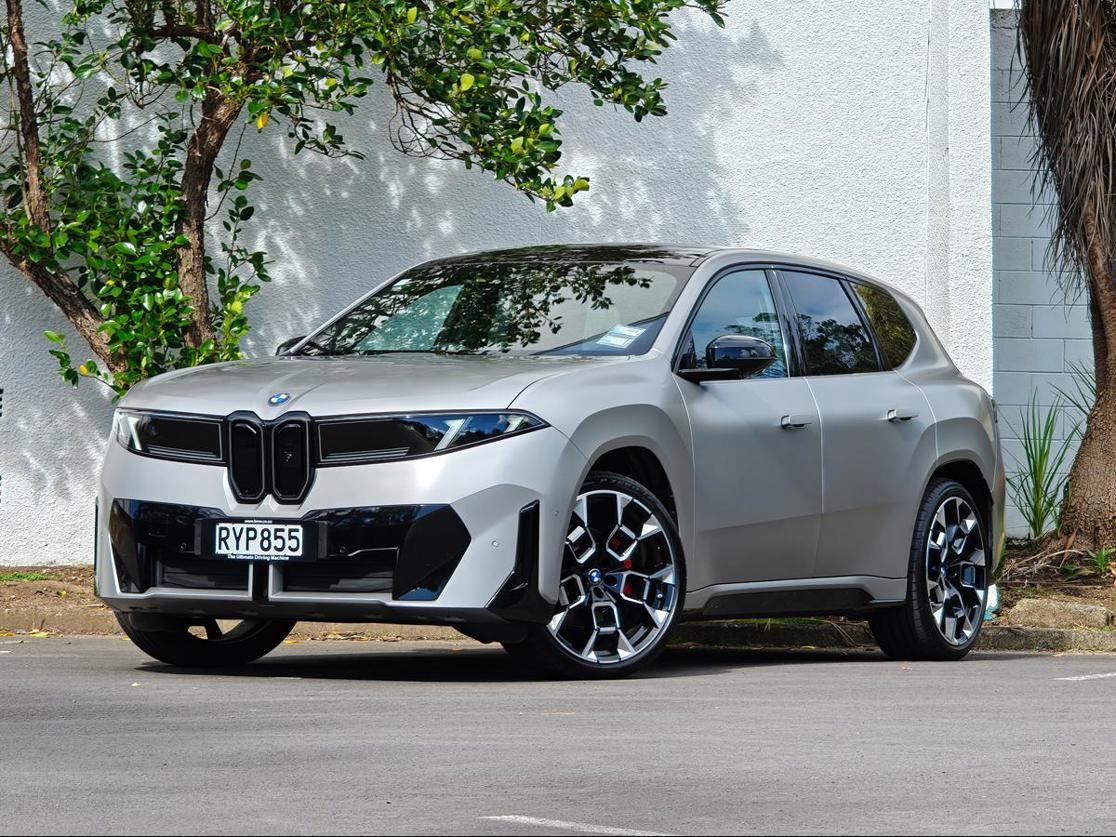
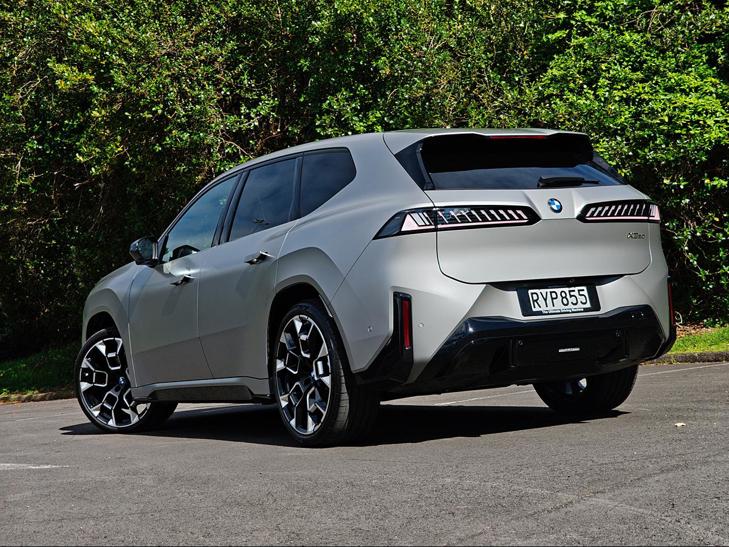
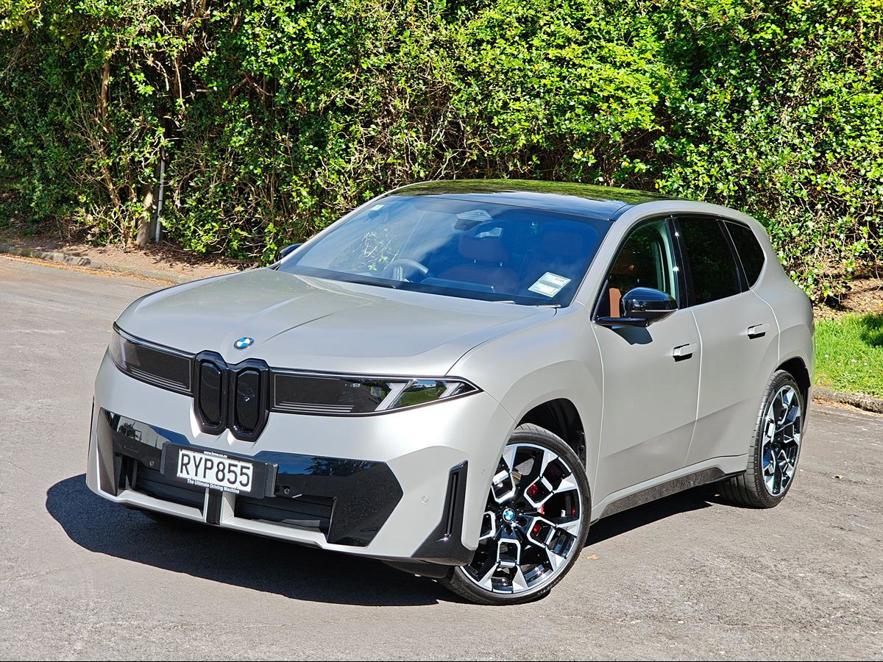
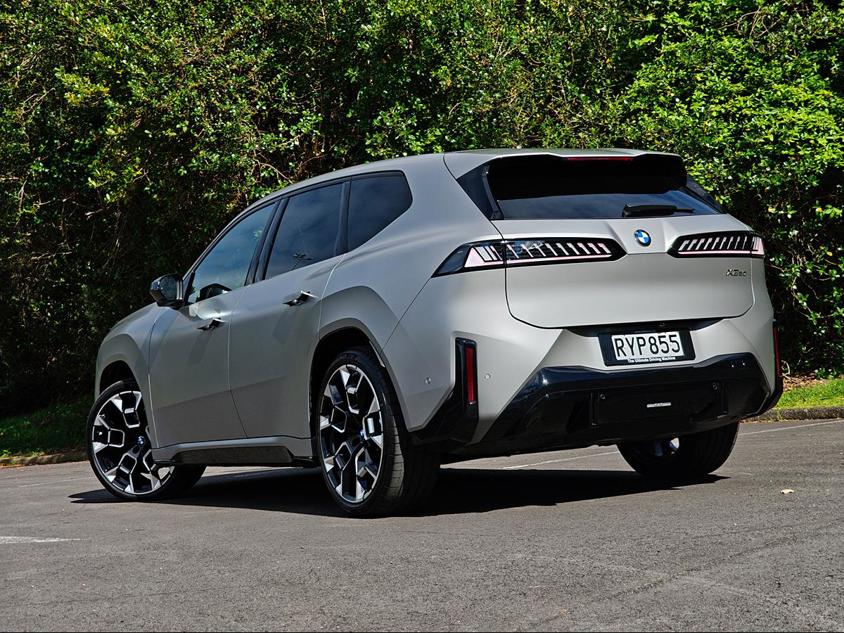
As it turns out, however, the iX3 makes a considerably better impression in the metal. It is handsome, cohesive and distinctive, with proportions that work far better in three dimensions than they do in a photograph. The front end is certainly different, but the overall design has a confidence that some of BMW’s more recent efforts have occasionally lacked.
The familiar kidney grille has been reinterpreted as a slimmer, retro-inspired arrangement, with an illuminated digital treatment that nods towards BMW’s heritage. It is a welcome change from the increasingly enormous grilles that have dominated some of the brand’s recent designs.
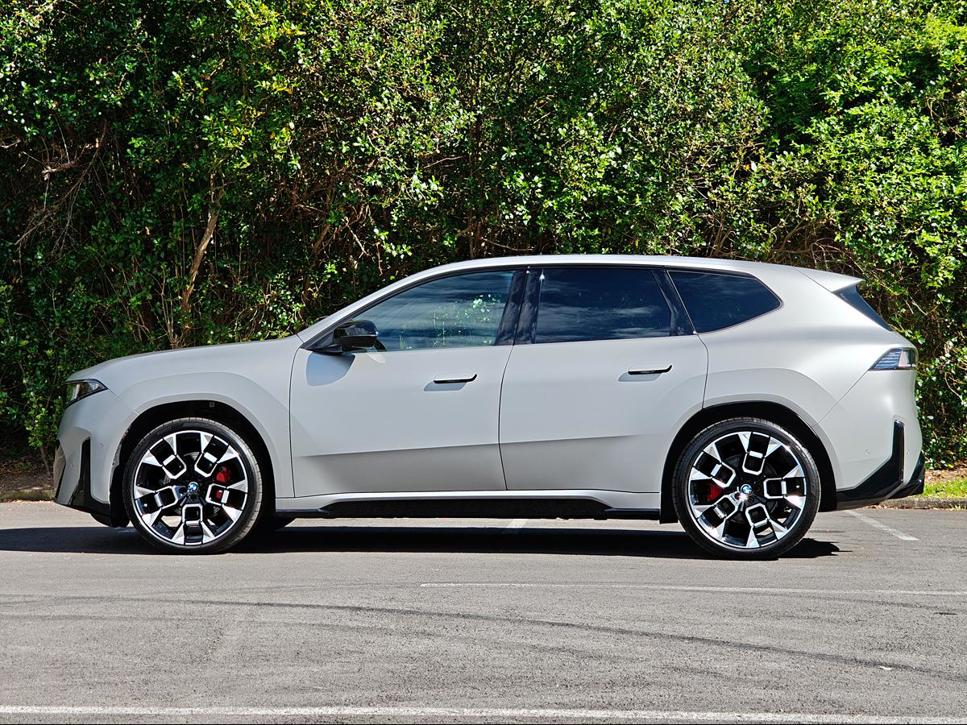
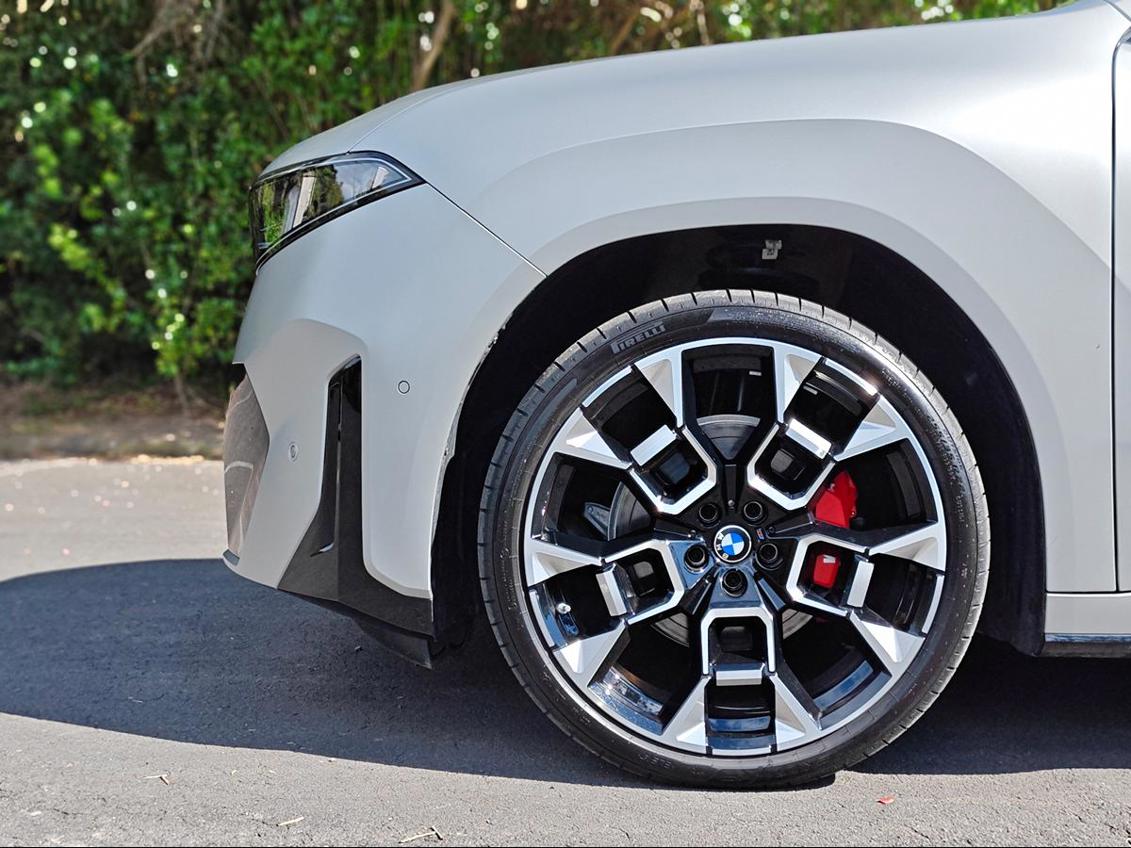
Elsewhere, the surfacing is relatively restrained, with crisp creases and sharp detailing giving the body definition without making it look unnecessarily busy. The wheels, particularly on higher-specification versions, are enormous and dramatic, adding plenty of visual presence. But also bringing a downside, but we’ll get into that soon.
OVERVIEW
| Price | $128,500 |
| Body style | Five door medium SUV |
| Wheels and tyres | 20 inch alloy wheels, 255/45 tyres (as tested: 255/35 R22) |
| Length | 4782mm |
| Wheelbase | 2897mm |
| Weight | 2360kg |
| Website | bmw.co.nz |
On the inside: what's the BMW iX3 50 xDrive's cabin like?
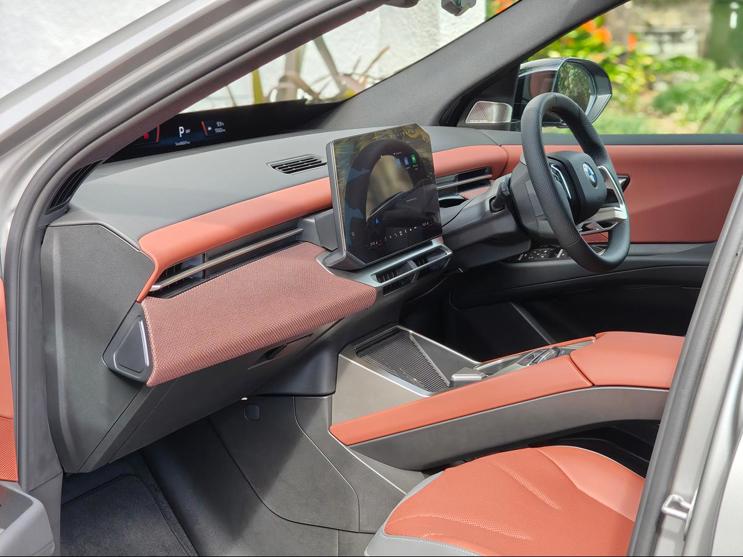
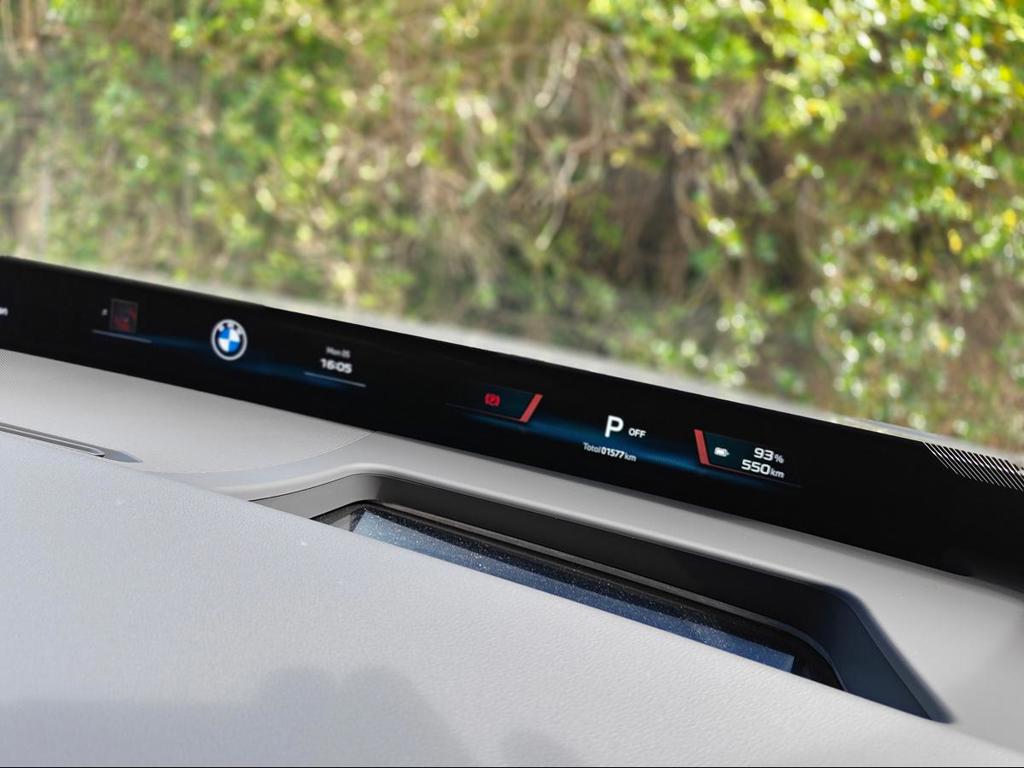
The cabin is where the Neue Klasse transformation becomes even more apparent, with the dashboard not only dominated by a large central touchscreen (angled perhaps a touch too dramatically towards the driver) but also the new Panoramic iDrive display that stretches across the base of the windscreen. The latter projects information across the width of the dashboard, allowing the driver to see essential information without having to look down at a conventional instrument cluster.
The familiar kidney grille has been reinterpreted as a slimmer, retro-inspired arrangement, with an illuminated digital treatment that nods towards BMW’s heritage.
The steering wheel is another point of interest. Its unusual shape initially looks as though it might have escaped from a concept car, but it proves surprisingly comfortable to hold, with the controls sensibly arranged within reach. There is a learning curve to the new interface, and some functions still require a trip into the touchscreen menus, but BMW has retained enough ergonomic logic to make the transition relatively painless.
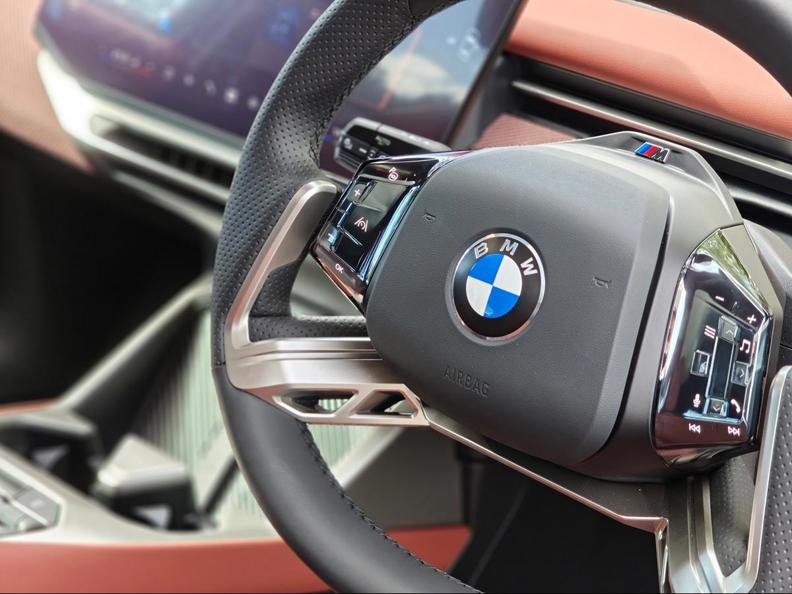
Material quality and assembly are highly impressive, with a solidity that helps justify the iX3's premium positioning. Yet its price doesn’t necessarily represent quite how premium the iX3 actually feels, with our test vehicle being generously optioned, but still only approaching the $140k mark.
Overall, the cabin is a convincing blend of futuristic presentation and everyday usability. BMW has changed plenty, but it hasn't forgotten that the person sitting behind the wheel still has to operate the thing.
INTERIOR
| Head-up display | Yes |
| Infotainment screen | 17.9 inches |
| Phone projection | Wireless Android Auto and Apple CarPlay |
| Wireless phone charger | One |
| USB ports | 2x USB-C front and rear |
| Climate control | Dual zone |
| Front seat heating/ventilation | Yes/No |
| Front seat adjustment | Power, 8-ways |
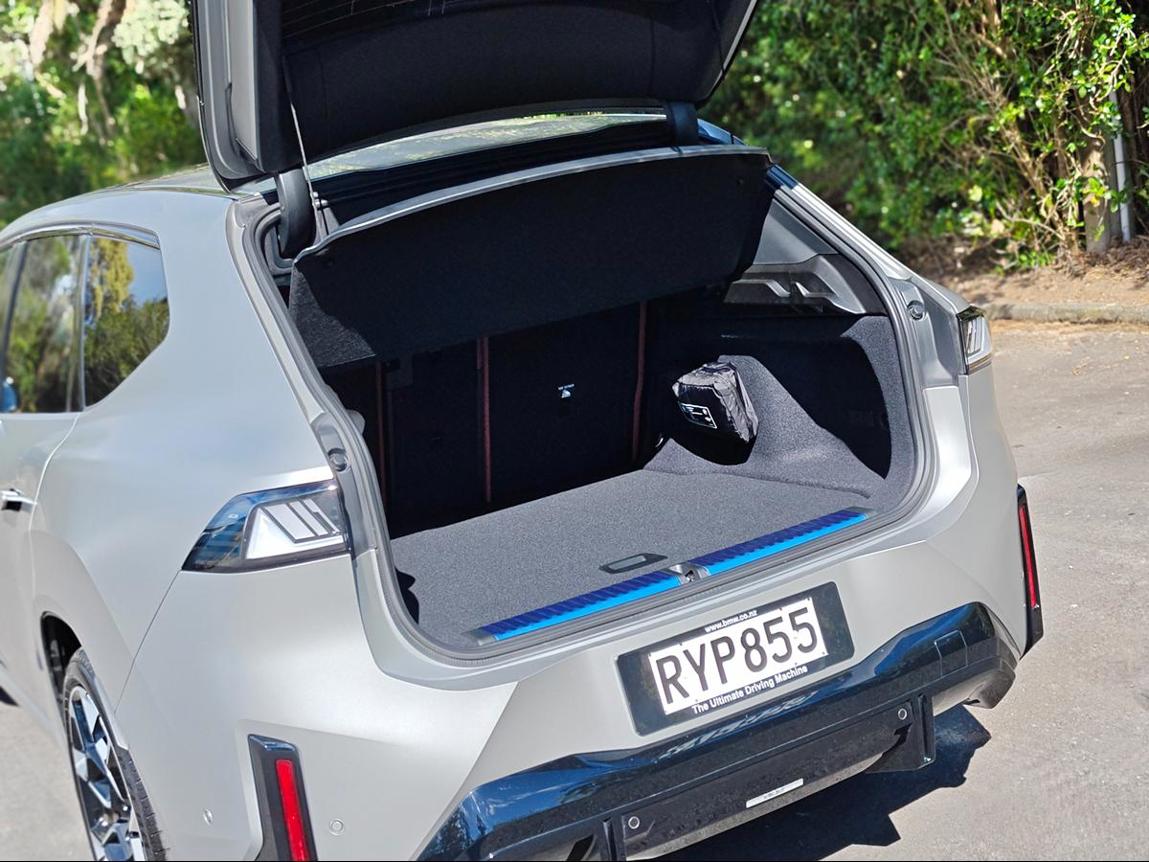
| Boot capacity | 520 litres plus 58 litre frunk |
| Rear seat split/fold | 40/20/40 |
| Power tailgate | Yes |
On the road: what's the BMW iX3 50 xDrive like to drive?
The iX3 makes an excellent first impression in urban environments. The electric drivetrain delivers its performance smoothly and immediately, while the substantial battery provides the sort of driving range that makes longer journeys entirely practical. It feels quiet, refined and thoroughly unflustered by the stop-start business of everyday driving.
The iX3 is impressively composed for a tall, heavy electric SUV, and its handling has drawn considerable praise the world over, and it is easy to see why.
BMW has also done some particularly clever work with regenerative braking and driver assistance. Rather than attempting to push further into Level 3 autonomy, BMNW has instead refined its Level 2 systems to a new level - that being where they genuinely assist and help you, rather than insisting.
The adaptive cruise control is a particularly impressive example of this - it effectively blends traditional adaptive cruise control, traffic jam assist and one-pedal driving into one remarkably complete system that is incredibly intuitive.
Like a traditional adaptive cruise system, it will maintain a gap, steer to the marked lines and the car in front and happily handle low speed stop-start traffic with minimal driver input. However, the big refinement comes when you touch the brakes - a normal system simply cancels the semi-autonomous functions, whereas the BMW will happily take back over afterwards, making the whole process feel more natural and less like a collection of separate technologies trying to negotiate with each other.
On the motorway, the iX3 is similarly accomplished. It settles into a relaxed cruise, with strong acceleration available whenever required and a general sense of refinement that makes it well suited to covering long distances.
The steering is direct and accurate, too, although it doesn't offer quite the depth of road feel that the best BMWs have delivered over in the past, although it is in keeping with BMW’s steering from the last decade or so.
The BMW iX3 is a major step forward for the brand, and a convincing demonstration of what its Neue Klasse architecture can deliver.
Performance is prodigious, as you would expect, with the 50xDrive nailing the 0 to 100 run in 4.9 seconds, but more importantly maintaining a significant amount of shove on hand even as speeds rise. Equally prodigious is the iX3’s range, with BMW claiming up to 805km from its huge 108kWh battery. We didn’t see anywhere near that thanks to the enormous 22-inch wheels on our test car, but then I guess 700km will just have to do... yes, that was sarcasm.
The iX3 is impressively composed for a tall, heavy electric SUV, and its handling has drawn considerable praise the world over, and it is easy to see why. Switch the driving mode to Sport and the iX3's character changes noticeably. Body control tightens, turn-in becomes sharper and the chassis feels more alert to driver inputs. Comfort mode, by contrast, allows more body movement and delivers a softer, more relaxed response.
However, there is one significant caveat, and it concerns the ride on coarse road surfaces.
On smooth tarmac, the suspension feels well controlled and the car remains composed. On coarse-chip surfaces and broken rural roads, though, the ride develops a brittle edge, with sharp imperfections making themselves felt in the cabin. The suspension itself seems to have sufficient compliance, but the combination of enormous wheels and low-profile tyres appears to be working against it.
This is particularly noticeable on the sort of secondary roads New Zealand drivers regularly encounter. The iX3's otherwise excellent refinement is undermined by the way it deals with rough surfaces at speed, with the suspension occasionally feeling unsettled rather than simply firm.
The iX3 genuinely feels like a proper new beginning for BMW's electric ambitions.
A smaller wheel package with more tyre sidewall would be worth investigating before signing on the dotted line. The iX3 has enough ability in its chassis that it doesn't need oversized wheels to prove the point.
SPECIFICATIONS
| Powertrain type | Electric |
| Battery | 108kWh |
| Power | 345kW |
| Torque | 645Nm |
| Transmission | Single-speed, AWD |
| Power to weight | 146 kW/tonne |
| Adaptive suspension | Yes |
| Efficiency | 17.1kWh/100km (3P-WLTP) |
| Range | 779km |
| Tow rating | 2 tonnes |
On ownership: what's the BMW iX3 50 xDrive's warranty and servicing situation?
BMW offers a 5-year/Unlimited kilometre warranty on the iX3, with an 8-year/160,000km warranty on the battery and 5 years of 24/7 roadside assist. BMW uses a condition-based service system where the car monitors its condition and adjusts the service intervals according, this is typically between 15,000 and 25,000 kilometres or annually.
On the whole: what do we think of the BMW iX3 50 xDrive?
The BMW iX3 is a major step forward for the brand, and a convincing demonstration of what its Neue Klasse architecture can deliver. It looks distinctive without being needlessly outrageous, has a cabin that blends genuinely useful technology with familiar ergonomics, and drives with the sort of smoothness and precision that makes everyday motoring feel effortless.
The Neue Klasse has a lot riding on it. Fortunately for BMW, the iX3 is a very good place to start.
The new electrical architecture and integrated driving systems are more than just impressive technical specifications, too. They contribute to a vehicle that feels cohesive, with regenerative braking, driver assistance and chassis control working together rather than competing for attention.
There is still room for improvement. The steering could communicate more of what the front tyres are doing, and the brittle ride over coarse and broken surfaces is a genuine blemish on an otherwise polished package. Wheel and tyre choice may help, but buyers should make sure they are comfortable with the ride on the roads they actually use.
But these are small quibbles and, overall, the iX3 genuinely feels like a proper new beginning for BMW's electric ambitions. The Neue Klasse has a lot riding on it. Fortunately for BMW, the iX3 is a very good place to start.
BMW iX3 50 xDrive FAQs
What kind of car is the BMW iX3 50 xDrive?
A medium-sized family SUV.
Does the BMW iX3 50 xDrive have hybrid or EV technology?
The iX3 is fully electric with an enormous 108kWh battery and up to 805km range, depending on specification (and wheels!)
What’s the energy economy of the BMW iX3 50 xDrive?
BMW claims a combined average consumption of 17.1kWh/100km for the iX3.
Is the BMW iX3 50 xDrive safe?
The iX3 has a full 5 Star ANCAP safety rating and a total of 7 airbags, including dual front, side and curtain airbags, as well as a central front airbag.
What safety and assistance features does the BMW iX3 50 xDrive have?
| Intelligent lights | Automatic LED |
| Rain sensing wipers | Yes |
| Airbags | 7 |
| Adaptive cruise control | Yes |
| Driver attention monitor | Yes |
| Traffic sign recognition | Yes |
| Forward collision warning | Yes |
| Blind spot warning/assist | Yes/Yes |
| Lane departure warning/assist | Yes/Yes |
| Rear cross traffic alert/braking | Yes/Yes |
| Reverse collision braking | Yes |
| Parking sensors | 6x front, 6x rear |
| Camera system | 360 degree |
What are the BMW iX3 50 xDrive's main rivals?
- Mercedes-Benz GLC 400 ($128,900): As always, these two are pretty much neck-and-neck...
- Audi Q4 e-tron ($119,490): See above - you really just need to pick your favourite badge!
- Tesla Model Y Performance ($95,900): Not as premium, but brutally fast with even cleverer tech
- Zeekr 7X Performance ($94,990): The disruptor that has stormed the segment, not as prestigious
- Lexus RZ 550e F Sport ($134,900): Superbly luxurious and packed with tech. Plus there's the whole Knight Rider steering thing...


