



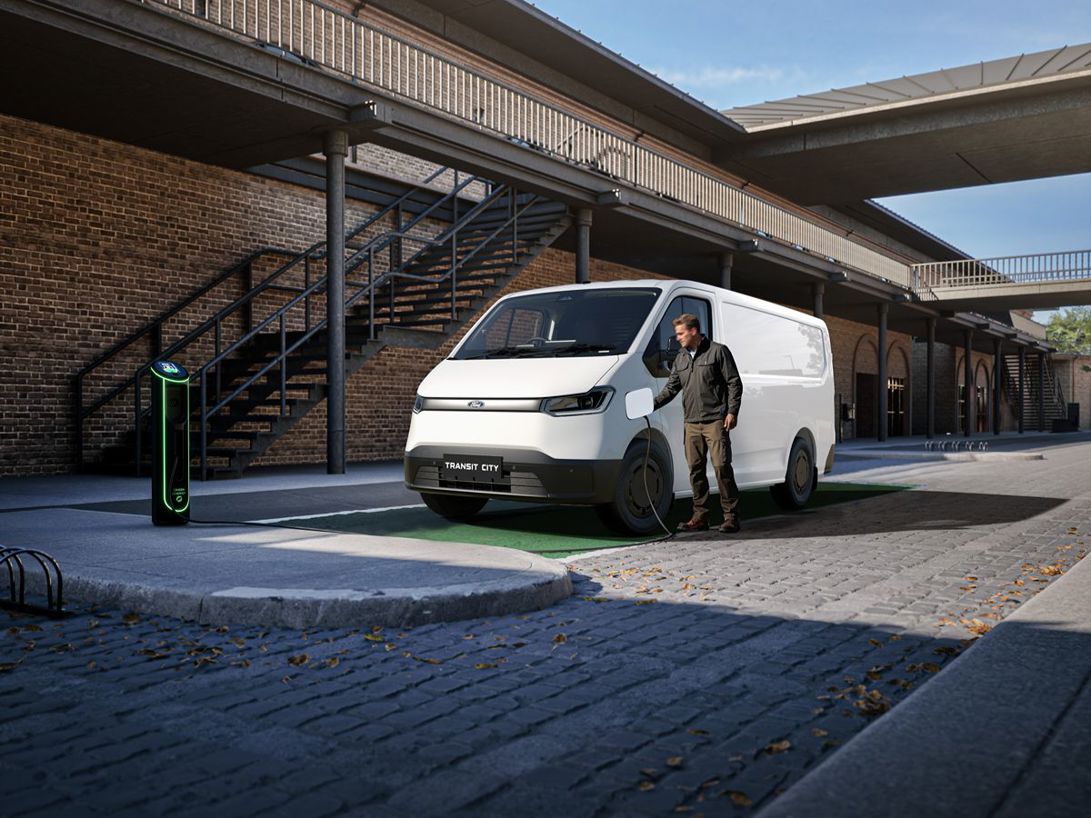
Ford New Zealand has officially detailed its upcoming Transit City electric van, confirming that the new cargo model will arrive on Kiwi shores in January 2027.
Sourced from Ford's long-term manufacturing partnership in China, the Transit City represents the first Chinese-developed Ford passenger or commercial vehicle to enter the local lineup, and alongside the upcoming Bronco Basecamp, it is one of the first China-built Fords exported to any market outside China.
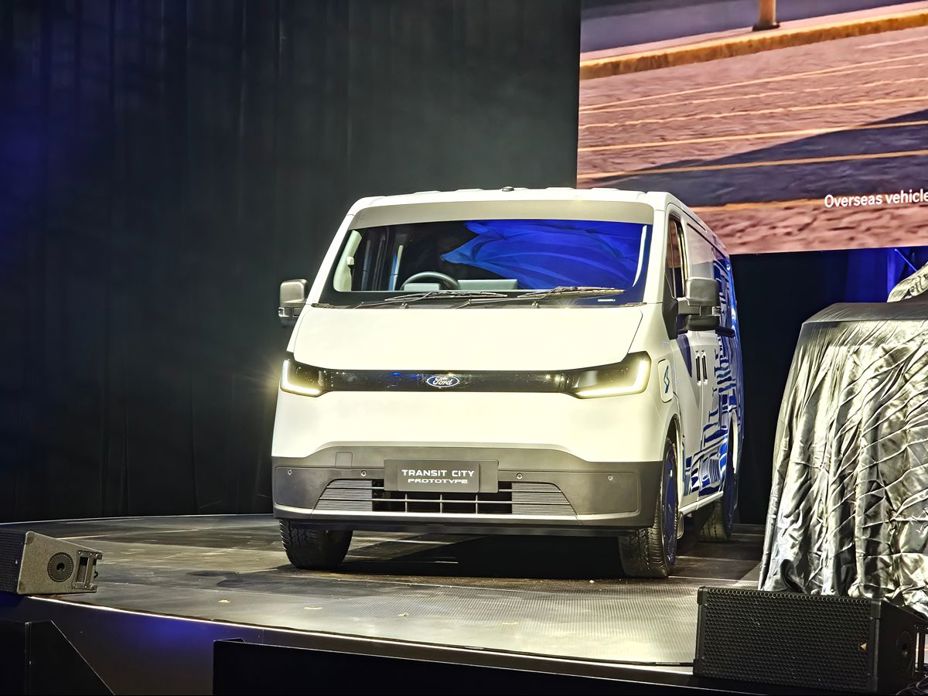
The van is manufactured in Nanchang, China, by Jiangling Motors Corporation (JMC), an automotive producer in which Ford has held a 32 percent equity stake since the 1990s. The Transit City brings a something of a historical pedigree, as JMC has manufactured Transit variants for the domestic Chinese market for the past three decades.
Positioned to appeal directly to metropolitan operators and last-mile delivery fleets, the Transit City is sharply priced at $58,990 for the single, highly equipped model that will compete directly with other recent electric arrivals, including the Farizon V7E ($55,990) and the Kia PV5 ($64,990).
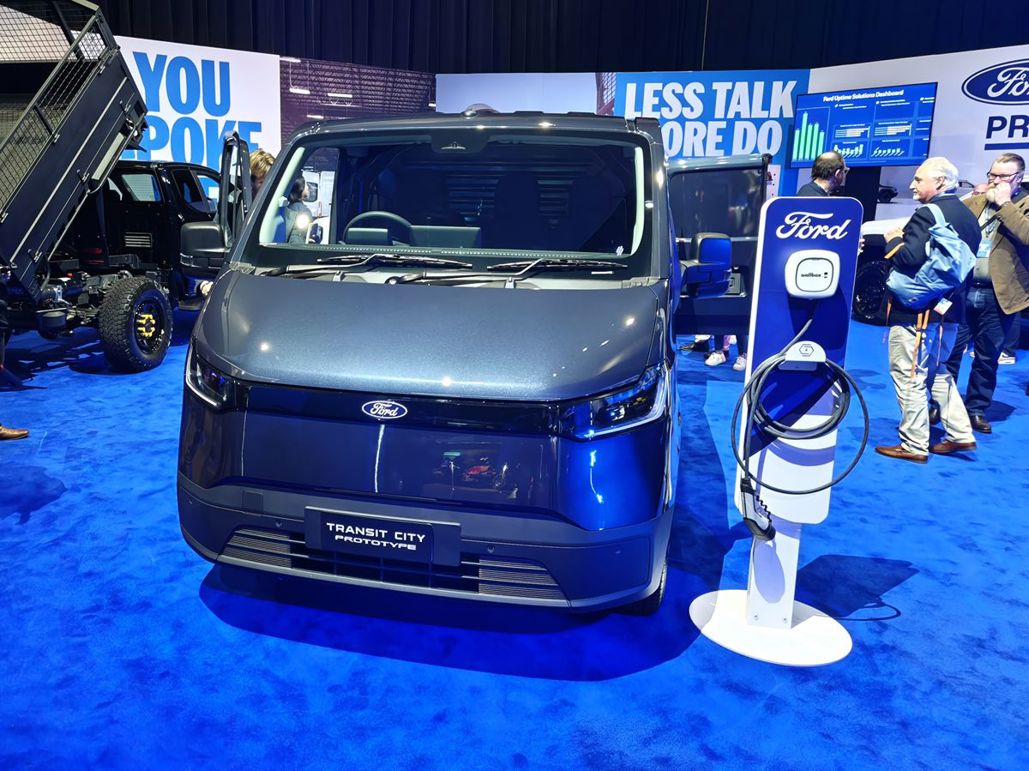
The company says that by offering a simplified, single-specification model, it aims to eliminate buying complexity, lower fleet ordering times, and reduce lifetime operational costs. In comparison to larger electrified options, the pricing puts the Transit City significantly under the E-Transit Custom, which is currently priced at $98,990, while positioning it between the smaller combustion-powered Transit Courier and Transit Custom Trend.
Ford says the engineering behind the Transit City is grounded heavily in commercial telematics data collected from over 2000 in-service Transit Custom vans. This real-world database indicated that metropolitan commercial vehicles travel an average of 76 kilometres per day, with over 90 percent of routes remaining under 200 kilometres.
Consequently, Ford engineers opted to package the van with a 56kWh lithium-iron phosphate (LFP) battery pack, driving a 110 kW front-wheel-drive electric motor. The LFP chemistry was selected specifically for its thermal durability, long operational cycle life, and resistance to degradation under continuous high-speed fast charging.
On the standard WLTP testing cycle, the 56kWh battery provides a combined driving range of up to 254 kilometres and an urban-specific city range of up to 380 kilometres. The chassis and one-pedal driving calibration have been specifically calibrated to maximise regenerative energy capture during stop-and-go driving conditions.
Charging is designed around minimal commercial downtime, with the van supporting 87kW DC fast charging that can replenish the battery from 10 to 80 percent capacity in approximately 33 minutes, while overnight depot or home charging is supported by an 11kW AC charger, which requires approximately 5.5 hours to go from a 10 to 100 percent state of charge.
Scheduled maintenance intervals are set at one year or 30,000 kilometres, and Ford projects that overall maintenance costs will be substantially lower than equivalent diesel vans due to the mechanical simplicity of the electric powertrain, which removes components such as turbochargers, fuel injectors, and multi-speed transmissions.
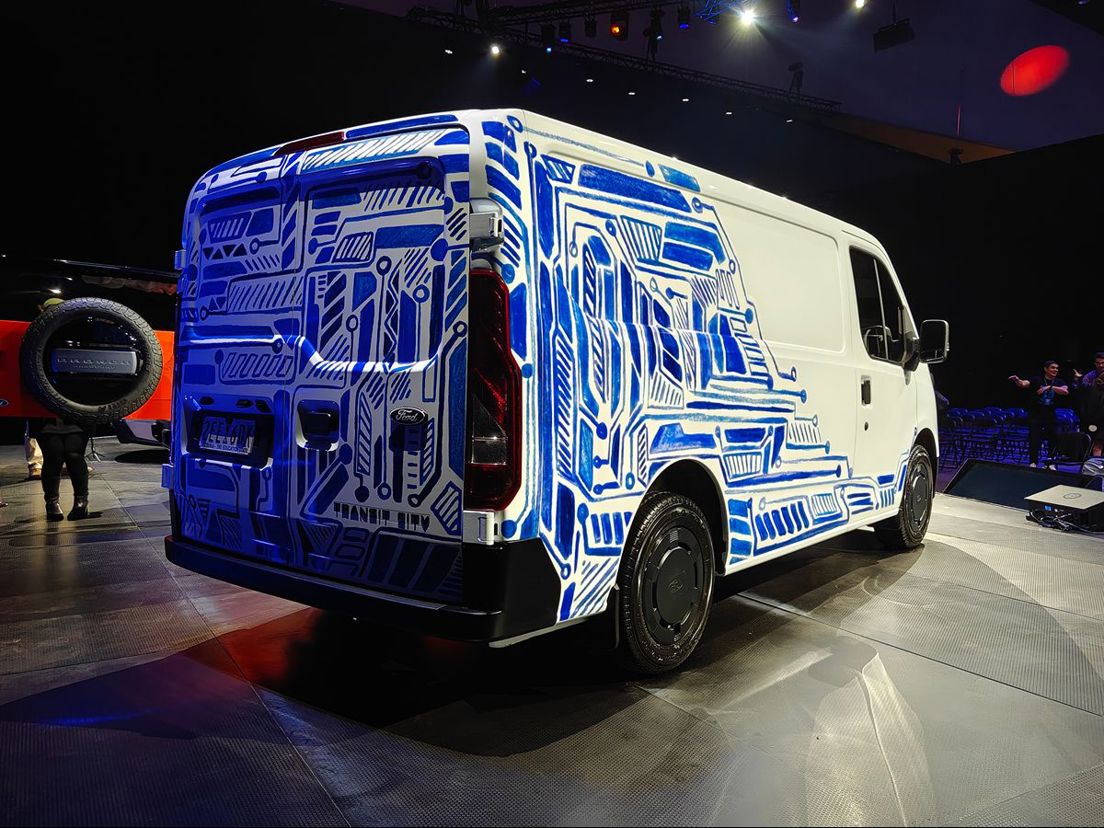
The Transit City's high-voltage battery is backed by an 8-year/160,000-kilometre warranty [11], while the vehicle itself is covered by Ford's standard 5-year/unlimited-kilometre warranty.
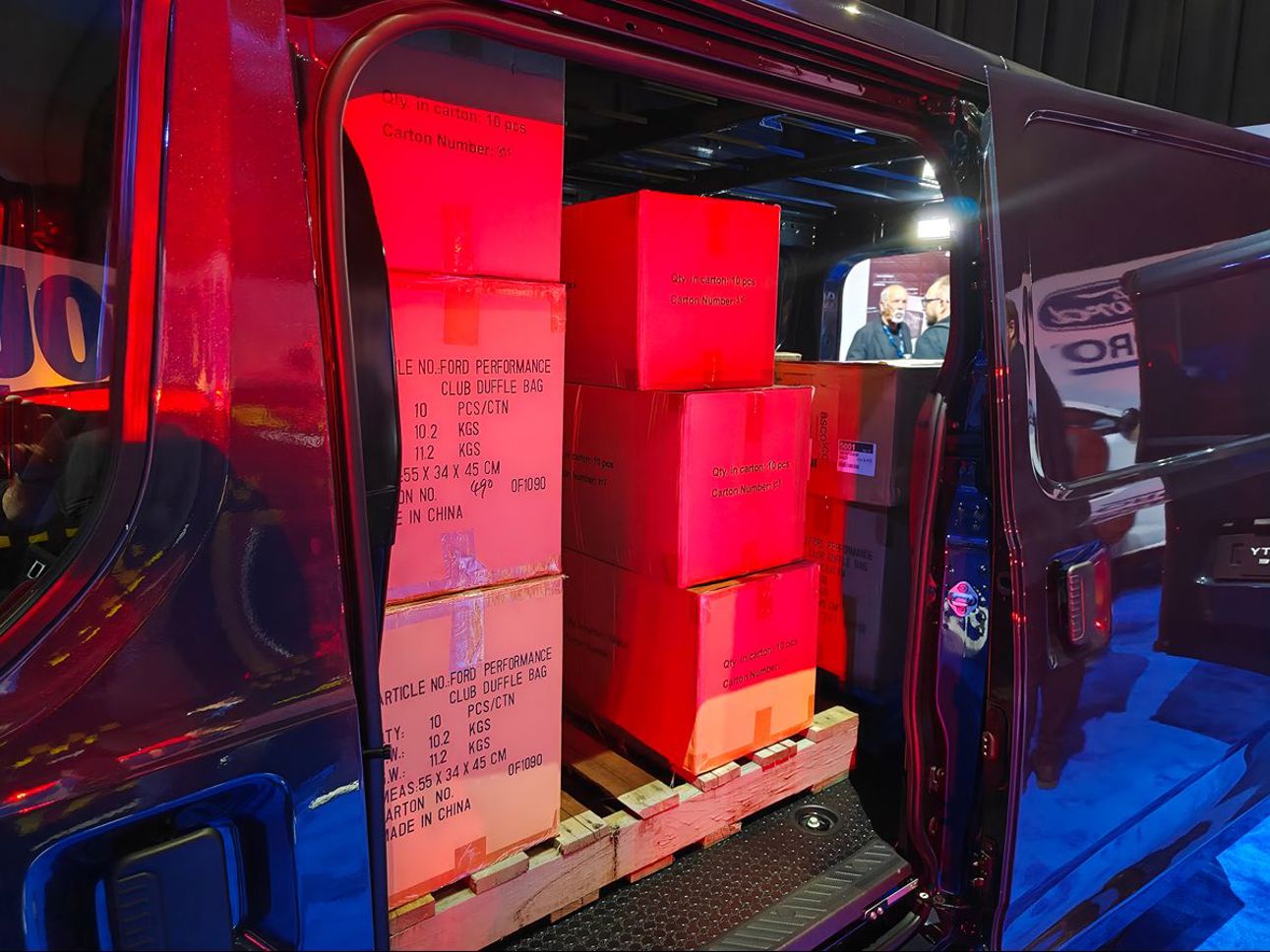
For cargo duties, the Transit City layout provides an interior cargo volume of 6.4 cubic metres and a maximum load payload limit of up to 1085 kilograms, which is large enough to accommodate three standard Euro pallets. The load bay comes fitted from the factory with heavy-duty commercial protection, including a full-surface durable load liner, half-height protective interior side trim panels, and multiple robust tie-down points.
The cab features a passenger layout built for delivery drivers, incorporating keyless push-button start, a high-efficiency heated driver’s seat, and standard advanced driver assistance technologies including autonomous emergency braking, lane departure warning, and adaptive cruise control with stop-and-go functionality. Cabin infotainment is managed through a 12.3-inch central touchscreen paired with a digital instrument cluster, supporting wireless Apple CarPlay and Android Auto integration.
"Transit City represents a new way of thinking about commercial vehicles for Australian and Kiwi businesses. We know urban operators need a van that's affordable, capable, and ready to work from day one, and that's exactly what Transit City delivers,” said Annaliese Atina, Managing Director, Ford New Zealand.
"The shift to electric doesn't have to be complicated. Transit City gives businesses a straightforward, well-equipped van that's ready to work, and the total cost of ownership makes a compelling case for fleets looking to make the switch."
A configurator for the Transit City is live on Ford NZ's website now, while first customer deliveries are expected to commence from January 2027.


