



Ford has officially confirmed that the electrified Bronco Basecamp is bound for New Zealand, with local arrivals scheduled to begin in the second half of 2027.
The launch represents the first time in modern history that the Bronco nameplate has been officially distributed in New Zealand, a move made possible by its Chinese-developed right-hand-drive architecture, as the American-built combustion Bronco remains manufactured exclusively in left-hand drive.
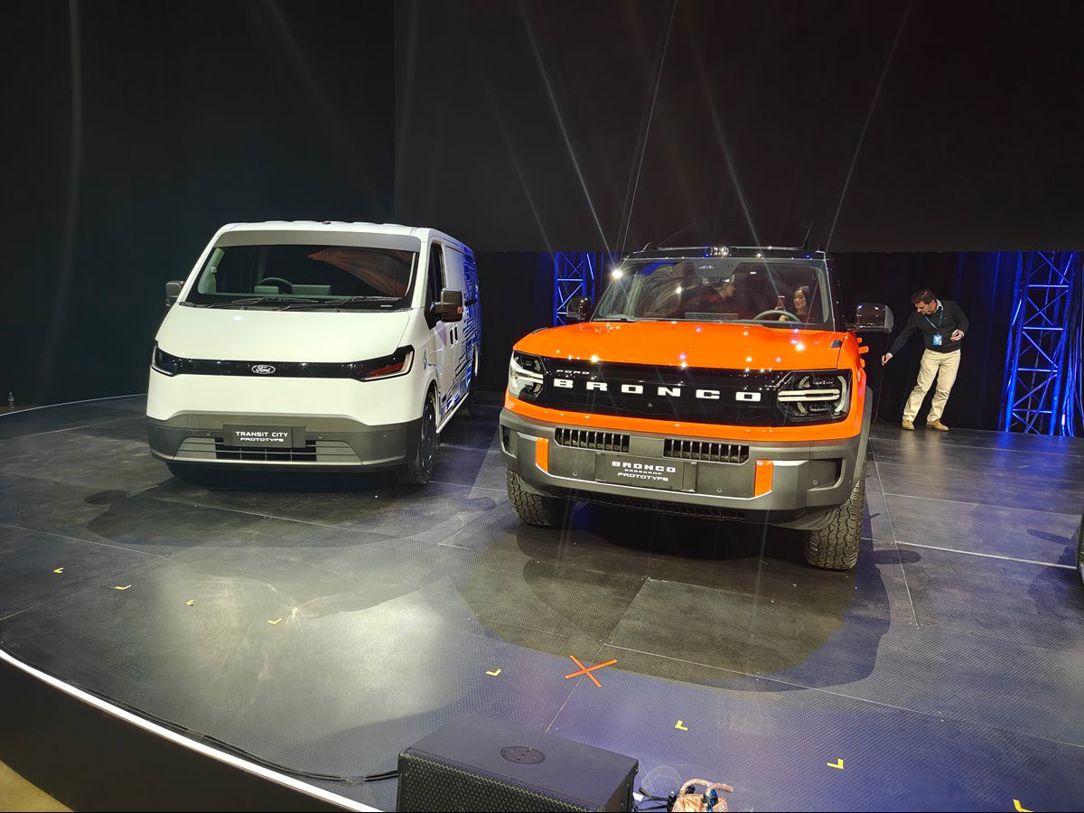
In China the Basecamp is the adventure-oriented version of the Bronco New Energy, a vehicle that is sold there both in range extender and full EV forms, and is actually larger than the Ranger ute-based US-market Bronco.
Moving away from the traditional body-on-frame chassis utilised by the US-market Bronco, the Bronco Basecamp sits on a refined monocoque platform. According to Chinese specification sheets, the five-seat SUV measures 5025mm long, 1960mm wide, and 1825mm tall, riding on a 2950mm wheelbase with a kerb weight of 2510kg.
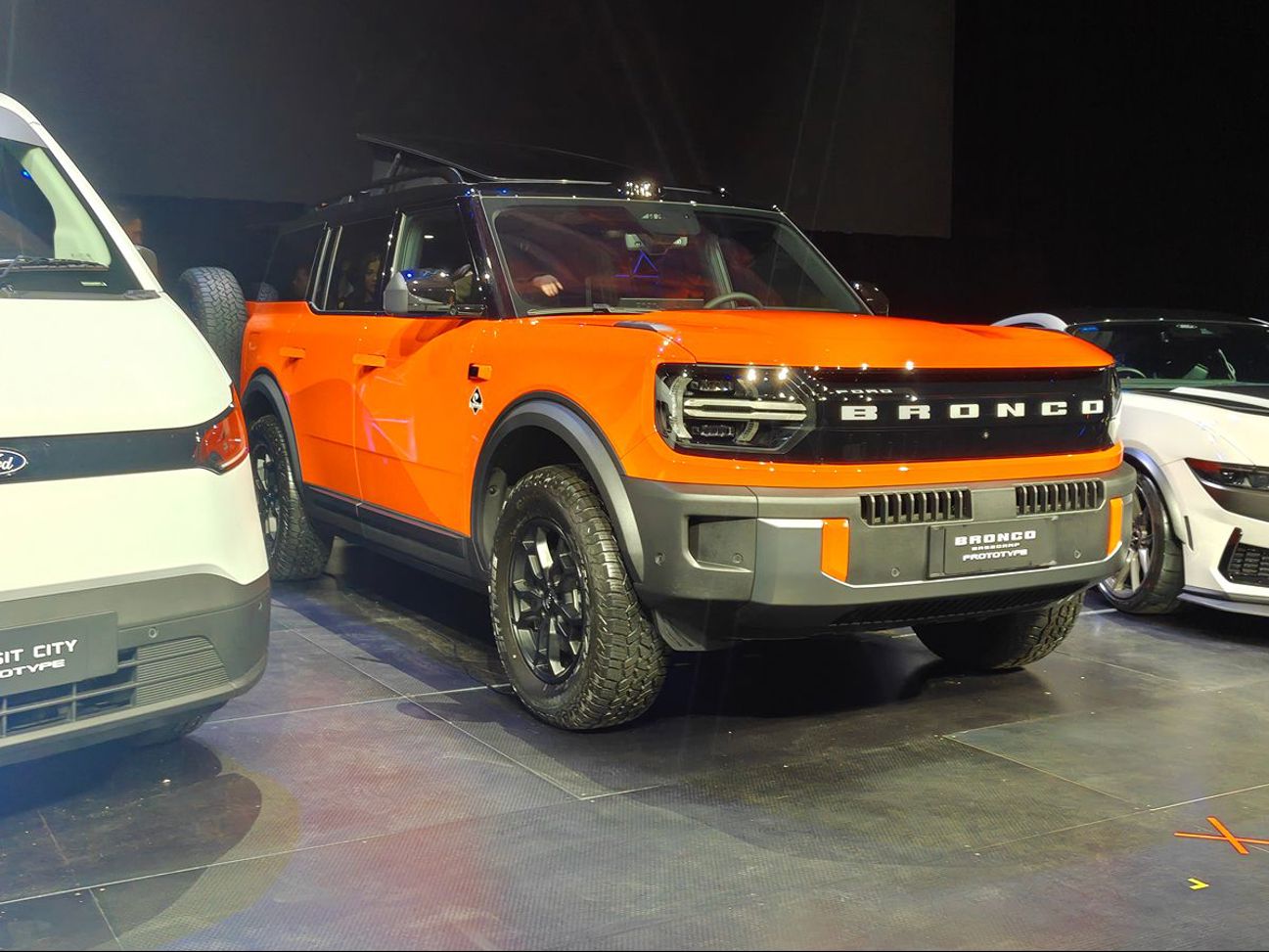
The Bronco Basecamp uses a super-hybrid extended-range electrified powertrain (eREV) that drives all four wheels using dual electric motors - producing 130kW at the front axle and 180kW at the rear axle for a combined output of 310kW.
Electric energy comes from a 49kWh lithium-iron phosphate battery pack supplied by BYD, while a 110kW 1.5-litre turbocharged petrol engine acts purely as an on-board generator to charge the battery when needed, meaning it never mechanically drives the wheels. Ford estimates a combined driving range of 800 to 900 kilometres on a full charge and tank, with the pure electric-only range expected to exceed 100 kilometres on the WLTP cycle.
To ensure the Bronco Basecamp meets local expectations, Ford Australia is conducting an extensive suspension, drive mode, and software calibration programme at its You Yangs proving ground, with the goal of setting the global engineering benchmark for the model's ride and generator software. Local engineering teams are also calibrating the vehicle's driver assistance suites to secure a 5 Star ANCAP safety rating.
Underneath, the Basecamp is equipped with a double-wishbone front suspension and a five-link rear setup, providing 220mm of ground clearance, a 600mm wading depth, and approach and departure angles of 30 and 32 degrees.
While towing capability is still undergoing local validation, Ford engineers indicate the vehicle will be rated for light towing, such as camper trailers or jetskis, rather than heavy-duty commercial loads.
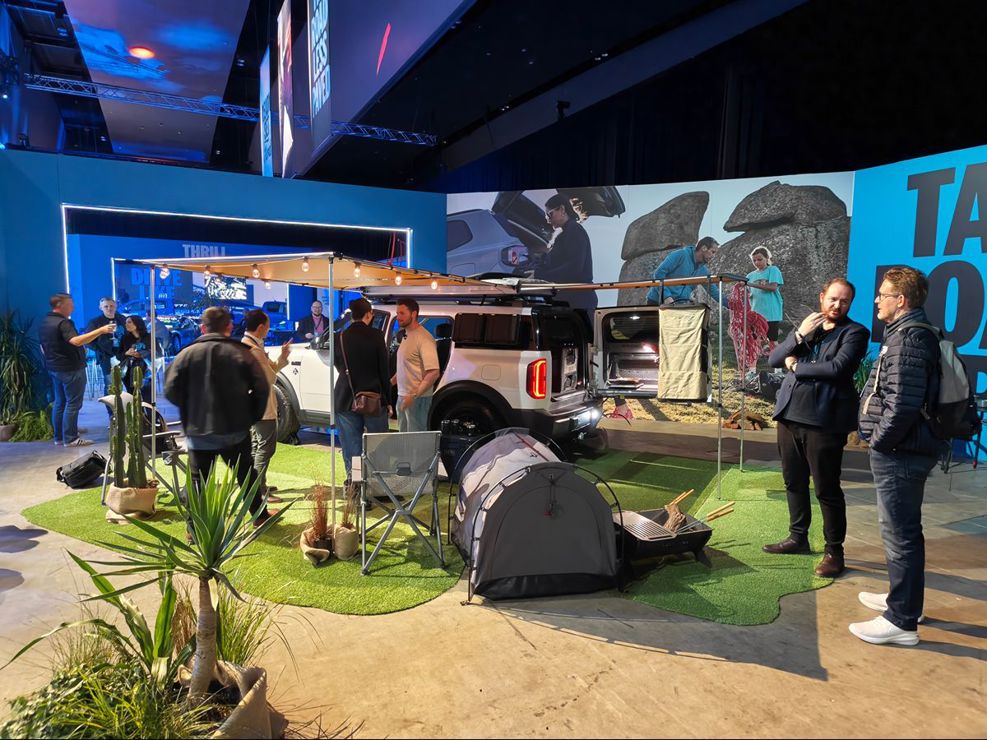
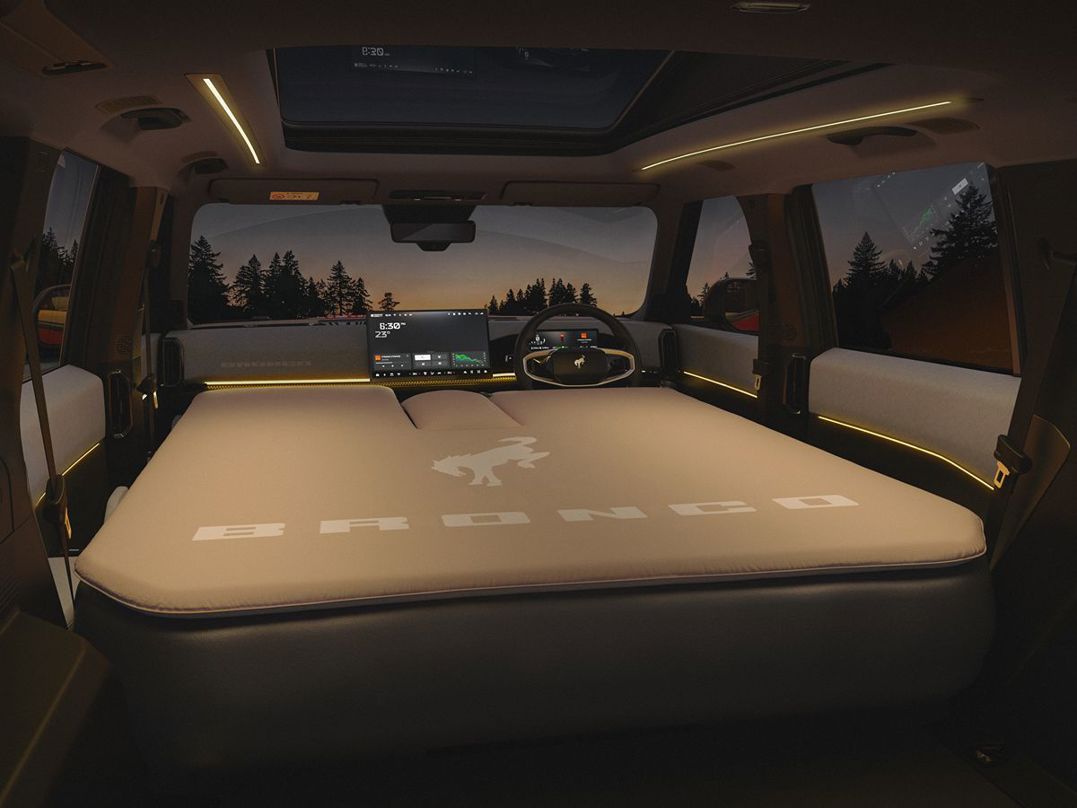
Designed with an outdoor-recreation focus, the Bronco Basecamp incorporates several campsite-oriented features directly into its engineering rather than relying on aftermarket additions. The top spec variant comes standard with an electric Pop-Up Lift Roof that raises the rear roofline by 360mm to increase headroom and ventilation, while the cabin is designed with flat-folding rear seats that accommodate a custom-fit, full-length inflatable mattress, transforming the interior into a secure sleeping cabin.
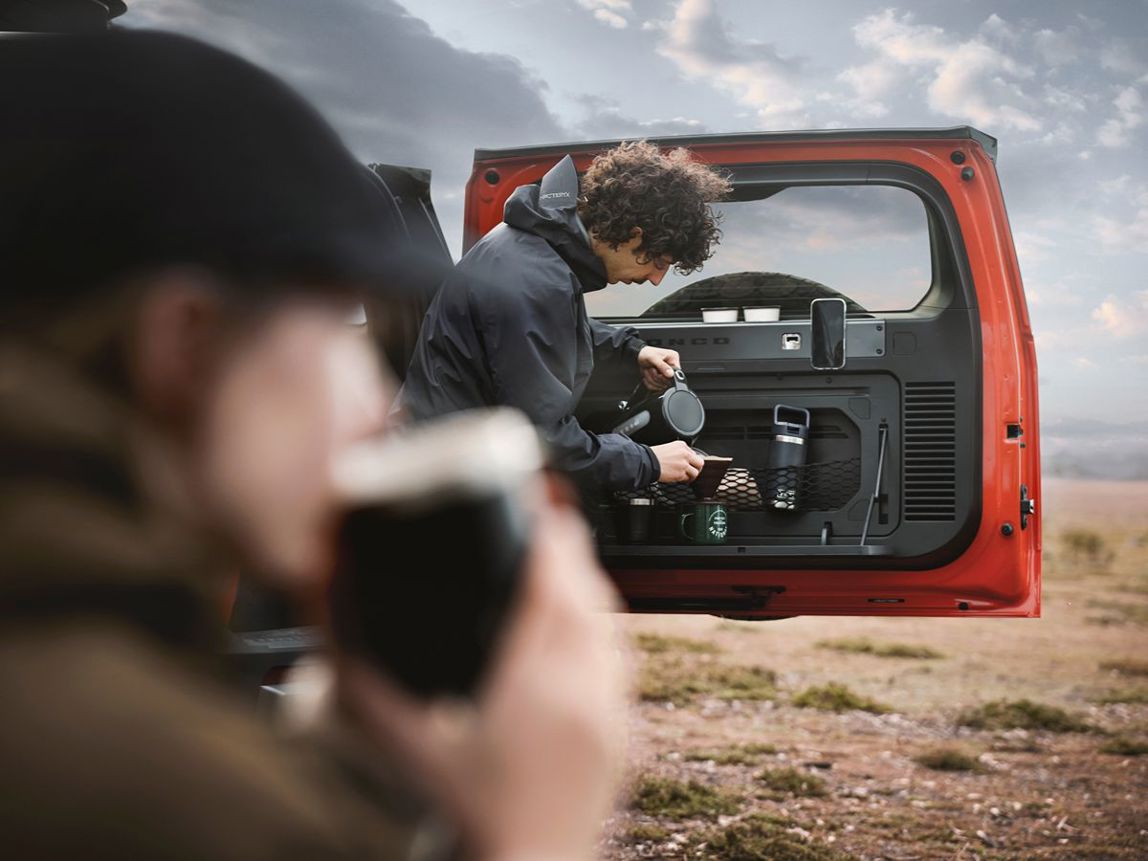
Additional lifestyle features include a 7.5-litre warm-and-cool thermal storage compartment integrated into the central console and a swing-out rear tailgate carrying a fold-down "Wild Kitchen" that includes a table with an integrated bottle opener and off-grid power provided by Ford's Pro Power Onboard system.
The Pro Power system can export up to 6.6kW of electricity through an external outlet, enabling owners to power high-draw appliances such as induction cooktops, coffee machines, and camp lighting directly from the traction battery.
"When we looked at how Kiwis spend their time outdoors, the national parks, the coastal trails, and the distances they travel, the fit was immediate,” said Mathew Slade, Marketing Director at Ford New Zealand.
"Outdoor life here isn’t a trend, it’s just life. Bronco Basecamp was almost purpose-built for these customers."
Sourced from Ford's manufacturing facilities in Nanchang, China, the Bronco Basecamp has been developed in close collaboration with Jiangling Motors Corporation (JMC), Ford's long-term Chinese joint venture partner in which it holds a 32 percent equity stake.
Alongside the Transit City electric van, the electrified Bronco represents the first-ever China-built Ford product to be sold in New Zealand, as well as the first China-sourced Ford exported to any market outside of China.
Local pricing and final specifications will be confirmed closer to the official launch in late 2027.


