



It is quickly becoming apparent that one of the segments to benefit most from the increasing influence of electrification - aside from the welcome revival of sedans, hatches and RWD vehicles - is the light commercial segment, most significantly, vans.
While PHEV and fully electric utes are shaking up that part of the LCV world, vans are also seeing simply massive leaps in terms of both practicality and refinement thanks to the shift to skateboard-stye BEV platforms.
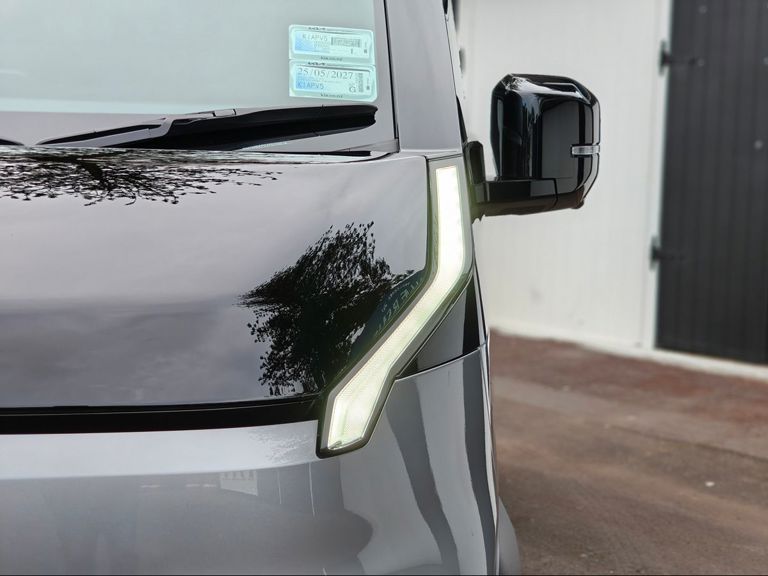
The latest, and possibly most significant, example of this is Kia's foray into the electric commercial vehicle space with the arrival of the PV5, a vehicle built on the brand's dedicated electric platform.
The PV5 is designed from the ground up as a modular system capable of supporting various body styles, from people movers and cargo vans to camper conversions, all with the refinement and performance advantages and all-electric platform brings.
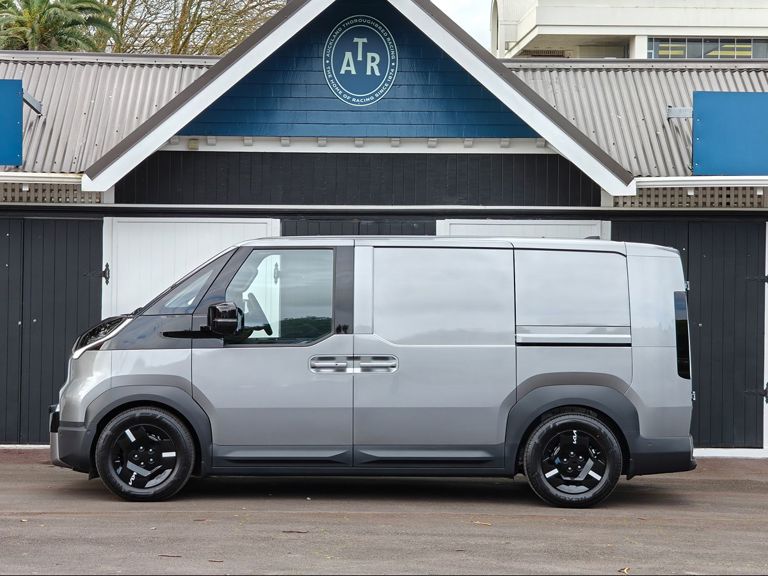
While some people have been tempted to compare the PV5 to Volkswagen’s considerably more upmarket efforts in the same segment in the form of the ID. Buzz, that is actually somewhat wide of the mark, as the VW is aimed at a far more niche segment, particularly here in New Zealand, where its prohibitively high price places it more into the novelty/promotional or private buyer/premium segments.
But one area where the PV5 definitely matches - if not actually surpasses - the ID.Buzz is in terms of sheer refinement and car-like driveability. And given that the Kia is on a dedicated light commercial EV platform, that is even more impressive than it initially sounds.
While it is eventually due to land here in numerous sizes, the model we drive here is the short-wheelbase PV5 Cargo version that is powered by a 71.2kWh NMC battery and single 120kW/250Nm motor, and boasts a maximum range of up to 416km.
On the outside: what are the Kia PV5 Cargo's main design features?
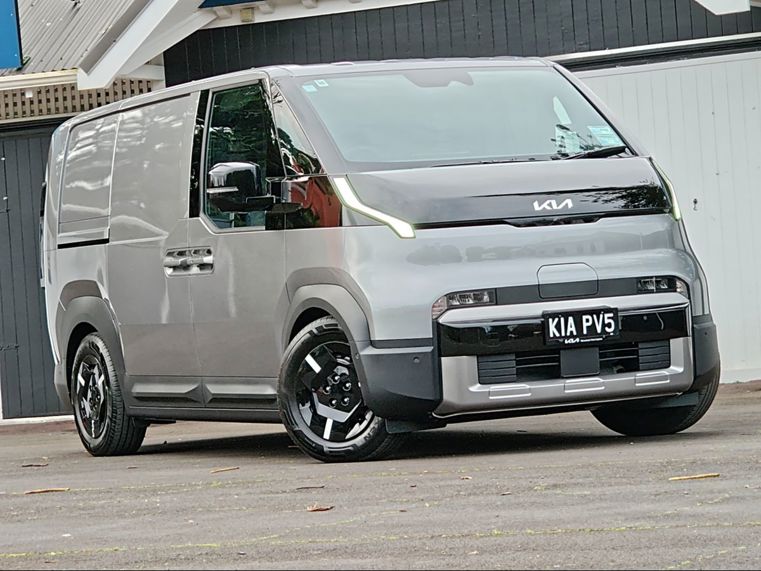
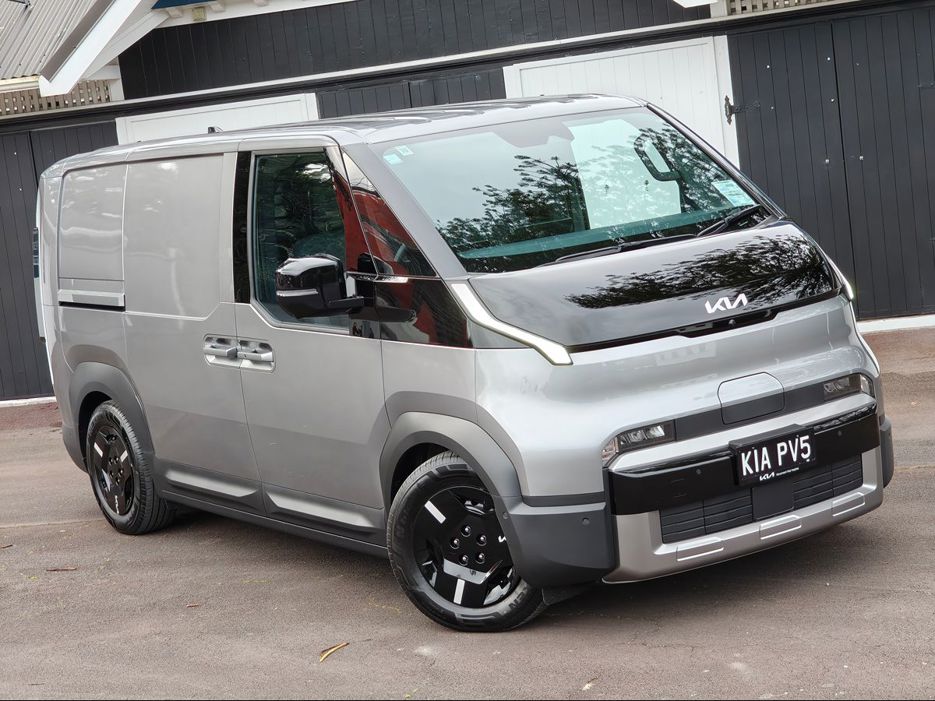
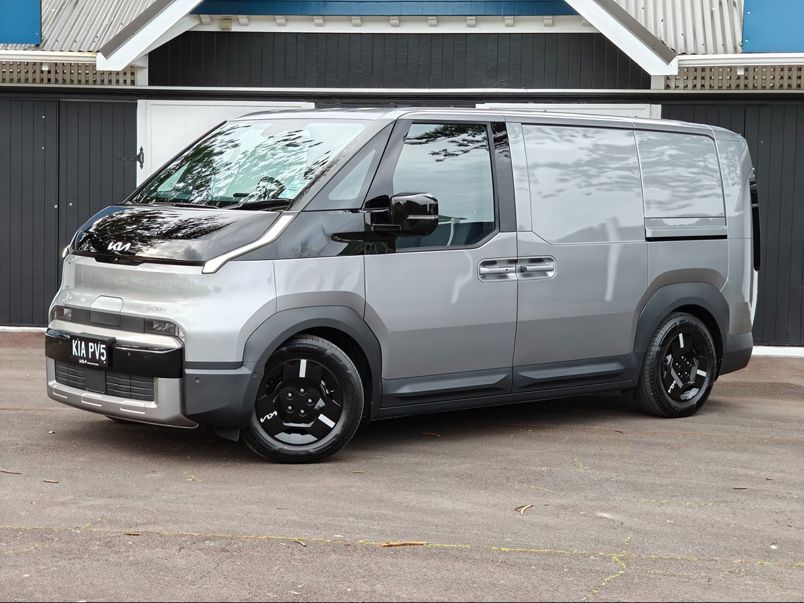
The PV5 makes a bold first impression, pushing van design into a new, futuristic territory that even makes the once-striking Hyundai Staria look a touch conventional. It’s a design that’s incredibly sharp and modern without straying into the realm of silliness.
The PV5 doesn't lean heavily on futuristic gimmicks - a reasonably sized touchscreen sits in the centre of the dash, but thankfully it doesn’t monopolise all the controls.
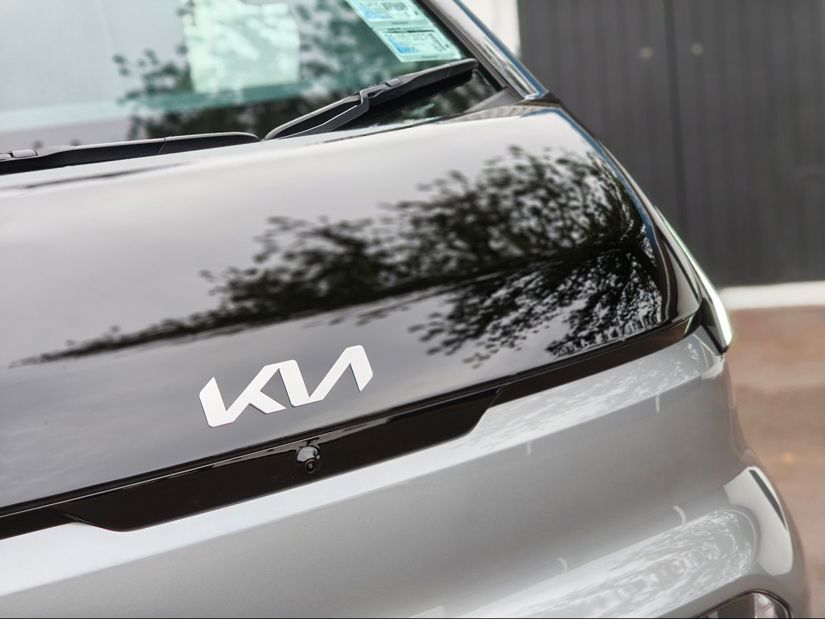
The most distinctive element is its front end, which brings to mind the quirky two-tiered look of the old Fiat Multipla, but in a distinctly modern, less explicitly weird way.
Up high, you have large, vertical, lightning-bolt-shaped daytime running lights, while the actual headlights are positioned much lower, almost in a separate sports-car-like nose section peeking out from under the main body.
Despite sounding like a disjointed concept, it’s all integrated far more cleanly than the Multipla, creating a cohesive and eye-catching face.
Along the sides, it's more of a traditional van shape, but the front doors feature surprisingly low window lines that drop to about hip level, adding to a unique, less van-like feel from the driver's seat.
OVERVIEW
| Price | $64,990 |
| Body style | Van |
| Wheels and tyres | 16 inch steel wheels, 215/65 tyres |
| Length | 4695mm |
| Wheelbase | 2995mm |
| Weight | 1885kg |
| Website | kia.co.nz |
On the inside: what's the Kia PV5 Cargo's cabin like?
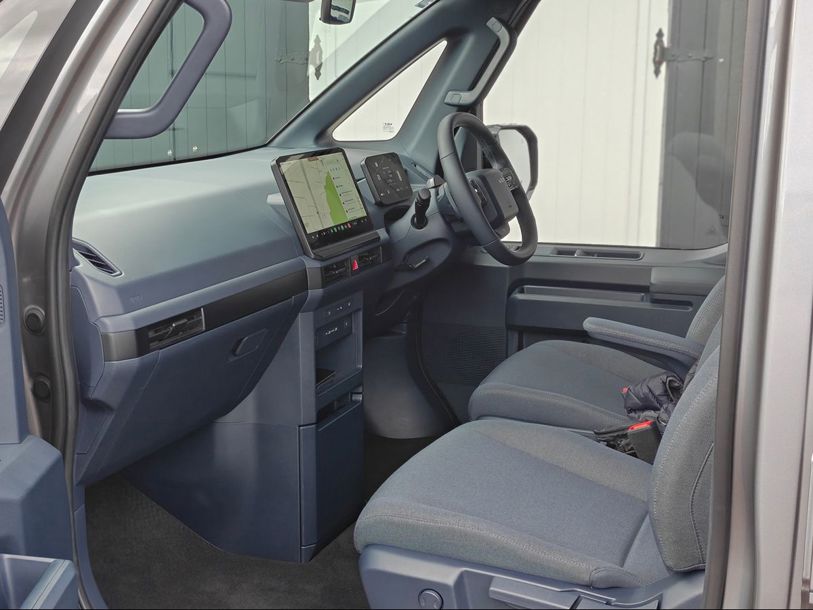
Step inside, and things become surprisingly conventional, especially when compared to some of Kia’s other electric offerings.
[On the road] is where the PV5 truly shines; it is genuinely possible to forget you’re driving a van and the ride quality is impressively refined, even when unladen.
The PV5 doesn't lean heavily on futuristic gimmicks - a reasonably sized touchscreen sits in the centre of the dash, but thankfully it doesn’t monopolise all the controls. A sensible scattering of physical buttons remains, and traditional stalks for the transmission, lights, and wipers are right where you’d expect them.
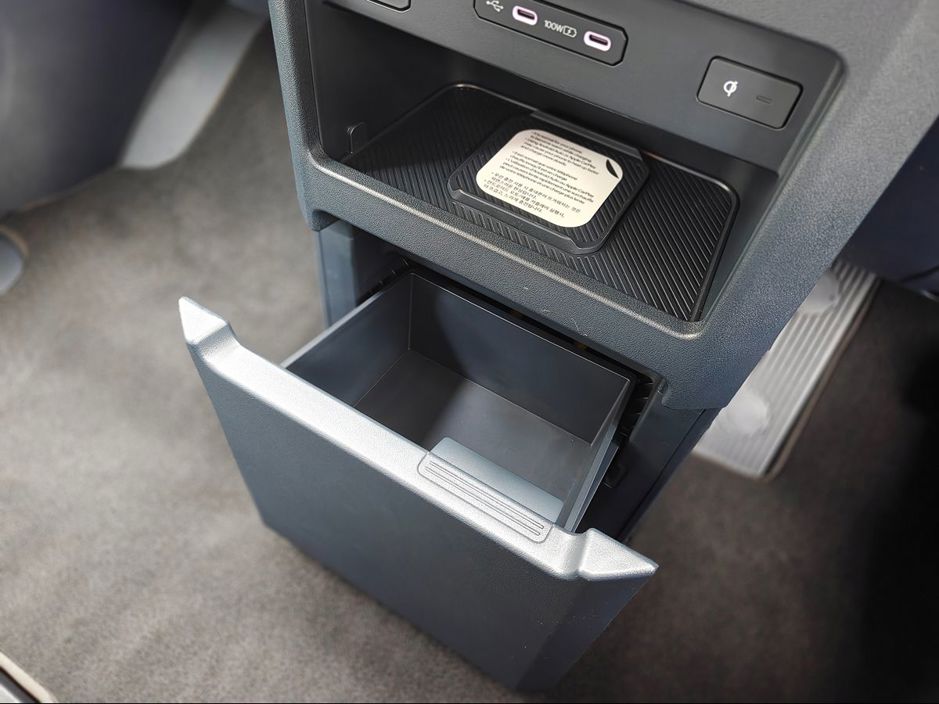
While the heating and ventilation controls are housed within the touchscreen, they are always accessible via a handy dock at the bottom of the screen, making them easy to adjust on the move, while the cabin is wonderfully practical, filled with countless storage cubbies and benefiting from a completely flat floor.
The seats are a highlight - fantastically comfortable and finished in a pleasant, hard-wearing fabric rather than faux leather. In this particular model, a solid divider separates the cabin from the cargo area, contributing to a remarkably quiet, refined, and car-like environment free from the usual van echoes and rattles.
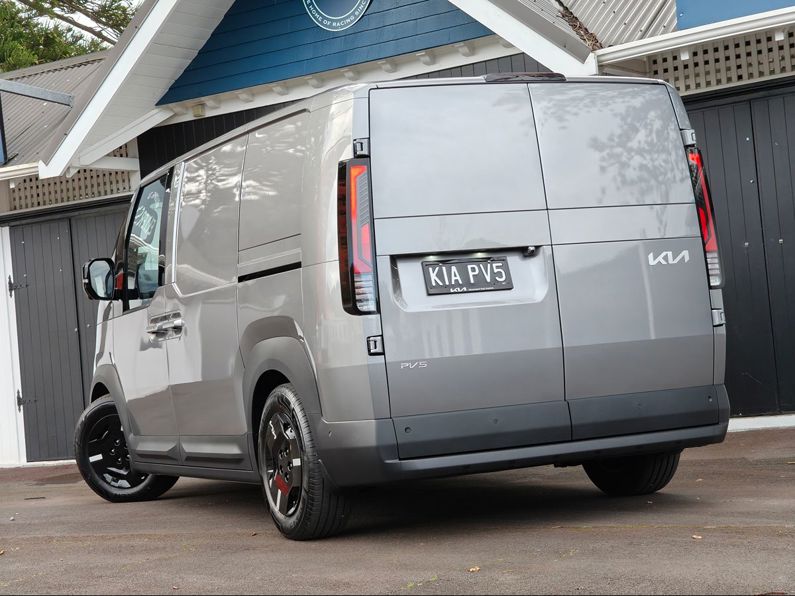
Special note also needs to be made of the PV5’s cargo space that, while down on its direct rivals in terms of capacity, significantly ups the game by being fully lined, with even the walls getting high-quality almost carpet-like ‘anti-scratch’ lining.
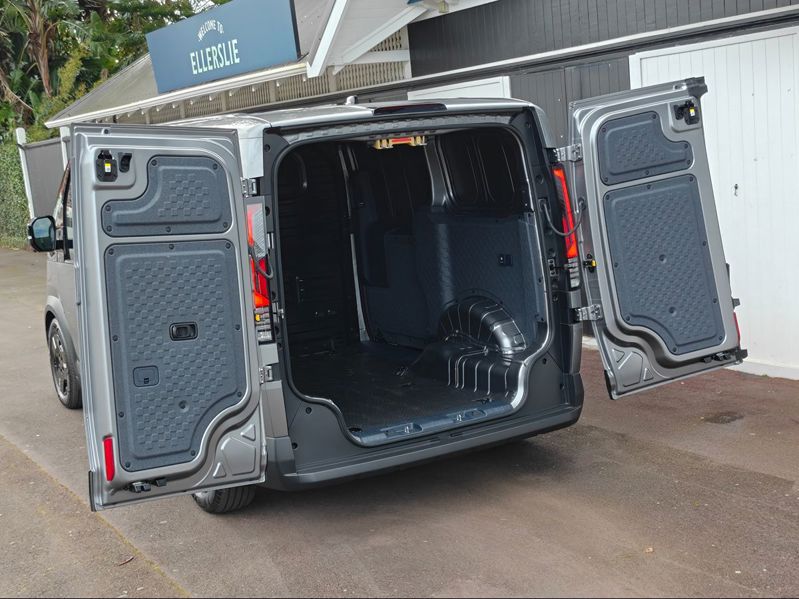
While being something that no doubt also contributes to the PV5’s refinement, this also places it a notch above the competition in terms of practicality, as does the other most notable feature of the rear - the super-low floor that has a height of just 419mm, giving it proper - and effortless - ‘step-in’ access.
INTERIOR
| Head-up display | No |
| Infotainment screen | 12.9 inches |
| Phone projection | Wireless Android Auto and Apple CarPlay |
| Wireless phone charger | One |
| USB ports | 2x USB-C |
| Climate control | Single zone |
| Front seat heating/ventilation | Yes/No |
| Front seat adjustment | Manual |
| Cargo capacity | 4.4 cubic metres |
| Rear seat split/fold | N/A |
| Power tailgate | No. Twin barn doors |
On the road: what's the Kia PV5 Cargo like to drive?
This is where the PV5 truly shines; it is genuinely possible to forget you’re driving a van and the ride quality is impressively refined, even when unladen.
It all combines to create a driving experience that is simply superb, making it arguably the best van to actually drive.
There’s a slight firmness from the rear suspension, which is to be expected for a vehicle designed to carry a load, but you get the sense that a bit of weight would settle it perfectly.
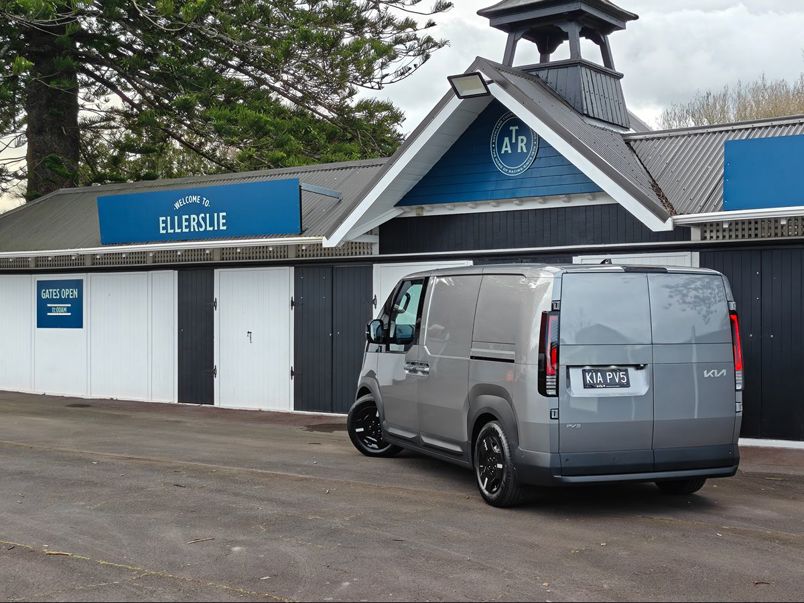
It handles less like a commercial vehicle and more like a well-sorted, modern SUV, and the low center of gravity - a common benefit of EV architecture - means it turns into corners sharply and with impressive control.
The steering is beautifully weighted, and the refinement is top-notch, while Kia’s driver-assist systems are also brilliantly implemented - they work quietly and subtly in the background, gently nudging you back into line rather than constantly beeping and screaming.
It all combines to create a driving experience that is simply superb, making it arguably the best van to actually drive.
SPECIFICATIONS
| Powertrain type | Electric |
| Battery | 71.2kWh |
| Power | 120kW |
| Torque | 250Nm |
| Transmission | Single-speed, FWD |
| Power to weight | 64kW/tonne |
| Adaptive suspension | No |
| Efficiency | 19.1kWh/100km (WLTP) |
| Range | 416km |
| Tow rating | 750kg |
On ownership: what's the Kia PV5 Cargo's warranty and servicing situation?
The PV5 comes with a 7 year/150,000 kilometre warranty, with an 8 year/160,000 kilometre warranty on its battery and 5 years of complimentary roadside assist. Service intervals are every 2 years or 30,000km service, with optional additional service plans available for purchase.
On the whole: what do we think of the Kia PV5 Cargo?
Overall, the Kia PV5 is a deeply impressive machine. It might come with a price tag that looks a little high next to some smaller, less refined competitors, but you are getting a vehicle that feels a noticeable cut above in every respect, plus the longer service intervals are something to factor in as well.
From its fantastic, car-like driving dynamics and superb refinement to its practical, comfortable cabin and striking design, it sets a new benchmark. It's a van that you could happily spend all day in, without ever feeling like you're in a commercial vehicle.
For anyone looking for the most car-like van experience available, the PV5 is easily the best van we've driven.
Kia PV5 Cargo FAQs
What kind of car is the Kia PV5 Cargo?
A mid-size cargo van.
Does the Kia PV5 Cargo have hybrid or EV technology?
Yes, the PV5 is fully electric with a 72.1kWh battery and a WLTP range of up to 416km.
What’s the energy economy of the Kia PV5 Cargo?
The PV5 has a combined consumption of 19.1kWh/100km under the WLTP test cycle.
Is the Kia PV5 Cargo safe?
The PV5 gets a Platinum commercial vehicle rating from ANCAP, with an overall score of 91 percent. It features driver and front passenger airbags, as well as front side thorax/pelvis and curtain airbags, and a front centre-side airbag
What safety and assistance features does the Kia PV5 Cargo have?
| Intelligent lights | Automatic LED |
| Rain sensing wipers | Yes |
| Airbags | 7 |
| Adaptive cruise control | Yes |
| Driver attention monitor | Yes |
| Traffic sign recognition | Yes |
| Forward collision warning | Yes |
| Blind spot warning/assist | Yes/Yes |
| Lane departure warning/assist | Yes/Yes |
| Rear cross traffic alert/braking | No |
| Reverse collision braking | No |
| Parking sensors | Front, rear and side |
| Camera system | 360 degree |
What are the Kia PV5 Cargo's main rivals?
- Volkswagen ID. Buzz Cargo ($105,990): Similar cargo capacity (3.9m3) and cool vibes, but that price...
- Ford E-Transit Custom ($98,900): Bigger cargo capacity (6.0m3) but a much bigger price tag.
- Ford Transit City ($TBA): On its way, but likely to undercut the Kia and have a larger capacity.
- Farizon SuperVan ($72,990): Bigger (6.95m3), but also more expensive.
- Farizon V7E ($55,990): Bigger(6.95m3), but cheaper...


