



Increased interest in the eco-car space and an influx of new brands into New Zealand has resulted in some pretty hot competition among budget models. Buyers now have a wide choice of technology and we’re reaching a point where there’s price parity between petrol and electrified, even among entry-level models.

Passionate car people waste a lot of time arguing about which eco-powertrain technology is “right”, but in reality there’s a place for everything right now, as the world gets to grips with so much change.
What follows is a list of 12 of our favourite eco-focused small cars, deliberately chosen to represent a mix of hybrid (HEV and MHEV), plug-in hybrid (PHEV) and battery electric (BEV) powertrains… arranged in order of price. Oh, and there’s a pure-ICE car too; they're still a big thing, you know.
Suzuki Swift
The Suzuki Swift is a legend: the most privately purchased vehicle in NZ for the last 20 years and something of a classless small-car. People from all walks of life drive Swifts.
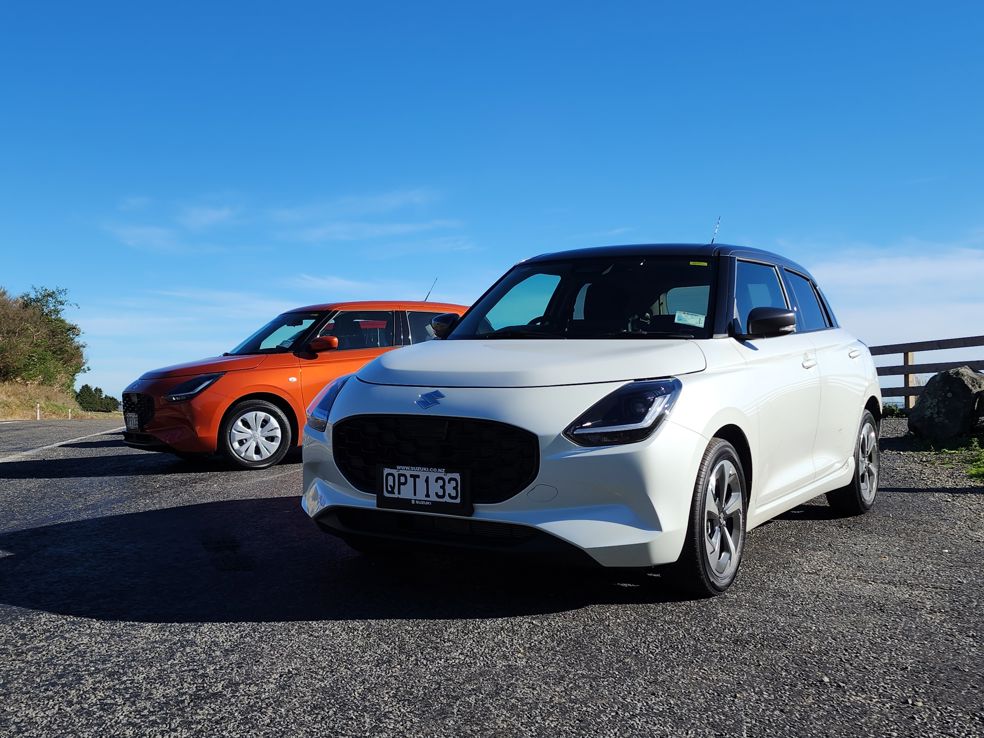
The latest model embraces hybrid technology across the range. It’s in a very mild form, with 12-volt power and no electric motor to drive the wheels, but the car is astonishingly thrifty anyway. Just be aware that it requires 95-octane fuel.
Swift has had some safety issues, scoring only one star with ANCAP at launch but uprated to three stars from September 2025. Okay, but still not great.
It’s a fun, feel-good small car and, remarkably, there isn’t a model over $30k in the range. Suzuki still even offers a manual transmission.
Chery Tiggo 4 Hybrid
The petrol Tiggo 4 is a lot of small SUV for the money. You can buy the 1.5-litre model for as little as $24,490 and it’s loaded with technology, including a cabin with twin 10.25-inch screens. It’s an impressive budget package.
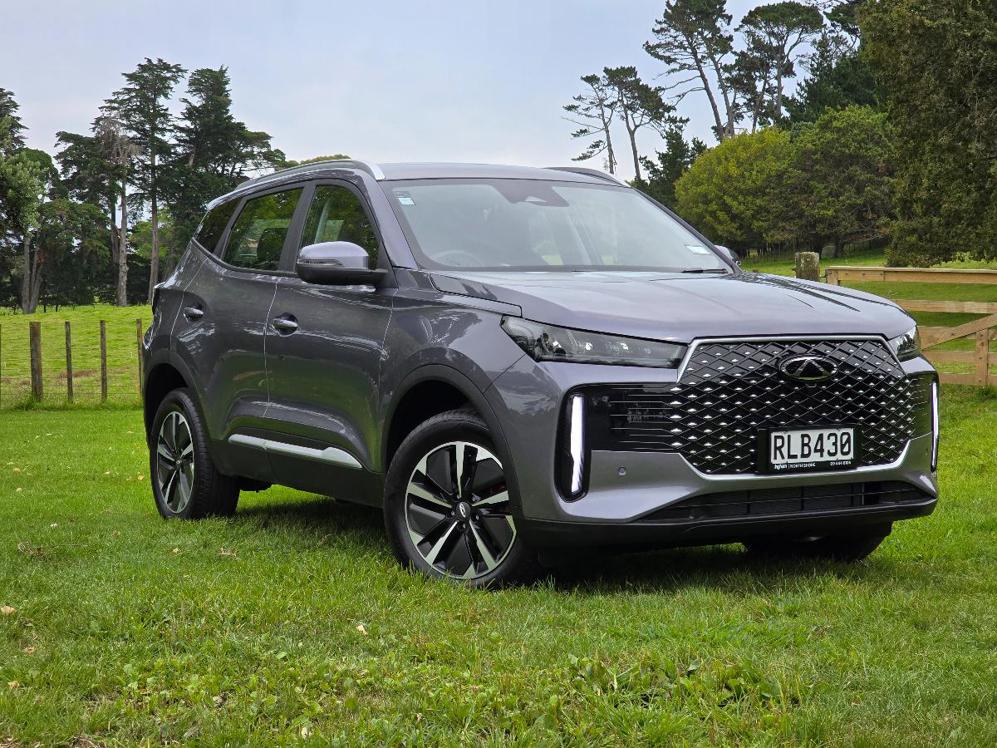
But we wouldn’t necessarily call it “eco”, with a Kiwi fuel economy rating of 8.2l/100km. So here, we’re sticking to the hybrid version. It’s quite a bit more expensive, but it boasts sophisticated super hybrid-type technology with a powerful 150kW electric motor and a dedicated hybrid transmission. It’s a very… electric-focused hybrid.
The official 6.0l/100km doesn’t look groundbreaking on paper, but we’ve found that once you get the hang of how the hybrid system works, you can easily get into the 5l-bracket.
BYD Atto 1
BYD’s baby has been one of the most talked-about new EVs of 2026. It’s a truly tiny city car, less than 4m long, but has impressed us with its distinctive style and perky personality.
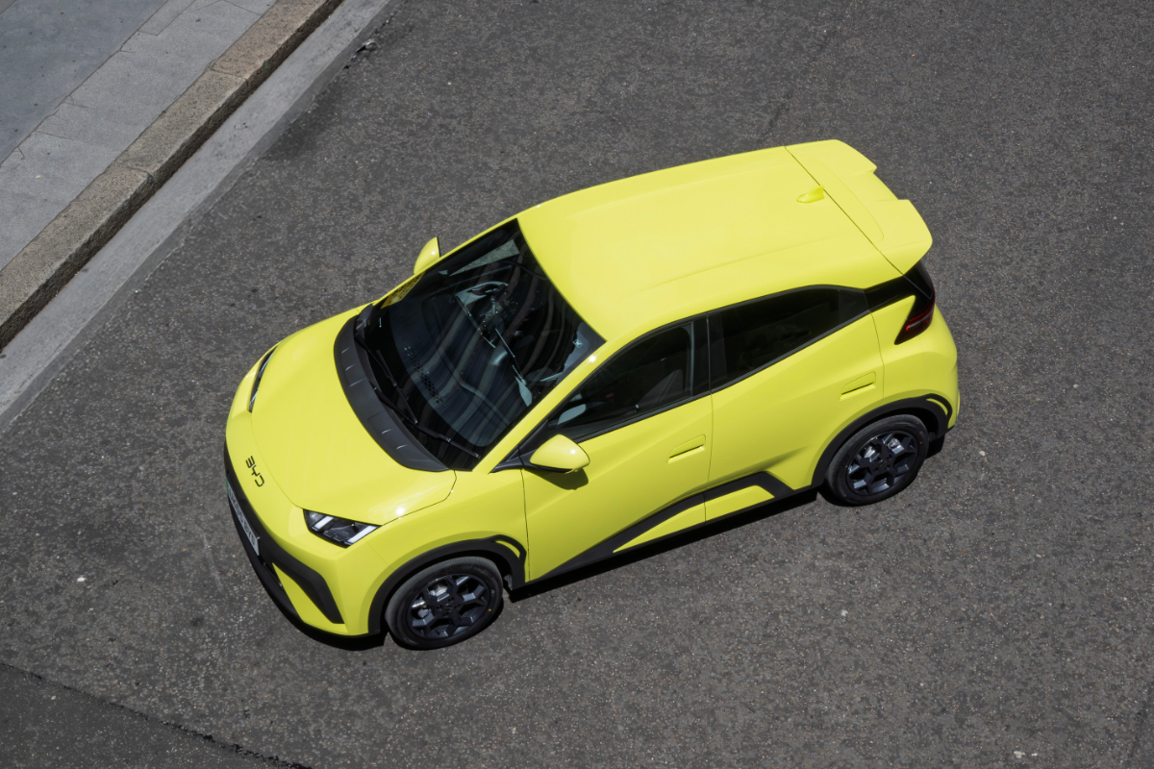
The Essential version is just a snip over $30k, although it has a much smaller battery than the more expensive Premium - and a whole lot less power, 65kW versus 115kW.
We’ve reviewed both and the cheaper model still feels pretty sprightly. But if you can afford it, the flagship model does offer a nice package of extra equipment. And speed, more speed.
Geely EX2
Geely is moving down into the budget-EV sector with the new EX2, which combines jellymould styling with a cheerful character and lots of cabin space/practicality.
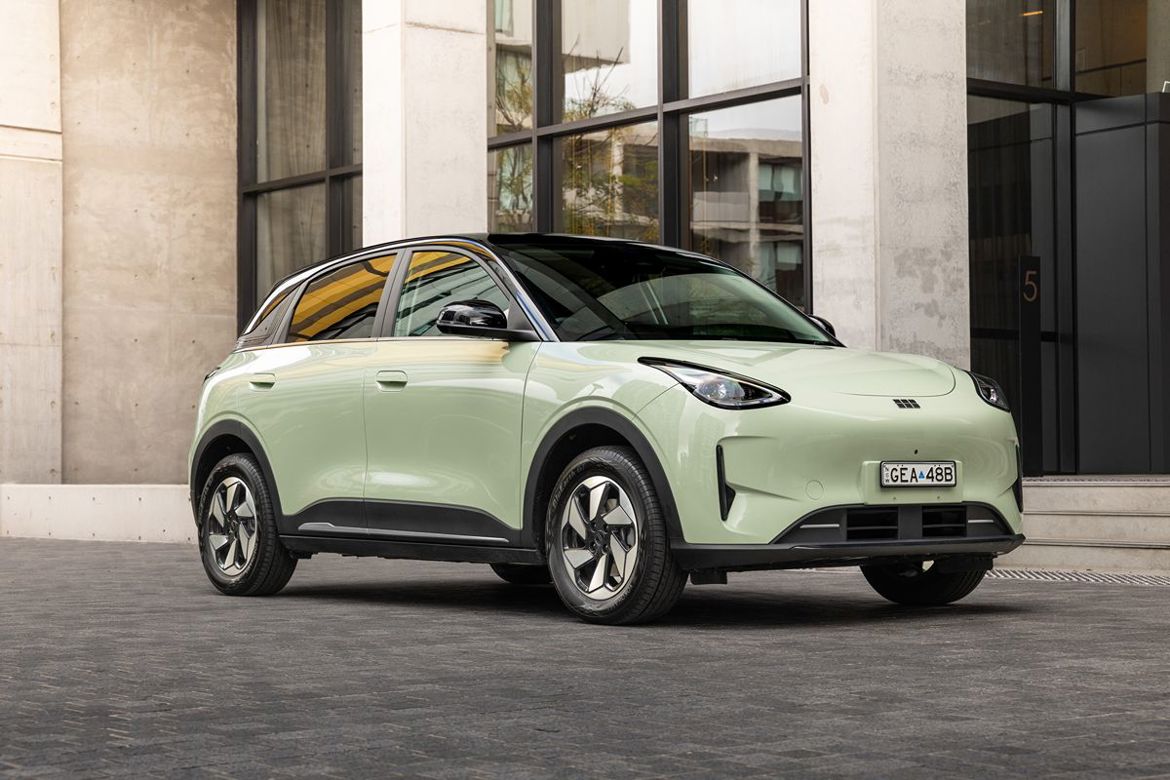
It’s relatively sophisticated underneath, with an 11-in-one drive unit for motor and control systems, liquid cooling for the LFP battery, rear-drive and multi-link rear suspension.
We’ve only driven the more powerful Inspire version. You can save $5k with the entry-level Complete, but we’d say approach with caution. It steps down from an 85kW motor to 60kW, and the smaller battery delivers just 252km range. You’re getting a lot of extra substance with the Inspire.
Toyota Yaris
The Yaris Cross SUV has overshadowed the little Yaris hatchback in recent years. You can in fact buy a Yaris Cross for just under $40k, but we still much prefer the hatch: it’s an honest little machine, it’s fun to drive and Toyota’s hybrid technology combines with this car’s light weight for astonishing fuel economy figures.
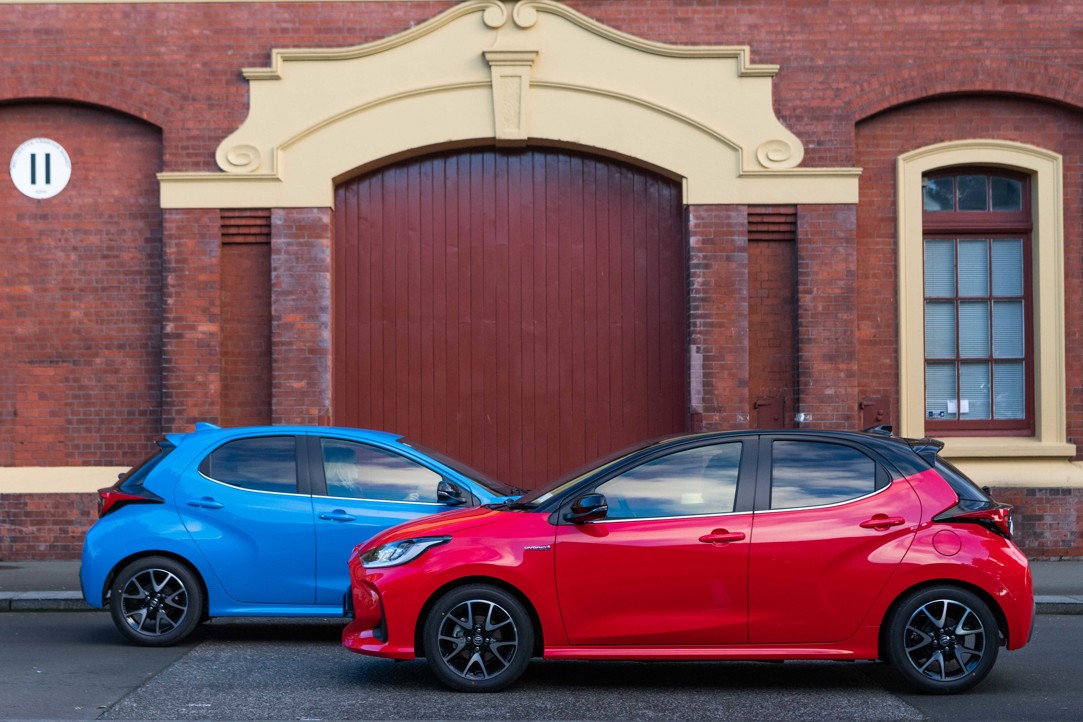
Even the official number is 3.1l/100km and that’s entirely achievable; on a recent open-road run in a Yaris we returned 3.5l/100km, and that’s in a type of driving not at all kind to hybrids.
Yaris is not especially cheap in this company; the entry GX in particular looks and feels pretty basic. But where it counts, this is a quality product.
Honda Jazz e:HEV
Honda did a lot to mainstream complex range-extender hybrid technology with the Jazz. You don’t plug in the e:HEV powertrain, but it does operate mainly in electric drive. The petrol engine is primarily used to generate electricity, although in certain circumstances it can also drive the wheels.
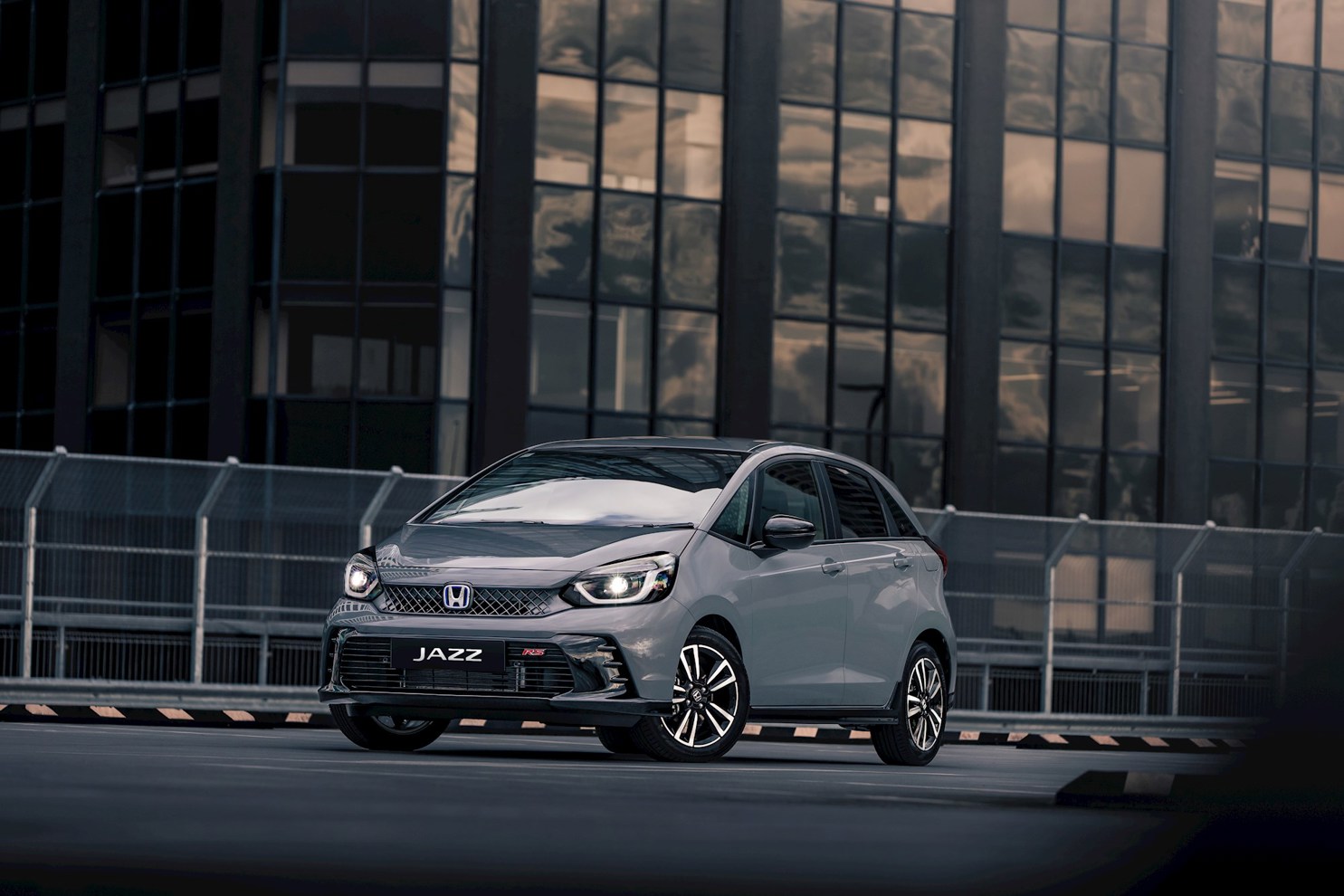
The Jazz remains a thing of packaging genius. There’s a 90-degree field of vision from the driver’s seat and Honda’s legendary Magic Seat setup in the back, with seats that fold and flip every which way.
There’s still a Jazz with a conventional ICE powertrain, the SUV-style Crosstar, but the e:HEV includes sporty(ish) RS and Luxe models for under $40k.
Ora 5
The Ora hatchback is no more in NZ. Now we have the Ora 5 SUV, which has similar styling cues, but it’s bigger and more sophisticated.
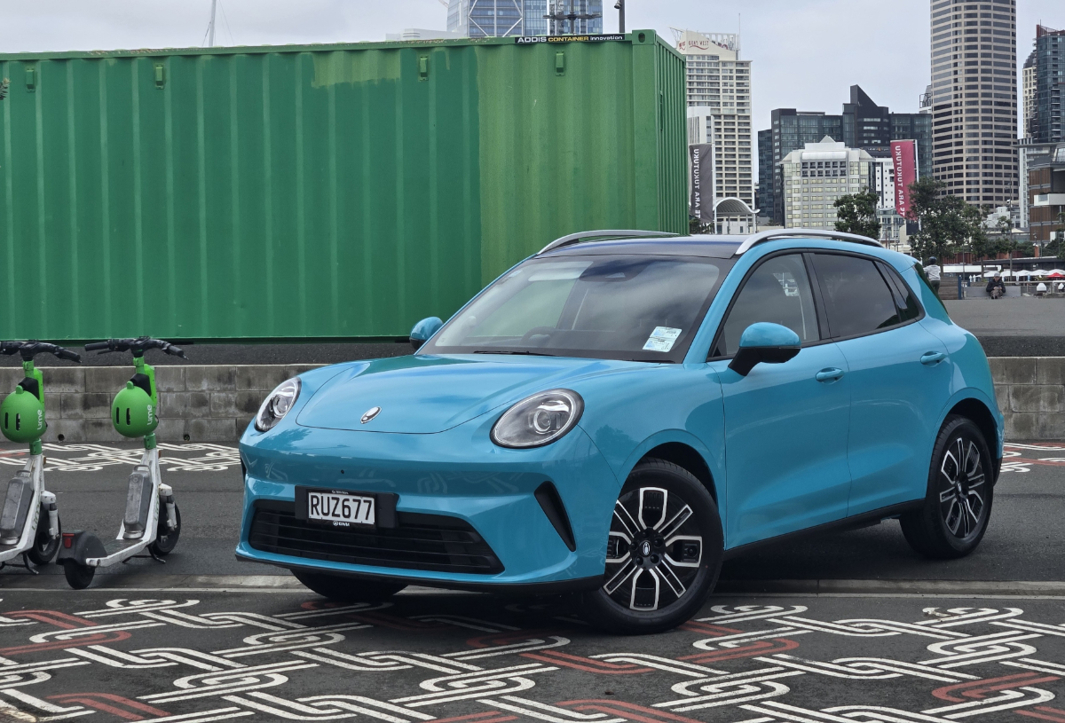
This model is on the larger side of compact. It also feels quite grown-up in terms of quality and equipment. In fact, the top Ultra model is positively luxurious and still sneaks in under our $40k budget… just.
There’s a healthy 150kW/260Nm on tap, but the Ora 5 is also nicely calibrated to deliver that power and torque in a smooth and controlled way. The level of refinement, the cabin size and a 400km-plus range mean it can also tackle longer trips comfortably.
MG4 Urban
MG rather confused us all with the MG4 Urban, which shares its name with the original MG4 but is in fact a totally different car: new platform, hatch rather than SUV, front-drive not rear-drive. Oh, and it’s cheaper… but actually bigger.
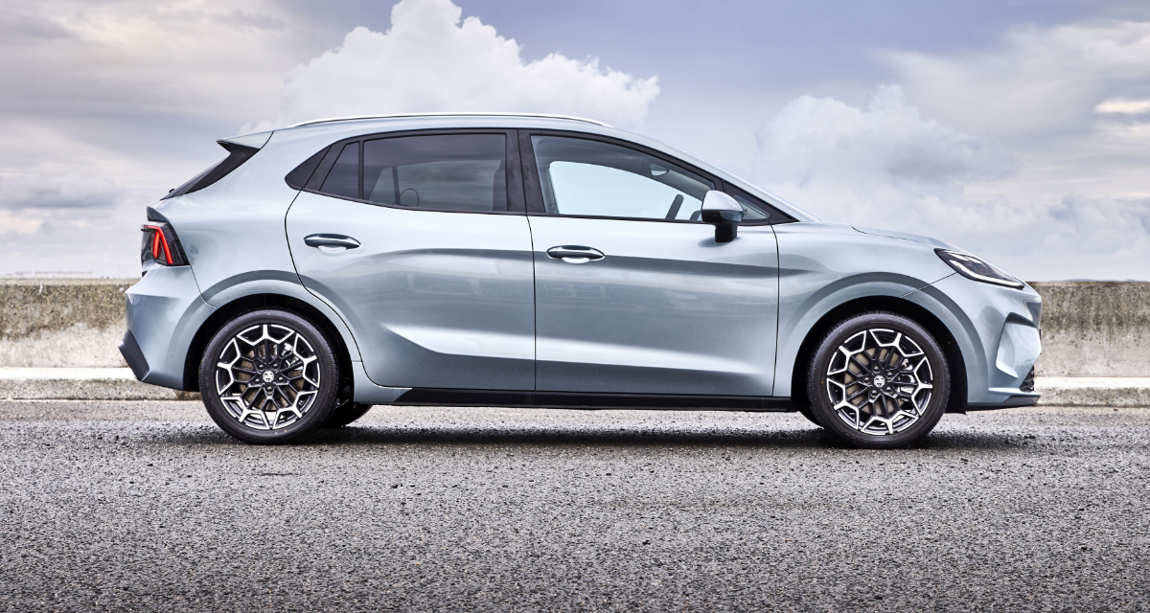
Oh well. It’s a really good city vehicle, with incredible interior space and a pleasant driving character, save a ride that we reckon is a bit lumpy for this kind of car. It’s packed with equipment and we’re big fans of MG’s Pilot Custom function, which allows you to default to your chosen ADAS settings with one touch.
Forthing Taikon PHEV
The Taikon is notable for being the largest model in our list (it’s almost medium-sized, in fact) and boasting a plug-in super hybrid powertrain that can deliver a remarkable 183km EV-only range.
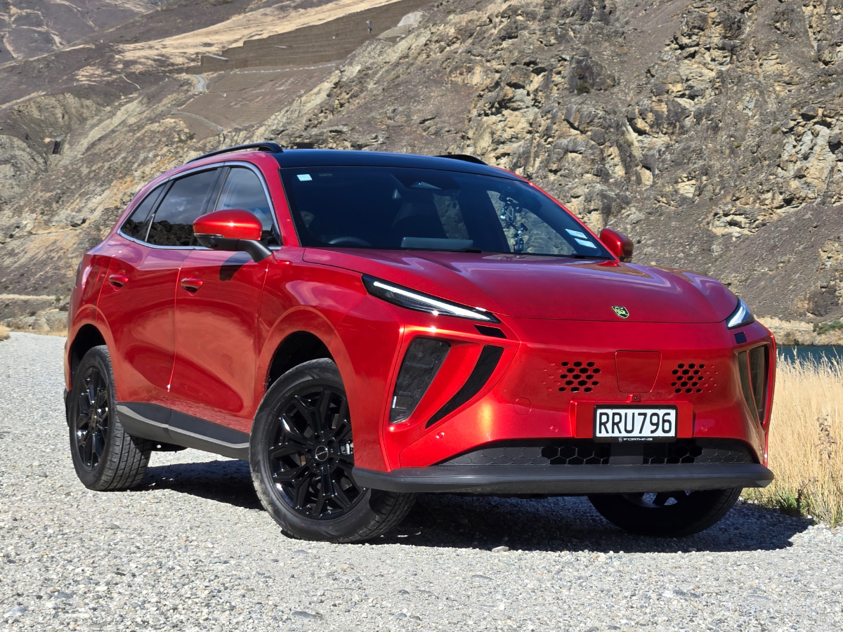
It’s also rear-drive with multi-link suspension, which is mainly interesting because its Taikon EV sibling (which is above our budget here, starting at $42,990) is front-drive with a torsion beam at the back.
In truth, we reckon the EV is a more rounded and more perky feeling machine. But you cannot argue with the PHEV’s metal-for-your-money and impressive range.
GAC Aion UT
The GAC brand has been one of the big surprises of 2026 so far for us. The Aion EV range in particular, which combines individual style with impressive quality and driving dynamics.
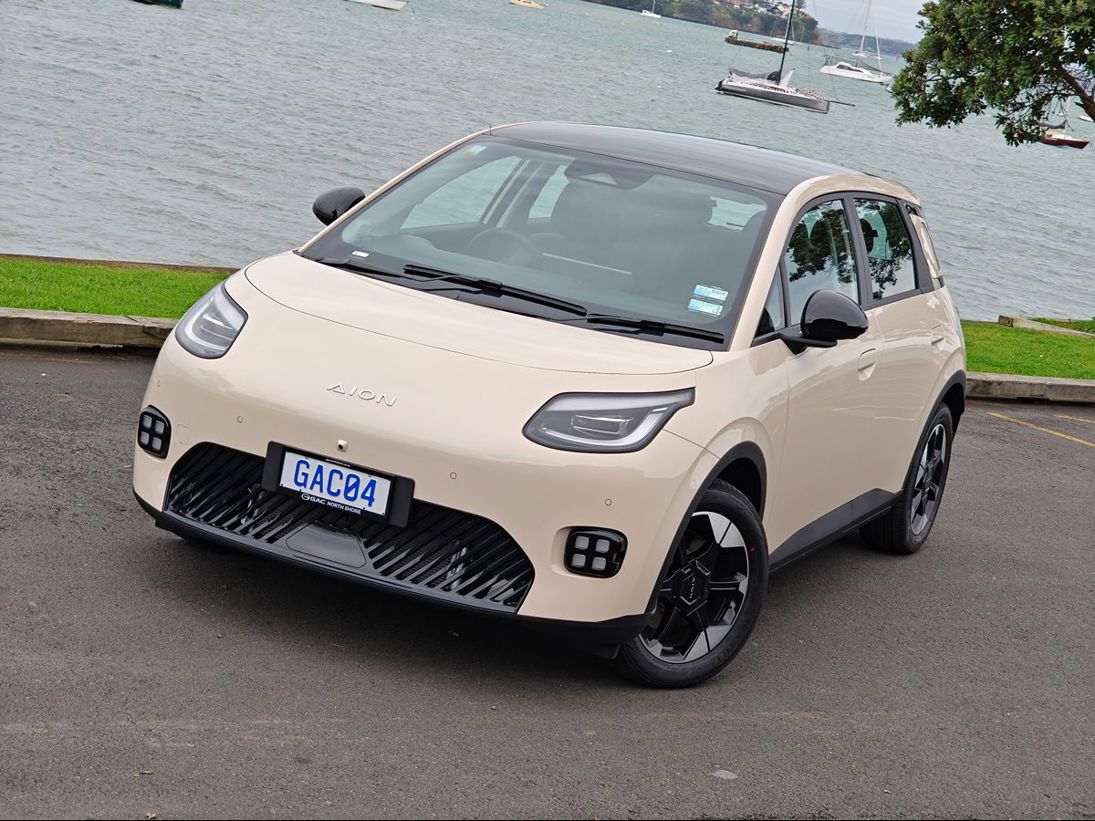
The Aion UT is not as affordable as some rivals, but it’s also not as small as it looks (4.3m long) and there’s a real sense of polish in the way it’s built, and the way it drives.
Leapmotor B10 Ultra Hybrid
The B10 is another super hybrid PHEV that just sneaks in under $40k – as long as you opt for the entry Life specification and stick with Light White, because every other colour (including the Dawn Purple you see here) is extra-cost.
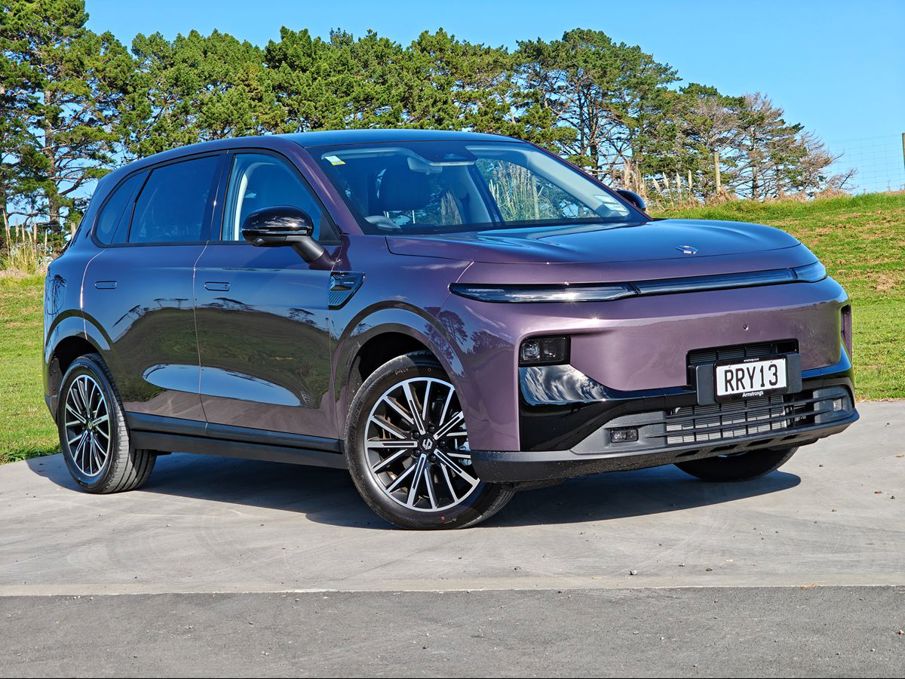
But it’s an impressive car, more small-medium than compact, and the range-extender powertrain (the petrol engine never drives the wheels) works well. There’s also a pure-electric B10, but that's above our budget at $44,990-$49,990.
Leapmotor has another eco-option on the way, the smaller/cheaper/cuter B03X EV ($37,990-$42,990). We haven’t driven that one yet, but stay tuned.
Wild card: Kia Picanto GT Line
It’s been a long time since we’ve driven a Kia Picanto. But it’s always been a great-looking, fun-to-drive baby hatch and with the 1248cc engine it’s officially a “1250”, old-school-style.
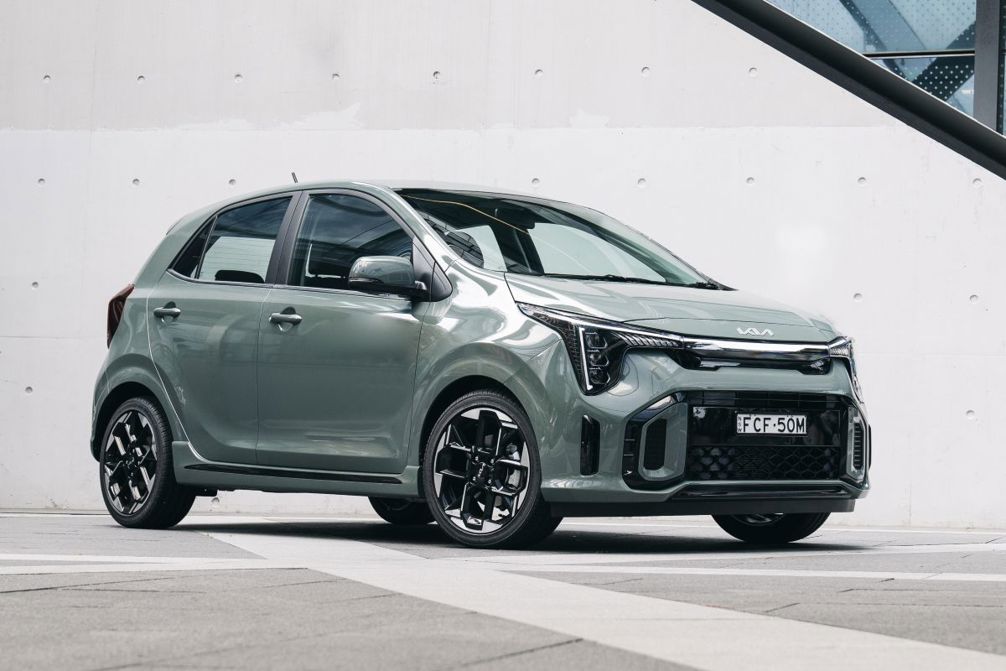
It’s ICE-only and with a four-speed automatic, the on-paper fuel economy figure is not its standout feature. But it’s not bad, and for a car that’s not likely to do many kilometres, the rock-bottom purchase price for the dressed-up GT Line makes it a contender.