



What's this new car all about then?
Well, we knew we couldn't get too far into 2026 without another new automotive brand entering the New Zealand market. Meet Forthing ("Forward thinking design"), a sub-brand of China's state-owned Dongfeng. It's being distributed here and in Australia by Ateco Automotive, and just to clarify - it's totally separate to Dongfeng in the Kiwi market, which is distributed by a different company altogether.
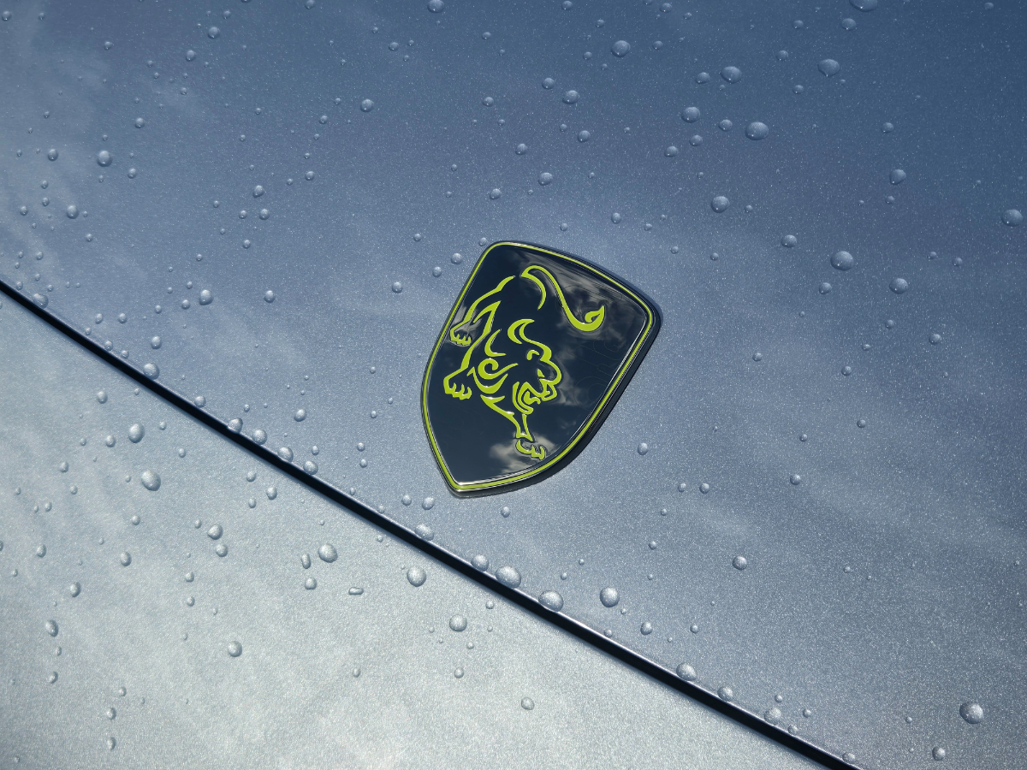
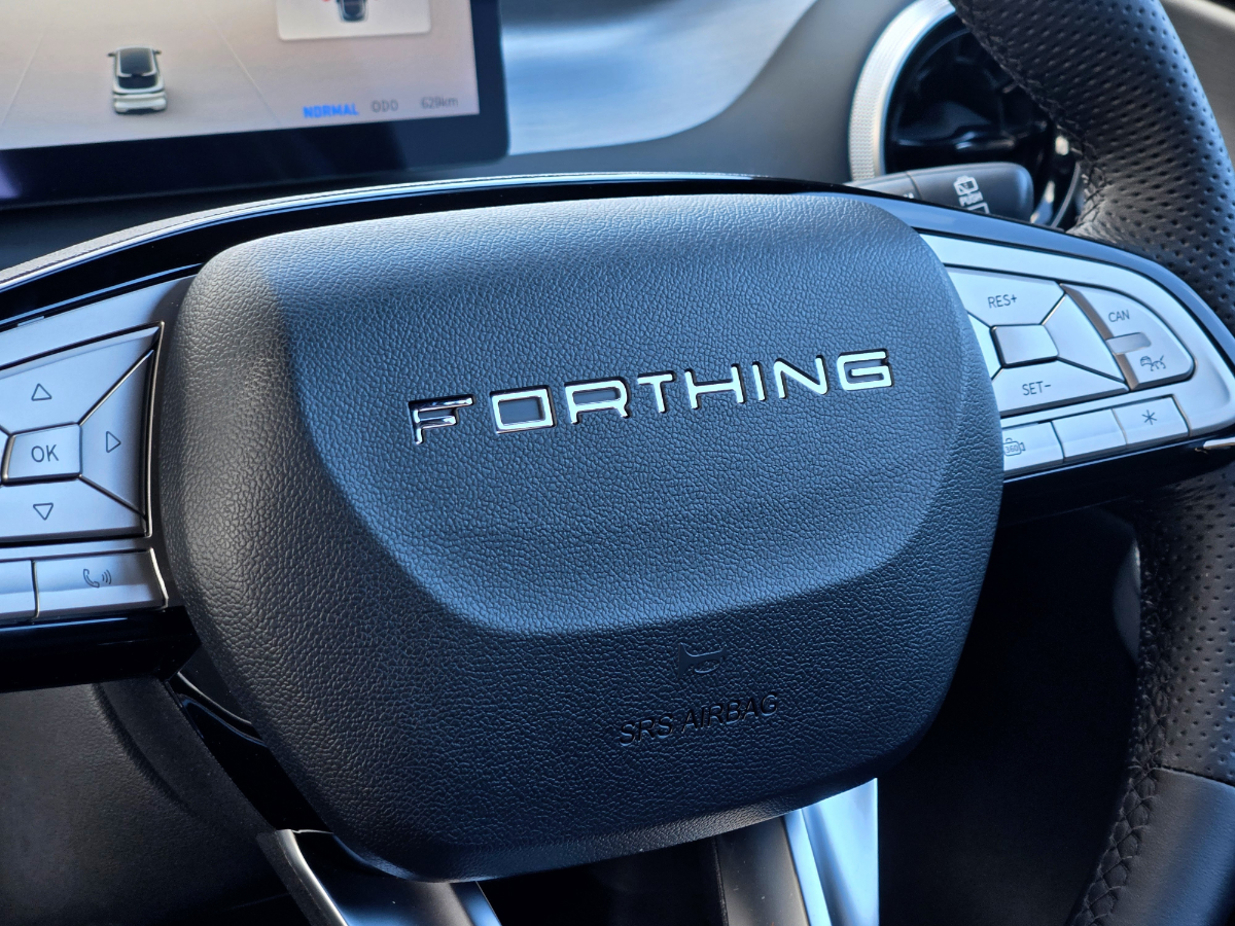
The beginnings of Forthing stretch back over 70 years, including manufacture of heavy vehicles, but the name and the brand as we see it here (including that Peugeot-like badge) were launched in 2016.
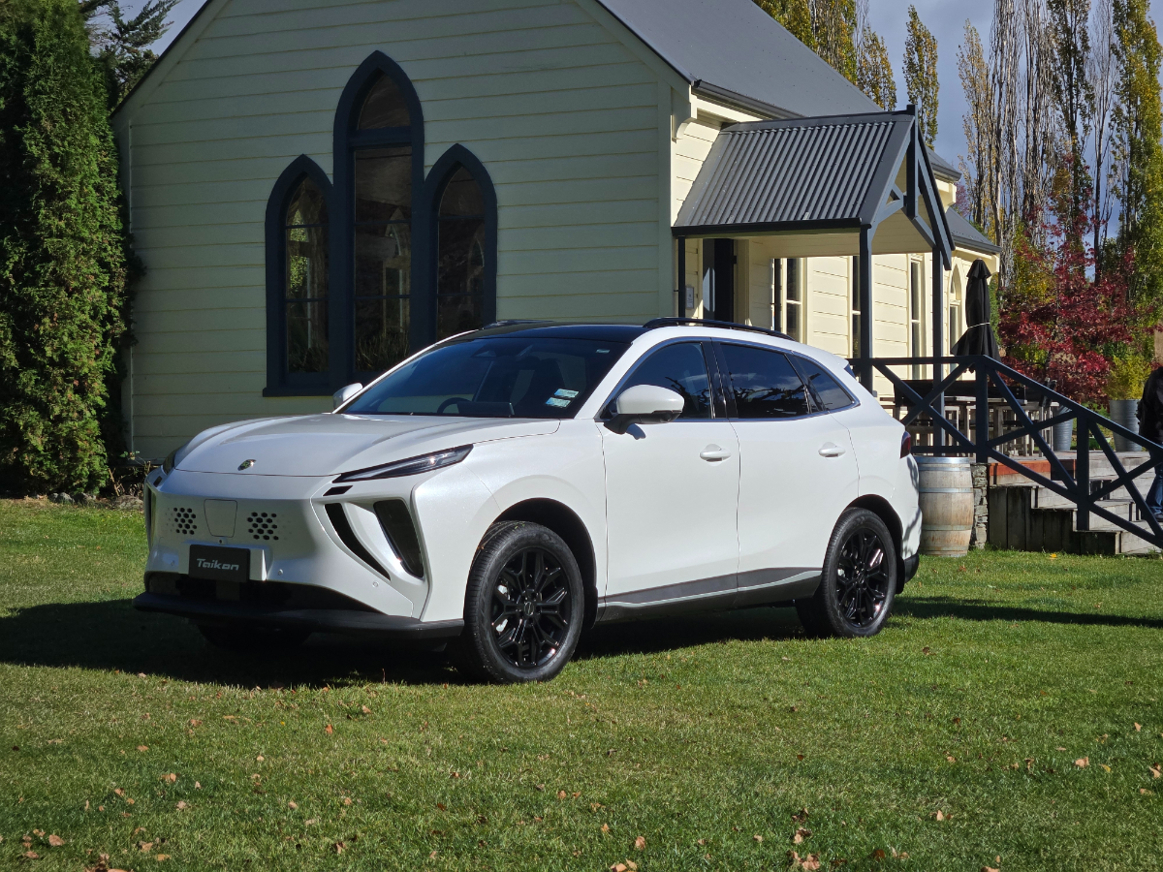
Taikon (a "taikonaut" is a Chinese astronaut) is the first Forthing model for New Zealand, although definitely not the last. Forthing NZ is promising another two this year, and more to follow in 2027. Whatever they may be, they're likely to have a bit in common with Taikon, given it rides on the brand's new-generation modular platform.
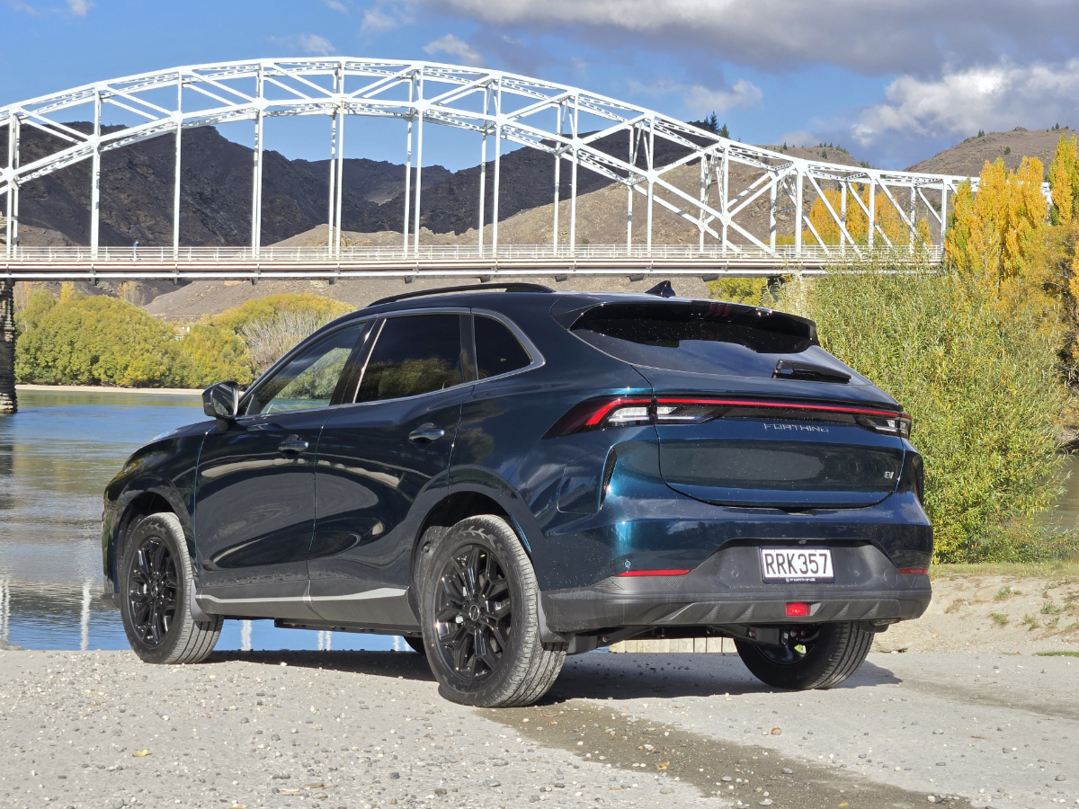
It looks quite compact thanks to the short overhangs and coupe-like roofline, but Forthing emphasises Taikon is a medium-size SUV: same length as a Toyota RAV4, slightly shorter than a Nissan X-Trail or GWM Haval H6.
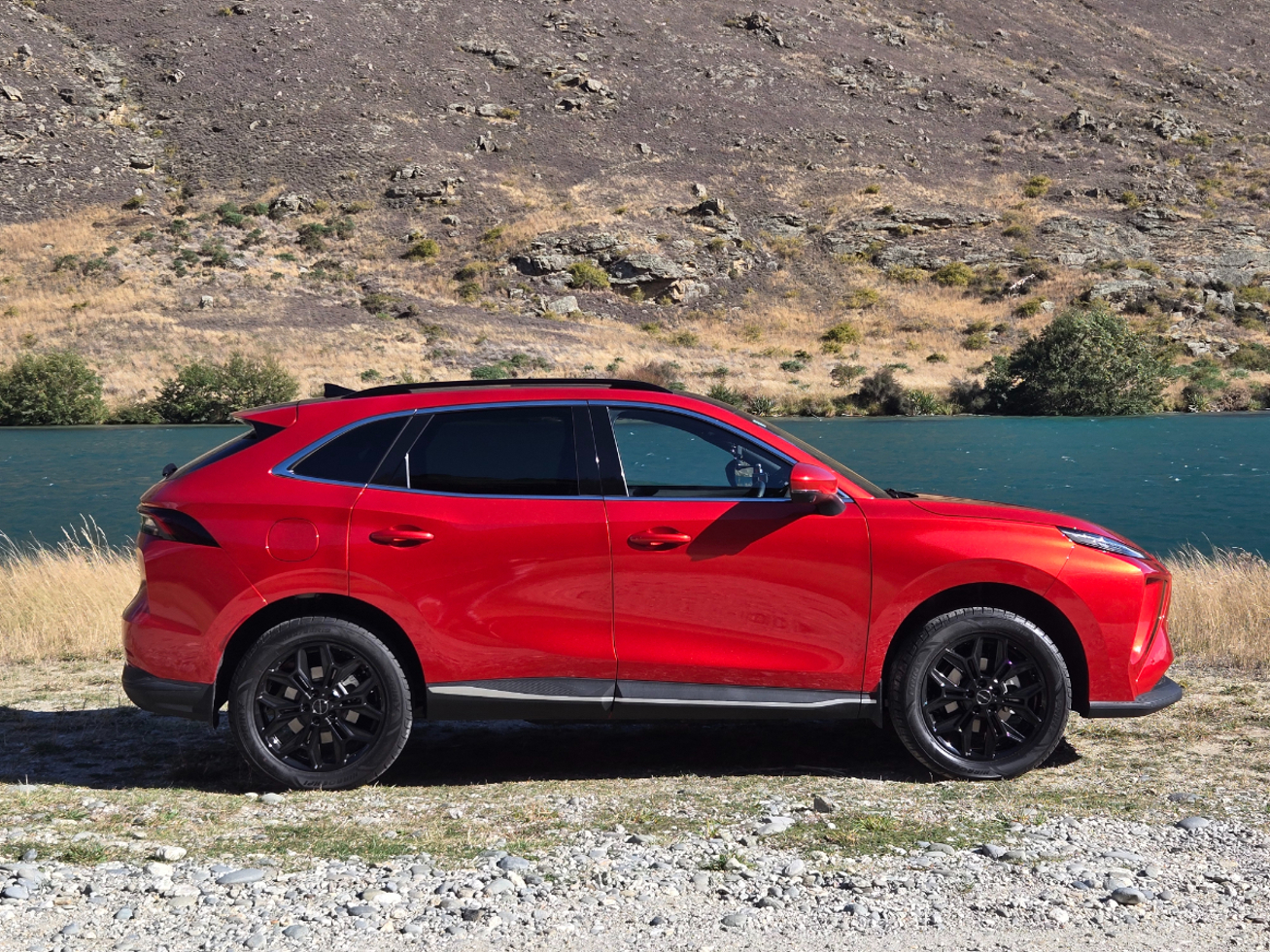
It's all about electrification. Taikon is being offered with two powertrains. The first is a super hybrid that matches a 1.5-litre petrol engine with a 31.94kWh plug-in LFP battery (DC fast-charge capable up to 120kW) that gives an impressive 180km electric range (WLTP) and more than 1000km overall in hybrid mode. The second is a full battery-electric model with a 64.4kWh power pack (also max charge rate of 120kW) that gives 400km range.
Taikon (a 'taikonaut' is a Chinese astronaut) is the first Forthing model for New Zealand, although definitely not the last. Two more are promised this year.
Both powertrains are available in Luxury or Exclusive specifications.
Forthing has already kicked off with four NZ dealers: a new standalone showroom by Smith Motor Group in Panmure, Auckland, Winger Motor Group in Hamilton, Automarque in Wellington and Euromarque in Christchurch. More are promised on Auckland's North Shore, Tauranga and Dunedin.
For two models that are outwardly so similar, the super hybrid and EV are very different cars.
While there's a relatively sporty look to the Taikon, general sales manager Todd Groves says it's really all about mainstream buyers and value for money: "We want to push value and high quality, because this is the first car on the journey; we want to build the brand for the future.
"We’re not trying to be anything we’re not; we’re not trying to be premium, we’re not trying to be technology-advanced or anything like that. It’s about providing value for money into the market."
Which brings us to the next bit.
How much is it?
The Taikon super hybrid and EV models are each available in Luxury or Exclusive specification. The hybrid is slightly cheaper at $39,990 for the Luxury or $44,990 in Excusive trim.
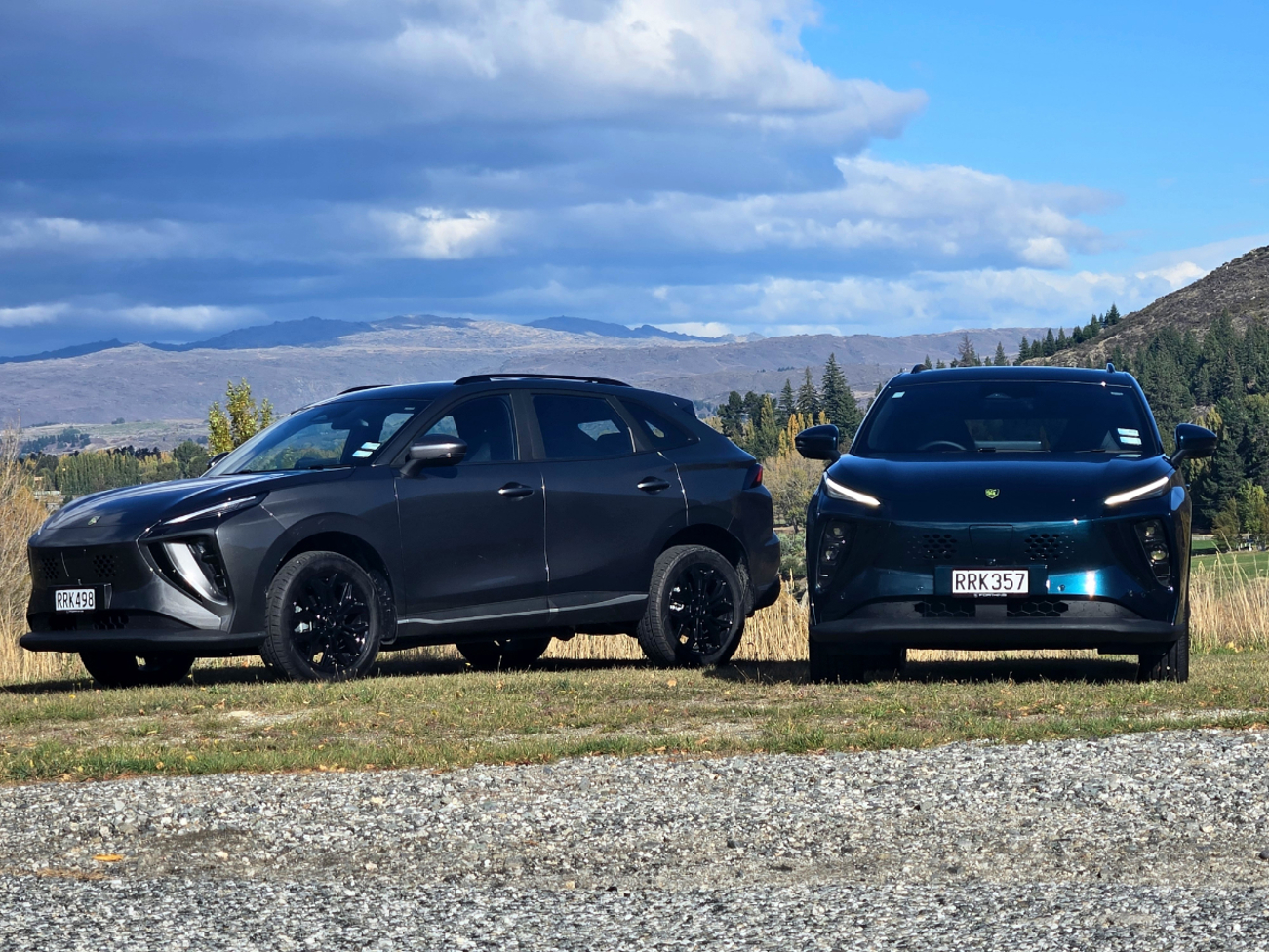
There's a $3k step up for the EV, which is $42,990 as a Luxury model or $47,990 for the Exclusive.
On the surface, the Taikon super hybrid looks like a no-brainer over the EV. And yet, it's a different story on the road.
Powertrains aside, there's not actually a huge difference in equipment between Luxury and Exclusive. The higher-end model picks up LED indicators, panoramic roof, a higher-definition camera with 360-degree coverage, front parking sensors, auto-fold mirrors, 50W wireless phone charger, upgraded audio, auto window closing on rainy days, cargo blind, power tailgate and privacy glass.
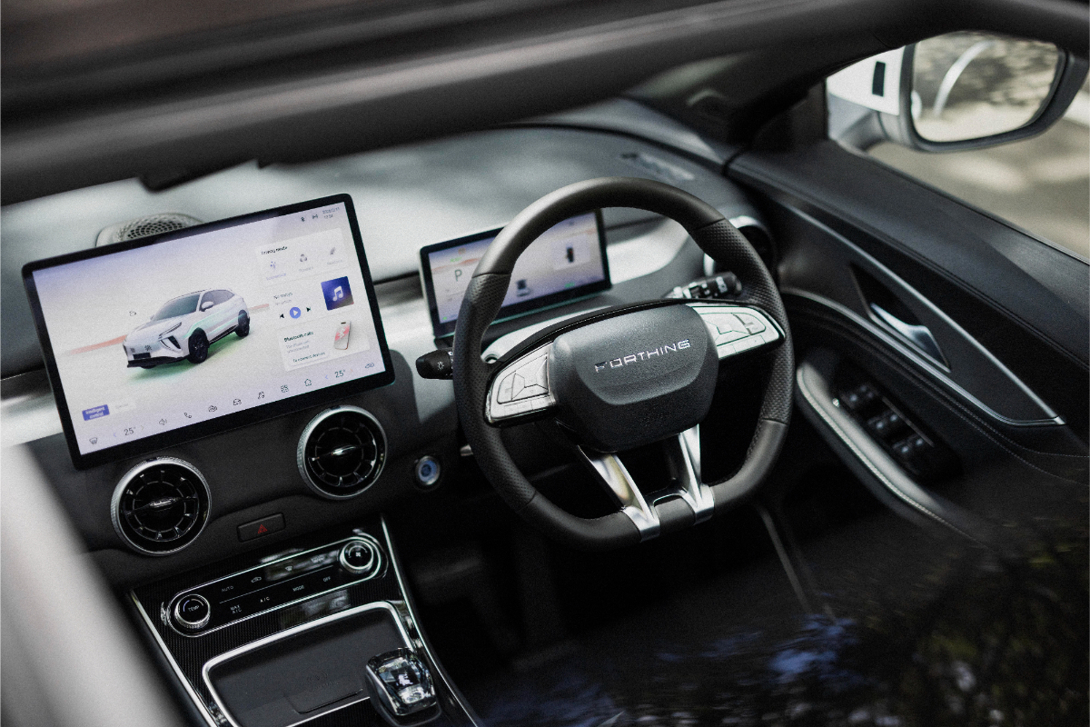
But for $5k extra? We reckon there are enough comfort/convenience features in the Exclusive package to make it worthwhile.
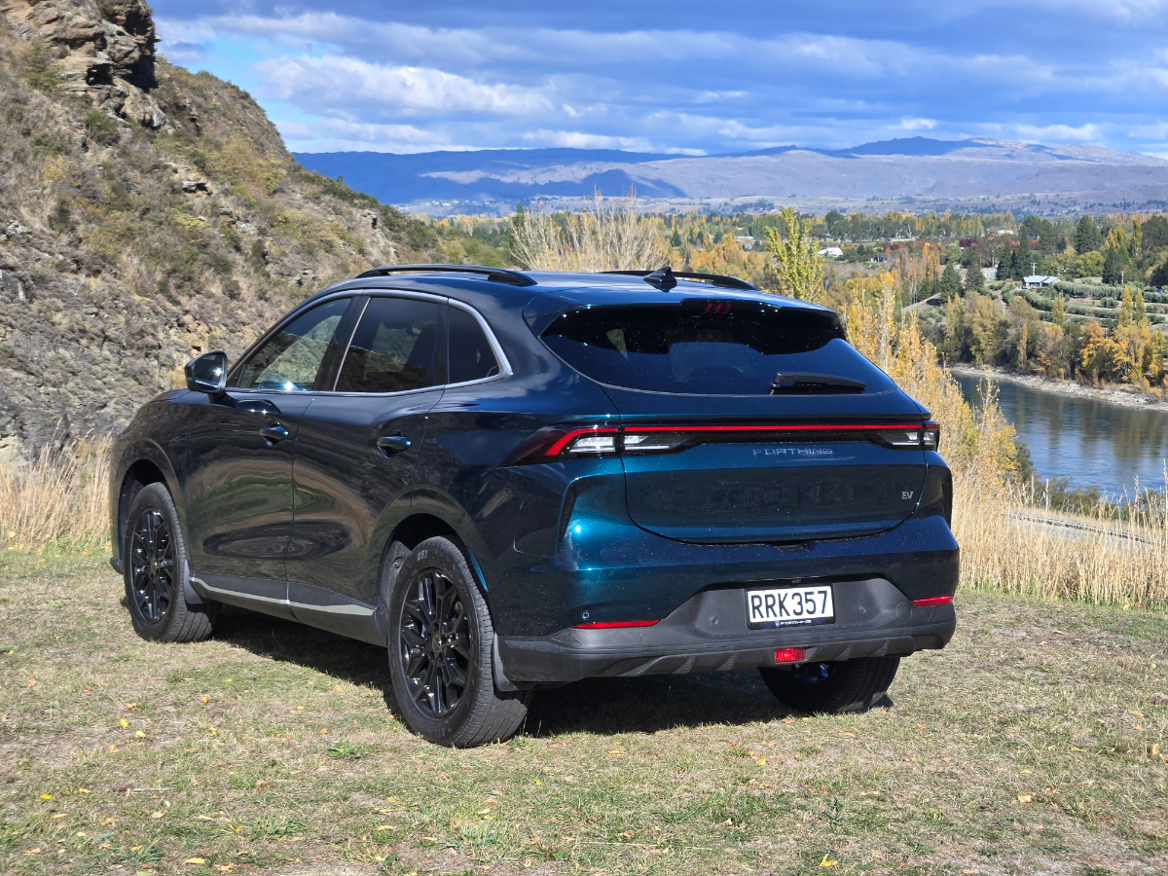
There are eight colour choices for Taikon – Pearl White, Black, Light Blue, Granite, Atomic Red, Jade Green, Sandstone and Amethyst. There's an extra $495 charge for anything other than white.
What's it like to drive?
For two models that are outwardly so similar, the super hybrid and EV are very different cars.
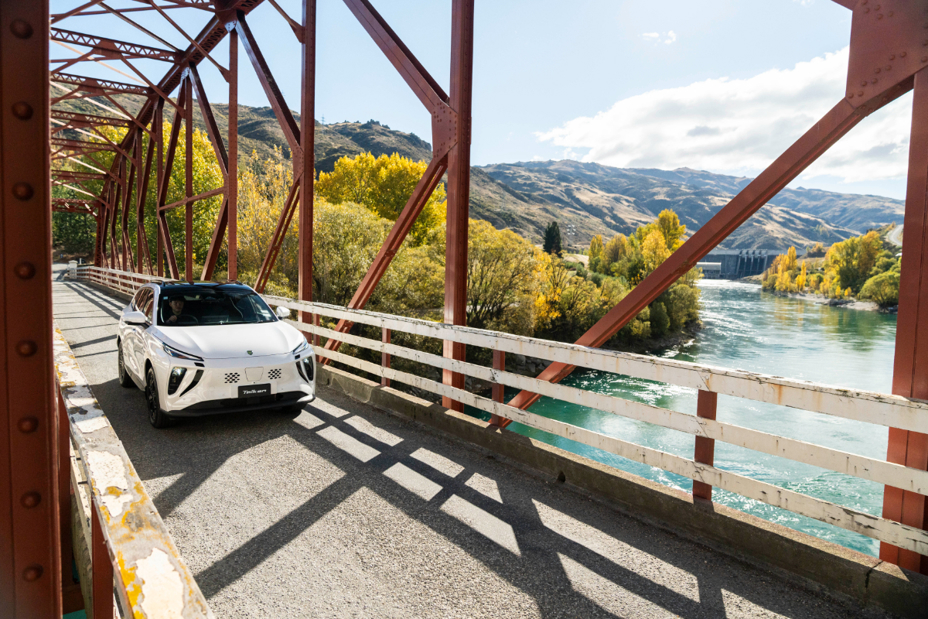
The super hybrid operates essentially as a range extender (the petrol engine never actually drives the wheels) and is configured as a rear-drive car, with a single 120kW/240Nm motor at the back. The rear suspension is a independent multi-link setup, which is notable for reasons that will become clear.
The EV is front-drive with a 150kW/240Nm motor, same basic platform but with a less sophisticated torsion beam rear suspension.
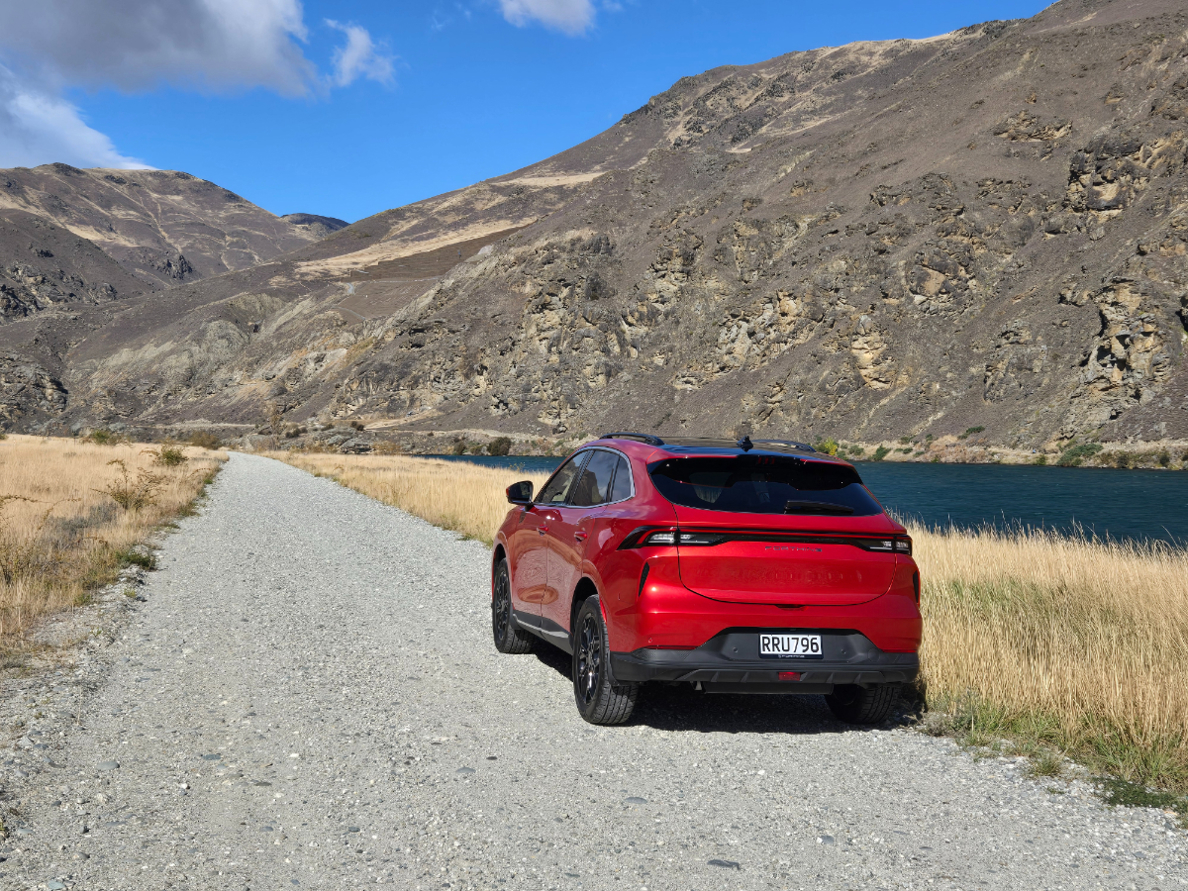
The reason for the differences in configuration are not entirely clear, but it's presumably to do with packaging of the powertrain components and weight distribution. Plus achieving the right "handling characteristics" for each model, says Forthing NZ. Like we said, not entirely clear.
Performance-wise, the super hybrid is very measured indeed. There are different drive modes available, but even in Sport there's a distinctly linear character to the power delivery. The acceleration builds at an even pace, even foot-flat with everything turned up to 11.
Neither are supposed to be performance cars of course, but the EV leaps off the line much more enthusiastically and has that extra bit of punch in reserve when you want it for overtaking.
Steering, ride and handling feel pleasingly mature in either model. The steering has a bit of substance and can be adjusted for weight via the infotainment screen, while the chassis seemed to soak up the Central Otago roads used for the launch drive with no issues.
The EV (FWD, remember) can still get a bit of wheelspin-on under power on wet roads, but on a constant throttle through a tight corner there's decent grip and directional stability in either model. The twist-beam suspension doesn't seem to have an adverse effect on the EV's handling compared to the super hybrid, perhaps due to the extra weight of the battery sitting further back. Perhaps there's method in this curious mechanical divergence after all.
The driver assists seem pretty well sorted. Features with the potential to be overly intrusive, like lane-assist, can be set for less sensitivity and once you do that, they stay that way even when the vehicle is restarted.
The ADAS package is comprehensive, although e-call and driver distraction are currently absent. This would prevent the car getting a 5-star ANCAP rating (it's yet to be tested), but Forthing says both features will be added in the next 6 months.
Also missing right now is remote app connectivity and the facility for over the air (OTA) updates.
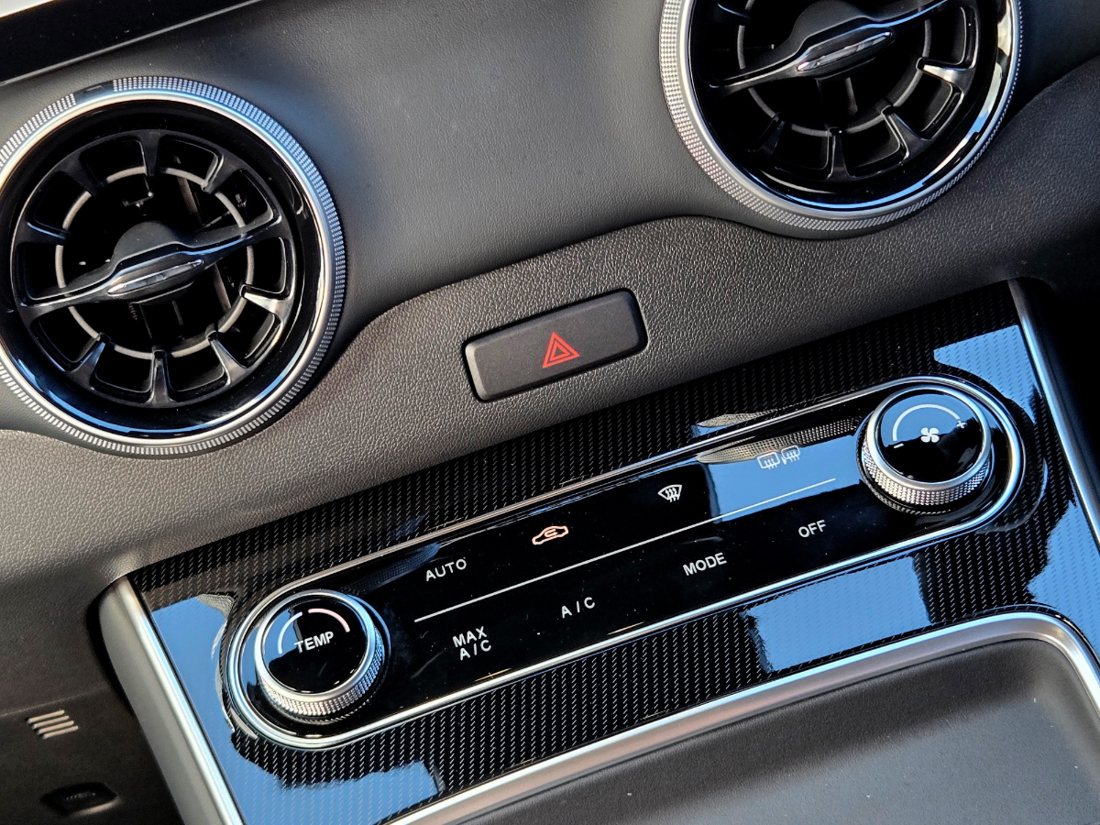
In the cabin, there's plenty of hard plastic in evidence but the styling, fit and finish is still quite impressive. Forthing is another Chinese brand that's stepping back from the obsession with putting every control into the infotainment screen. It still has a large 14.6-inch display, but there are also lots of pleasingly tactile elements; like the massive ventilation outlets that turn with a satisfying click, or the panel of physical buttons for the climate control.
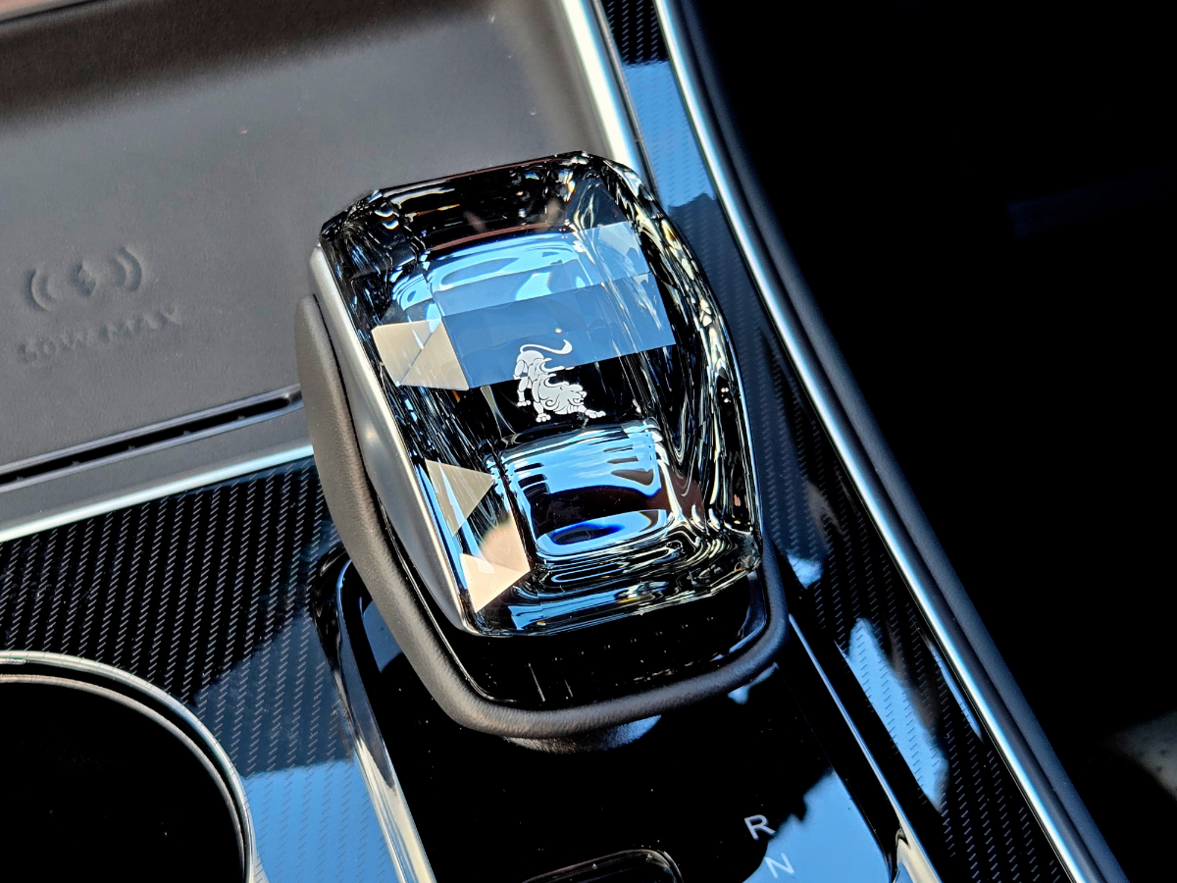
If you must have a bit of bling, there's a very ornate crystal-style gear selector with an illuminated Forthing lion badge nestled inside.
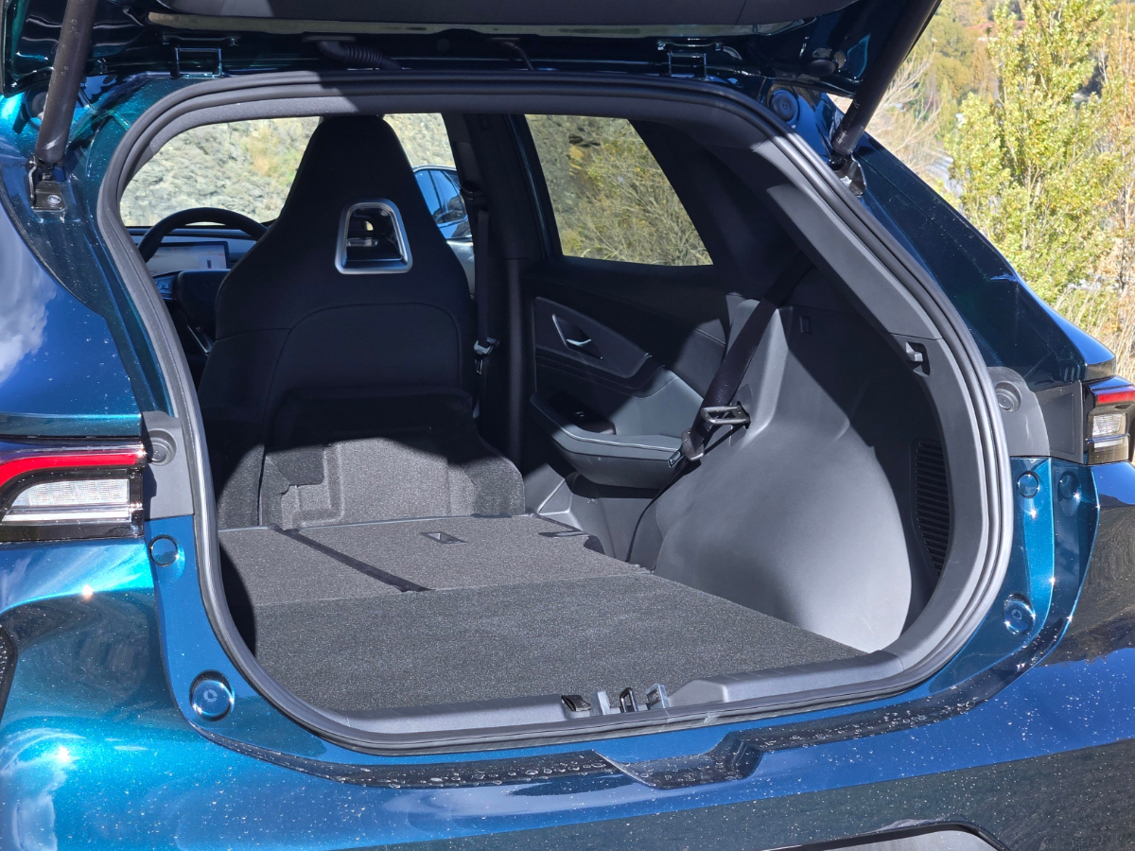
While it's not strictly in the driving department, the Taikon's cargo configuration is worthy of note. The 541-litre boot is pretty good anyway, but the seat-folding mechanism goes old-school in the best possible way: the rear-seat squabs tilt and pivot forward, allowing the seatbacks to fold totally flat. That's quite a rare feature these days.
What’s the pick of the range?
On the surface, the super hybrid looks like a no-brainer: the massive 180km range means you could drive it as an EV most of the time, yet still be free of range-anxiety if longer trips loom, it's rear-drive as opposed to front-drive for the full-EV, it has more sophisticated rear suspension and it's $3k cheaper. Running on 91-octane is a plus.
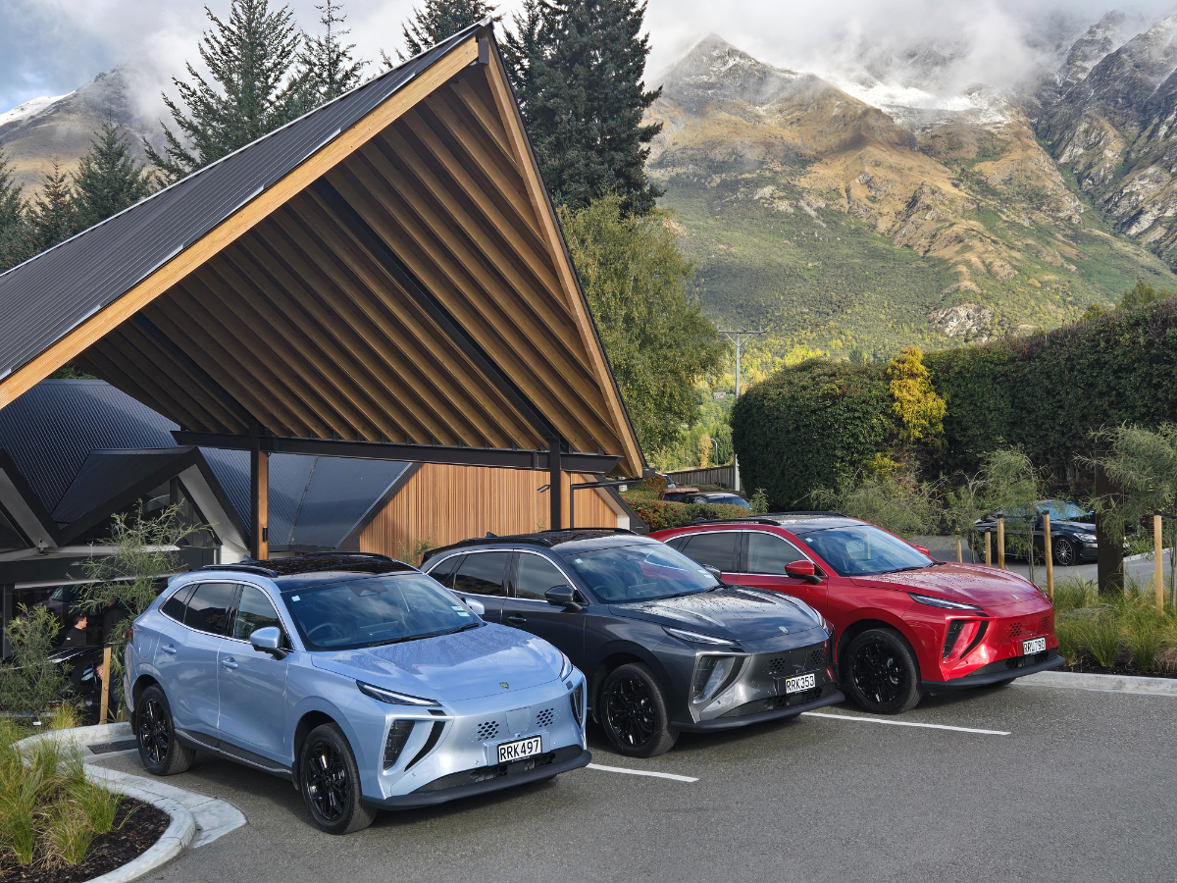
And yet. Drive them back-to-back and the difference in power delivery is quite dramatic. The super hybrid isn't super-slow, but nor can it provide a burst of acceleration when you really want it (even in Sport mode). It's very much a slow-burn, building speed gradually.
The full-EV feels perky by comparison, providing lively off-the-line acceleration and that all-important bit of extra punch when you want to overtake.
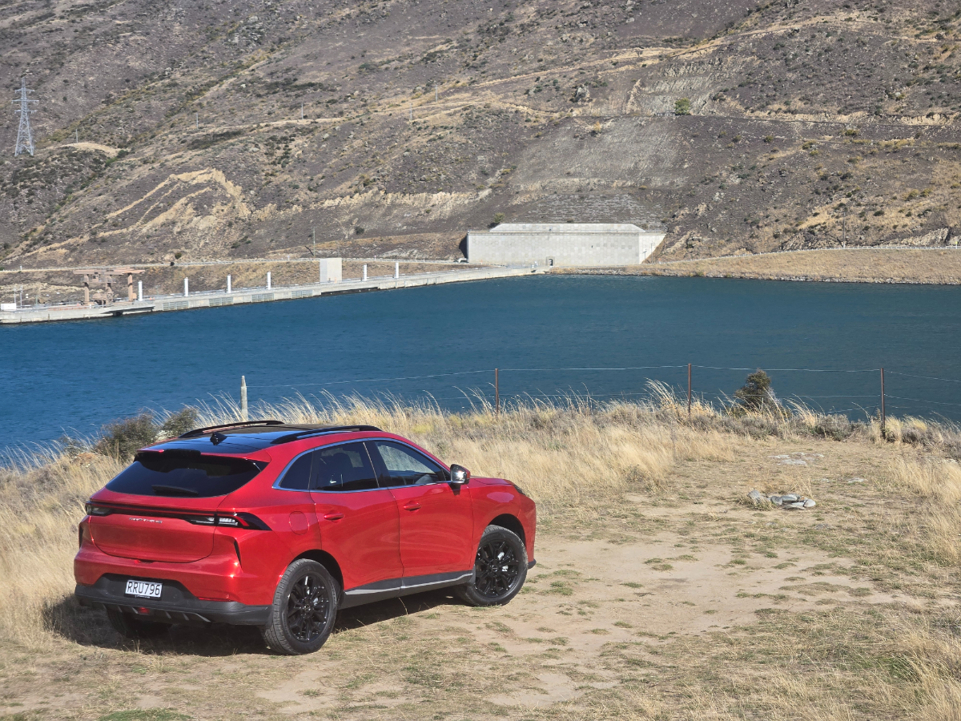
Try both before you buy, because they are very different. But our pick would be the full-EV in the top Exclusive specification. It might be the most expensive Taikon you can buy, but at $47,000 it's still a bargain by class standards.
What other cars should I consider?
There are a couple of other models that offer the choice of extended-range hybrid and pure-electric powertrains. The Leapmotor C10 is $49,990 in Ultra Hybrid plug-in form or starts at $54,990 as an EV. But it's bigger and more expensive than the Forthing.
Geely has a twinset of Starray EM-i super hybrid ($45,990-$49,990) and EX5 EV ($49,990-$56,990) models; they're not exactly the same cars, but they're close.
Beyond that, if we put a cap of $50k on things you might also consider super hybrids such as the BYD Sealion 5 ($42,990-$48,990), Chery Tiggo 7 CSH ($42,990-$46,990) or Jaecoo J7 SHS ($46,990).
On the pure-electric side of things, there's the (smaller) Omoda E5 at $36,990-$40,990, BYD Atto 2 ($39,990-$45,990), Jaecoo J5 ($42,990) or Leapmotor B10 ($44,990-$49,990).
We'd argue the closest EV on sporty looks and price is the MG S5 EV ($44,990-$50,990). But it's also a little smaller and a little more expensive than the Forthing.
The Taikon does look like a lot of car for the money: it's essentially a medium-sized electrified SUV at compact-SUV prices.