



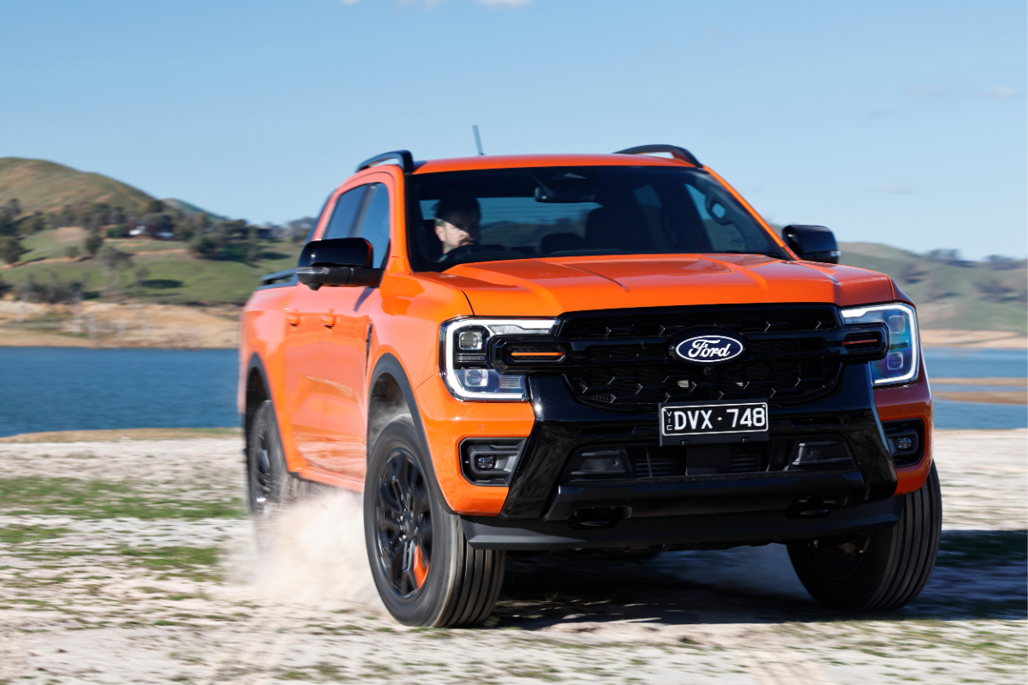
What are these new cars all about then?
In the early days of the Australian-developed Ford Ranger (aka T6, launched in 2011), Ford used to play a little game with the media and public by insisting that the ute and its Everest SUV (2013) were completely different vehicles. The Everest was in no way just an SUV version of the Ranger.
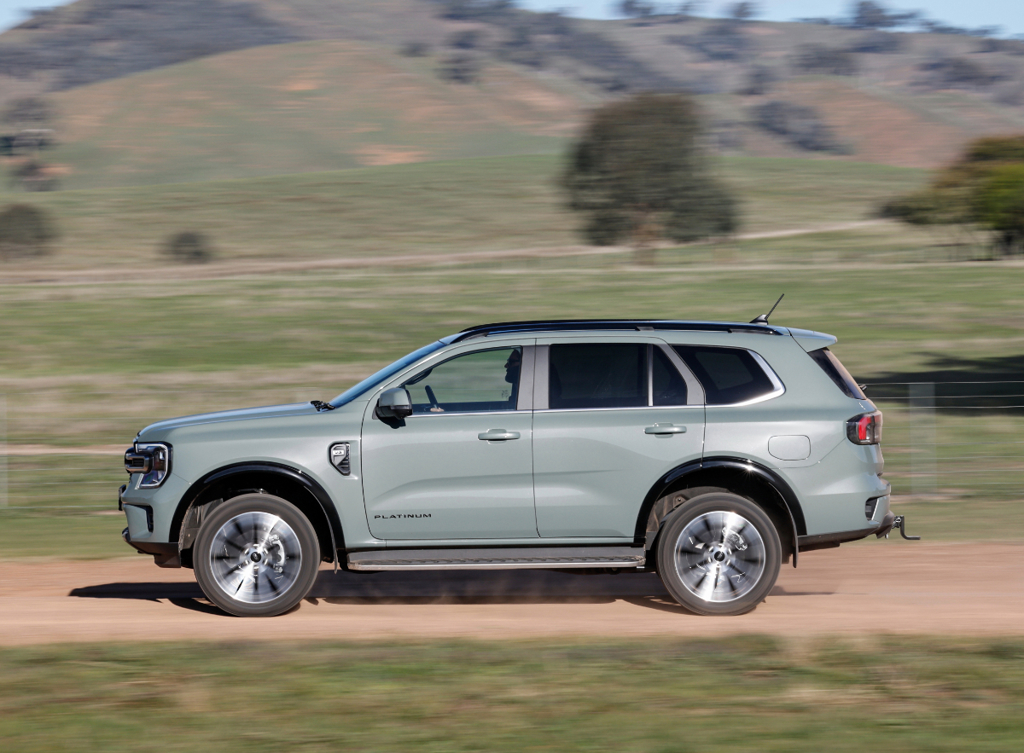
We say "game" because that was clearly silly. The Everest is very much an SUV version of the Ranger, with a wagon body and independent suspension at the back for a more comfort-oriented ride and sharper handling.
Ford has stopped being silly and now seems happy to bundle Ranger and Everest together. Which is exactly what it's done for a so-called "MY26.5" update package.
Sounds like it should be fairly minor; half measures and all that. In fact, there are some big changes.
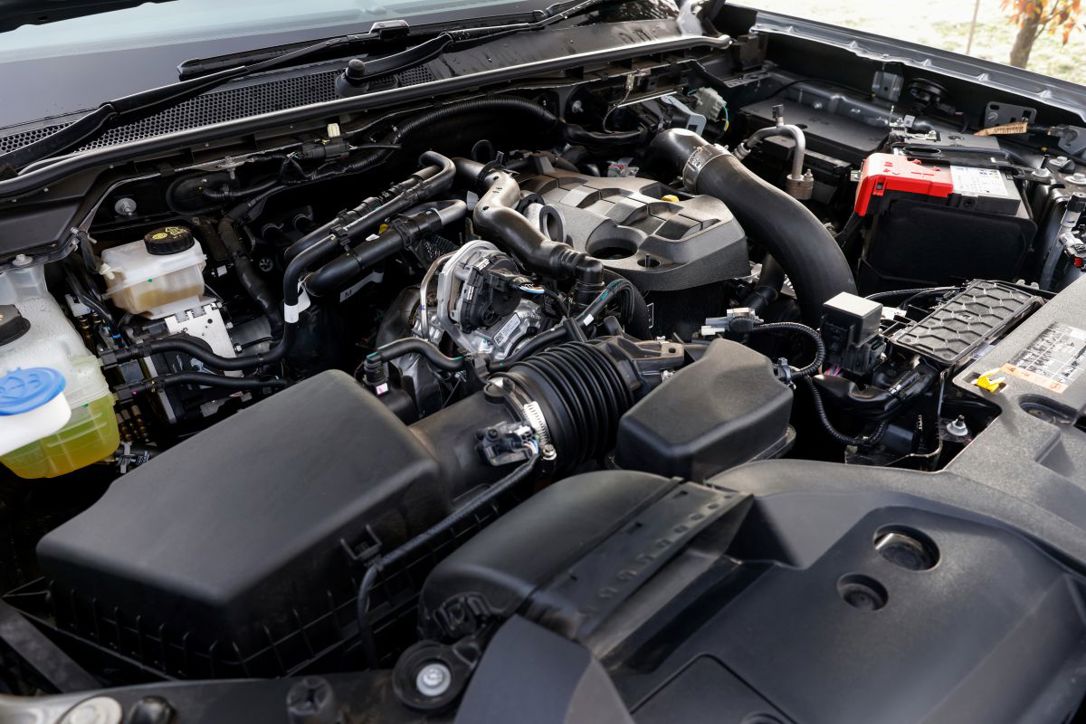
These models mark the end of the lovely 2.0-litre biturbo diesel, which is replaced by a 2.0-litre single-turbo diesel. That means power and torque are down from 154kW/500Nm to 125kW/405Nm. We don't have NZ-specific 3P-WLTP fuel economy figures yet, but efficiency has improved by around 10%.
Why make the change? The outgoing biturbo was a Ranger/Everest exclusive, whereas the single-turbo is a global engine that's also used in Transit, so it's future-proofing the model for emissions regulations and development costs. For Ranger/Everest, the powerplant has an upgraded fuel system, it's moved from wet belt to chain drive (better reliability, easier servicing) and has steel pistons.
But less power is less good, surely? Ford counters by asserting that the torque curve is better than the previous biturbo, and the single-turbo is the "most responsive" diesel it's ever offered.
All good, but you could also read the dramatic expansion of the 184kW/600Nm 3.0-litre across the Ranger/Everest model lines as a defensive move. In Ranger, you can now option the V6 on absolutely everything, right down to a single cab-chassis XL. On some models, the V6 is standard.
The Ranger PHEV (2.3-litre petrol) and Raptor (3.0-litre twin-turbo petrol V6) are not included in this update, although it spells the end of the biturbo Raptor. Expect a refreshed version of the PHEV in the third quarter of this year, probably with some model and pricing changes (yet to be confirmed by Ford NZ).
For Everest, there's an entry-level model restricted to the 2.0, while the V6 is either an option or standard on the rest.
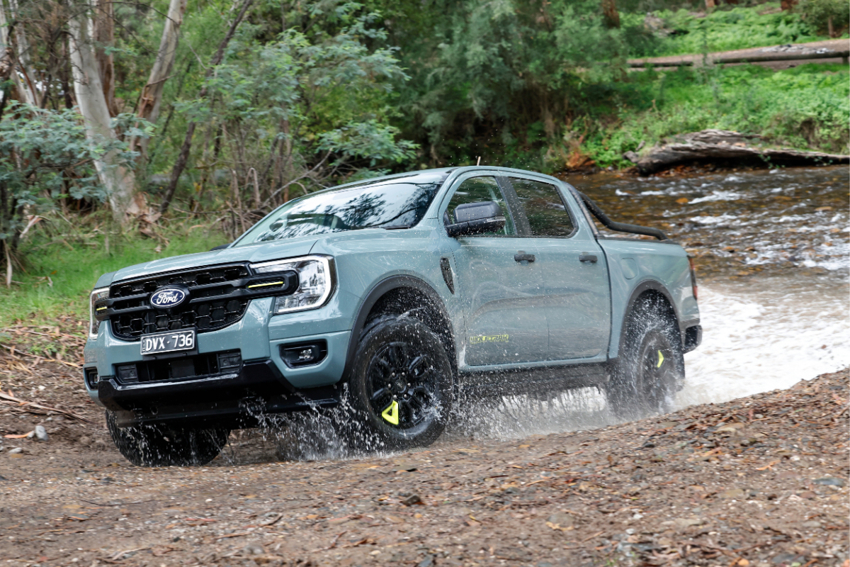
So that's the engine stuff. But Ranger in particular is also on the glam-attack with two new special editions, the Wolftrak and Tremor.
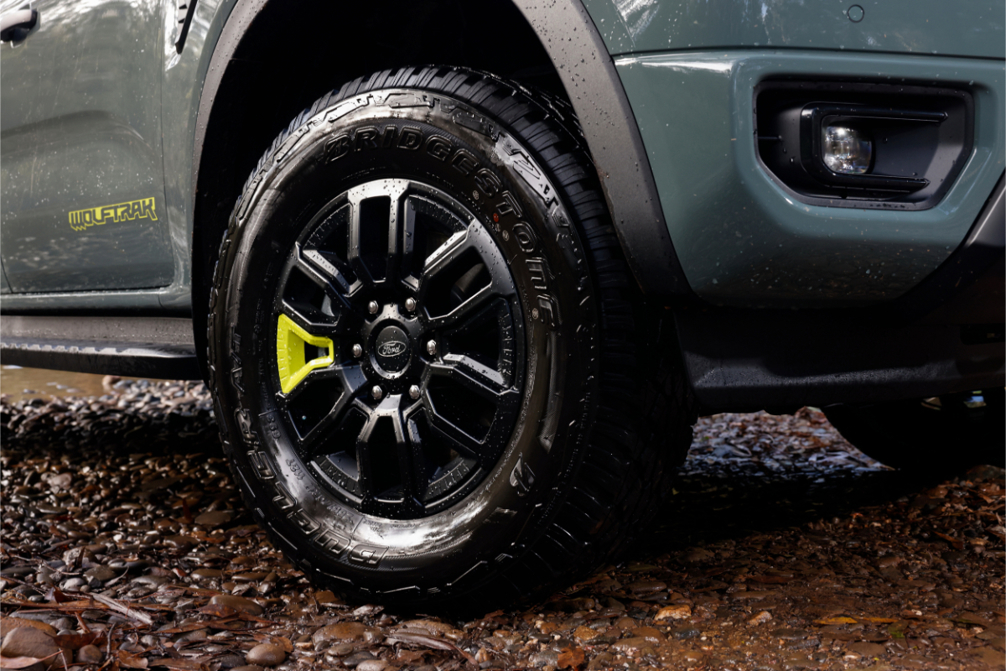
Wolftrak is essentially a dressed-up XLT, but it's a pretty thorough job. V6-only, it's designed along a 4x4 theme, with 17-inch wheels and all-terrain tyres, a sports bar and lurid "Zest" accents all over that Ford says were inspired by high-end sports equipment. It's the only Ranger apart from Super Duty that's available in Traction Green exterior finish.
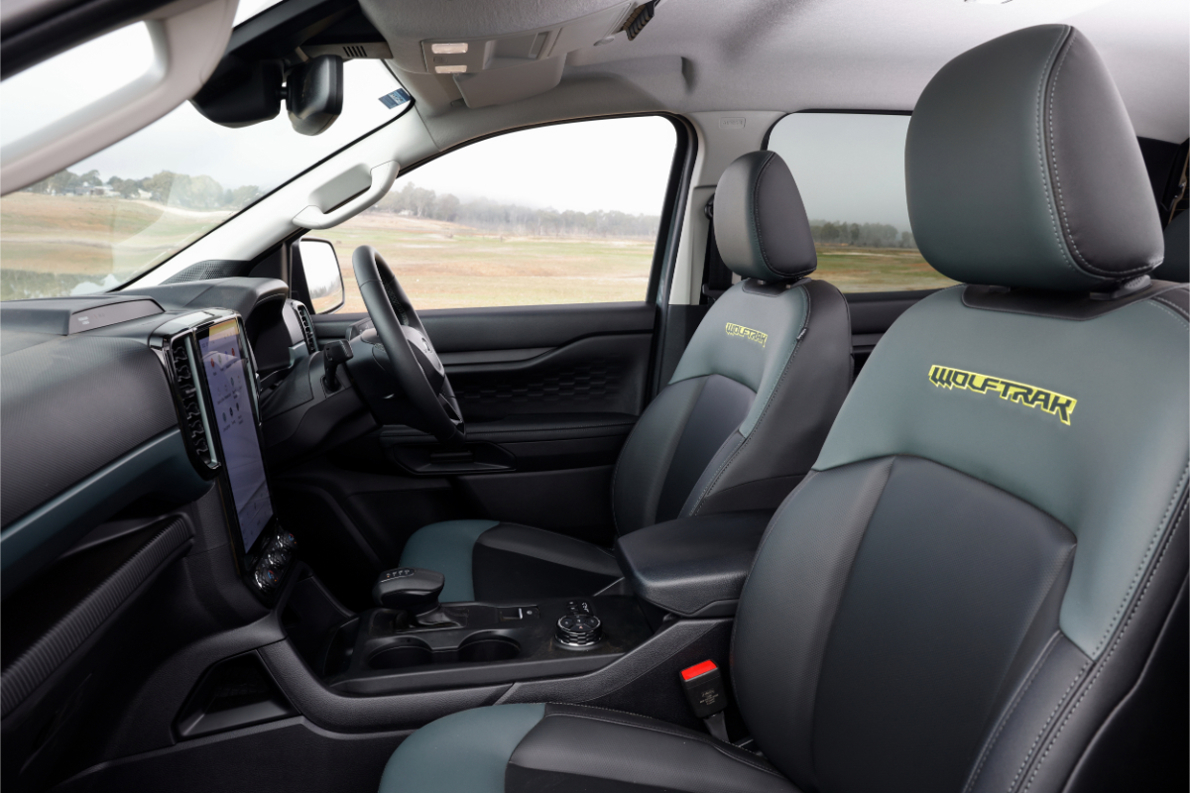
Inside, Wolftrak has durable faux-leather upholstery and green accents on the dashboard and seats.
Tremor is a familiar model that's back for this generation, albeit stepping up from the previous 4-cylinder engine to the V6. It features Raptor-inspired modified/lifted suspension and Trail Control, General Grabber AT3 all-terrain tyres and extra underbody protection.
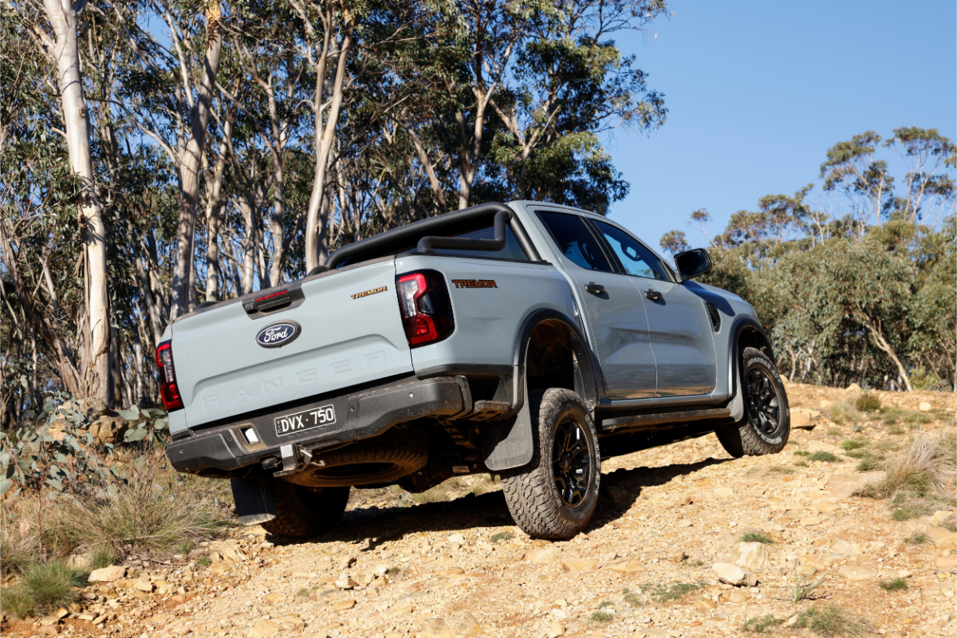
Wolftrak and Tremor are both limited-run models: 1500 and 800 respectively in Australia, although Ford NZ could not confirm its allocation at the time of writing.
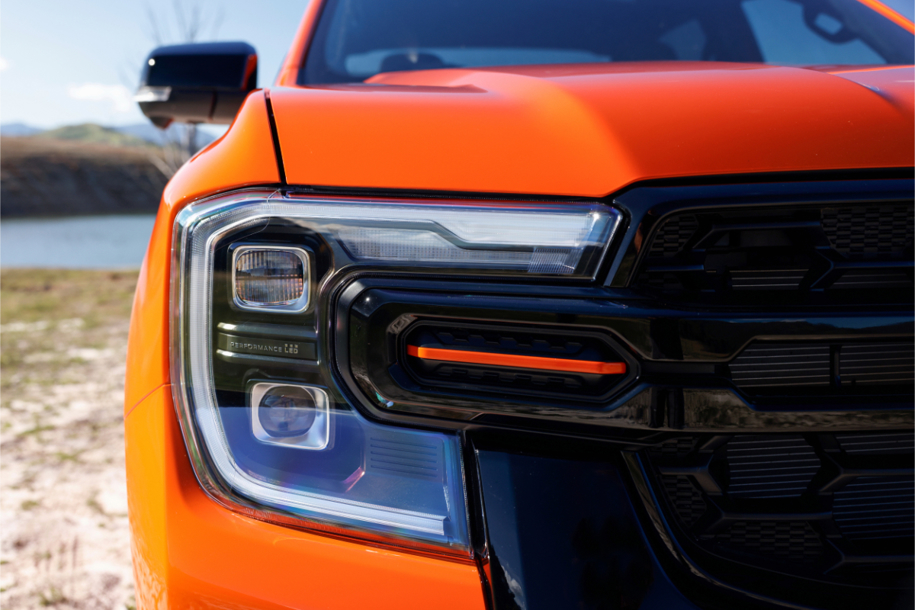
Wildtrak's also had a quiet spec-massage with darker trim (the tray roller-cover is now black), Ignite Orange accents including the grille and wheels, standard B&O audio and Matrix LED headlights. Ignite Orange is now the hero exterior colour.
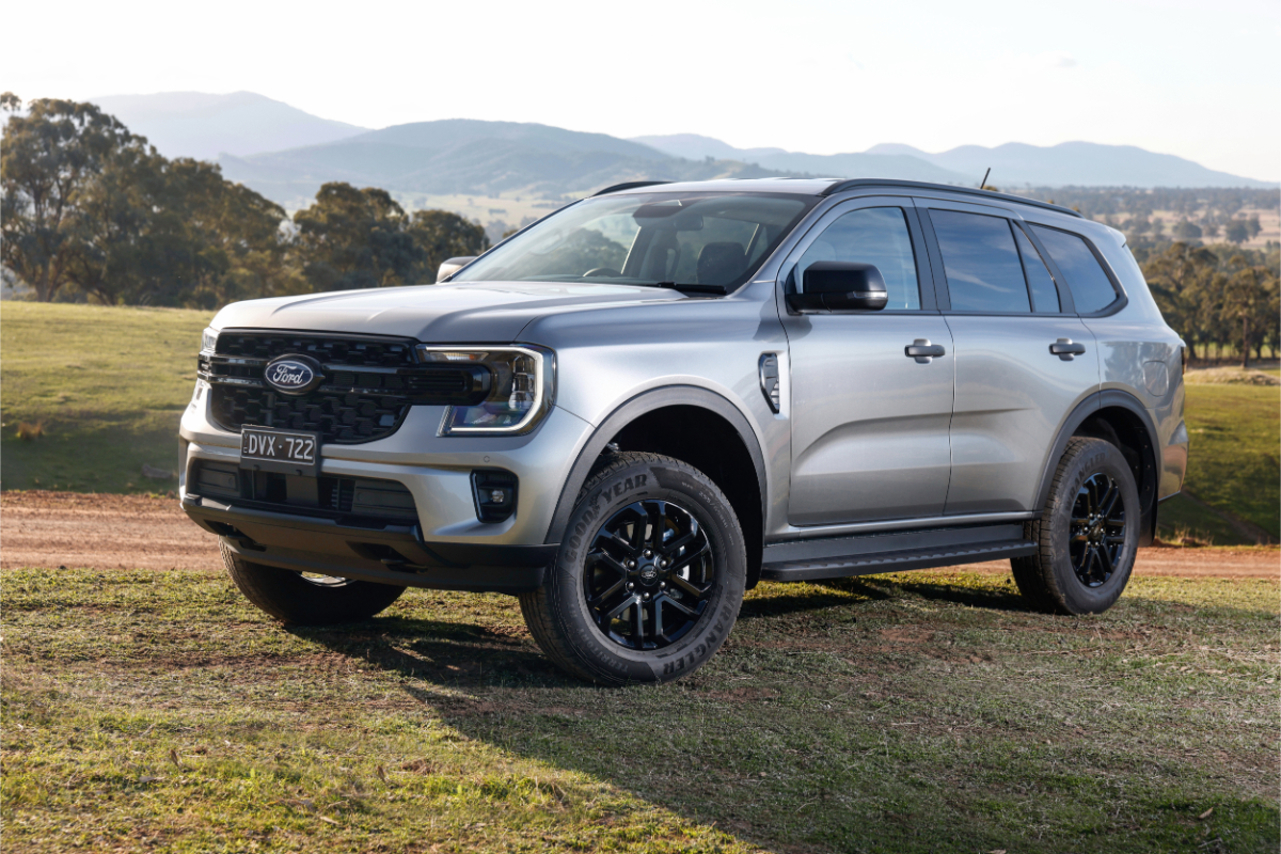
The new entry-level Everest Active is still pretty well kitted-up, with darker exterior detailing, leather-accented seats, 12-inch infotainment screen, 6 drive modes and 18-inch alloy wheels in black (a tyre pressure monitoring system is also now standard across the range).
The Sport and Tremor have gained a 360-degree camera, plus heated/ventilated front seats.
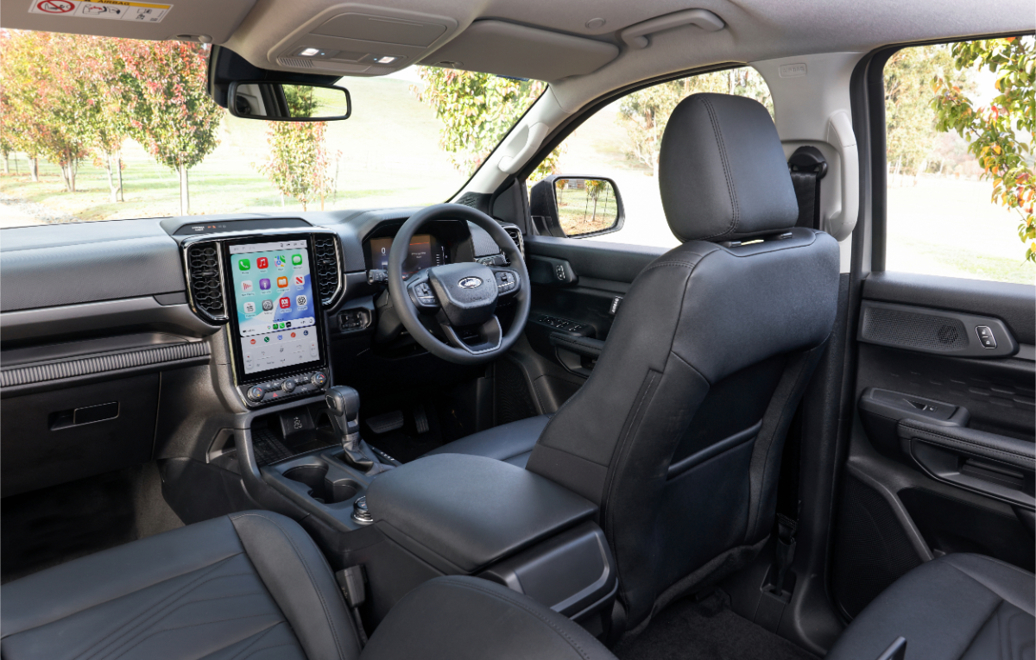
The Everest Wildtrak is back with Matrix LED lights, Ignite Orange accents, panoramic glass roof, unique seats, power-folding 3rd-row seats and a bespoke 20-inch wheel design.
Everest Platinum is now available in an exclusive colour, Acaia Green.
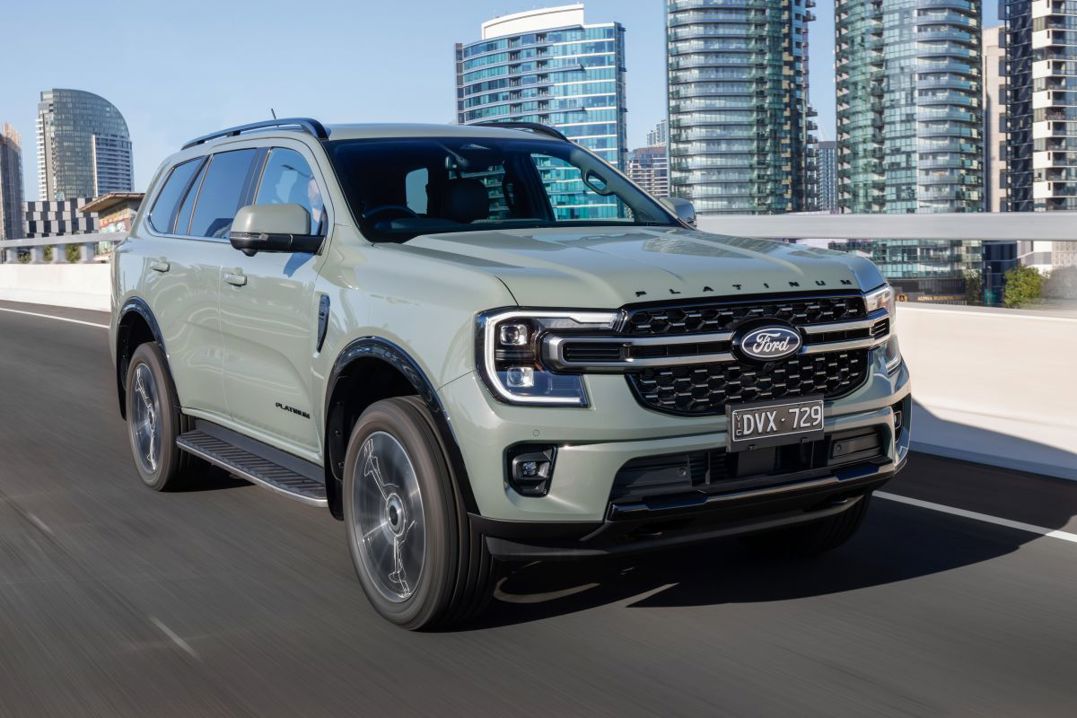
On both Ranger and Everest, models fitted with the towing package will have Trailer Connection Alarm: a NZ first, according to the company. This can send a notification to an owner's phone via the Ford App if a trailer is disconnected while the vehicle is locked. It will also trigger the vehicle alarm.
How much are they?
If we run through the entire Ranger lineup, we'll be here all week. Let's take a snapshot of the non-double-cab-wellside models: they go from $54,990 ( XL single-cab-chassis 2.0) to $68,990 (XLT Super Cab wellside V6).
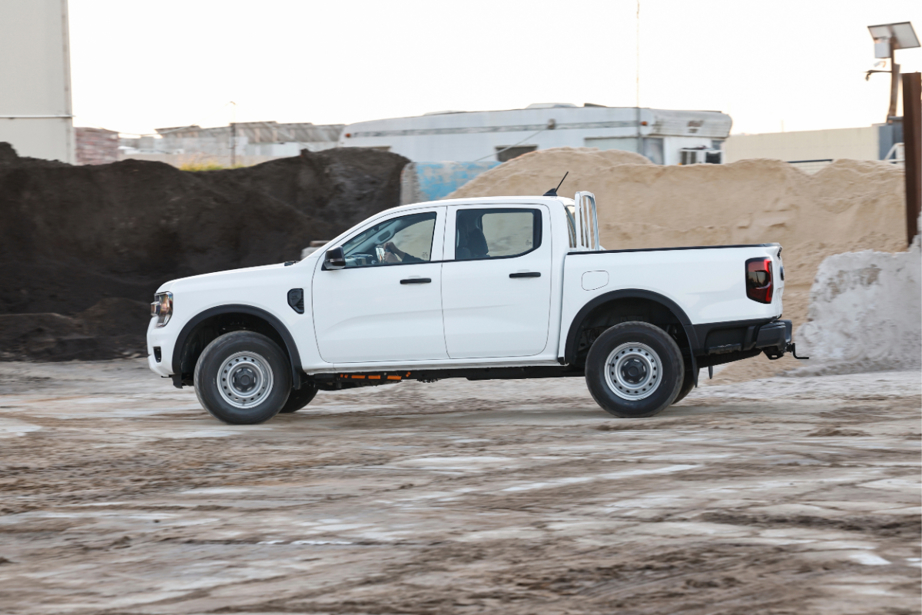
The XL double-cab wellside ("pickup" in Ford-speak) is $59,990 with the 2.0 or $66,490 as a V6. The XLT versions are $65,990 and $71,990 respectively.
The Wolftrak ($75,990), Tremor ($79,990) and Platinum ($92,990) are all V6-only. Ford will still sell you a Wildtrak 2.0 for $75,490, while the V6 version is $85,990.
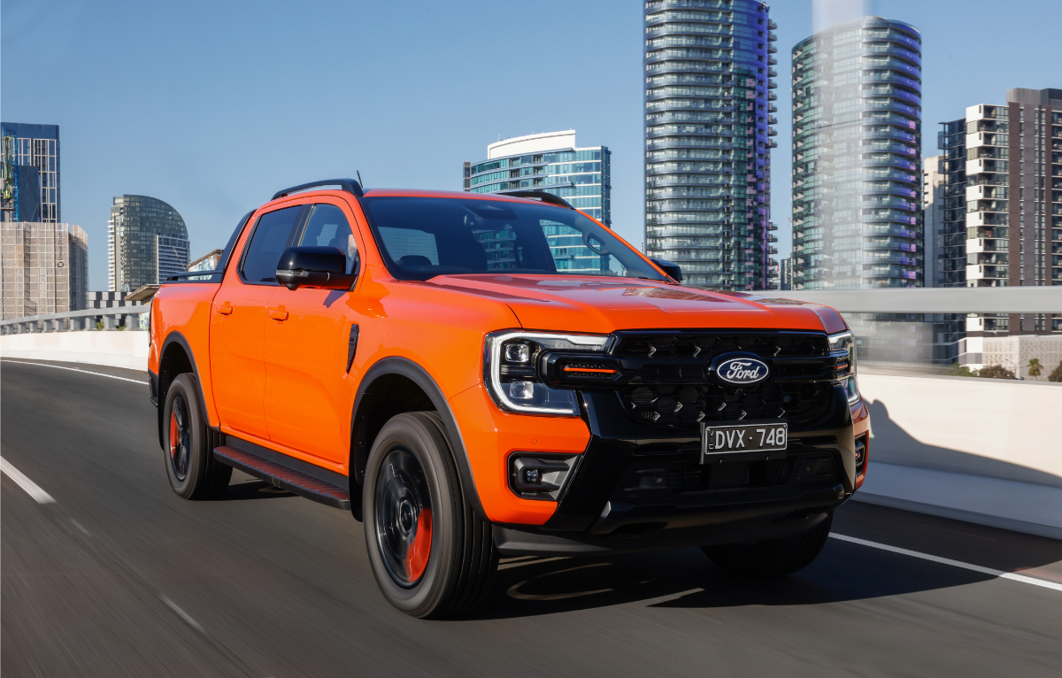
The new Everest Active 2.0 is $68,990, a substantial $6500 reduction on the previous entry-level Trend.
The Everest Sport comes with the 2.0 for $77,490, or the V6 for $85,990. The Wildtrak ($88,990), Platinum ($93,490) and Tremor ($89,990) are all V6-only.
What are they like to drive?
Our drive-time with the new 2.0-litre engine was focused on Everest: an on-road drive and a wide variety of terrain at Ford's You Yangs proving ground, near Melbourne.
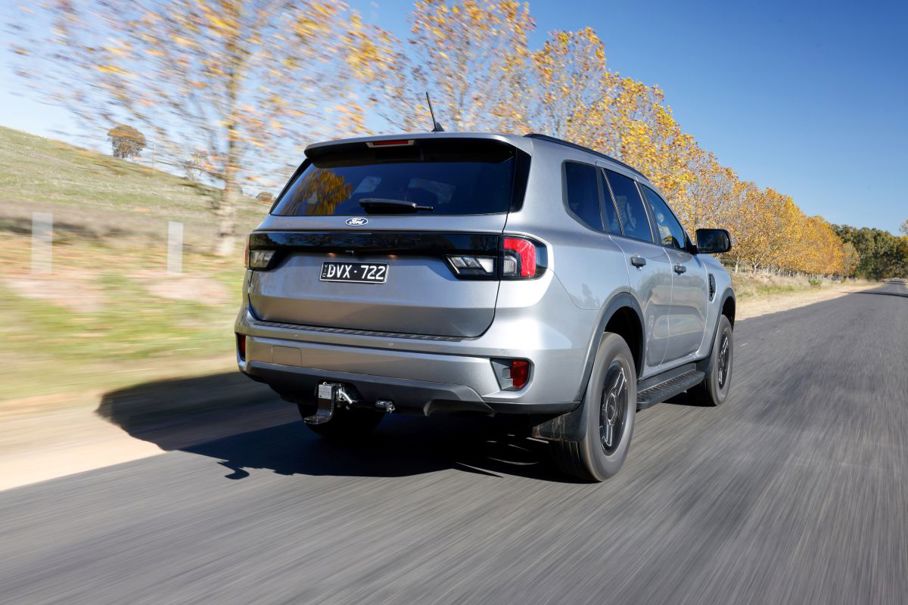
The new powertrain is pretty punchy and refined. Far be it from us to argue with Ford engineers about responsiveness and torque delivery (maximum from 1750rpm, by the way), but it's fair to say the single-turbo engine doesn't have the personality of the previous biturbo.
There was one 2.0-litre surprise in store: a few laps of a handling circuit (80-100km/h) at You Yangs back-to-back between Everest 2.0 and V6 models showcased how much more nimble and responsive the smaller-engined SUV was, largely thanks to the weight difference up front.
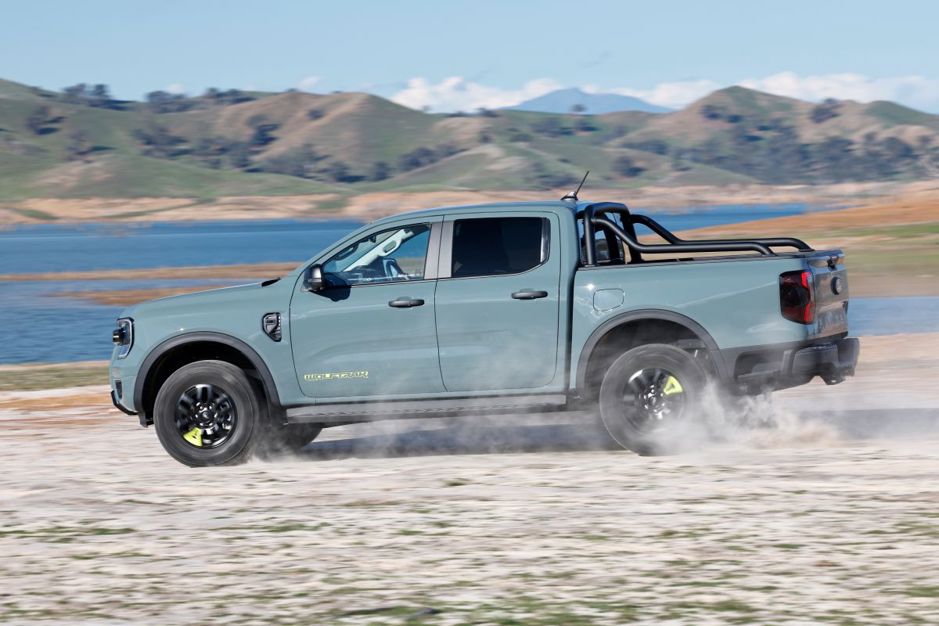
We hit the dirt in the Ranger V6, swapping between the 2WD transmission setting and the automatic AWD that's standard on all Ranger/Everest V6 models. Tons of fun and a great demonstration of the chassis technology at work in these vehicles, although we're still super-keen to experience the Ranger 2.0 on the road.
What’s the pick of the range?
We're a long way from having experienced the whole range and there really is a Ranger for every application, but on the basis of our taster drive the Wolftrak really appeals.
The V6 still feels pretty lusty in the ute, it has the trick AWD system and as long as you're on board with the Zest accents it looks and feels a bit special. It's $10k less expensive than the equivalent Wildtrak V6 (or the same price as the Wildtrak 2.0).
For Everest, the entry-level Active really stands out. It's $6.5k less expensive than the previous Trend, the performance and handling is good and it looks the part, with the dark exterior detailing and black wheels. It's a lot of rugged family SUV for the money.
What other cars should I consider?
There's plenty happening in the one-tonne ute sphere, with new 9th-generation Toyota Hilux being launched at the same time as the Ranger: the Adventure version is an attempt at a Wildtrak-esque "lifestyle" model, and Toyota has gone one-up on electrification with a Hilux BEV.
The Nissan Navara is also updated for 2026, the new model based on the Mitsubishi Triton but with suspension calibration and components developed in Australia.
And of course there are about a million other one-tonne utes on the market. Take your pick.
Everest is a more specific thing: a family SUV with true 4x4 ability. A "ute with a boot" as we sometimes say. Rivals include the Toyota Land Cruiser Prado, Isuzu MU-X, GWM Tank 500 and LDV D90.


