



The Nissan Navara has long been Nissan’s answer to the Kiwi obsession with double-cab utes, and is a well-established contender in New Zealand’s highly competitive ute market. And at the top of the range - where the meat of private ute sales sit - is the Pro-4X, a $67,690 flagship that adds a more lifestyle, adventure-oriented edge.
In its latest generation, however, the Navara represents a significant shift in direction: rather than being a fully standalone Nissan product, it is now closely tied to the Mitsubishi Triton, reflecting the broader Renault–Nissan–Mitsubishi alliance strategy.
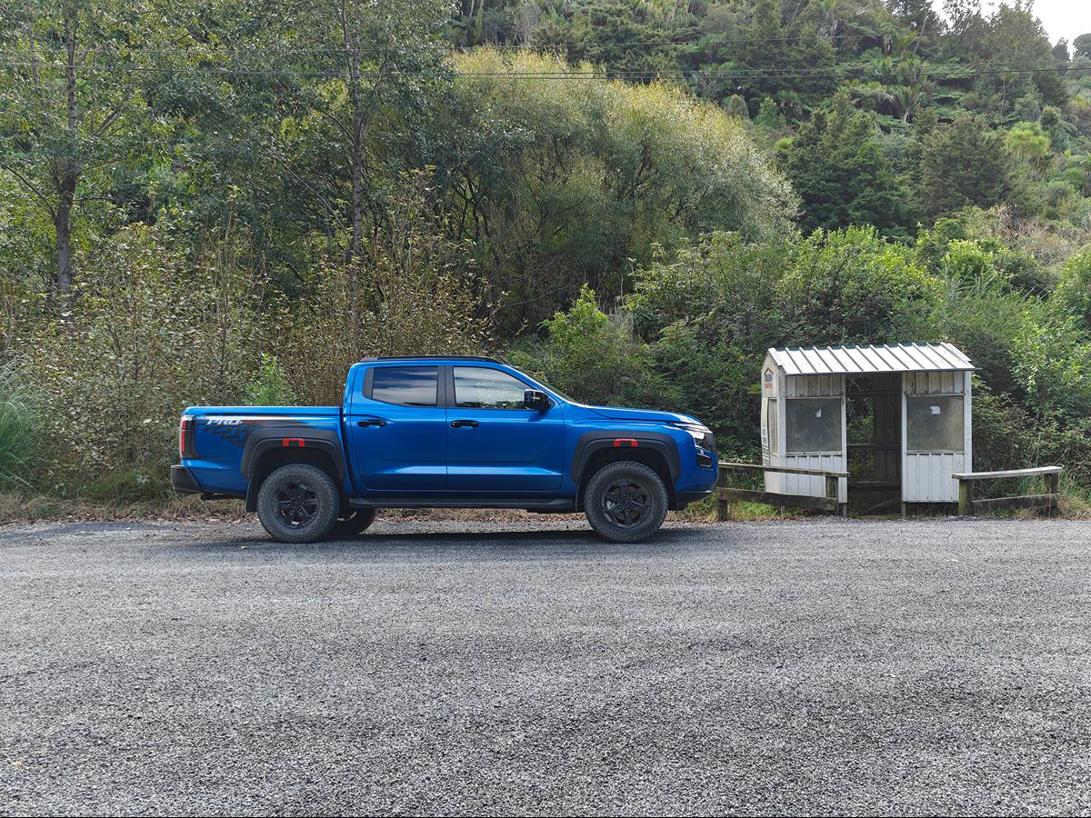
Under the skin, the new Navara shares its core architecture, drivetrain, and much of its structure with the Triton - effectively making the two utes twins at a mechanical level and, it has to be said, at an exterior level, with the Navara using the majority of the Triton's body panels as well.
However, Nissan has applied a degree of its own styling, specification, and tuning to differentiate the two, with a key part of that differentiation coming from local suspension development in Australia, where Nissan says it has tuned the Navara specifically for regional conditions.
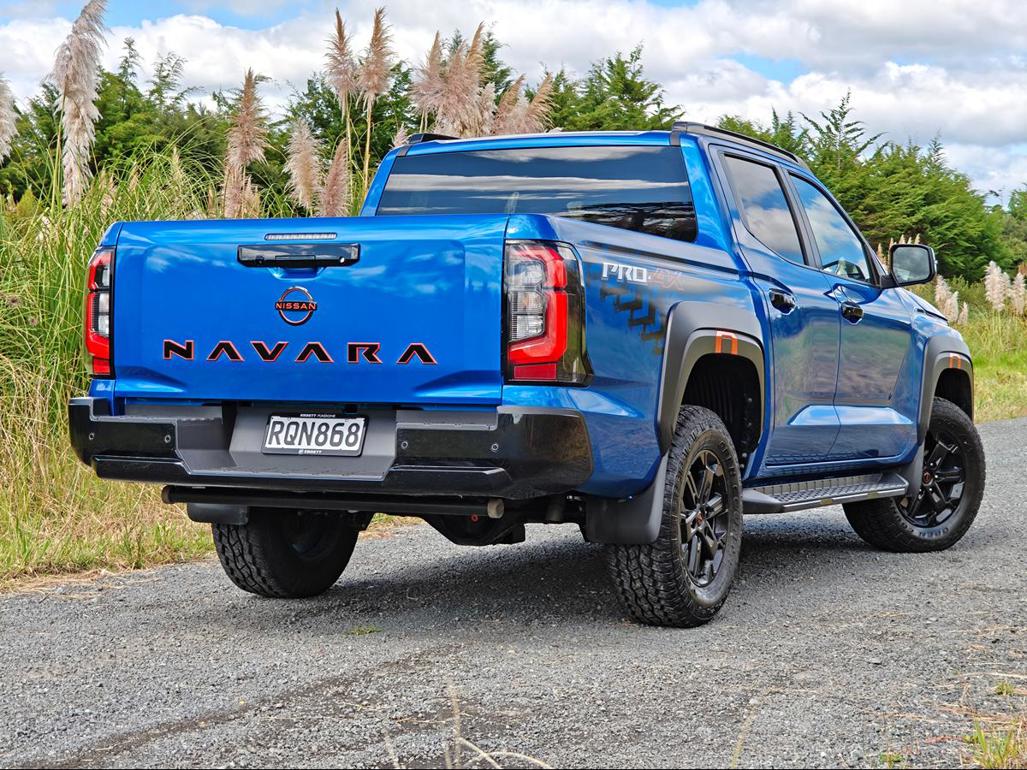
Working with engineering partner Melbourne-based Premcar, Nissan has recalibrated the suspension setup - despite using the Triton’s underlying hardware, including its switch to a more traditional leaf-spring rear end - to better suit Australian and New Zealand roads, loads, and off-road use. This local tuning is aimed at improving ride comfort, handling, and capability both on- and off-road, helping the Navara feel distinct despite its shared foundations.
And while it certainly seemed to convincingly make that case for itself at the Australian launch we attended recently, the case is not quite so clear cut on New Zealand roads...
On the outside: what are the Nissan Navara Pro-4X's main design features?
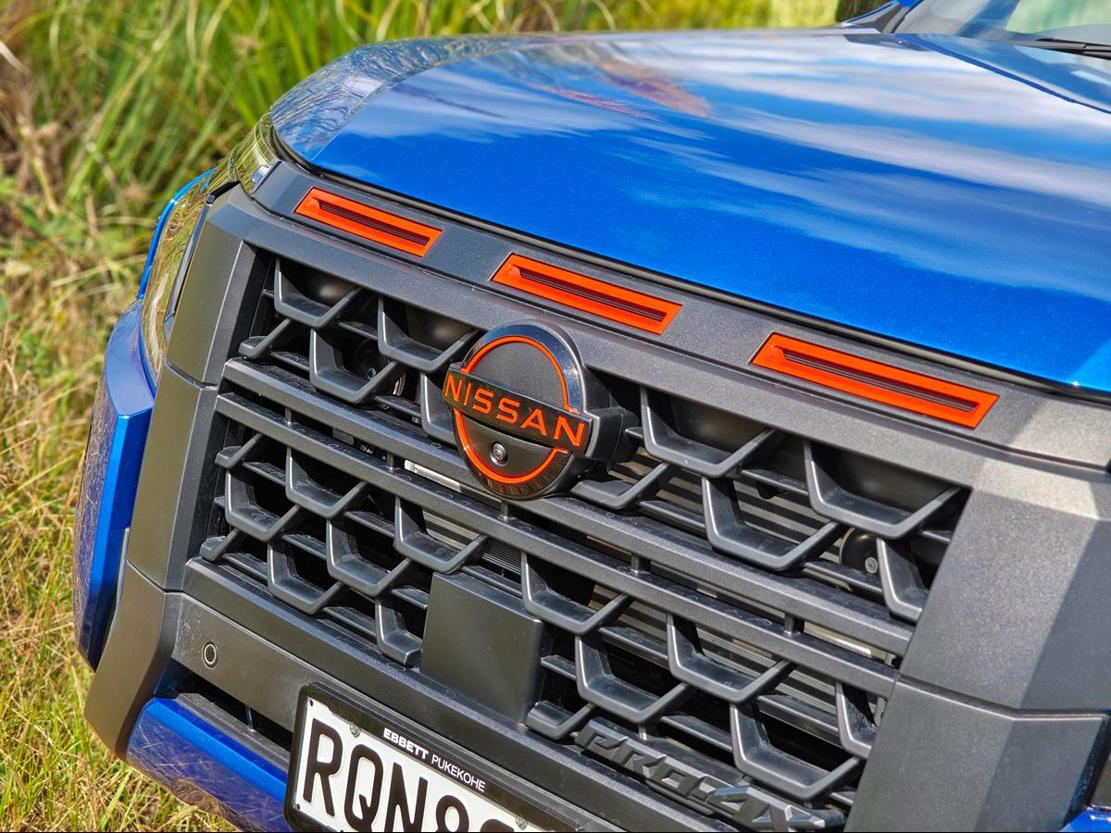
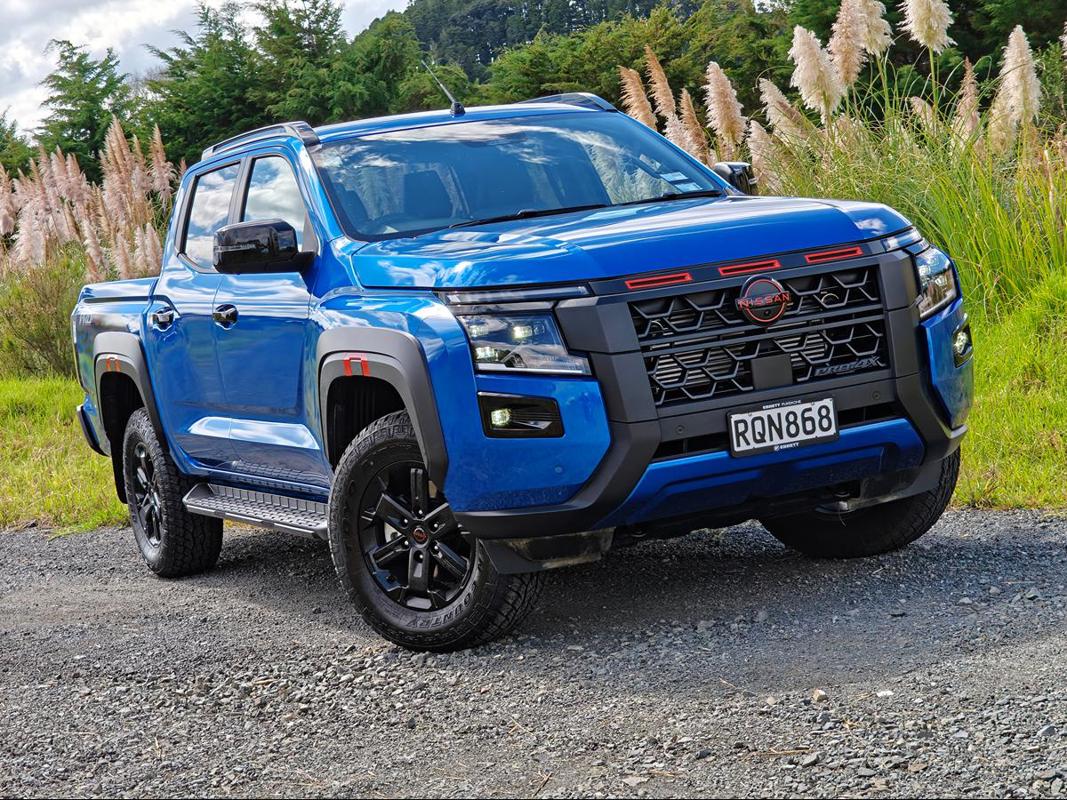
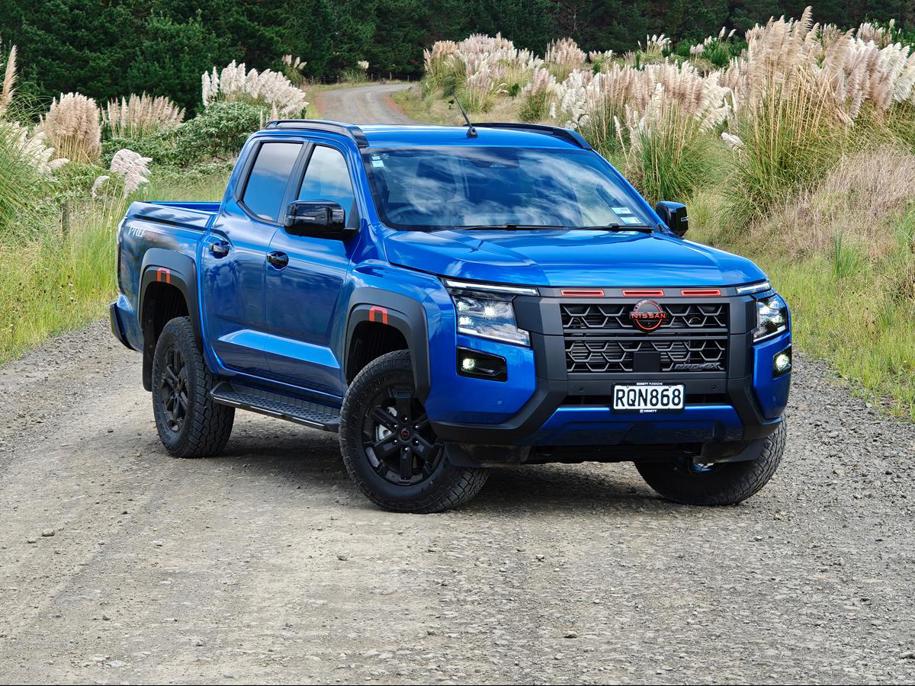
There’s an unapologetically chunky, truckish stance to the Pro-4X, and it’s undeniably handsome. At a glance, it can look broadly similar to a Mitsubishi Triton - which is no surprise given that it is basically a badge-engineering exercise - but the details do set it apart. Well, to a degree.
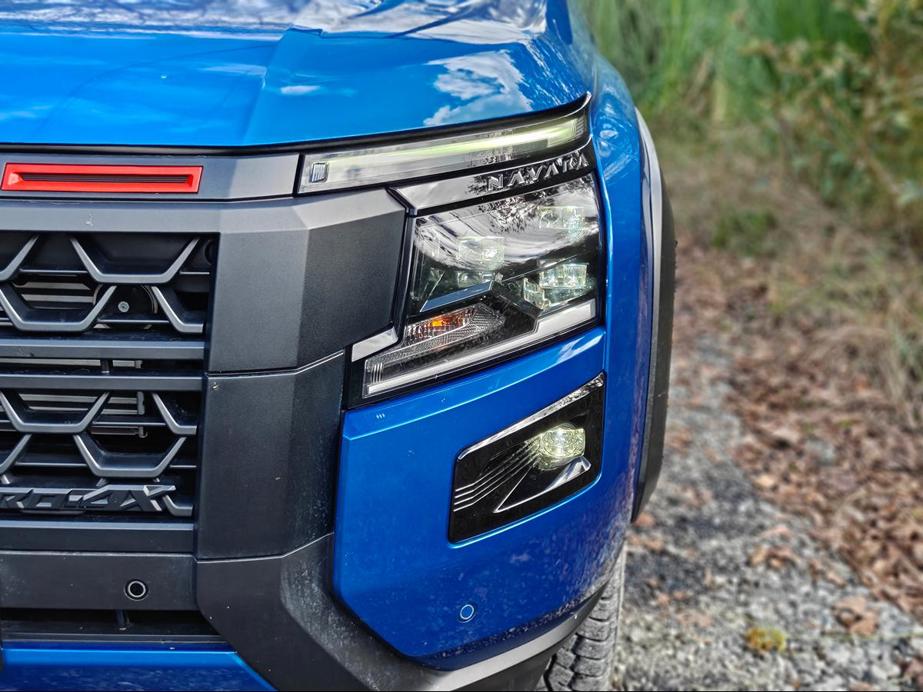
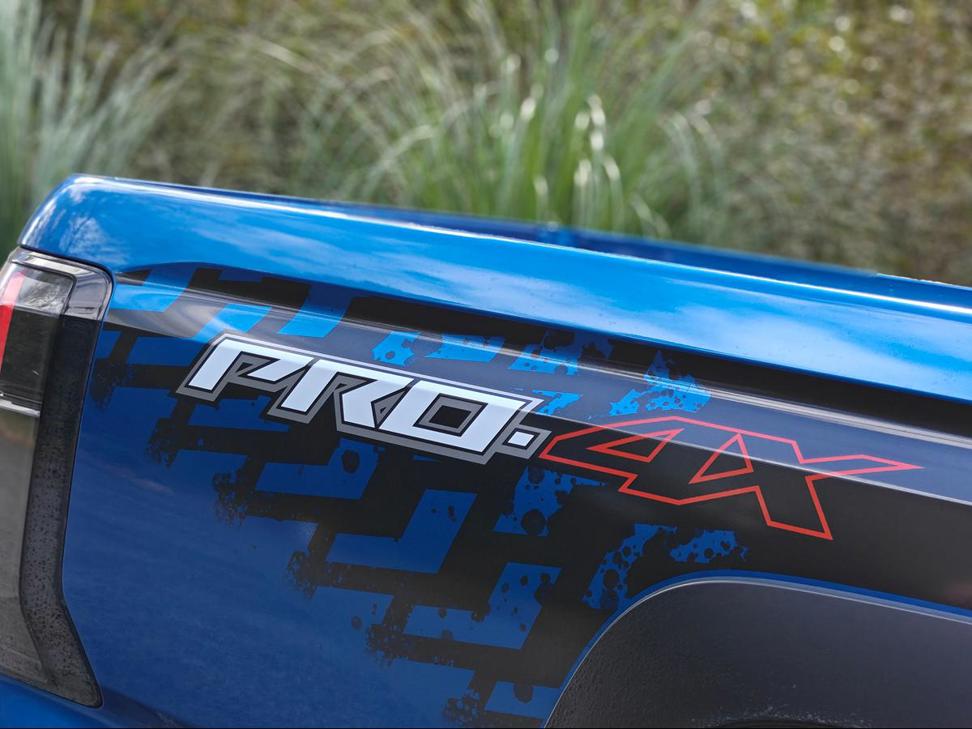
The Navara gets its own front-end arrangement with different headlights and grille, plus three narrow slots above the grille - an old Navara cue that long-time Navara buyers will recognise. At the rear there are different taillights and prominent NAVARA branding stamped across the tailgate which, like the three slots above the grille are outlined in red on the Pro-4X, along with red accents on the wheel arches and roof rails.
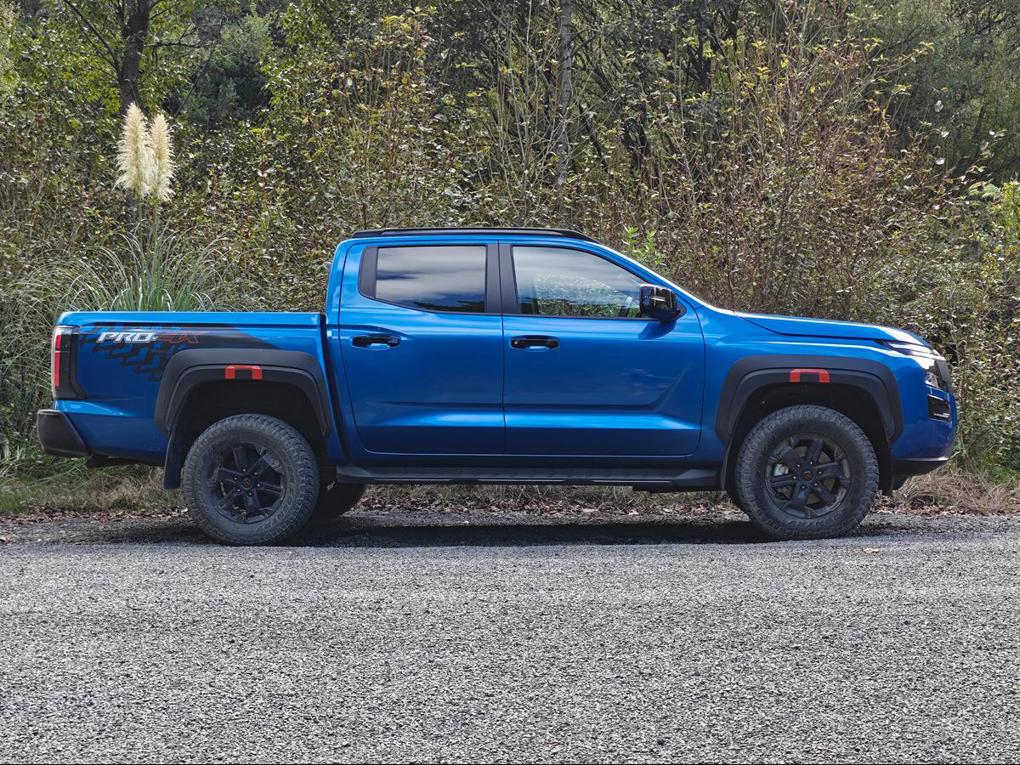
In profile the Navara is pure Triton, however, which may upset a few Navara purists. But then again, most utes look extremely similar in profile anyway. I mean, how many ways can you differentiate something that sells on the strength that it looks like a big square truck; Mitsubishi and Mazda tried with swoopy-styled utes and failed and the less said about the recent response to the Kia Tasman the better…
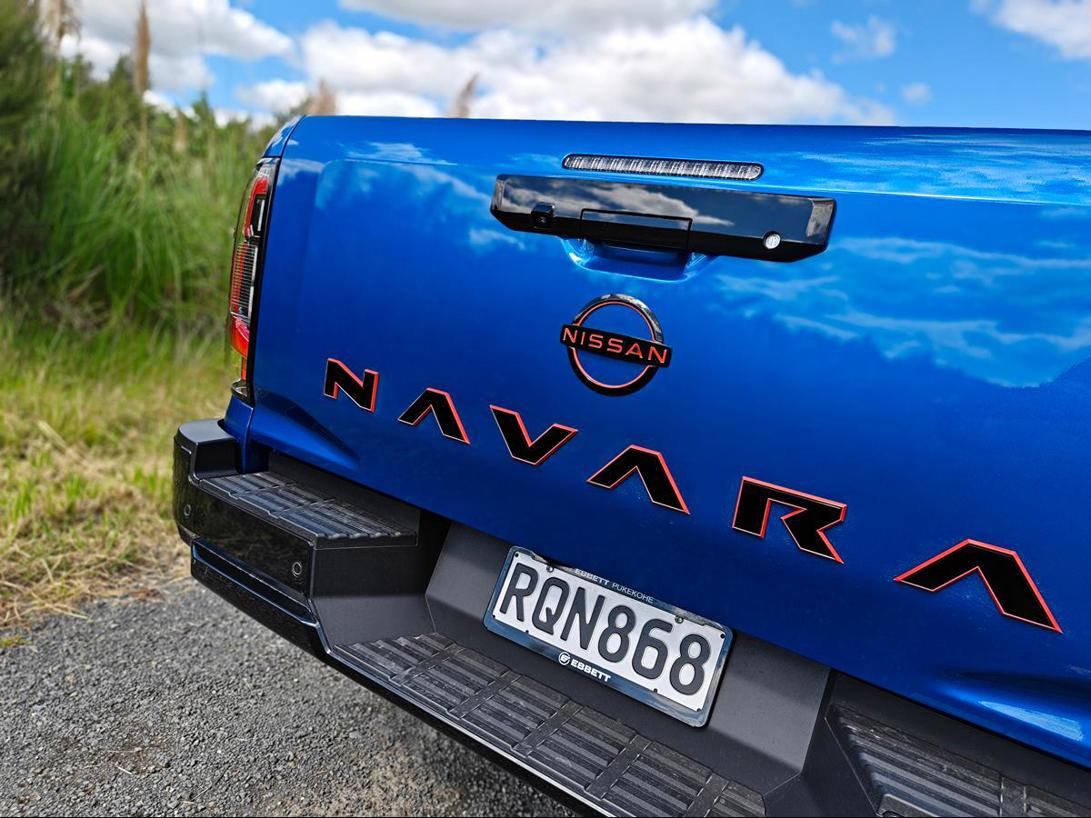
Anyway, the Navara is a handsome, traditional ute, while the Pro-4X external bling pushes the aesthetic toward adventure rather than workhorse functionality. Whether you love the Pro-4X’s added bling comes down to taste, but the core shape is spot-on for a ute: square-shouldered and ready for work. But quite a lot like the Mitsubishi.
OVERVIEW
| Price | $67,690 |
| Body style | Double cab ute |
| Wheels and tyres | 17-inch alloy wheels, 265/65 tyres |
| Length | 5320mm |
| Wheelbase | 3130mm |
| Weight | 2140kg |
| Website | nissan.co.nz |
On the inside: what's the Nissan Navara Pro-4X's cabin like?
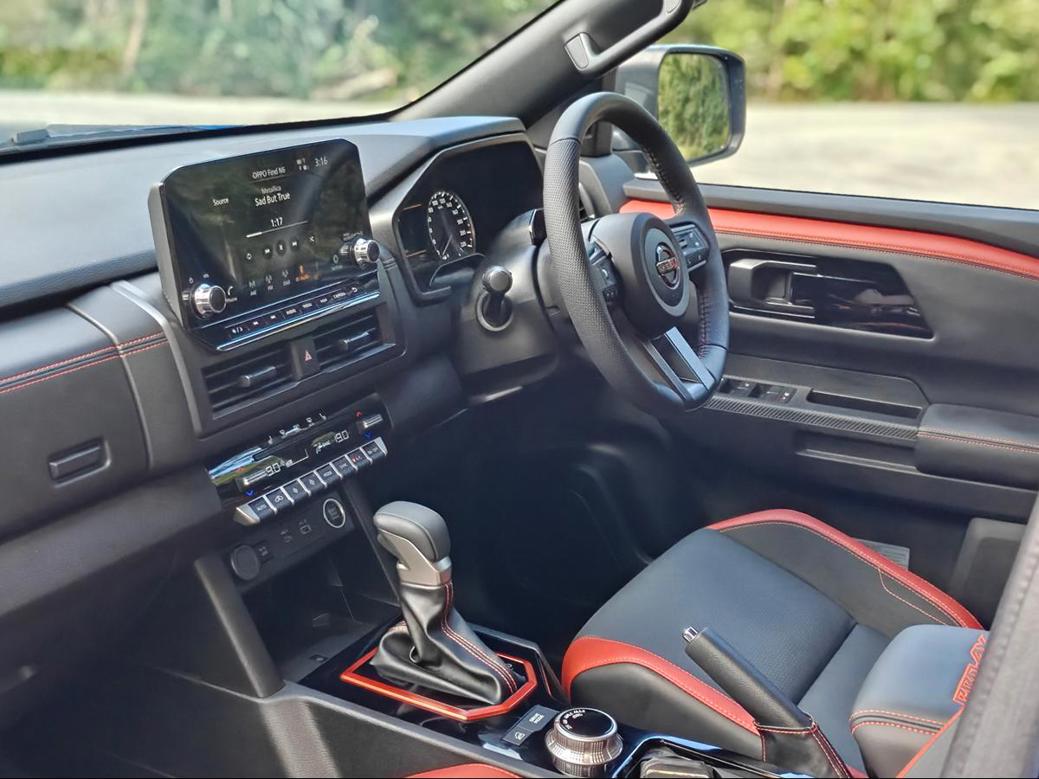
Step inside and the Triton comparisons are even harder to ignore. Apart from the Nissan badge on the steering wheel, it is all but identical to the Triton, which isn’t necessarily a bad thing, after all the Triton has a sensible, functional and fundamentally attractive interior. As such, so does the Navara.
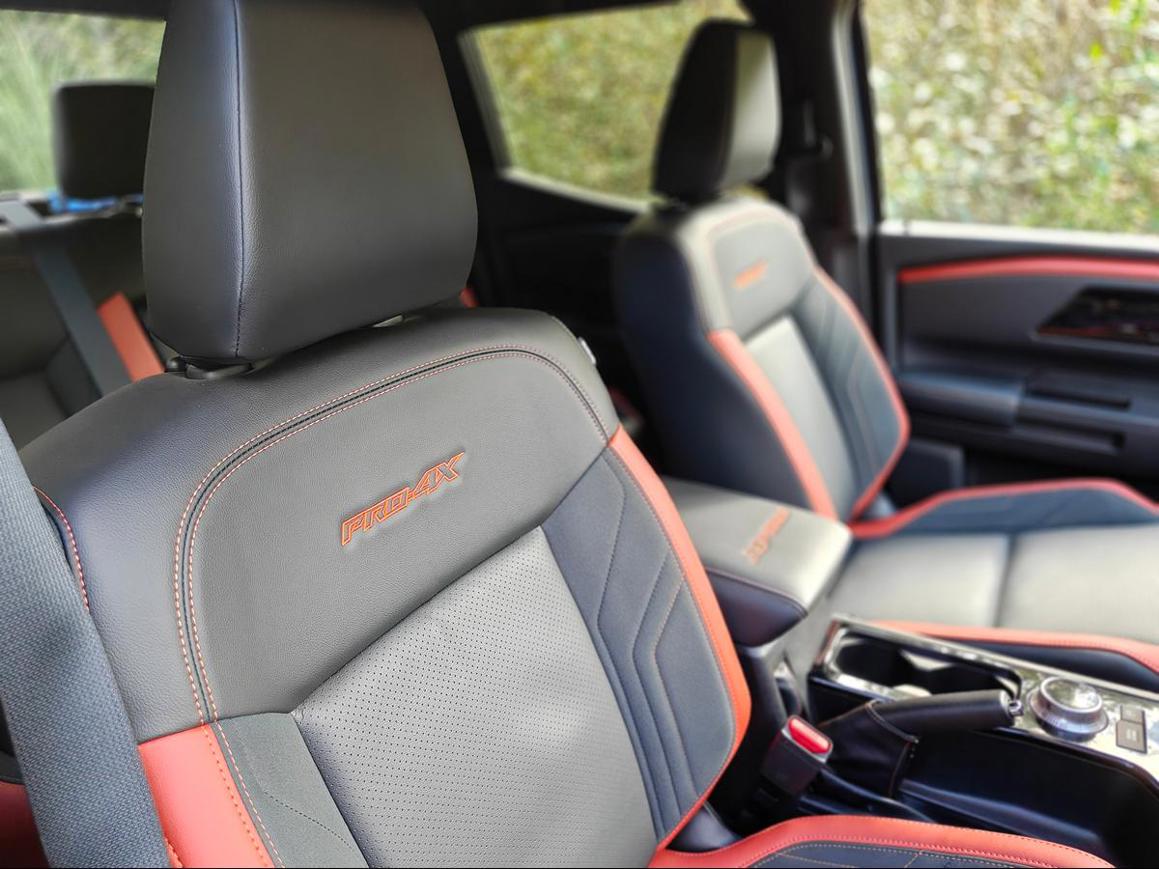
There’s a lot of hard plastic, but it’s robust and well assembled - the sort of surfaces that handle dust, boots, and tools without drama - while the Pro-4X seats are a highlight: leather/suede-style upholstery, Pro-4X embroidery, and supportive bolstering that’s both comfortable and well-judged for longer days.
The Pro-4X’s red stitching and trim accents elevate the mood above standard all-black ute fare, but the overall design doesn’t feel cutting-edge by modern ute standards. It’s practical and handsome rather than flashy.
INTERIOR
| Head-up display | No |
| Infotainment screen | 9.0 inches |
| Phone projection | Wireless Apple CarPlay/wired Android Auto |
| Wireless phone charger | One |
| USB ports | 1x USB-A and 1x USB-C front and rear |
| Climate control | Dual zone |
| Front seat heating/ventilation | Yes/No |
| Front seat adjustment | Power 8-way driver/manual 4-way passenger |
| Boot capacity | 1554mm length at floor, 1135mm wide between arches, 1545mm wide tray box |
| Rear seat split/fold | No |
| Power tailgate | No |
On the road: what's the Nissan Navara Pro-4X like to drive?
Here’s where the Navara Pro-4X gets, well, let’s just say “intriguing”. Driven briskly, it has pleasingly direct, well-weighted steering, while turn-in is tidy and the rear stays settled through corners, giving the Navara a confidence on sealed roads that makes it feel composed and predictable.
With weight in the tray, the ride firms into its sweet spot; without it, it can feel harsh and unsettled. And noticeably inferior to the Ranger.
The puzzle is the ride. On New Zealand’s coarse-chip seal, the Pro-4X in unladen form can feel brittle and choppy over small imperfections - nowhere near as supple as it has felt in Australian drives where Premcar’s suspension work impressed.
In my launch story on the Navara on Australian roads I raved about how Premcar’s suspension tune elevated the Nissan to Ford Ranger levels of ride quality and handling, but the translation into Kiwi has changed the game somewhat.
The Australian launch had Navaras with 100 to 150kg in the tray, plus two adults aboard - so figure 200 to 250kg spread across the chassis. Premcar’s tuning philosophy considers how utes are actually used, i.e., with weight onboard, so this was showing the Navaras in ideal conditions.
In New Zealand conditions, running unladen over rougher, sharper-chip seal exposes a suspension set-up optimised for load rather than empty-bed comfort. With weight in the tray, the ride firms into its sweet spot; without it, it can feel harsh and unsettled. And noticeably inferior to the Ranger.
However, handling wise, the Navara seems even better suited to New Zealand roads, particularly on loose gravel where it is an absolute blast. The caveat to this does come on heavily corrugated gravel roads, however, where the unsettled nature of the rear end is at its worst.
The Navara is a ute that makes most sense when it’s doing ute things.
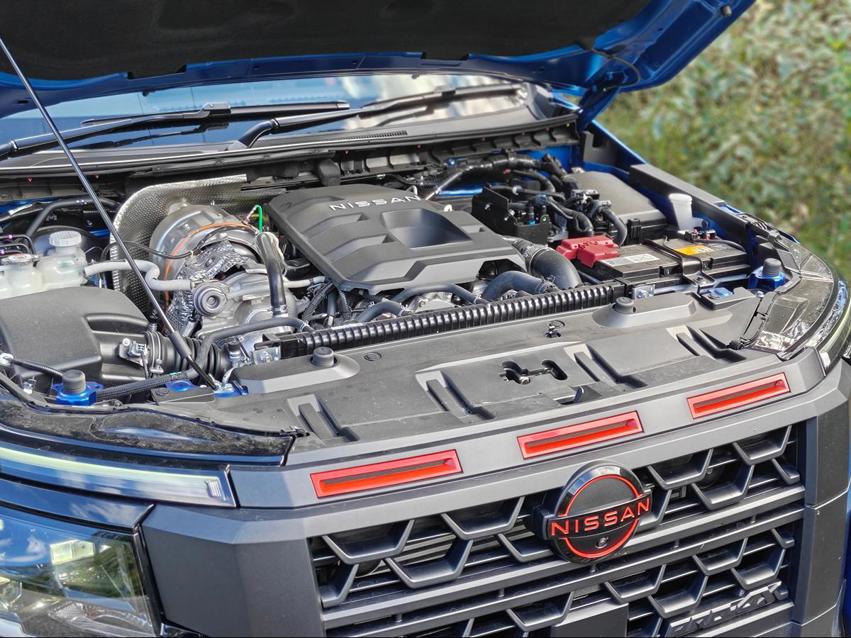
The engine and transmission are capable but old-school compared with today’s front-runners. There’s adequate power and torque, but the diesel can be coarse and the auto occasionally clunky, particularly when stacked against the smoothness and muscle of a V6 Ranger, the innovation of BYD’s Shark, or even the newer hybrid Hilux packages.
The tech story is a mixed bag: fundamental driver assists work well, but some features feel basic compared to the latest rivals. The driver-monitoring system is impressively attentive, yet it’s overly sensitive with sunglasses - frequently throwing alerts unless you dive into the steering-wheel controls to mute it each drive.
SPECIFICATIONS
| Powertrain type | Diesel |
| Capacity | 2442cc |
| Power | 150kW |
| Torque | 470Nm |
| Transmission | 6-speed, 4WD with low range |
| Power to weight | kW/tonne |
| Adaptive suspension | Yes or no, can specify further |
| Efficiency | 8.8l/100km (3P-WLTP) |
| Tank size and fuel type | 75 litres, diesel |
| Tow rating | 3.5 tonnes |
On ownership: what's the Nissan Navara Pro-4X's warranty and servicing situation?
The Navara comes standard with a 5-year/150,000km warranty and one year of unlimited kilometre roadside assistance, as well as five 'flat priced' scheduled services.
Nissan recently launched its 'Nissan More' program that extends the warranty and roadside assistance up to 10 years/300,000km, providing the vehicle is serviced at a Nissan dealership.
On the whole: what do we think of the Nissan Navara Pro-4X?
The Navara is a ute that makes most sense when it’s doing ute things. Loaded up, on gravel, heading to a job or a campsite, the Pro-4X feels close to its development target: confident, stable, and nicely balanced, with driver aids and 4WD tuning that encourage a brisk yet controlled pace on the loose.
Unladen on New Zealand’s harsher chip seal, the ride can frustrate, feeling too brittle to challenge the segment’s comfort leaders. The cabin nails the fundamentals - comfort, durability, and enough style to feel special without compromising practicality - though the tech suite trails the newest rivals and the driver-monitoring sunglasses quirk will grate on some owners.
If you want polished road manners and plush refinement with an empty tray, there are smoother options. If you want an honest truck that comes alive with a bit of weight aboard and feels properly sorted on gravel, the Navara Pro-4X deserves a look. It’s not the class leader for ride quality when unladen, but it remains a capable, handsome ute with a hardworking heart - and one that reminds you why utes are developed to carry loads in the first place.
Nissan Navara Pro-4X FAQs
What kind of car is the Nissan Navara Pro-4X?
A double cab ute with a strong lifestyle/recreation bent.
Does the Nissan Navara Pro-4X have hybrid or EV technology?
No.
What’s the fuel economy of the Nissan Navara Pro-4X?
Nissan claims an average combined fuel consumption of 8.8L/100km for the Navara.
Is the Nissan Navara Pro-4X safe?
The Navara gets a 5 Star ANCAP rating and has a total of eight airbags.
What safety and assistance features does the Nissan Navara Pro-4X have?
| Intelligent lights | Automatic with high beam assist |
| Rain sensing wipers | Yes |
| Airbags | 8 |
| Adaptive cruise control | Yes |
| Driver attention monitor | Yes |
| Traffic sign recognition | Yes |
| Forward collision warning | Yes |
| Blind spot warning/assist | Yes/no |
| Lane departure warning/assist | Yes/yes |
| Rear cross traffic alert/braking | Yes/no |
| Reverse collision braking | No |
| Parking sensors | Yes, two front, two rear |
| Camera system | 360 degree with moving object detection |
What are the Nissan Navara Pro-4X main rivals?
- Mitsubishi Triton VRX ($59,990): cheaper, but less kit and no localised suspension tune.
- Ford Ranger Wildtrak 2.0 turbo ($75,490): better ride quality, but now has less power.
- BYD Shark 6 ($69,990): similar price, considerably more powerful, but less towing ability.
- Toyota Hilux Adventure Hybrid ($63,990): similar capabilities, better drivetrain.
- GWM Cannon XSR ($52,490): massively cheaper, but with more standard equipment.


