



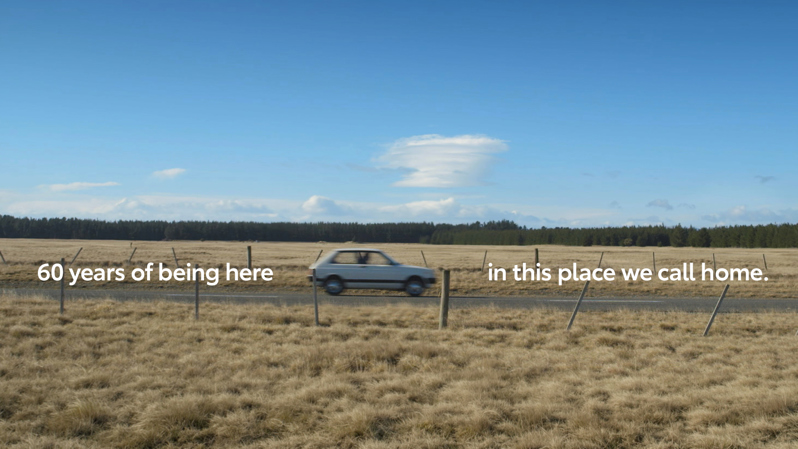
- Toyota New Zealand is celebrating its 60th birthday this year.
- The company first started assembling Coronas in Christchurch in 1966.
- As of last year TNZ has held the number one position in the local new car market for 38 years.
Toyota New Zealand is celebrating its 60th anniversary in 2026, marking six decades since the brand first established its presence in the country. Since 1966, the company has transitioned from a small-scale local assembly operation to a dominant market figure, with current data indicating the rather staggering fact that one in every four vehicles on New Zealand roads is a Toyota.
Toyota's history in New Zealand began with the local assembly of the 3rd generation Corona at a plant in Christchurch in 1966, which was followed by the assembly of the Corolla in Thames starting in 1968.
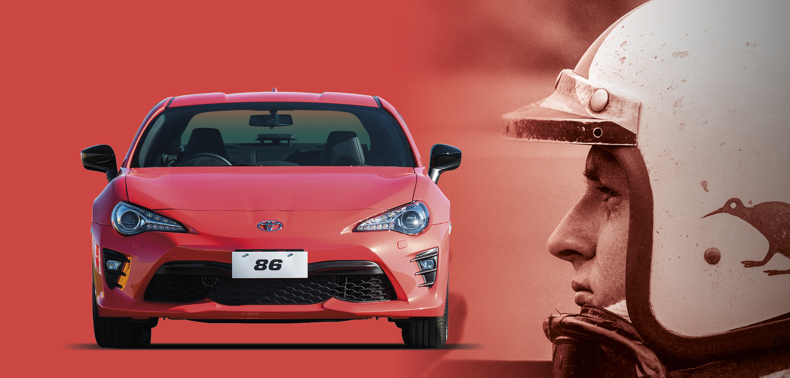
During the assembly era, Toyota new Zealand frequently modified vehicle specifications to better suit domestic road conditions, such as adjusting suspension and developed specialised seating, with input from Kiwi Formula 1 legend Chris Amon, who retained a connection with the company right up until his passing in 2016.
While initially operating through a non-equity relationship with locally owned distributors like Consolidated Motor Industries, the business was registered as Toyota New Zealand Limited in 1979 and officially became a full factory operation, wholly-owned by the Toyota Motor Corporation, in 1992.
That same year Toyota New Zealand began sponsoring Team New Zealand, kicking off what would become the longest continuous sports sponsorship in the country, covering 10 America's Cup campaigns and five subsequent victories.
A major turning point for Toyota New Zealand occurred in the late 1990s when the New Zealand government removed import tariffs, leading to the end of all local car manufacturing. Toyota closed its Christchurch assembly plant in 1996 and its Thames plant in 1998.
But rather than abandoning the Thames site, the company repurposed it into a refurbishment centre for used vehicles, launching the Signature Class brand to refurbish used Japanese imports, becoming the first new car distributor to actually take advantage of the grey import market.
While the Signature Class programme has since ended, the Thames facility continues to manage vehicle reconditioning - mainly ex-lease NZ new cars - accessory fitment, and fleet customisation for the national network.
At the same time it established the Signature Class programme in Thames, Toyota New Zealand also relocated its head office from Johnsonville in Wellington to its parts distribution centre in Palmerston North.
After considering locations in Auckland and Tauranga, due to their close proximity to major shipping ports, the company decided on Palmerston North due to its central location, lower cost of living for employees and the existing infrastructure the company had there.
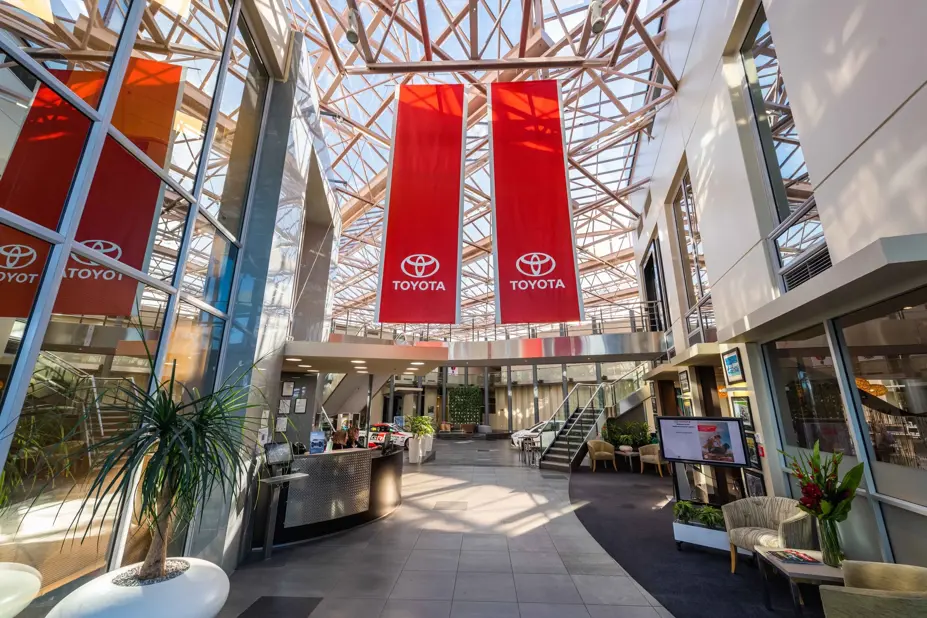
While these were all major factors, former CEO Alistair Davis said the prime reason for the selection was its close proximity to Massey University, which offered an immediate, highly educated talent pool of business and management graduates to staff the corporate operations.
“Toyota’s philosophy is centred on the Japanese concept of Kaizen, or continuous improvement, and a ‘hospitality’ mindset. For us, this means we’re always looking at how we can do things better for the people who rely on us," said current Toyota New Zealand Chief Executive Officer Tatsuya Ishikawa.
"This philosophy is really brought to life in our local teams, who are part of the same communities as our customers. They put in the work at a grassroots level to not just sell cars, but to show up every day for the communities they serve."

In 2018, Toyota invested more than $20 million to expand Palmerston North parts warehouse, while also undergoing a significant structural change by moving to an agency-based business model known as "The Drive Happy Project", which established fixed drive-away pricing across its national network of more than 60 stores.
As of 2025, Toyota has held the position of new vehicle market leader in New Zealand for 38 consecutive years, while the company recently surpassed 100,000 hybrid vehicle sales in New Zealand, with hybrids now accounting for approximately 95 percent of its passenger vehicle sales.
"Our success here has only been possible because New Zealanders chose Toyota, trusted our people and made us part of their lives," said Ishikawa.
"This anniversary is an opportunity for us to return the favour and say, 'Thank you, New Zealand'."