



What’s this new car all about then?
There is absolutely no denying that the Toyota RAV4 has become a fixture of Kiwi motoring culture during the last 30-plus years. I mean, as proof of that you only need to look at our own DRIVEN Car Guide People’s Choice Award that the Toyota SUV has utterly dominated since we first introduced it.
People love their RAV4s, to the point that we even jokingly refer to it as the RAV4 Award around the office…
The RAV4 nameplate first launched globally in 1994 as a more comfortable car-based answer to the increase in popularity of ladder chassis SUVs, and quickly created the "crossover SUV" category along with the Honda CR-V, becoming the go-to family SUV.
Globally, RAV4 is sold in more than 180 markets, has found homes with over 15 million customers, while in New Zealand, it continues to be Toyota’s best-selling model and sits at the heart of the medium SUV segment.
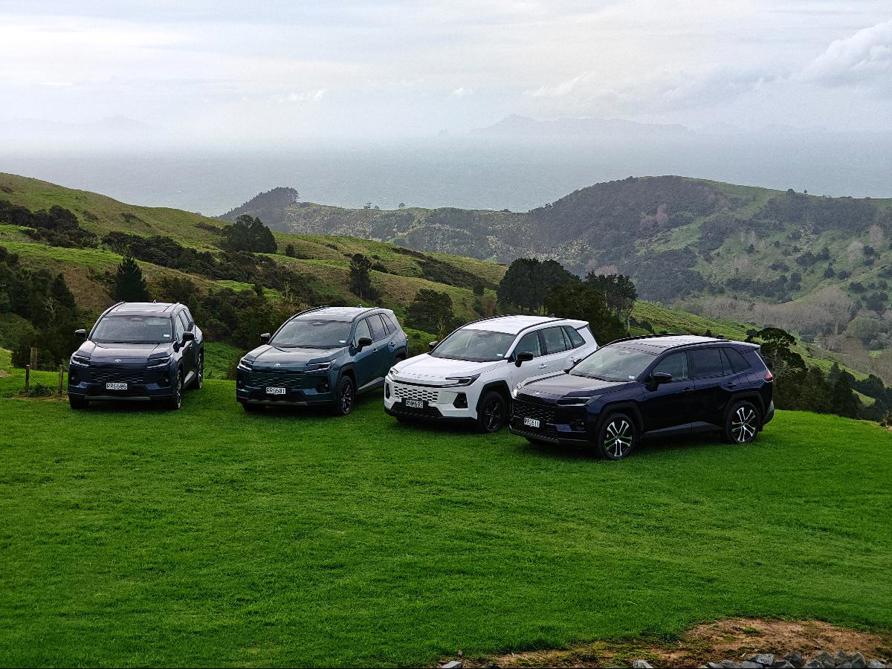
In an unusual twist, the all-new RAV4 is exactly the same size as the model it replaces - something that is almost unheard of in the modern automotive world – as apparently, Toyota considers the dimensions of the fifth-gen RAV4 the “sweet spot” for mid-size SUVs, and given the model’s unrelenting popularity, that logic is hard to argue with.
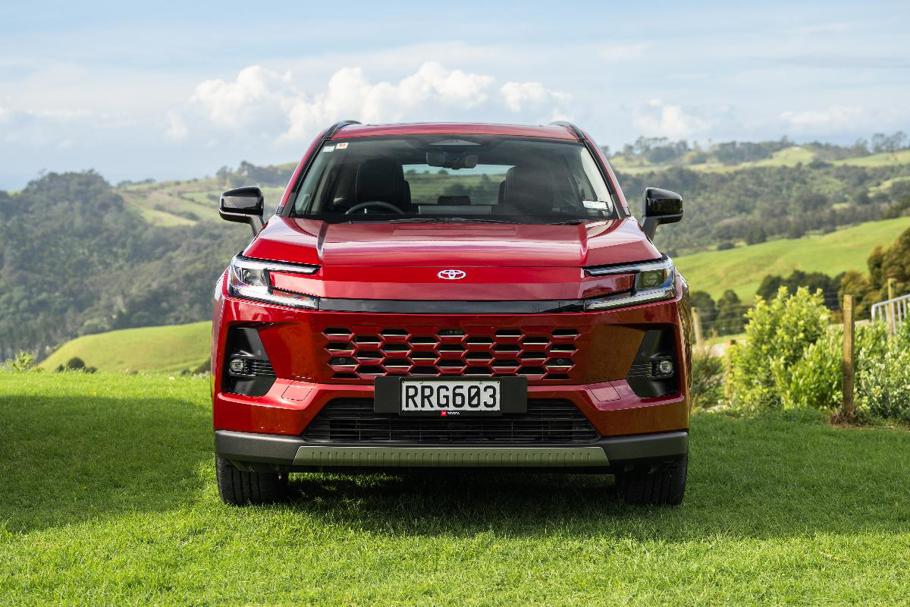
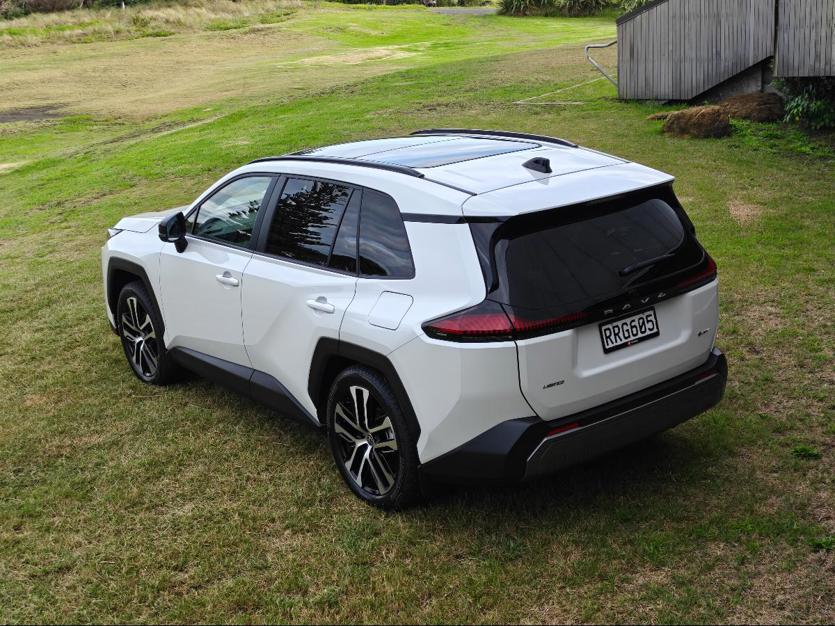
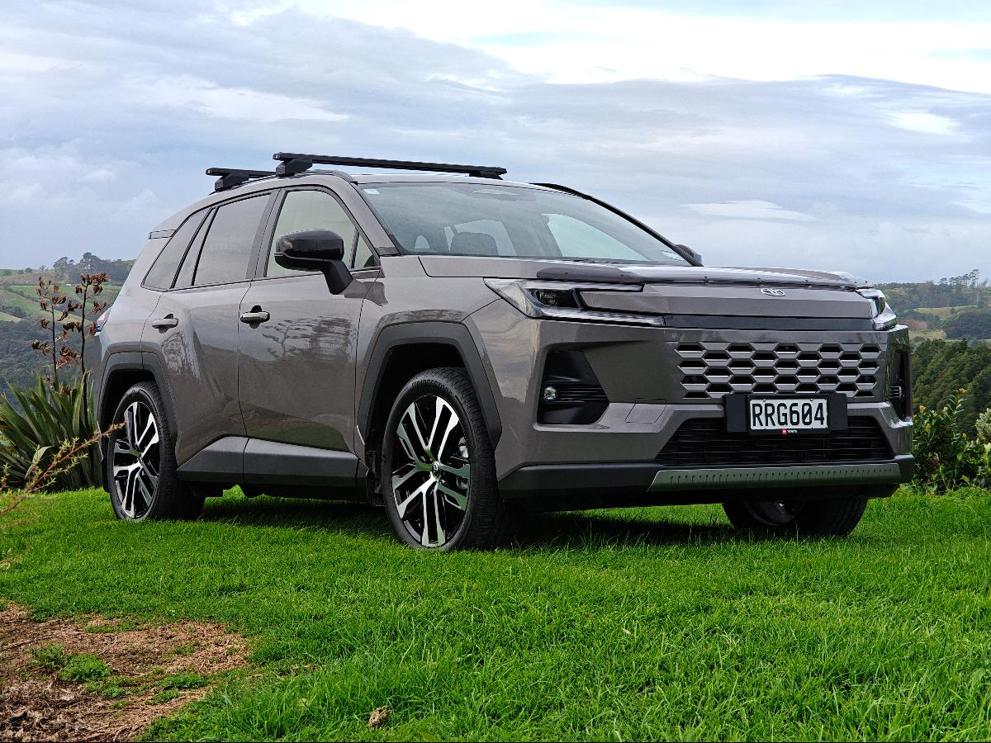
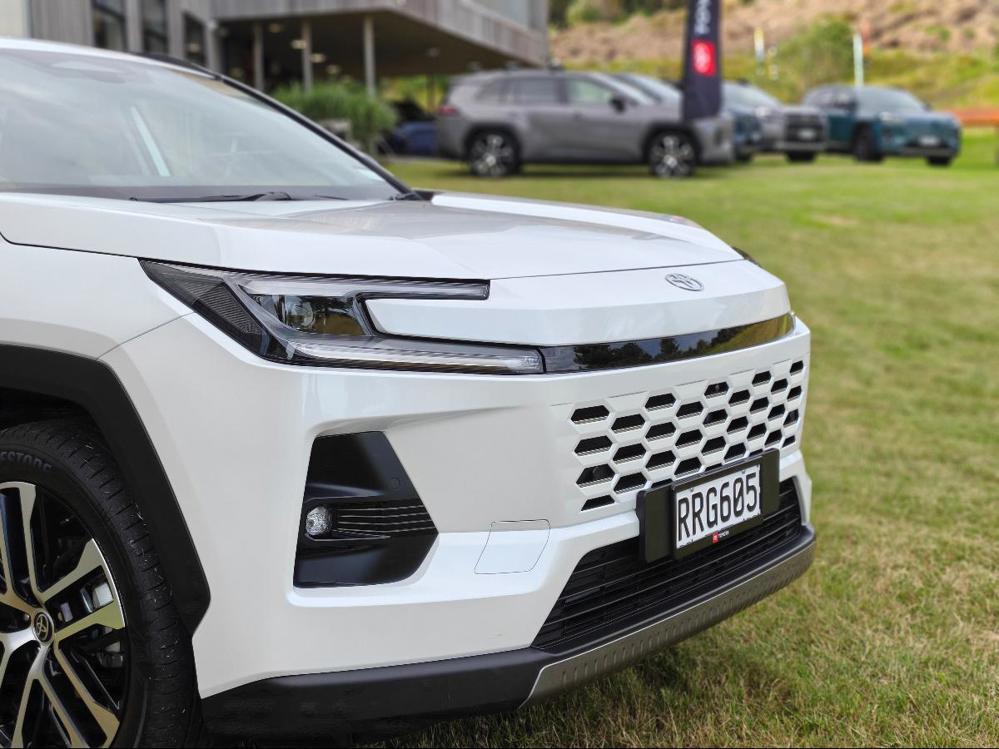
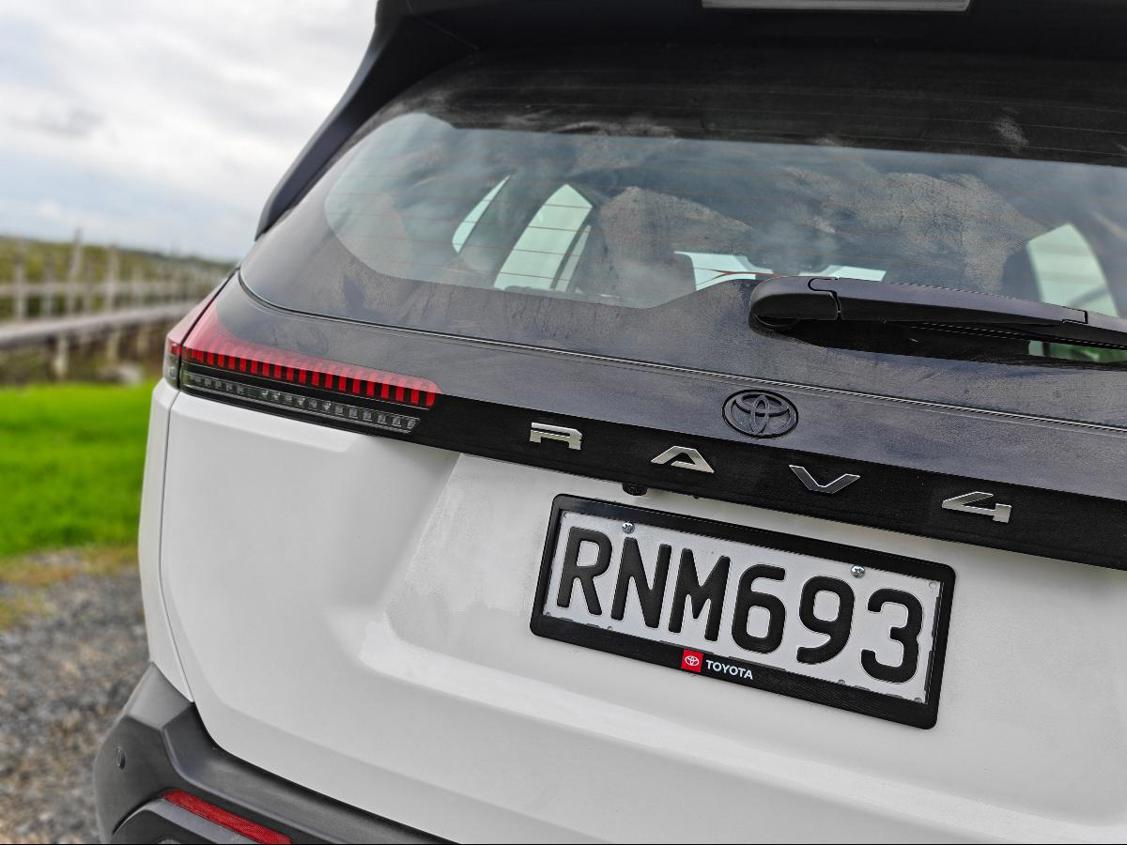
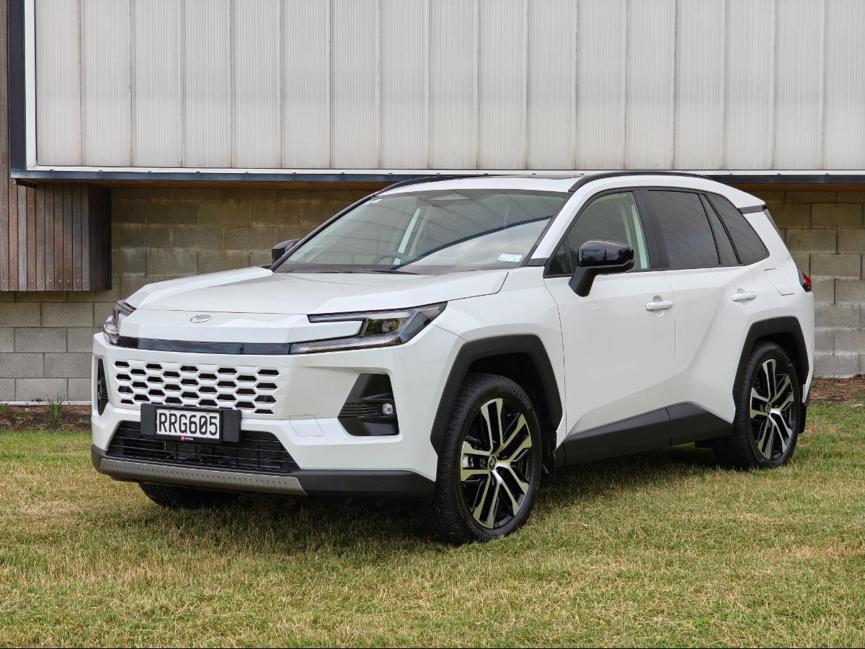
However, the new 6th-gen RAV4 actually looks larger than the car it replaces, thanks to Toyota’s latest “Hammerhead” design language that brings a chunkier look, while a more vertical rear door pulls it more towards Prado looks.
But it’s not just looks - Toyota has hit the RAV4 hard with the tech stick, focusing not just on tech features, but also upping the RAV’s electrification game considerably.
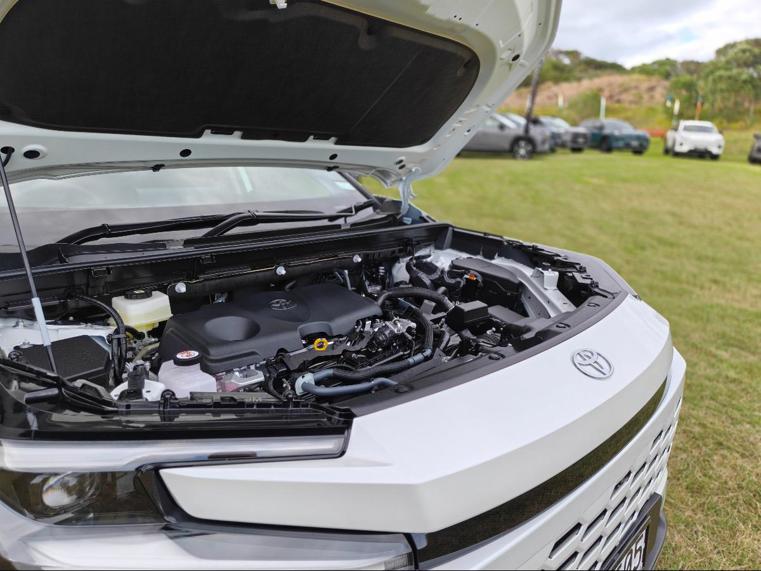
Conventional hybrids launch with Toyota’s fifth-generation architecture that uses a 1.1kWh lithium-ion battery assisting Toyota’s familiar 2.5-litre four-cylinder petrol engine, and a total combined output of 143kW and 221Nm in both FWD and AWD forms.
Refinement has been massively improved across the range, with even the entry (let’s face it - rental grade) GX being impressively refined.
Meeting Euro 6 emissions requirements has necessitated a shift to 95-octane fuel, and while total system output drops by 20kW on paper due to emissions calibration, overall performance has improved, with the new AWD hybrid accelerating to 100km/h 0.4 seconds quicker than before, while running at lower RPM with reduced CO2.
But it is the new plug-in hybrid version that is the defining story for New Zealand. The RAV4 PHEV moves to Toyota’s sixth-generation hybrid foundation anchored by a larger 22.7kWh lithium-ion battery.
Hardware packaging has been reworked to reclaim cabin space: the DC-DC converter previously under the rear seat is integrated into the transaxle and relocated to the engine bay, while the power control unit is miniaturised and moved, and AC charging hardware shifts from the cabin to the engine bay.
The PHEV also introduces DC fast charging at up to 50kW - a notable debut for the RAV4 lineup locally - and Toyota NZ expects to see a real-world EV range of around 90 to 100km, despite the Japanese and Australian use of the outdated NEDC system to claim a figure of 150km.
TNZ also expects some pretty frugal fuel-sipping from the PHEV versions, with anticipated mixed-use fuel consumption of around 3 to 4L/100 km, while performance will be robust: the FWD PHEV delivers 201kW with 0 to 100 km/h in 7.5 seconds, while the AWD PHEV pumps out 227kW and boasts a 0 to 100 time of 5.8 seconds.
GXL and Limited probably mark the two sweet spots in the Hybrid line up, with both adding enough equipment to justify the relatively modest increase in costs over the models under them in either FWD or AWD forms.
But all of that is for later, as the PHEV isn’t quite here yet, and this launch event focused squarely on the conventional hybrid range.
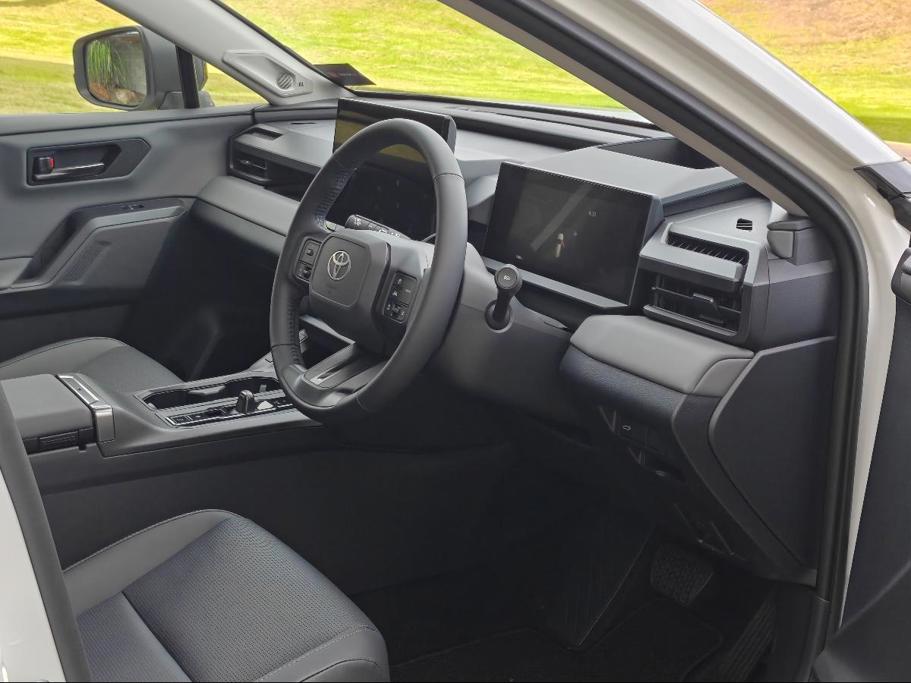
Toyota says the new gen-six car is its first “software-defined” RAV4, built on the company’s in-house software platform “Arene” that brings a modern multimedia experience, deeper connected services, enhanced safety assistance, and over-the-air updates.
The multimedia system offers a more smartphone-like interface and smoother operation, with companion phone and watch apps, while connected services launch locally with the MyToyota Connect app and smartwatch integration, co-designed with Australian telematics company Intellimatics for New Zealand processes.
The new software package brings remote connection, along with SOS Emergency Call and Automatic Collision Notification with detailed telemetry (location, rollover status, airbag deployment count, occupant count and seatbelt usage, last known speed, direction of travel), and Stolen Vehicle Tracking via a 24/7 call centre.
Toyota Essentials (SOS and ACN) will be complimentary for the life of the vehicle (or until 4G/5G sunset), while Connected Multimedia is included for six years, and Connected Plus for four years, before switching to subscription-based options with opt-outs available in-app.
Responsive turn-in and a surprisingly agile feel marks out all grades of RAV, meaning that an even sharper GR Sport is a tantalising prospect.
The new RAV4 also gets advanced voice technology, with the system now responding in around one second - down from three-to-four seconds - with Toyota saying it now offers a more natural, conversational interaction.
The assistant covers audio, navigation, vehicle settings, and phone apps with roughly 200 commands. Multiple microphones improve recognition accuracy and noise handling, and Toyota emphasizes opt-in data sharing with transparent controls; emergency functions such as e-call remain active regardless of other toggles.
And for anyone ever frustrated by voice recognition systems being unable to understand local names, TNZ also offering localised support for Te Reo Māori in a forthcoming OTA software update, beginning with more than 90 of the most common Māori place names, with recognition tuned for both correct and “commonly used” (ie: incorrect) pronunciations.
How much does it cost?
Toyota New Zealand is launching the RAV4 in both FWD and AWD configurations, with FWD GX Hybrid kicking off the range at $49,990 for the FWD model and $52,990 for the AWD.
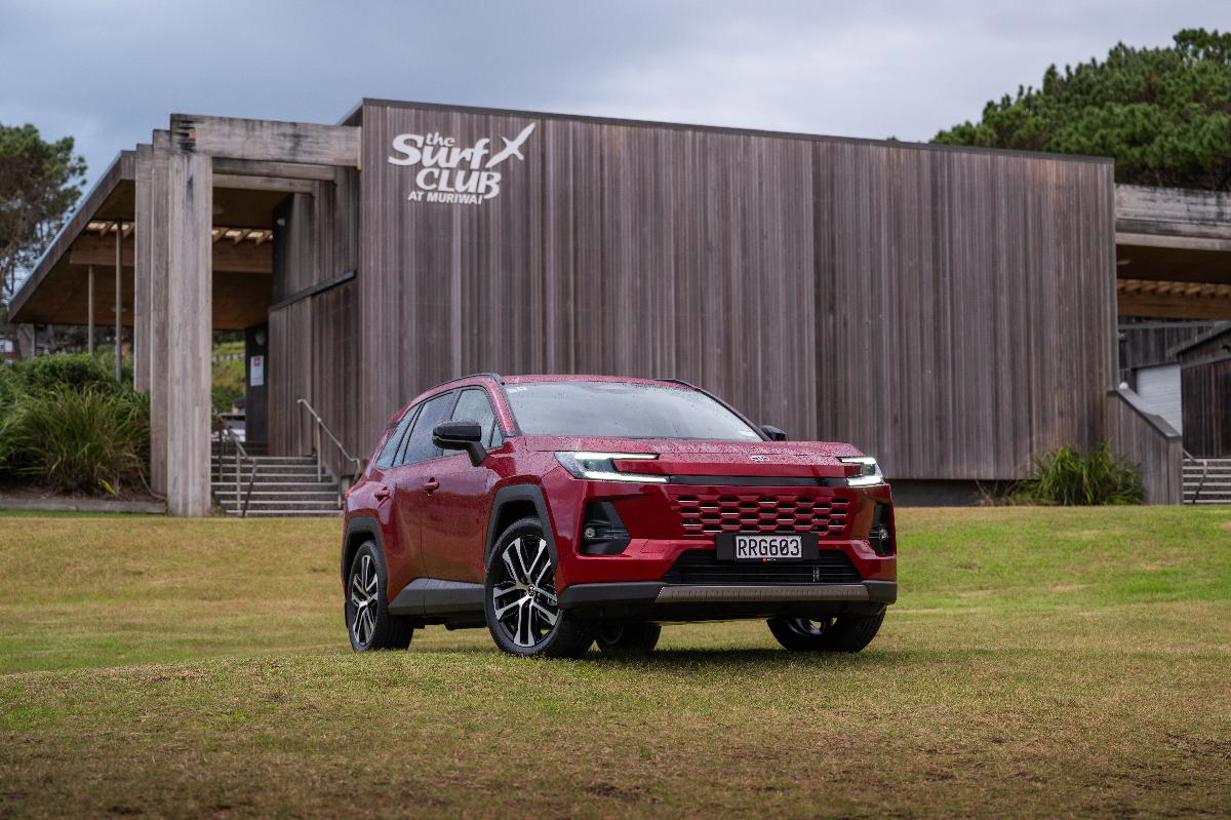
The entry GX comes standard with the entire connected suite described above, as well as 17-inch alloy wheels, automatic LED headlights and DRLs, power adjustable door mirrors, fabric upholstery with 6-way manually adjustable front seats, dual zone climate control, a 10.5-inch touchscreen infotainment system with wireless Apple CarPlay and Android Auto, a 12.3-inch digital dash cluster, voice recognition and an integrated dashcam with a continuous 90 recording loop.
In an unusual twist, the all-new RAV4 is exactly the same size as the model it replaces - something that is almost unheard of in the modern automotive world.
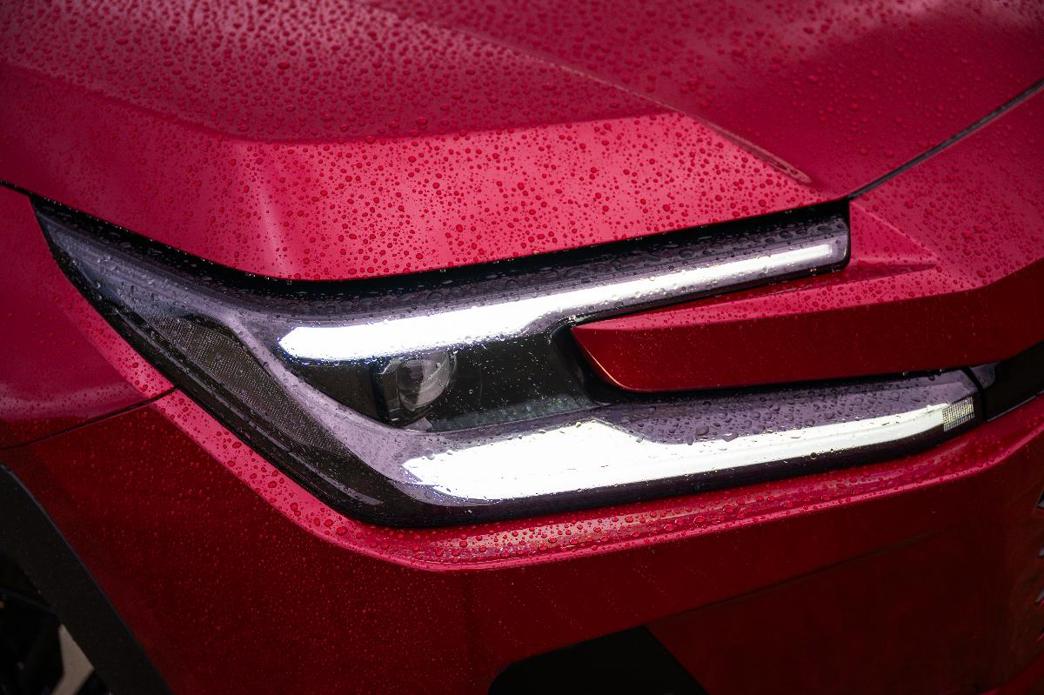
The GXL is next at $52,990 for the FWD, $55,990 for the AWD and $57,990 for the FWD PHEV, and adds 18-inch alloy wheels, rain sensing wipers, a 10-way adjustable drivers’ seat, a genuine leather steering wheel and synthetic leather interior trim, gloss black exterior trim, silver lower bumper garnishes, and rear privacy glass. The GXL PHEV also adds that bigger battery, 90km+ electric range and bulkier 201kW total system output.
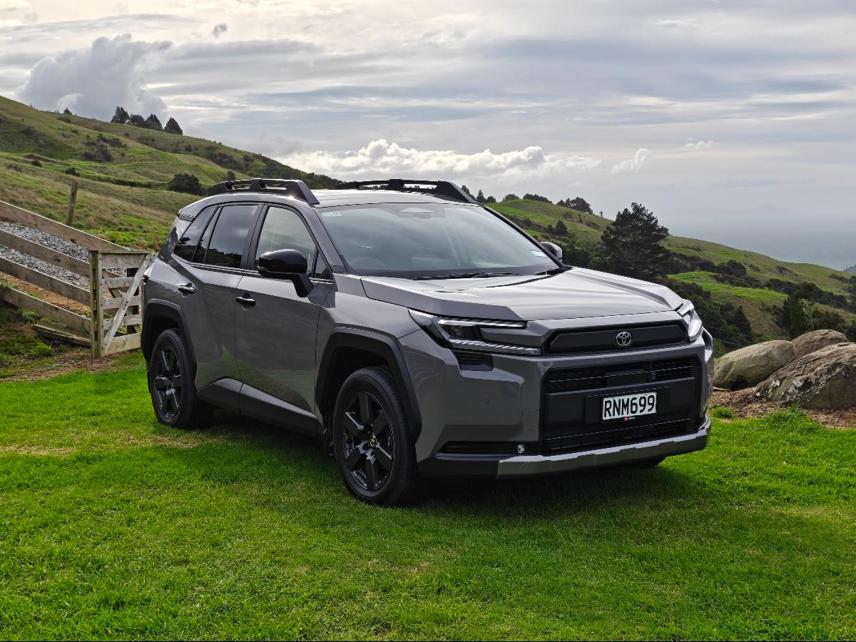
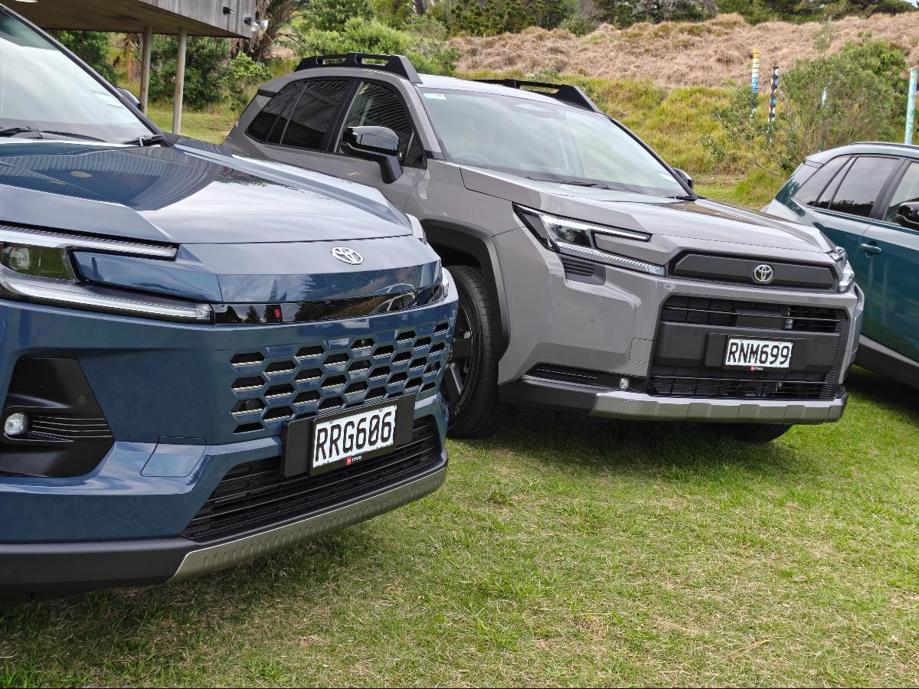
The $60,990 Adventure Hybrid is only available in AWD form and adds a unique front-end design to differentiate it from the rest of the range, as well as a different style of 18-inch alloy wheel and chunkier roof rails.
The Adventure also adds a 12.9-inch infotainment screen, power tailgate, synthetic leather upholstery and power adjustment for the drivers’ seat, and heated front seats.
The $61,990 XSE PHEV AWD closely mirrors the Adventure Hybrid’s specs, with the exception of the different frontal styling, but also adds 20-inch alloy wheels, a panoramic sunroof, synthetic leather and Ultrasuede upholstery, heated and ventilated seats, and 8-way power adjustable passengers’ front seats.
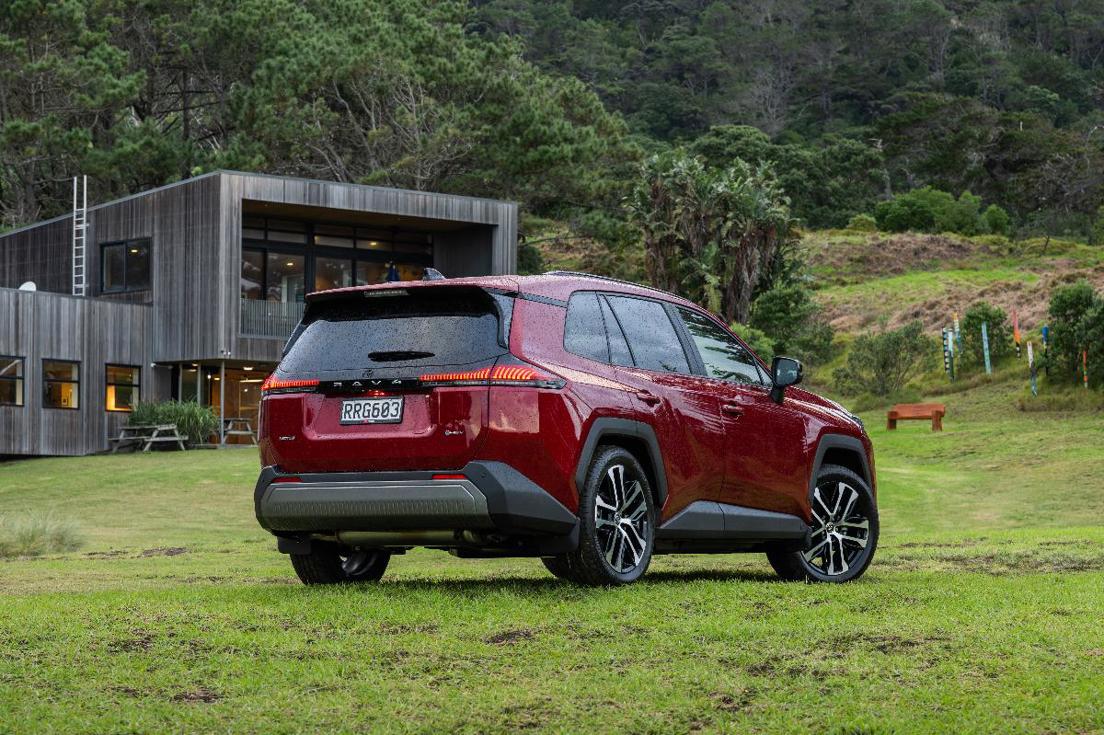
Topping the hybrid range is the $63,990 Limited Hybrid that adds 20-inch alloy wheels, leather-accented seats, heated rear seats, a head-up display, a digital rear view mirror, dual wireless charging pads, a panoramic sunroof, and a kick function for the power tailgate.
Under the skin, the GR Sport sits 15mm lower than other variants and uses dedicated springs and dampers with increased damping force.
Topping the range overall is the first-ever Gazoo-tweaked RAV4, the GR Sport PHEV at $66,990, that pumps the power up to 227kW and gets unique frontal styling, including a gloss mesh front grille, as well as a gloss black rear upper spoiler at the back. Interior additions include synthetic leather/microsuede seats, a GR Sport steering wheel with red stitching, and an exclusive electronic power steering mapping in sport mode.
Under the skin, the GR Sport sits 15mm lower than other variants and uses dedicated springs and dampers with increased damping force, while the GR-specific alloy wheels are aerodynamically designed to reduce internal air pressure and are 2.2kg lighter per wheel than the 20-inch wheels used on Limited and XSE grades.
What’s it like to drive?
Sadly, we only got to sample the standard Hybrid range at the launch - the PHEVs are on their way soon - but the improvements made over the previous model are immediately noticeable.
Refinement has been massively improved across the range, with even the entry (let’s face it - rental grade) GX being impressively refined. Sure, it is still clearly an entry-level car with a CVT (ie; a rental company model), but it never gets ragged or coarse, and boasts impressively sharp handling for a low-grade mid-size SUV.
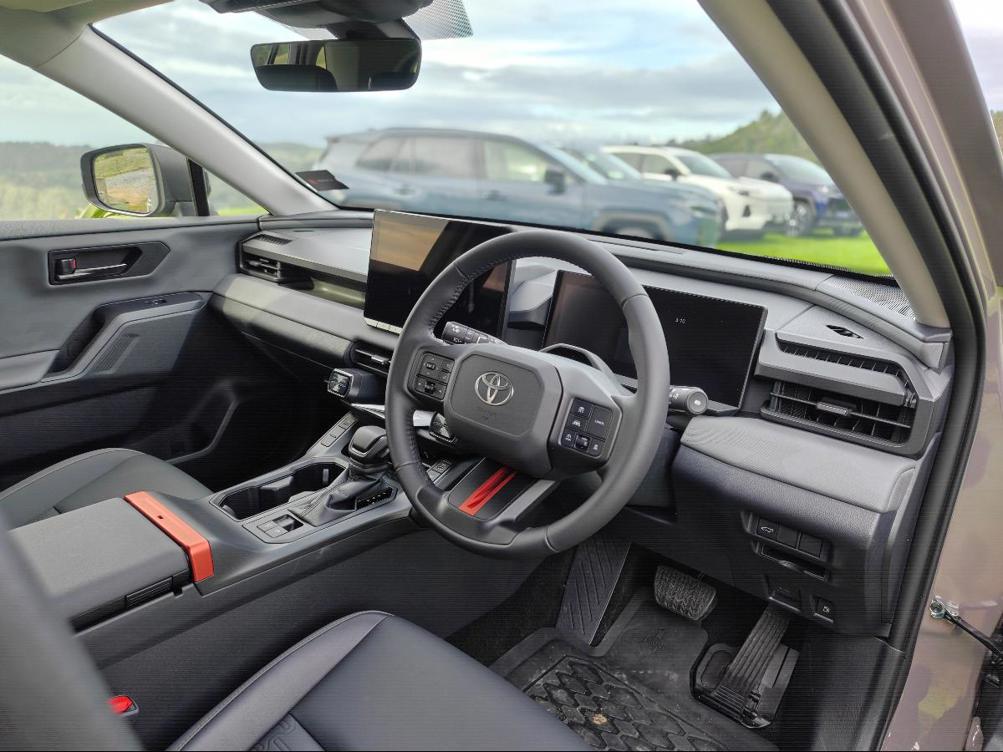
Moving into higher grade AWD models and the refinement continues to impress, with both ride quality and handling feeling exceptionally well-judged and capable. Responsive turn-in and a surprisingly agile feel marks out all grades of RAV, meaning that an even sharper GR Sport is a tantalising prospect.
Driver assists and monitoring systems were nicely judged and utterly non-intrusive, save for the dash cam that could be provoked into firing up relatively easily, although we are assured the sensitivity is adjustable and - along with all other driver assists - remains how you set it after turning the car off.
While there is an abundance of hard plastics, particularly in the lower grades, it is of an admirably high quality and adds to the RAV4’s general air of robust practicality.
What’s the pick of the range?
Without driving the PHEVs, we would have to say that the GXL and Limited probably mark the two sweet spots in the Hybrid line up, with both adding enough equipment to justify the relatively modest increase in costs over the models under them in either FWD or AWD forms.
While we wanted to say the Adventure was our pick just because it looks cool, it does lean quite a bit on those looks with the most modest equipment bump over the model below it in the range. Still, it does look cool.
Of course, all of this may change when we get our hands on the PHEVs, with all three models offering deeply convincing propositions on paper. Plus more power, so that’s always good…
What other cars should I consider?
Given its medium SUV size, electrified focus, and broad grade spread, the new RAV4 competes directly with a number of hybrid and plug-in hybrid entries including the Nissan X-Trail ($45,990 to $58,990), Hyundai Tucson ($45,990 to $72,990), Kia Sportage ($49,990 to $64,990), Honda CR-V ($51,000 to $75,000), Mitsubishi Outlander ($43,990 to $81,990) and Subaru Forester ($49,990 to $62,990).
It should be noted, however, that the cheapest entry level models for all these rivals are straight ICE, with the hybrids starting slightly higher up in the price range, while none of the range-topping PHEVs offer the GR Sport’s big power bump either.
Then there is the Chinese “Super Hybrid” competition, with the likes of the Geely Starray EM-i ($45,990 to to $49,490), Leapmotor C10 REEV ($49,990) and Jaecoo J7 ($45,990) - plus many, many more - all offering up big all-electric ranges for the price of a hybrid RAV4.


