


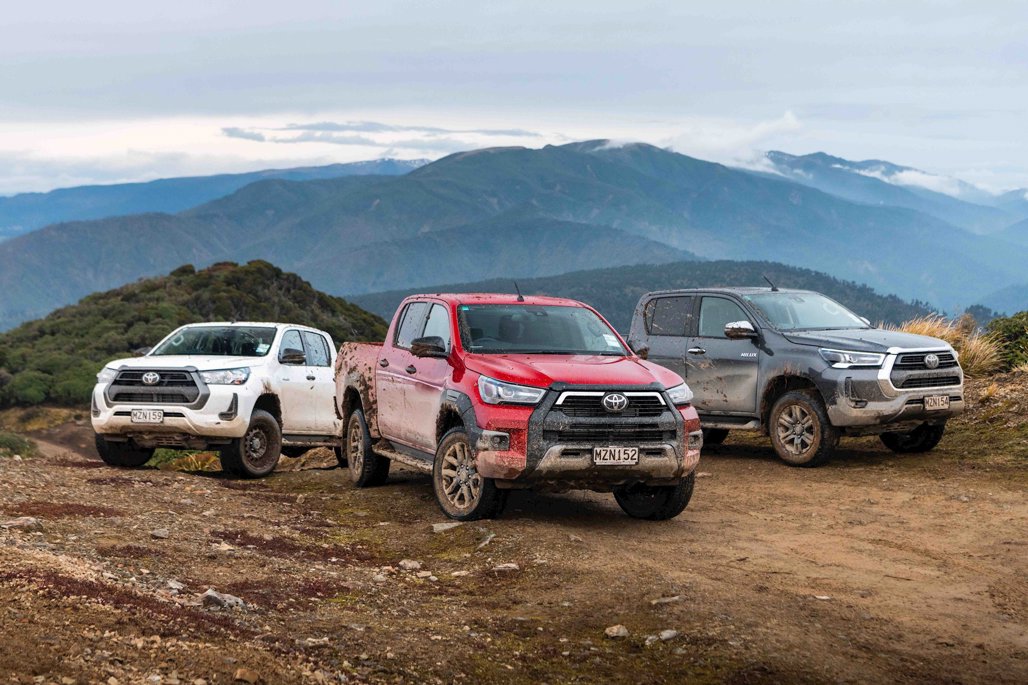
Toyota New Zealand is marking 50 years of the Hilux ute in New Zealand in 2026, with the iconic pickup first landing here in second generation form in 1976.
According to the company are there are more than 135,000 Hilux on New Zealand roads today, many of them still in service after 15 years or more, a longevity that Toyota New Zealand Assistant Vice President Susanne Hardy says reflects the relationship built over time between truck and driver.
"It’s a true workhorse. The Hilux has shown up day-in, day-out for 50 years, in the environments that make up the backbone of New Zealand."
The original Hilux launched in 1968 looking less like a rugged farm ute and more like something that delivered milk bottles. Small, simple and rear-wheel drive, it was built during an era when “utility” basically meant “tiny with no cupholders.”
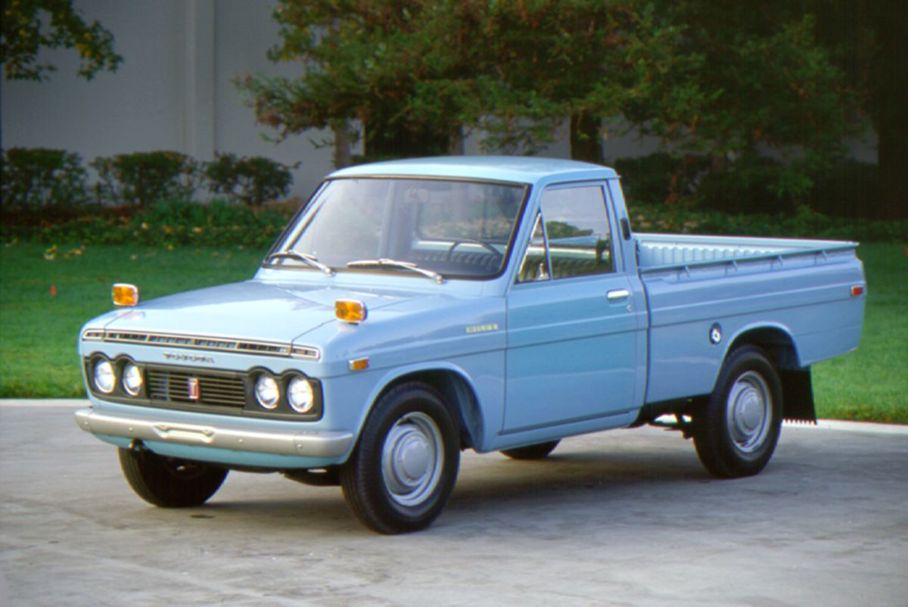
But it quickly earned a reputation for toughness and affordability. Toyota had stumbled onto something big, even if the truck itself was tiny.
Power? Not much. Comfort? Absolutely not. Reliability? Most definitely.
That first Hilux never came here, but in 1976 Toyota New Zealand launched the second generation one here and, well, the rest is history.
Second generation (1972 to 1978)
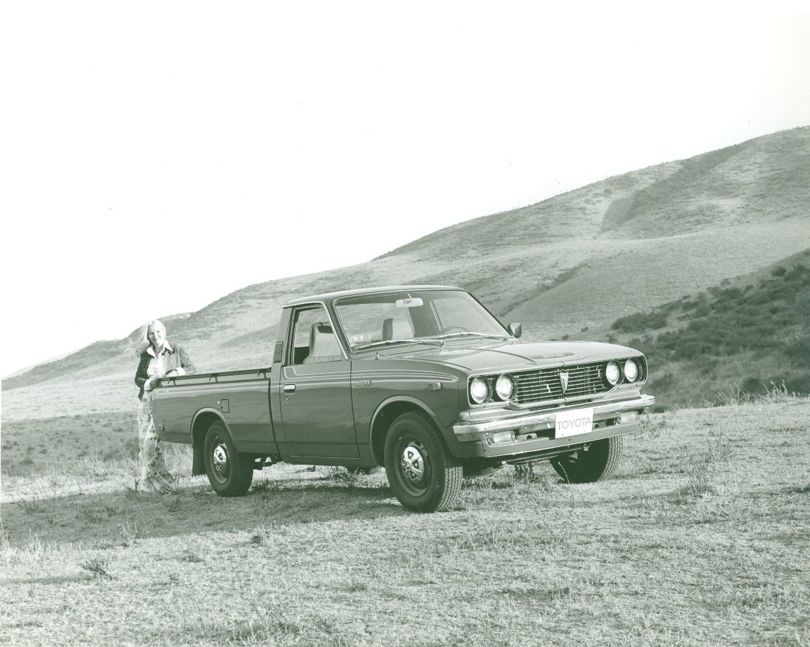
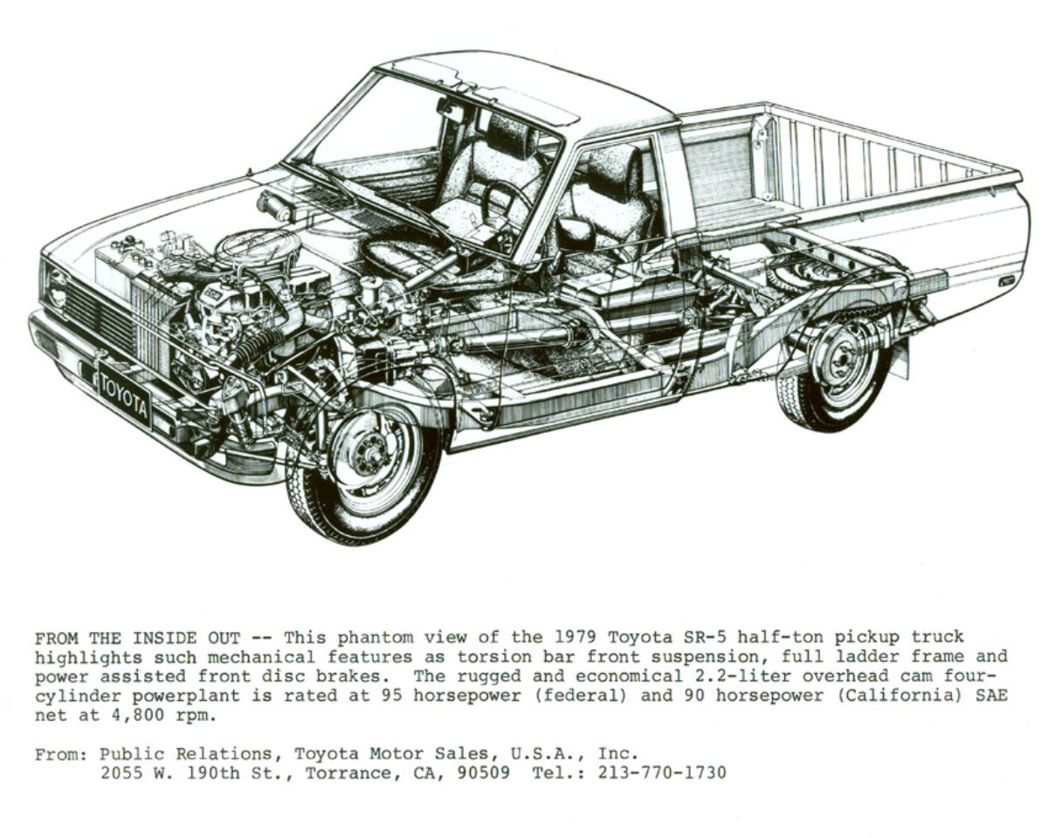
Toyota toughened up the Hilux with more payload, better engines and a wider body for the second generation model in 1972. It was still compact, but now looked like it could survive an argument with a sheep fence.
This generation helped the Hilux expand globally, particularly in Australia and New Zealand, where farmers discovered it could survive abuse that would emotionally destroy lesser vehicles, but it was the 3rd generation where the Hilux really became the Hilux.
Third generation (1978 to 1983)
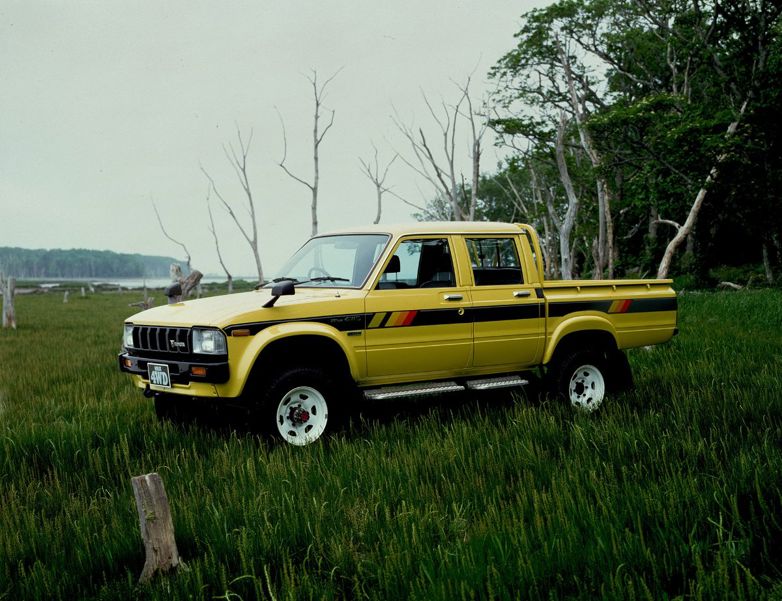
Launched in 1978, the 3rd-gen Hilux discovered off-roading when four-wheel drive arrived (later in 1979), and suddenly Toyota’s little ute transformed from tradie transport into a mountain goat with a tray. Solid axles, low-range gearing and bulletproof simplicity made it a legend among off-roaders.
This one lasted until 1983 when it was replaced by the 4th generation ute that wasn't a massive shift over the 3rd-gen model, but then it didn't need to be. And, let's face it; if you picture a classic Hilux in your head, it’s probably the 3rd/4th-gen models, not least thanks to the legendary television advertisements that featured Kiwi icon Barry Crump and his fish-out-of-water townie mate Lloyd Scott that started in 1982.
Fourth generation (1983 to 1988)
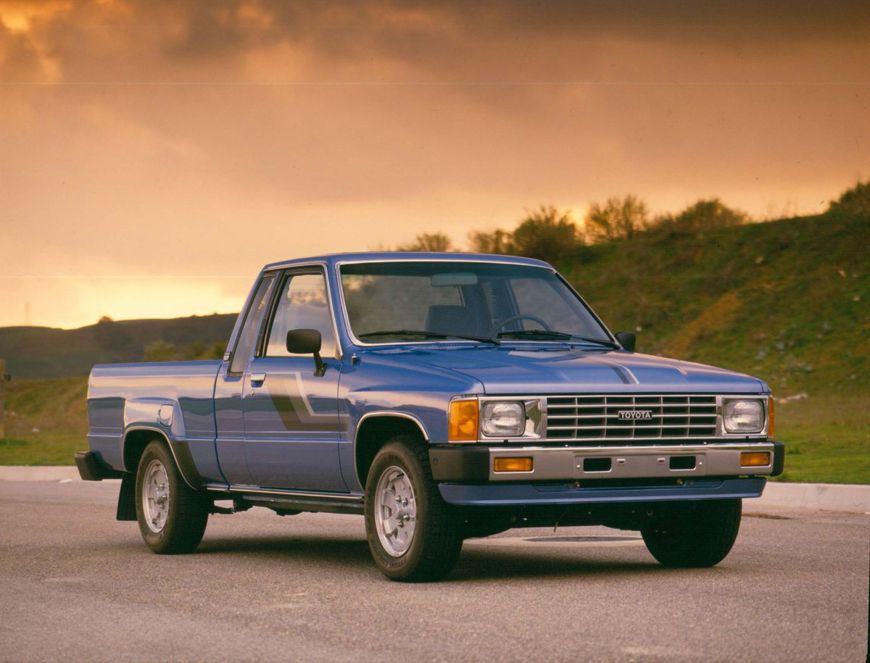
The 4th-gen Hilux sported a squarer body, with a chunky stance, and became famous thanks to appearances in movies like Back to the Future (and, in NZ, with the continued popularity of the Crumpy and Scotty TV ads), while off-road enthusiasts worshipped the solid front axle models.
Today, clean examples are worth absurd money because everybody wants one and none of them ever actually died.
Fifth generation (1988 to 1997)
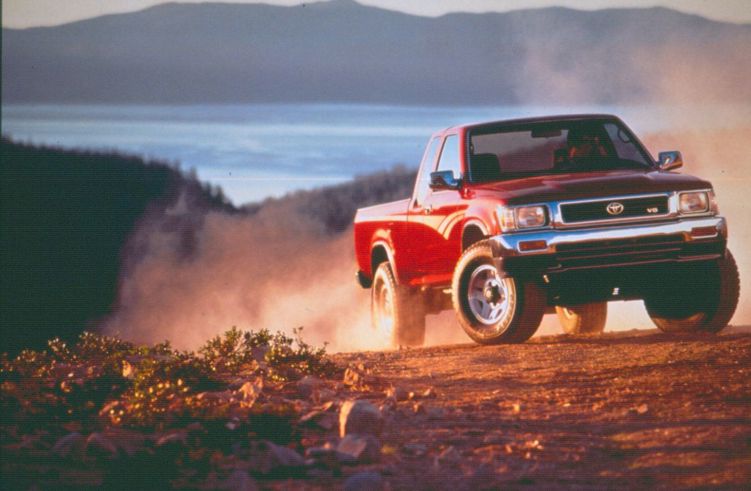
In 1988 Toyota released the 5th generation of Hilux that was smoother, safer and more civilised without losing its work ethic. Double cabs became increasingly popular, meaning families could now justify owning one by pretending it was “practical.”
Diesel engines became a core part of the Hilux identity during this era too - they were slow and noisy, but added to Hilux's bulletproof reputation by seemingly being capable of running forever on sheer stubbornness.
It was also the generation of Hilux that became a global media superstar thanks to Top Gear - in one of television’s greatest automotive torture tests, presenters drowned, crashed, burned and dropped a 1988 Hilux with more than 300,000km on the clock from a building… and it still started afterwards.
Sixth generation (1997 to 2004)
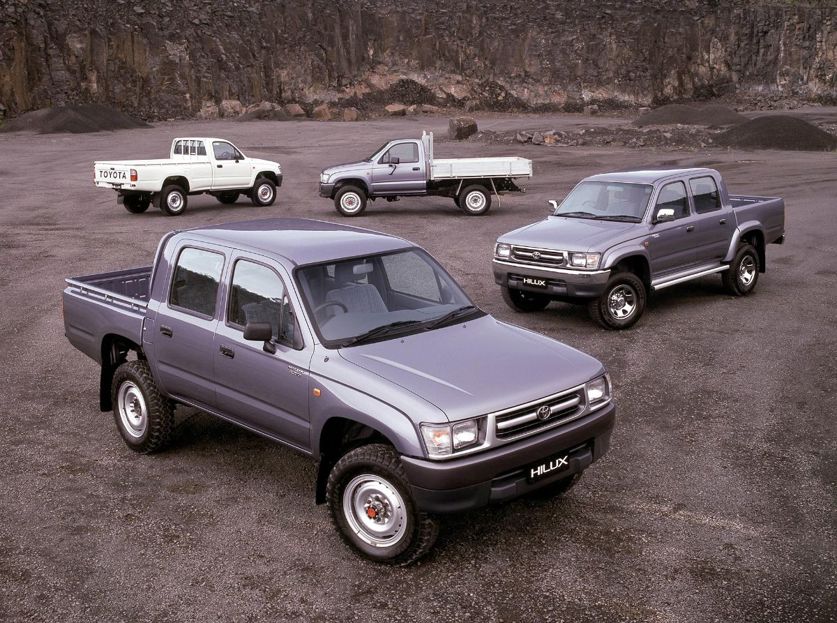
Launched in 1997, the 6th-gen Hilux was the vehicle that achieved immortality thanks to both the Top Gear stunt (using the previous model, but taking place during this generation's run) and a sweary TV advert.
Conceived to continue the run of popular TV adverts for the Hilux that started with the legendary Crumpy and Scotty ads that started in 1982 and ran for 12 years, the 6th-gen Hilux achieved notoriety as the star of Toyota's infamous "Bugger" ad that racked up many complaints, but many, many more fans. At this point the Hilux stopped being just a ute and became folklore.
While it finished production in Japan in 2004, it continued on for export markets for a further two years.
7th generation (2004 to 2015)
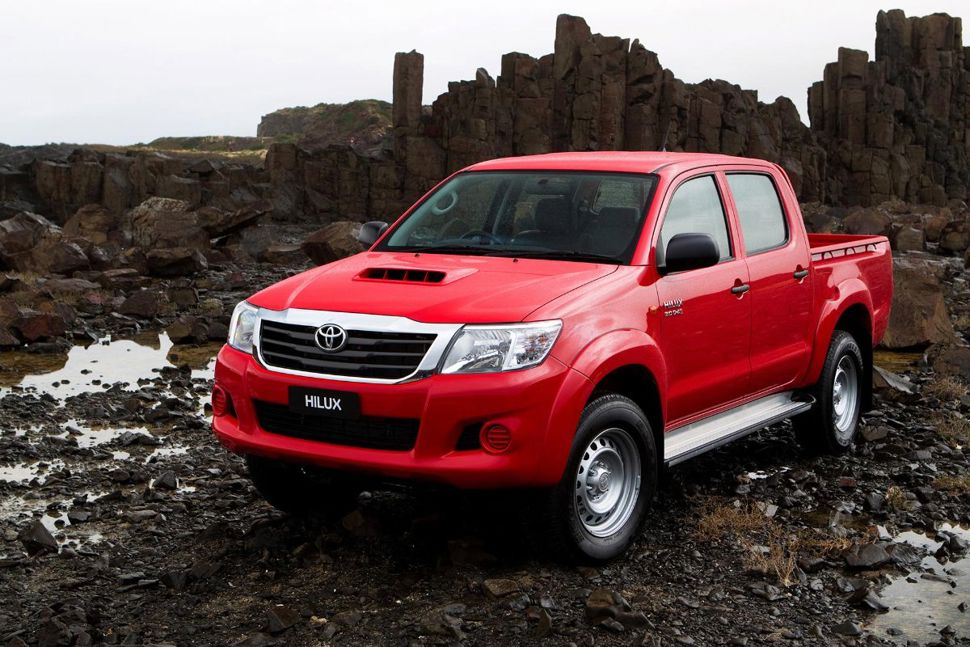
Production for export models moved from Japan to Thailand for the 7th generation Hilux in 2004, and all our Hiluxes have come from their since.
The 7th-gen Hilux was bigger, safer and dramatically more refined, leading Toyota to lean heavily into lifestyle marketing, turning the Hilux into something aspirational not only for the traditional buyers of tradies and farmers, but also families and people who had never once put muddy boots in the tray.
8th generation (2015 to 2025)
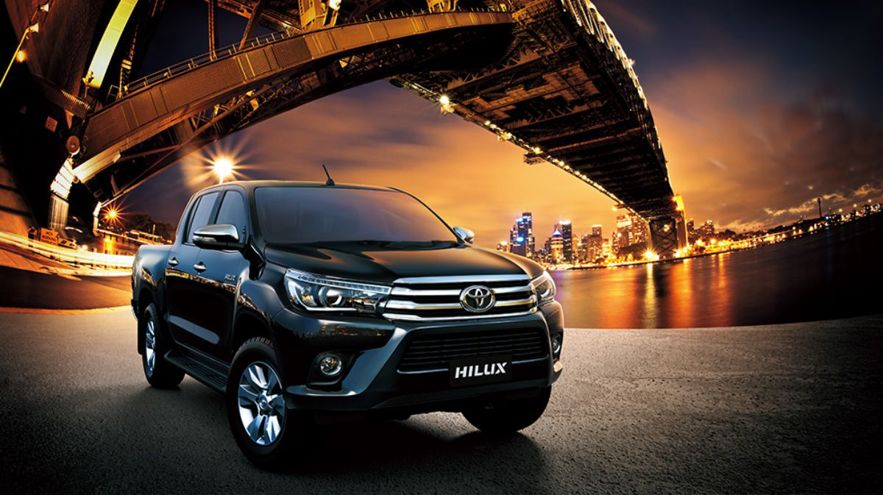
The 8th-gen Hilux landed in 2015 with polarising styling that was an attempt to win back customers from the T6 Ford Ranger that had landed at the end of the previous Hilux model's lifespan in 2011 and promptly knocked the Hilux off the top spot it had held from more than three decades.
A 2017 facelift toned down the pointy "Boaty McBoatface" nose, but the Hilux faced a new drama when engines built between 2015 and 2020 started having serious DPF (diesel particulate filter) problems leading to engine failures. Toyota fixed the problem in 2020 and added a hybrid option in 2024.
9th generation (2025)
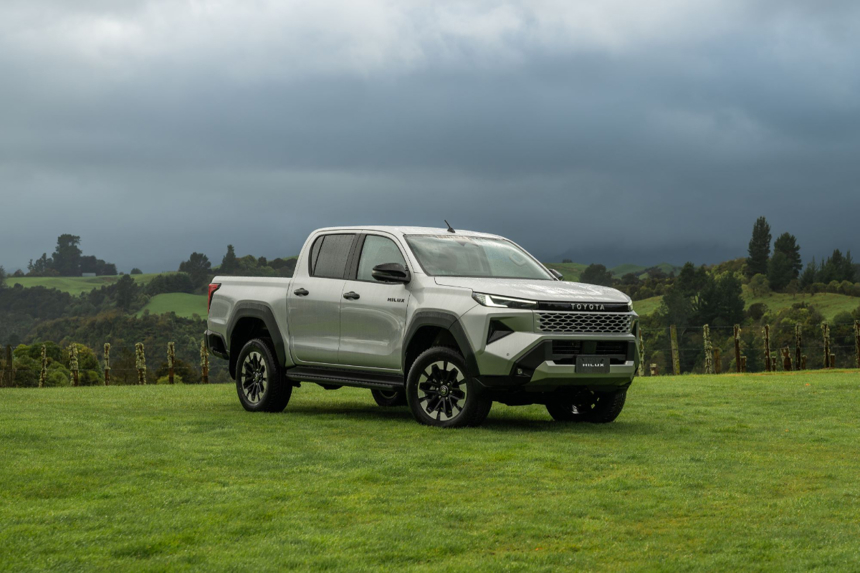
The "new" generation Hilux is actually more of an extreme makeover of the 8th-gen ute, but a drastic enough change that Toyota counts it as a new generation.
With its boldly slabby "Cyber Sumo" styling, Toyota has bolstered the growing diesel hybrid range with an all-electric version, while a hydrogen fuel cell version is also in development.


