



- Hyundai has revealed an all-new Bayon, with a full hybrid powertrain joining the range in 2027.
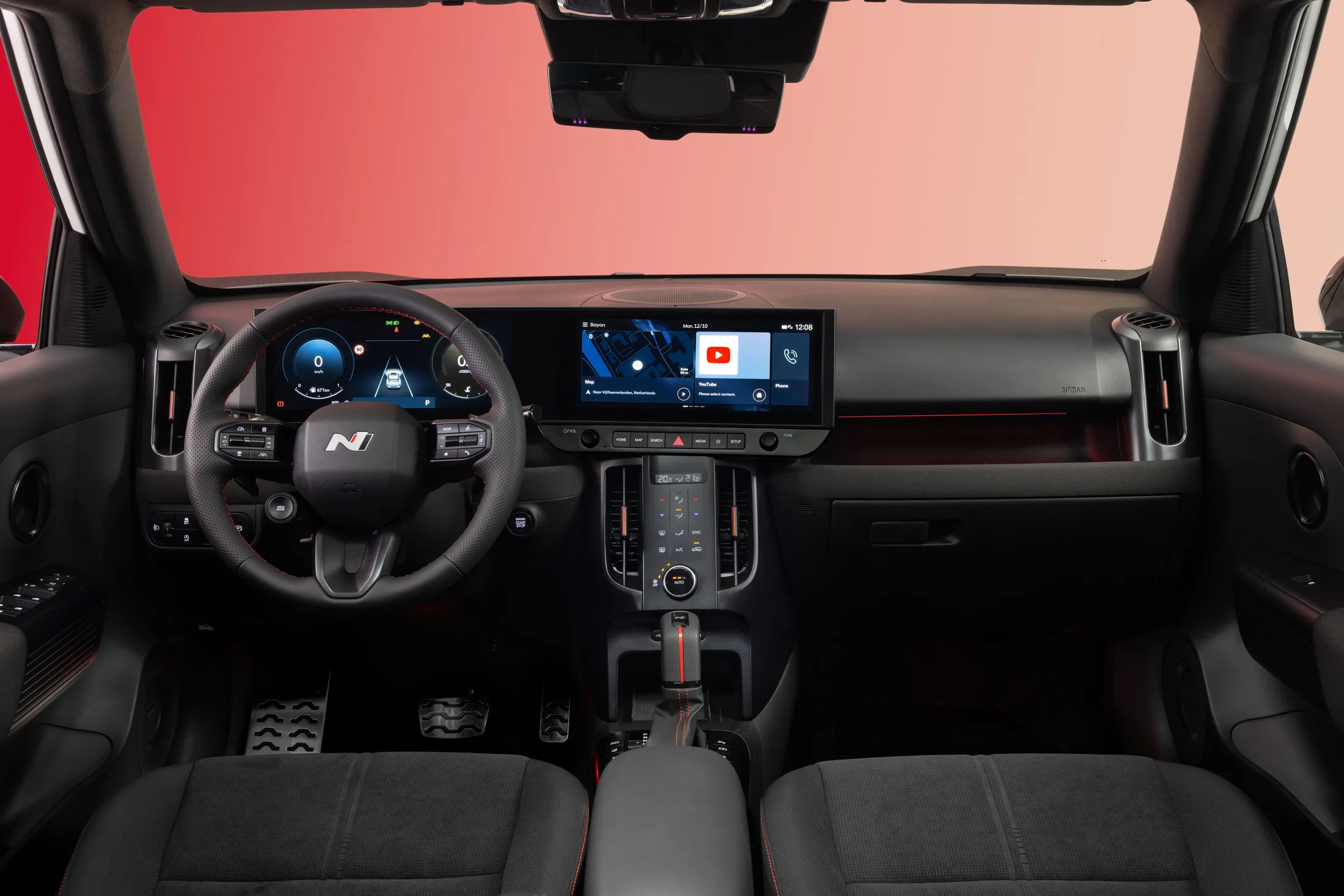
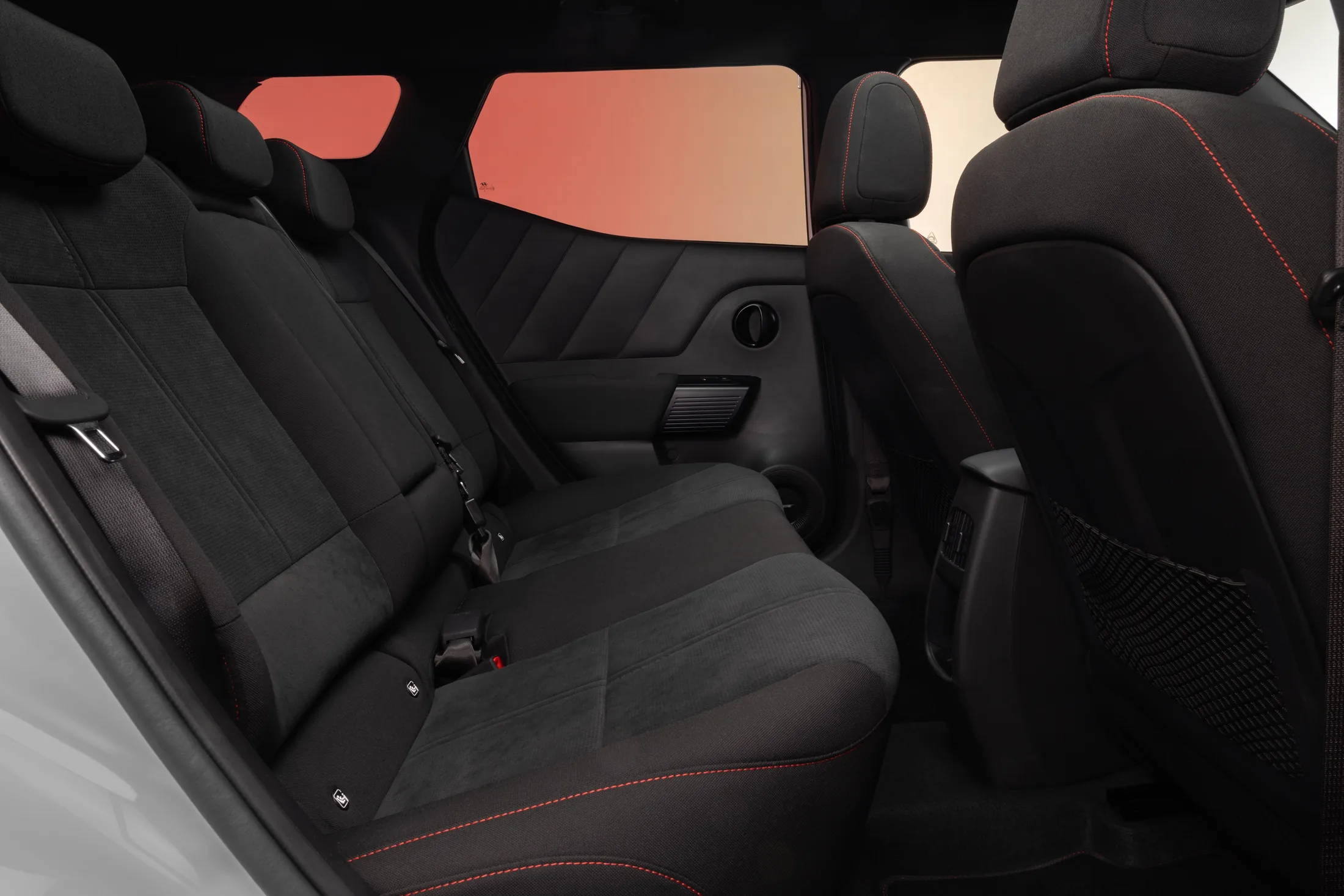
- Available cabin equipment includes heated and ventilated front seats, reclining rear seats and curved dual displays.
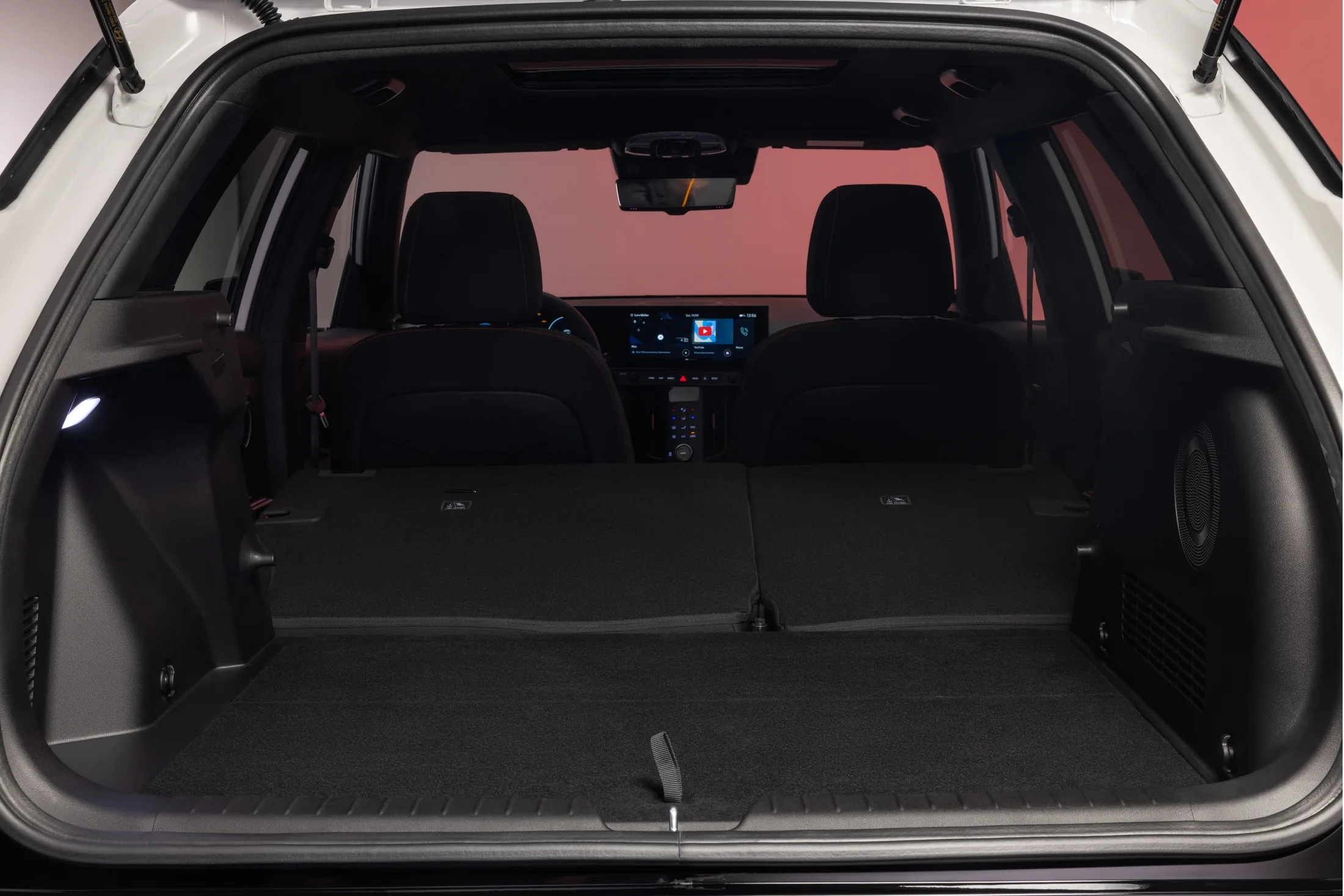
- Projected boot capacity is 440 litres for petrol versions, falling to 397 litres in the hybrid.
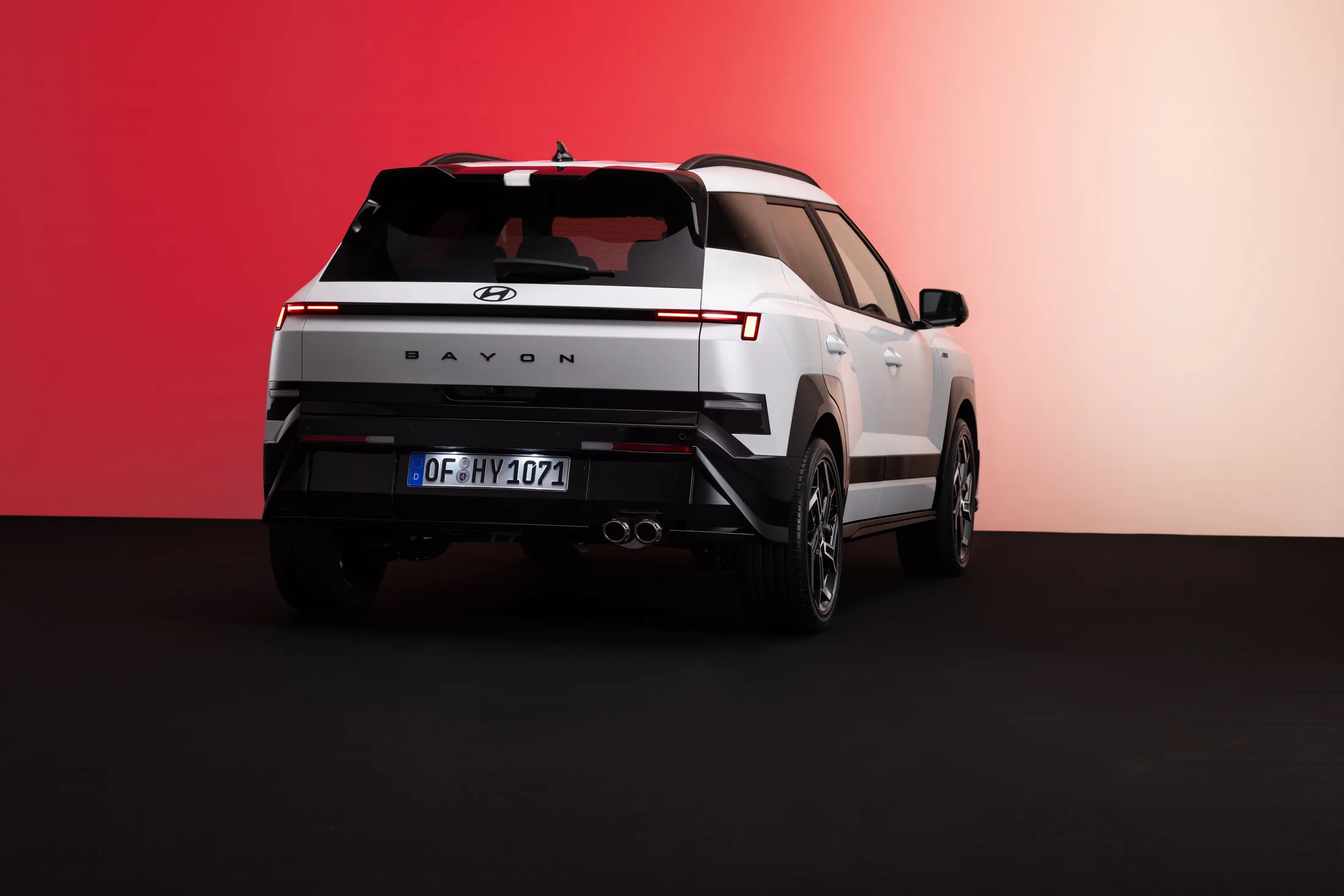
Hyundai has revealed an all-new Bayon at the Paris Motor Show, giving its small SUV a new design and available cabin equipment that includes reclining rear seats and an opening panoramic roof.
The European model will have a choice of petrol engines, with a full hybrid joining the range in 2027. It measures 4245mm long and 1810mm wide, with a 2600mm wheelbase, and will be built in Türkiye.
The N Line version puts a sportier spin on the design with 18-inch alloy wheels, gloss-black cladding and a rear diffuser with twin exhaust outlets. Inside, it has seats upholstered in cloth and textile suede.
Seats, screens and storage
Front occupants can have heated and ventilated seats, while reclining rear seats, rear-seat heating and ventilation outlets are also available. Equipment depends on the market and specification.
The dashboard can accommodate a curved arrangement of dual 12.3-inch displays. Wireless Apple CarPlay and Android Auto are available, alongside Hyundai's Digital Key 2, which lets owners use a compatible phone or watch as their key.
Driver assistance options include Highway Driving Assist 2, a 360-degree camera and a blind-spot view monitor. Hyundai projects 440 litres of boot space for the petrol models and 397 litres for the hybrid.
Hybrid joins in 2027
The 1.0-litre turbocharged petrol engine comes in approximately 66kW and 85kW versions, with six-speed manual or seven-speed dual-clutch transmissions. The Bayon is front-wheel drive.
For the hybrid, Hyundai plans to pair a 1.6-litre petrol engine with an electric motor and a six-speed dual-clutch transmission. Expected combined output is 101kW, with performance and energy figures subject to final homologation.
The hybrid will have adaptive regenerative braking, with steering-wheel paddles allowing drivers to adjust the level of energy recovery.


