



- MG Motor has announced a new production facility in Spain, restarting European production.
- Production is scheduled to start in 2028 and the facility will have the capacity to build 120,000 cars annually.
- MG's last European factory in Longbridge, UK, was closed down in 2016.
MG Motor has announced that it will restart European manufacturing at a new facility in Galicia, Spain. The company says the facility will be a strategic hub for its next phase of growth and have an annual capacity of up to 120,000 vehicles, with production scheduled to begin in 2028.
The site will integrate research and development, advanced manufacturing, core component supply, and intelligent logistics operations, forming a "fully connected, end-to-end industrial ecosystem" that will allow the company to deepen collaboration with its European technology partners, research institutions, and local suppliers to "accelerate innovation across key future-facing domains, including next-generation battery technology, intelligent mobility systems, and clean energy solutions."
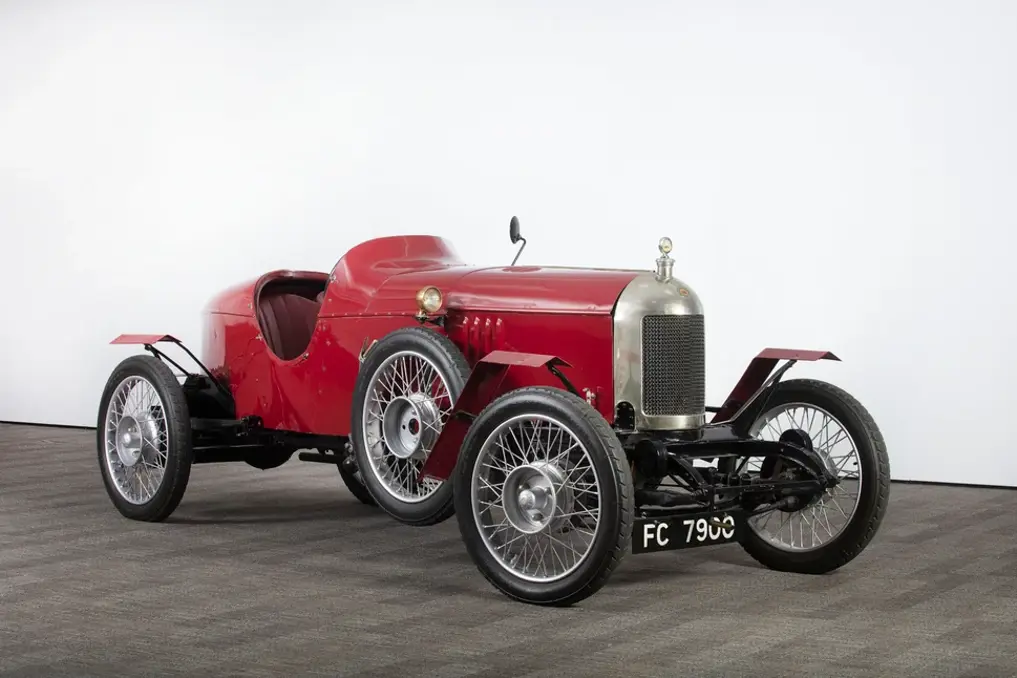
MG was established in Oxford, England, by Cecil Kimber in 1924 to create his own versions of Morris cars. These "Kimber Specials" were badged as both Morris and MG, and were assembled at Morris Garages premises in Oxford, before MG grew large enough to establish its own identity and opened a separate production line in an old leather factory in Abingdon, Oxfordshire.
After numerous changes in ownership, the MG Car Company Limited merged with Morris and Austin to form the British Motor Corporation in 1952. Production of MG sports cars continued at Abingdon, but during this era MG-badged versions of other BMC cars were produced at Longbridge in Birmingham and Cowley in Oxford, while assembly would start in Australia in 1963, and later in South Africa.
BMC merged with Jaguar in 1966 to form British Motor Holdings (BMH), which would again merge with Leyland Motor Corporation in 1968 to create British Leyland Motor Corporation (BLMC).
British Leyland controversially shut down the historic Abingdon plant in 1980, ending production of MG sports cars and seeing the name live on solely as a badge-engineered versions of other BL models. British Leyland became the Rover Group in 1986 and the MGB was revived for the MG RV8 model in 1993, that saw Rover V8s installed in MGB bodyshells that had been put back into production due to demand from the restoration market.
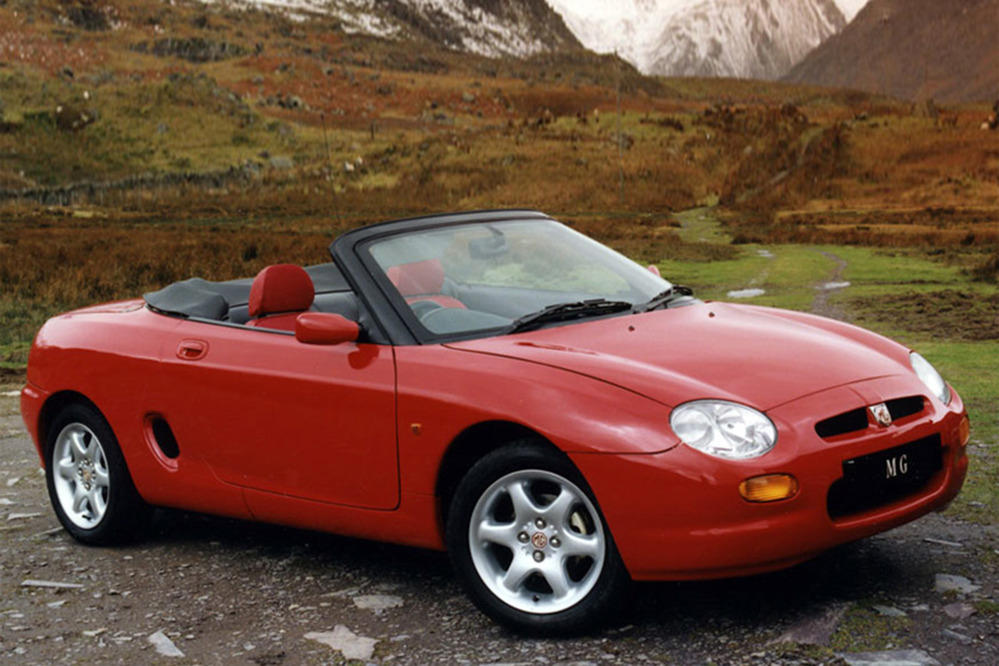
This saw MG production return to the Cowley plant on Oxford - albeit at a very low volume - while under British Aerospace ownership, which sold what was by then called the Rover Group to BMW in 1994. A year later the company launched the mid-engined MG F sports car, with production taking place at Longbridge.
Still more upheaval for MG would see the marque being sold to four Rover Group executives in 2000, who renamed the company the MG Rover Group and based it out of the Longbridge plant in Oxford before going into receivership in 2005.
In 2006 Chinese company Nanjing Automobile Corporation (NAC) would buy the rights to the MG name, along with the MG Rover Group's company assets, including the Longbridge plant, outbidding rival Shanghai Automotive Industry Corporation (SAIC Motor) that managed to snag the Rover name.
NAC restarted production of the MG F (by then known as the MG TF), Rover 25 hatch (called the MG3 SW) and Rover 75 sedan (MG7) in a facility in Nanjing, China, using the production tooling that had been shipped from the Longbridge plant, while production of the TF also continued at Longbridge.
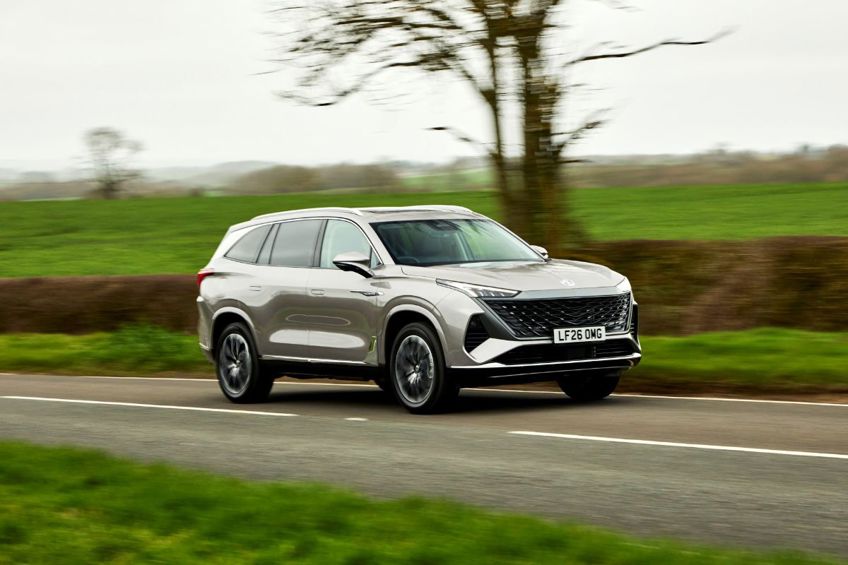
SAIC would then buy NAC in 2007, reuniting MG and Rover, but by 2016 the company announced it was ceasing production at Longbridge, meaning all MGs would be produced in China and, when MG opened its first plant outside the UK or China in 2017, in Thailand.
The return to European manufacturing is part of MG's "In Europe, For Europe’" strategy, and the Spanish plant will cost approximately €200 million and bring more than 2000 jobs.
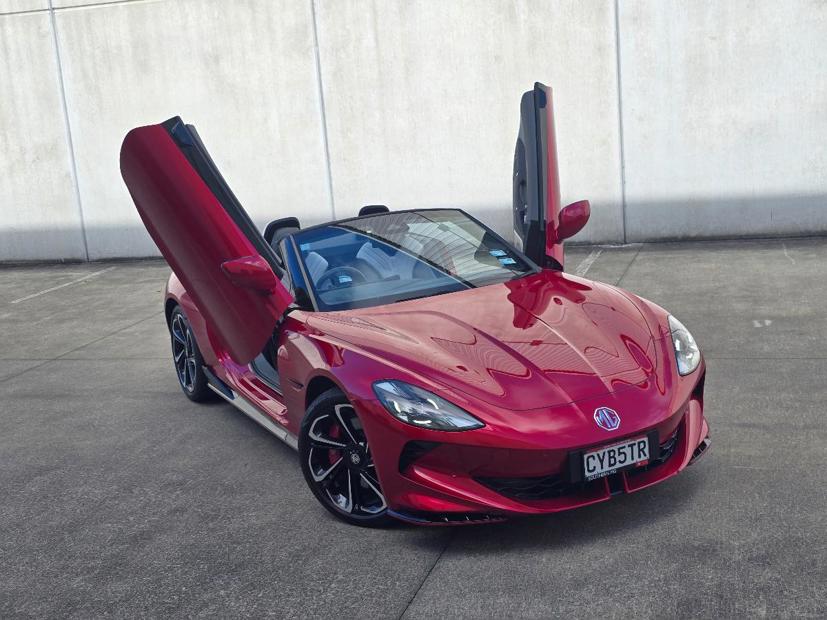
The company says its continued investment builds on strong momentum across this region - earlier this year, the brand celebrated the delivery of its one-millionth vehicle in the European market, and since re-entering the UK in 2011, MG has become one of Europe’s fastest-growing automotive brands.