



- New electrified utes from BYD, Toyota & Jac.
- MHEV, PHEV and BEV covered.
- Tow ratings up to 3.5 tonnes.
Remember when the idea of an electrified ute seemed out of reach? For so long, diesel power dominated the market and it was hard to see any other way forward.
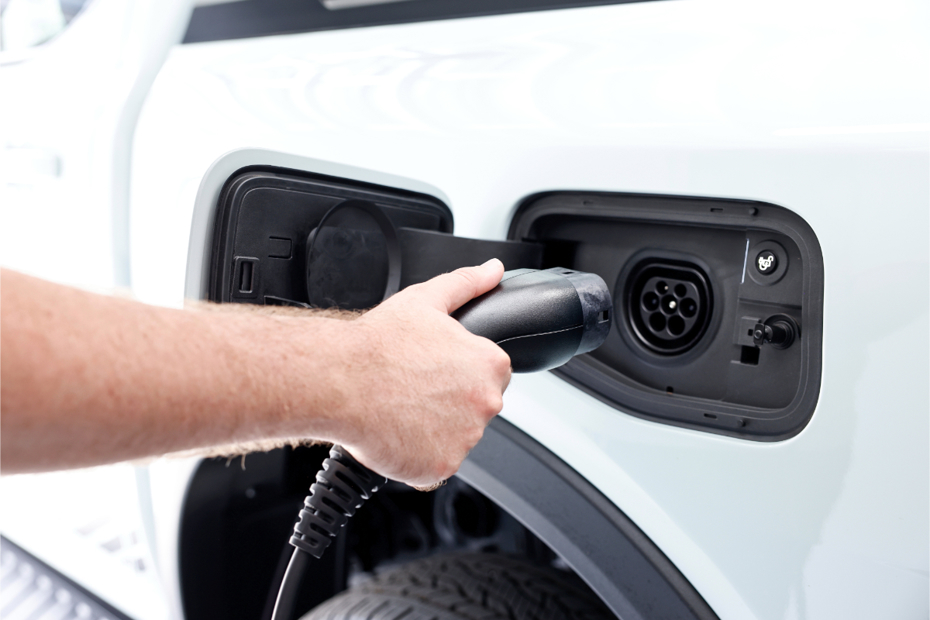
Now, there are quite a few utes with extra volts. We’ve managed to round up seven in fact, and the interesting thing is they all go about their business in different ways.
Our list covers everything from mild hybrid (MHEV) to plug-in hybrid (PHEV) to pure-electric (battery-electric, or BEV).
BYD Shark 6
NZ’s OG “super hybrid” is going strong and the range has now expanded into three distinct models: Premium, Performance and cab-chassis. And we don’t need to say too much more, because you can read all about those here.
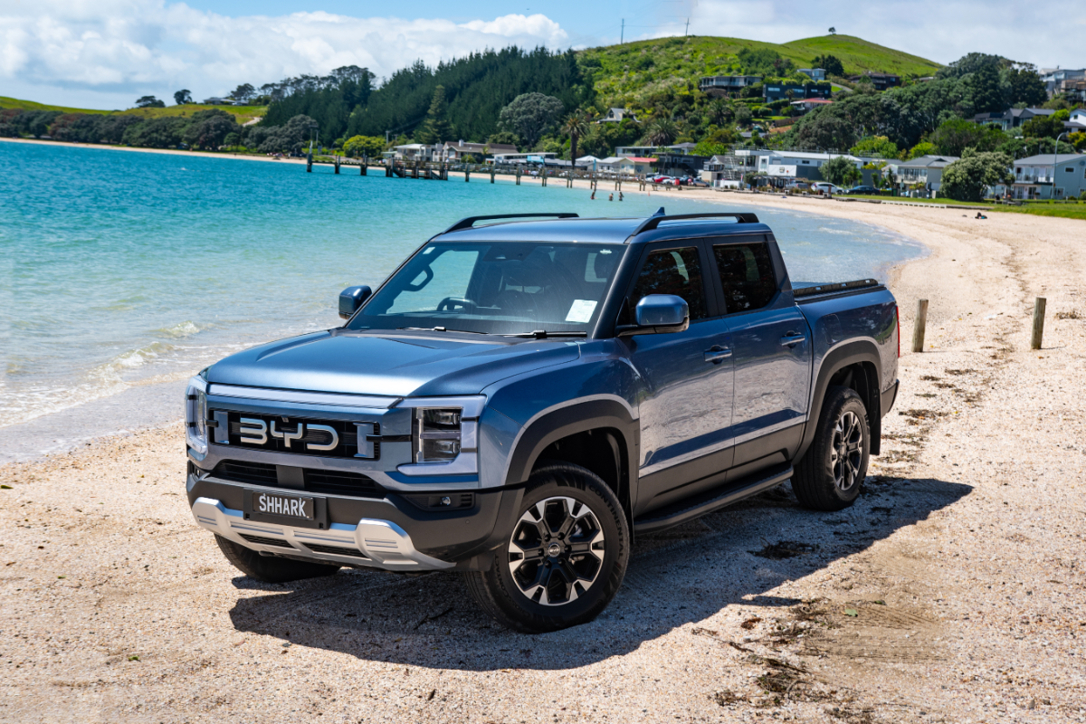
Except to say the Shark 6, our reigning DRIVEN Car Guide New Zealand Car of the Year, is also the ideal way to kick off this guide to electrified utes (it also comes first alphabetically...).
GWM Cannon Alpha
The GWM Cannon Alpha PHEV goes big in every respect. Based on the Tank 500 luxury SUV, it’s a luxurious ute that’s a little larger than traditional one-tonners – but we’ve still included it here, because it’s well short of the massive exterior dimensions of American trucks from the likes of Chevrolet and Ram.
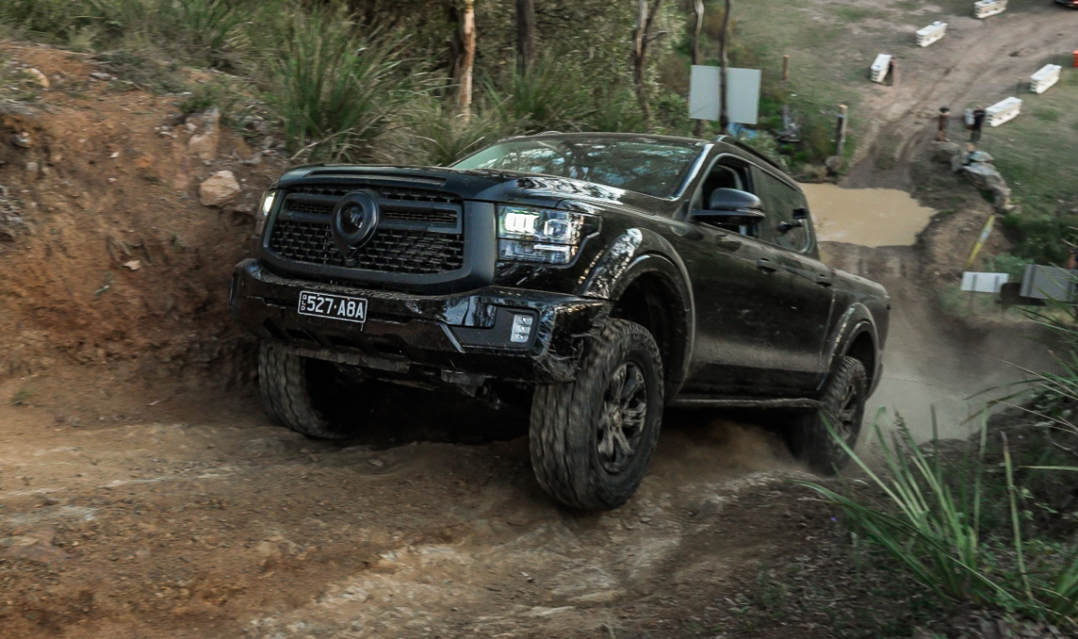
The Cannon Alpha eschews the full-hybrid (HEV) powertrain available in the Tank 500, instead going to straight to PHEV. The 2.0-litre turbo-petrol engine is matched to a massive 37.1kWh battery, giving a 115km EV range (NEDC, real-world is more like 100km according to our testing) and impressive combined power of 300kW/750Nm.
The Alpha’s mission is to combine EV-usability with true ute towing and 4x4-ability. The former it achieves with a 3.5-tonne rating, bearing in mind you’ll need a heavy vehicle licence to do that because the vehicle itself is over 2.8 tonnes.
There’s been a bit of compromise in fitting the battery hardware underneath, with a move to multi-link attachment for the live rear axle (also note the spare wheel now sits in the tray). But that doesn’t seem to stop it: last year GWM sent it up the notorious Beer O’Clock hill at Springs 4x4 Adventure Park in Queensland, Australia, making it the first-ever PHEV to reach the summit.
There’s likely more PHEV-ute action to come from GWM, with the smaller Cannon set to pick up the plug-powertrain already being offered in the Tank 300.
Ford Ranger
Ford Australia has been famously unapologetic about the Ranger PHEV’s small plug-in battery and modest 43km range, saying that’s the right configuration to ensure the plug-in model can do absolutely everything a diesel Ranger can do.
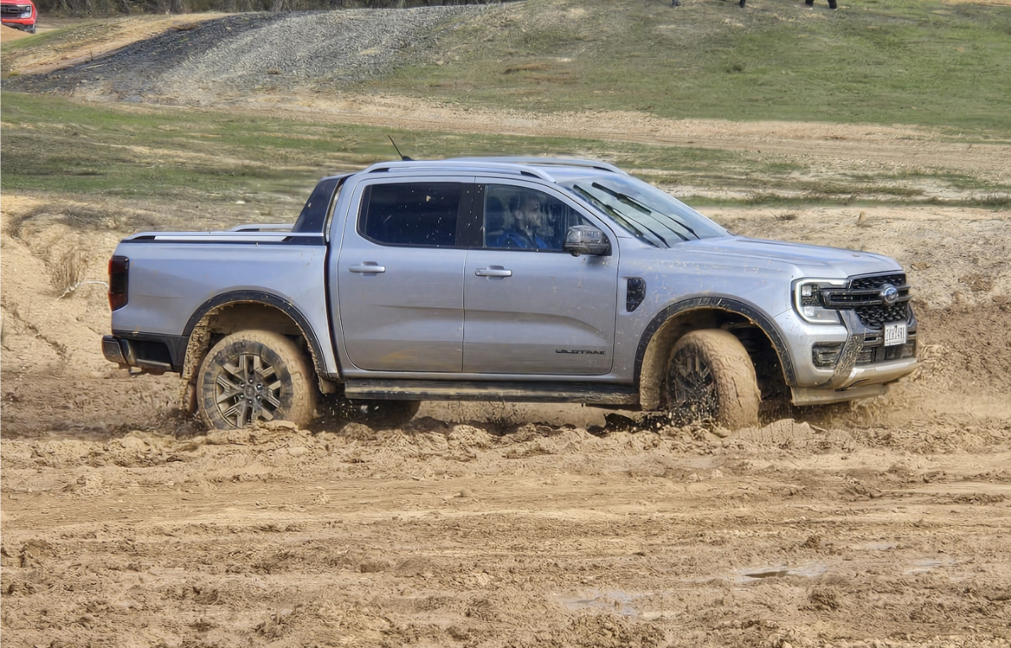
That includes towing, getting into hard-core 4x4 stuff and even the payload: because the tray sits slightly higher to accommodate the battery hardware underneath, the company reshaped the liner to ensure the PHEV had exactly the same load volume as the diesel.
The PHEV is not included in the just-launched Ranger 26.5 update (see page three), but there’s a refreshed version expected in the third quarter of this year. What that will include is yet to be confirmed by Ford NZ, but in Australia the brand has launched a cheaper XL model, dropping the XLT and flagship Stormtrak.
Riddara RD6 Pro
The Riddara RD6 Pro (made by Geely) caught us all by surprise when it was launched last year. It’s a bit of a game-changer, a pure-electric ute with a payload just over a tonne, AWD and a tow rating of three tonnes.
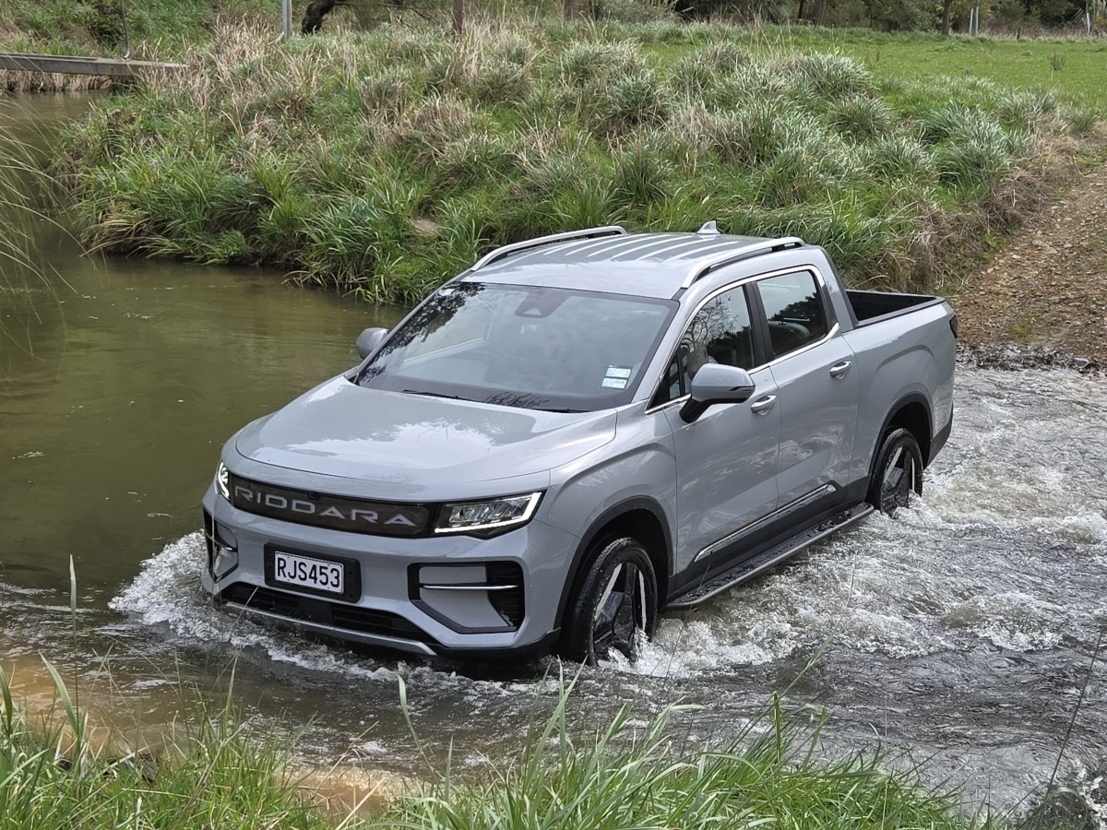
It’s fast, too, thanks to the dual motors making 315kW/595Nm (0-100km/h in 4.5 seconds), and the range is decent at 360km (WLTP). It ticks a lot of boxes for a lot of people.
What it’s not is a hard-core 4x4. It’s more than capable of off-tarmac driving, but it’s not a ladder-frame chassis vehicle like most of the utes featured here: it’s basically on a car platform, which is why it handles so well. For that reason you could argue it’s also an authentic “ute”, given the original concept way-back-when was a car with a tray.
Toyota Hilux
The star electrified-attraction of the new Hilux range is the BEV, which brings pure-electric power to the Hilux for the first time. It also comes at a convenient time brand-wise, as Toyota NZ celebrates 50 years since the first Hilux was assembled here.
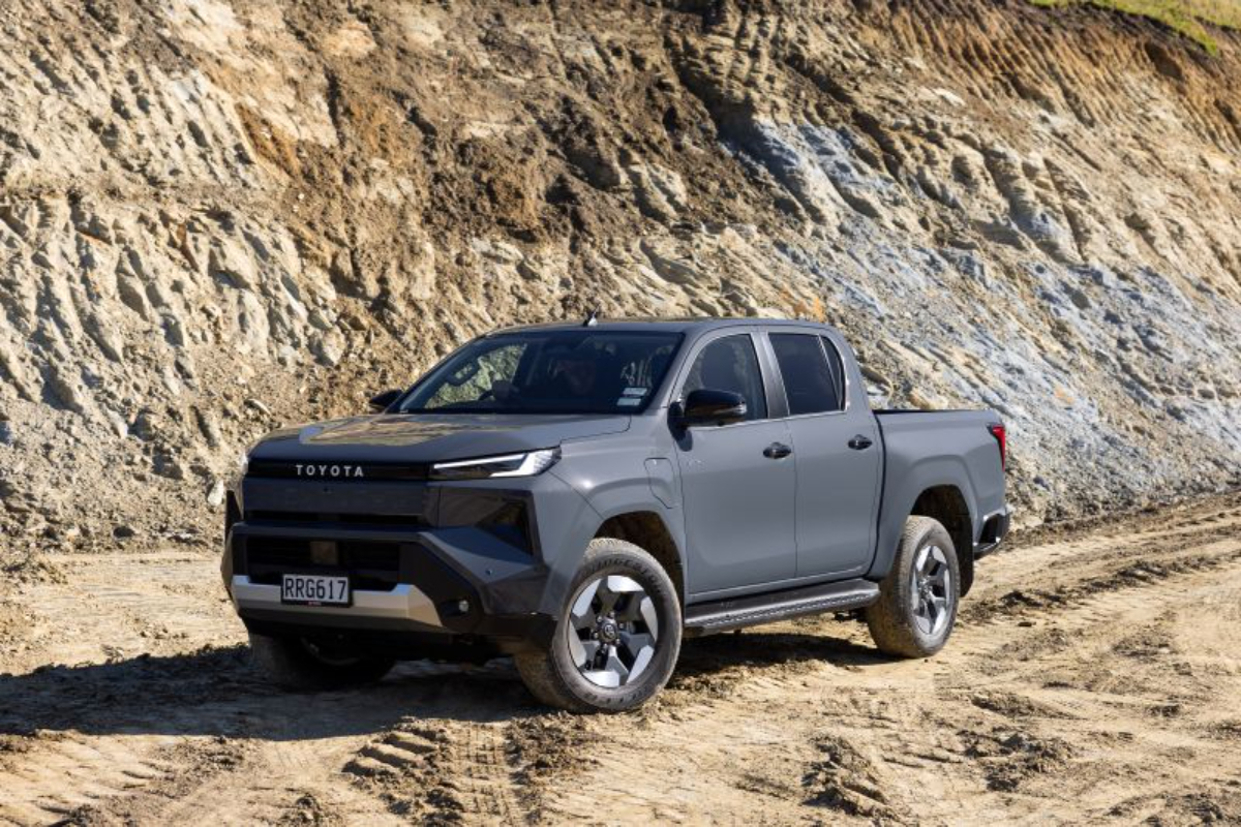
The Hilux BEV comes in three models: SR cab-chassis, and a double-cab wellside in SR and SR5. With a relatively modest range of 315km (that’s an NEDC figure, so real-world will be less), Toyota is making no great claims about its long-distance ability. The company says it’s aimed at “customers with predictable, shorter daily driving needs”.
However, it does say the 144kW dual-motor BEV is up to the task of proper 4x4 driving. “We have extensively driven the BEV version on the same tracks as the diesel ute and it holds its own, both on and off-road,” says Toyota NZ chief strategic officer, Andrew Davis.
Mild hybrid technology also continues in the automatic transmission variants of the diesel Hilux, including SR, SR5 and the new Adventure model.
JAC T9
Jac gave Kiwi customers their first look at the T9 PHEV (aka “Hunter”) at Fieldays last year. At the time of writing, we were still a week away from seeing the final NZ-specification model and getting all the details.
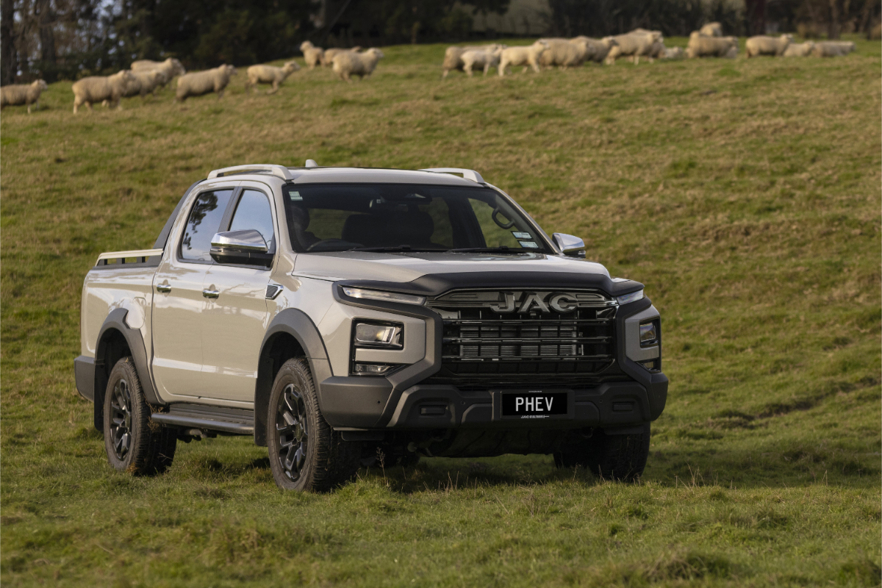
But Jac claims it has been very busy driving the new model through demanding NZ environments, as part of its “Tested by Kiwis, for Kiwis” ethos. It says the vehicle has been driven extensively on NZ tarmac, mud, snow, sleet, gravel, and through river crossings. Testing has also been conducted in Australia, at locations including the former Holden Lang Lang proving ground.
Jac has already confirmed 360kW and a claimed 1005km range from the 2.0-litre turbo-petrol engine and 32kWh battery.
Jac knows a thing or two about EV trucks already, with its heavy vehicles part of local fleets including Woolworths, KiwiHarvest and Kaibosh. Global operators using Jac electric trucks include DHL, Heineken, Kraft Heinz, PepsiCo and Ikea.
MG U9
MG’s pure-electric U9 ute is still some time away, but it’s a definite starter for NZ. The local distributor has confirmed it will go on Kiwi sale before the end of the year, alongside the existing diesel-powered versions.
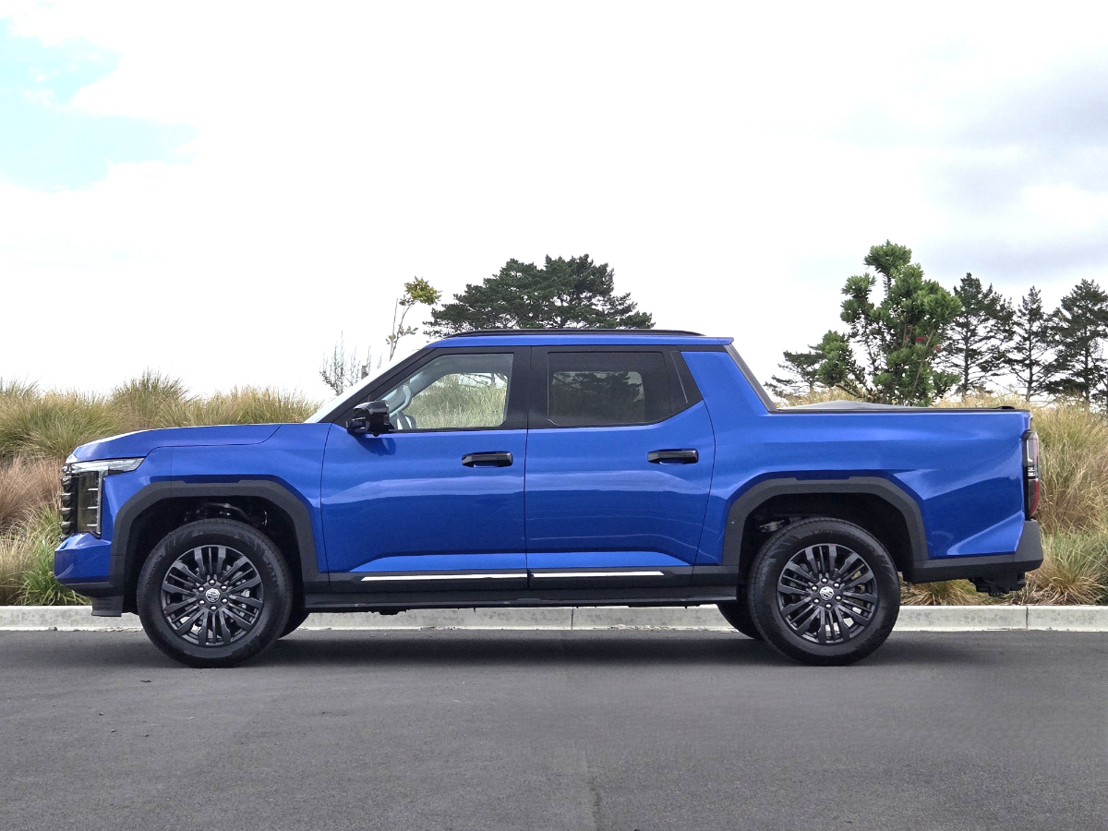
The U9 is a fairly big ute and from what we know so far, the electric version will have fairly big outputs (well over 300kW is likely)… and a fairly big battery.