



We're getting towards peak winter, which is the time of the year that Mother Nature is intent on exposing any weaknesses in your car's 12-volt battery.
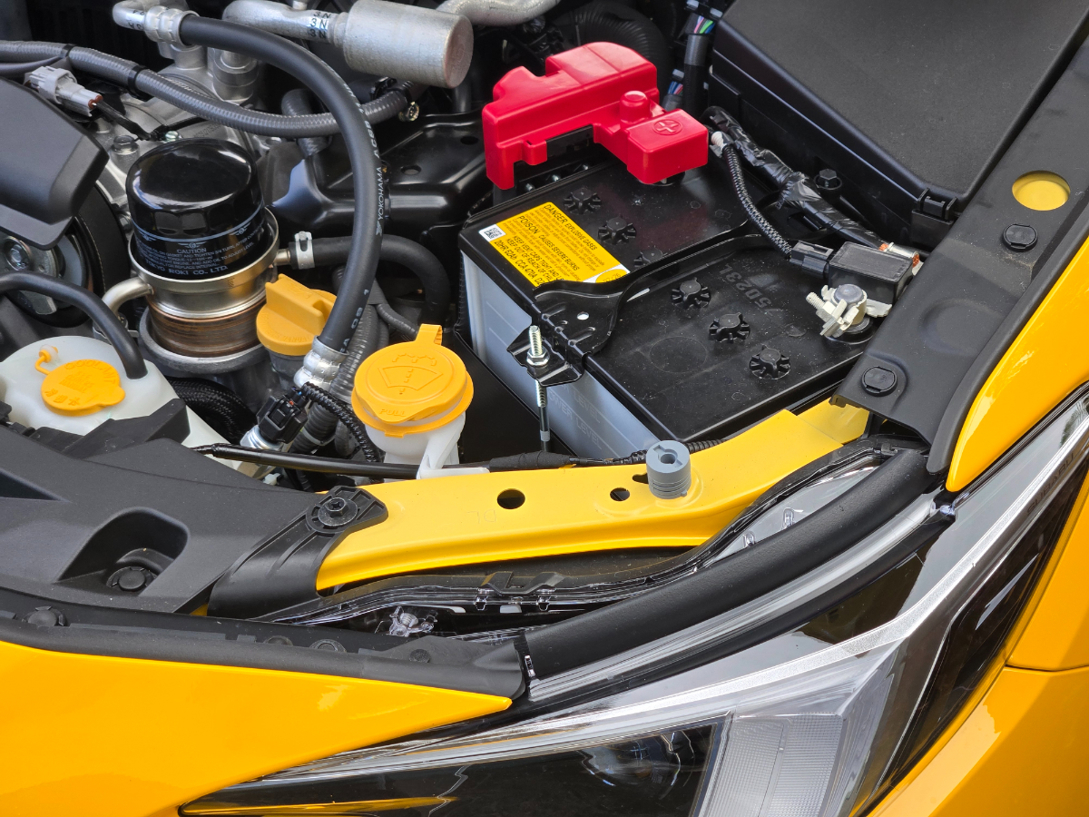
It's not just that you're putting more load on the electrical system with lights, wipers, heating and the like. Cold weather actually slows down battery chemistry, which means it has less power to provide for starting. And just to turn the screw (wind the crank?) a little harder, lubricants become a little thicker in low temperatures, making it harder to turn over a cold engine.
Out of sight and so on: the humble 12-volt battery is something virtually every car has (yes, even EVs), but it's also something most of us take for granted. Being mindful of battery health isn't just something for owners of older cars: if your vehicle has reached its 3rd birthday, it's time to start thinking lead-acid thoughts.
A 12-month survey by UK car-diagnostics company Carly completed earlier this year (assessing over 500,000 cars) found that around 25% of vehicles were operating with a 12-volt battery in sub-standard condition.
Warning signs of a sick battery
Most people don't worry about a worn-out battery until it hits them where it hurts: the car won't start.
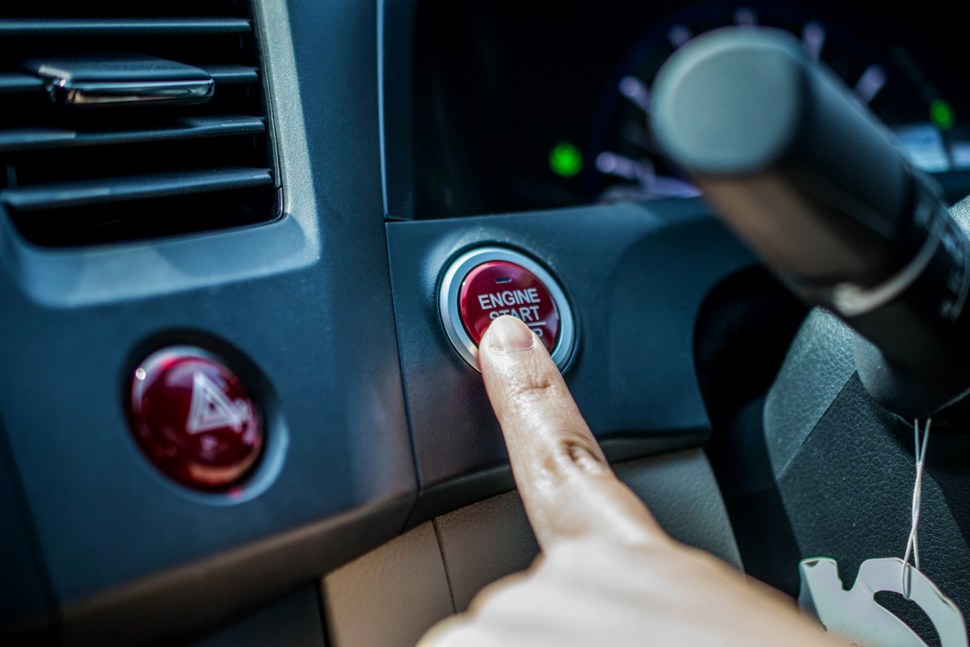
In reality, the degradation of a battery is a long process, and if you know what to look for you can spot warning signs early:
- Sluggish or hesitant engine starts
- Headlights dimming briefly during ignition
- Stop-start systems disabling without a specific fault alert
- Intermittent warning lights after a vehicle has sat unused
- Power steering feeling briefly heavy just after an engine-start
A battery is easy and (relatively) inexpensive to replace: $200-$500 depending on the car, and available from any specialist or major car-parts retailer. But ignoring battery problems can multiply repair costs, especially if a 12-volt issue is ultimately responsible for a more serious problem with the starter motor or charging systems.
A weak battery can also cause electronics such as central locking or security systems to behave erratically, or fail. So it can be a safety issue as well, especally on dark winter nights.
Vehicles used primarily in urban travel, with lots of stop-start, or those that sit unused for extended periods, are particularly at risk.
How to check your battery
Even if you haven't identified specfic issues with your battery, it's a good idea to have it checked, so you know it'll cope with winter use.
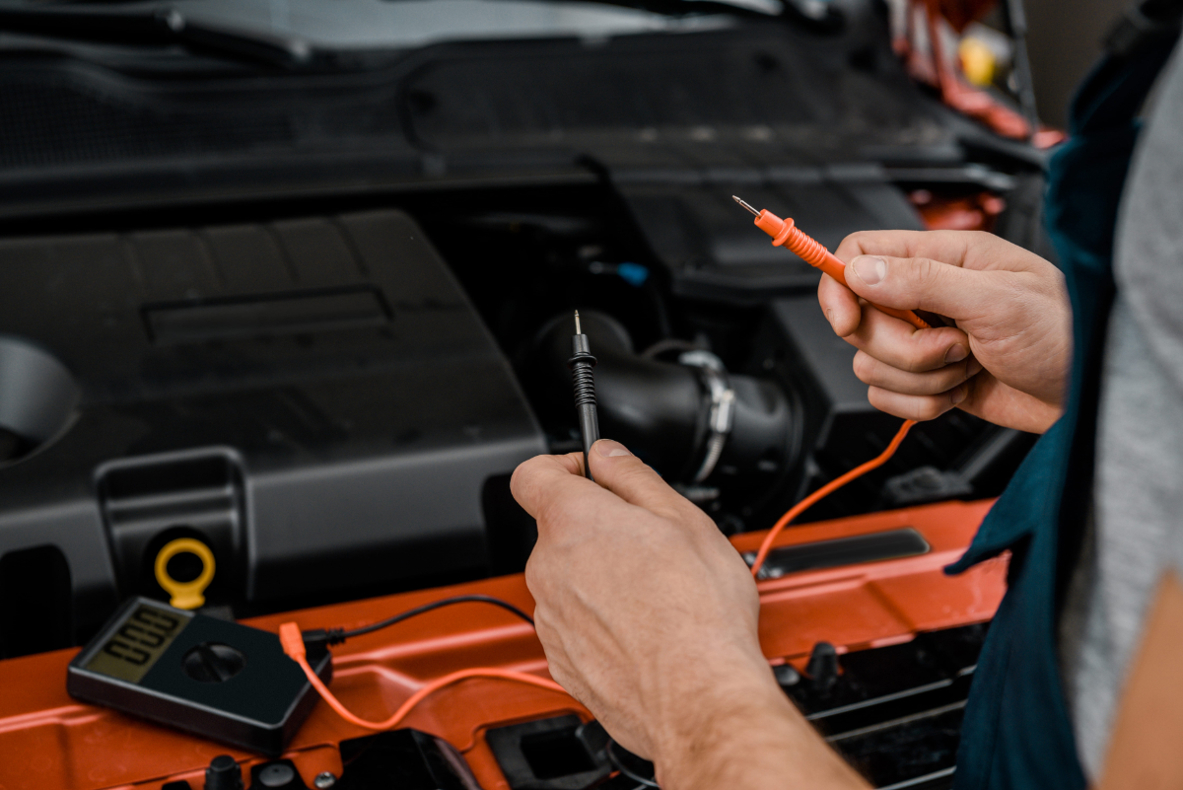
You can have that done at pretty much any battery retailer or workshop, which will have specialised equipment. Many will even do it for free.
But if you're not keen on handing the process completely over to a company that will also want to sell you a new battery (cynical, but still...), you can also undertake an inital check yourself with a state-of-charge indicator or voltmeter - which is not a bad investment for the future anyway.
You can buy a simple "hobbyist" charge-indicator for as little as $20, although more sophisticated units and multimeters can be a lot more; it depends how detailed you want your diagnosis to be.
Check out the video below from Century Batteries on how to perform these checks and what equipment to use (and yes, other battery brands are available!).
A healthy battery will read 12.7 volts or higher. According to Century Batteries: "If your battery reads 12.5 volts or below, it needs to be recharged straight away before testing it again. A healthy battery should be able to maintain at least 12.5 volts, and if it eventually falls back under 12.5 volts following a recharge, it is your first warning sign that it is becoming weaker with age."
A simple test like this might be just the starting point, but it's a good first step towards identifying potential issues. And it's something you can do at home.