



We're in the midst of a global fuel crisis and we're all focused on taking measures we can to extend the life of that precious tank of petrol or diesel. There are many simple measures that can save you 30% (or more) in fuel consumption. Click here to see our suggestions.
But it's easy to get away, right? There are some more extreme fuel-saving techniques that are still commonly used, but are probaby doing no good at all. They could even be making things worse.
UK road safety and breakdown organisation GEM has shared a list of fuel-saving myths that it highly recommends you avoid.
Fuel saving myths and the truth
- Coasting downhill in neutral saves fuel: Modern engines automatically cut fuel when you stay in gear while decelerating. Coasting reduces your control of the vehicle and is unsafe.
- Avoid air-con: Turning the air-conditioning off occasionally is fine, but never running it means seals can dry out to leave a less efficient system long-term.
- Warm up your engine before driving: Idling wastes fuel. Modern engines warm up best when driven gently soon after starting.
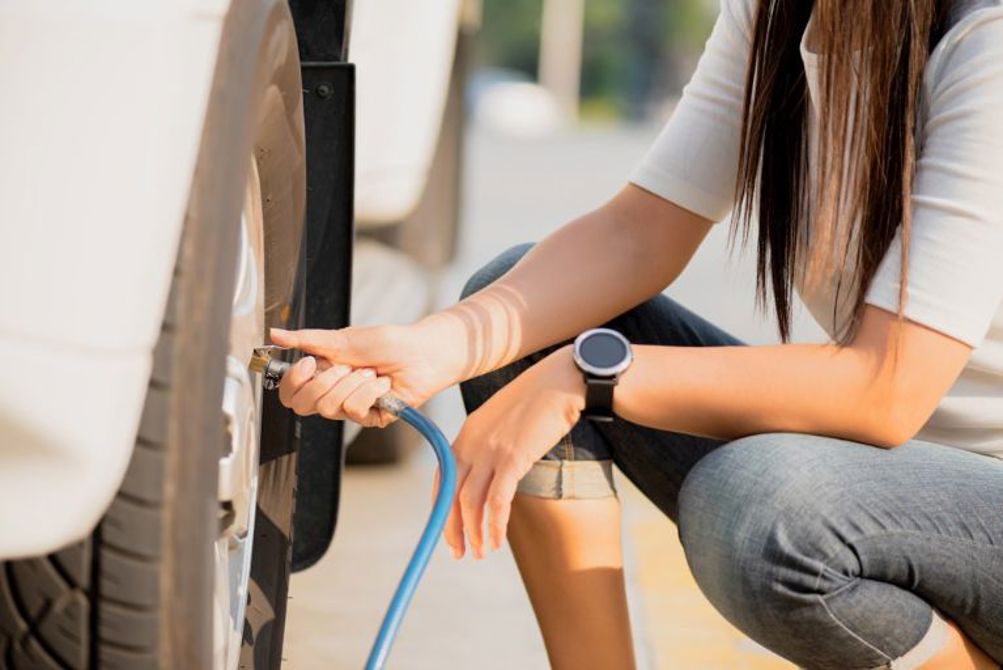
- Over-inflate tyres and keep them “harder” than recommended: There are good reasons to increase tyre pressures on occasion (a heavily loaded vehicle, for example), but substantial over-inflation reduces grip and increases wear. Don't stray too far from manufacturers’ recommended pressures.
- Fill the fuel tank only half way to save weight: The difference is negligible, but more frequent refuelling costs time and may lead to rushed, unsafe stops.
Smarter driving for electric car owners
EV owners don't have to worry about the fossil fuel crisis, but it also makes sense to get the most out of every charge. Concepts of smooth driving apply equally to ICE and EV, but according to GEM electric cars bring "specific opportunities to extend range and reduce running costs".
- Regenerative braking works best when speed changes are gradual.
- Most EVs have an Eco mode, which limits power output and extends battery range on longer trips.
- Keep tyres and charging habits consistent. Properly-inflated tyres and avoiding full charge cycles every time extends battery life and efficiency.
- Charge at the lowest practical rate. Slower, overnight charging is usually more efficient and gentler on the battery than frequent rapid charging, helping preserve long-term performance and range.