



When it comes to DC-charging an EV, there are a couple of pain points that come up time and time again. One is the lack of New Zealand infrastructure, the other the time it takes to charge.
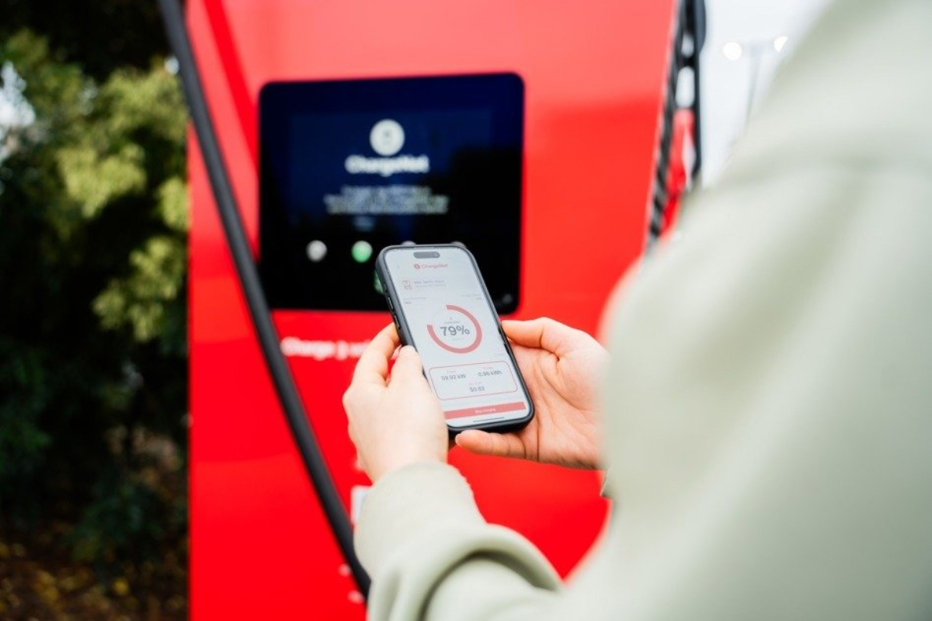
We're talking specifically about DC charging here: the kind you do at those big public plug-in stations. If you'd like to know a bit more about the difference between DC and AC, click here.
We can't help you a whole lot with infrastructure, except to say NZ currently has around 1800 public charge points, and you'll find one every 80km on public highways. So there's no impediment to road-tripping in an EV; except to say it requires planning and you might have to wait to charge sometimes, because many of those stations are one or two-car affairs.
The Government has established a $52m interest-free loan fund to build 2500 more. So we're getting there (don't forget most EV charging is done at home anyway).
Anxiety about charging speed is more within our control. It can be alleviated with a little understanding (what can't?).
EVs have battery capacity measured in kWh (think of it like a fuel tank) and manufacturers always quote a maximum charge rate in kW (simply the peak speed at which the battery can be replenished). So a car with a 100kWh battery and a 200kW maximum charge rate could theoretically be charged from flat to full in 30 minutes.
Theoretically. But that's not how EV charging works.
Why EV charging speeds are a bit complicated
For a start, the car is only half of the equation. You need a DC station that can match your vehicle's peak rate. Many are 50kW, so that's as fast as it will charge your 200kW car. Conversely, plugging your car into a 350kW DC station (yes, we have many of those as well) won't increase its peak rate. It's still 200kW.
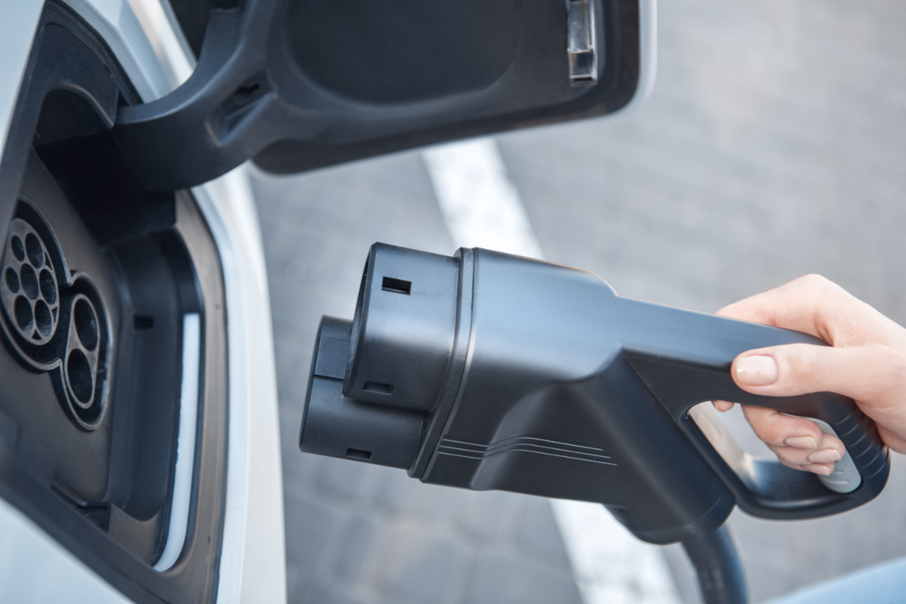
The other thing is that the car is an even more complicated part of the charging equation. No EV will charge at its peak rate from start to finish, because how fast it can accept power depends on a whole lot of stuff: how full the battery is when you start, how warm it is, what final percentage you want to finish at.
EVs have sophisticated battery management systems that are designed to help the pack charge as quickly as possible, but also (more importantly) prevent damage and degradation. It conditions aren't perfect, and they seldom are, charging will slowed so your car can live to drive at its best possible range for many more years.
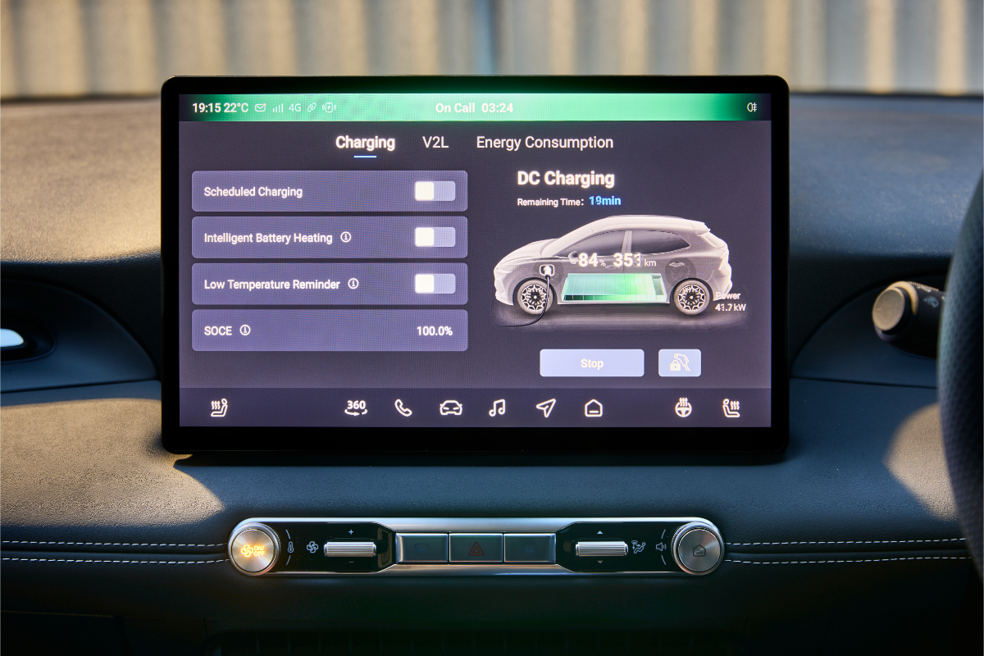
The ideal scenario to charge an EV is with a relatively low state of charge (say 20%) and a bit of heat into the battery (perhaps you're on a road trip).
A low percentage helps because there's more room for the charge to move freely inside the cells, avoiding overheating. And while we've just said heat is bad, the appropriate level of warmth is good because it accelerates the electrochemical processes required for the charging magic.
Some EVs have a preheating facility to get the battery up to temperature, which can be manually or automatically activated (with the help of sat-nav, for example) to ensure the hardware is ready when you arrive at your destination DC station.
Most EV-carmakers quote not just a maximum charge rate (which is teasing, really) but also a typical 20-80% charge time, because that's the optimum situation. Some have started sharing 30-80% figures, which is cheating a bit. So pay attention.
Charging beyond 80% is not a great idea if you're worried about time, because the process slows significantly after that. Unless you desperately need the touring range in one hit, it's better to move on and plug-in for another quick session further down the road when the battery is at a lower state-of-charge. It's also less stressful on the hardware.
Not convinced? Touch of OCD in wanting to see that 100% on the dashboard? We get it. But we suggest you try charging beyond 80% on a public station and stand there keeping an eye on the kW indicator; you might be staggered just how slowly it's ultimately going.
Battery type
Different battery types behave in different ways. Most of the charging conversation and wisdom to date has been generated by NMC chemistry (nickel manganese cobalt, a type of lithium-ion battery).
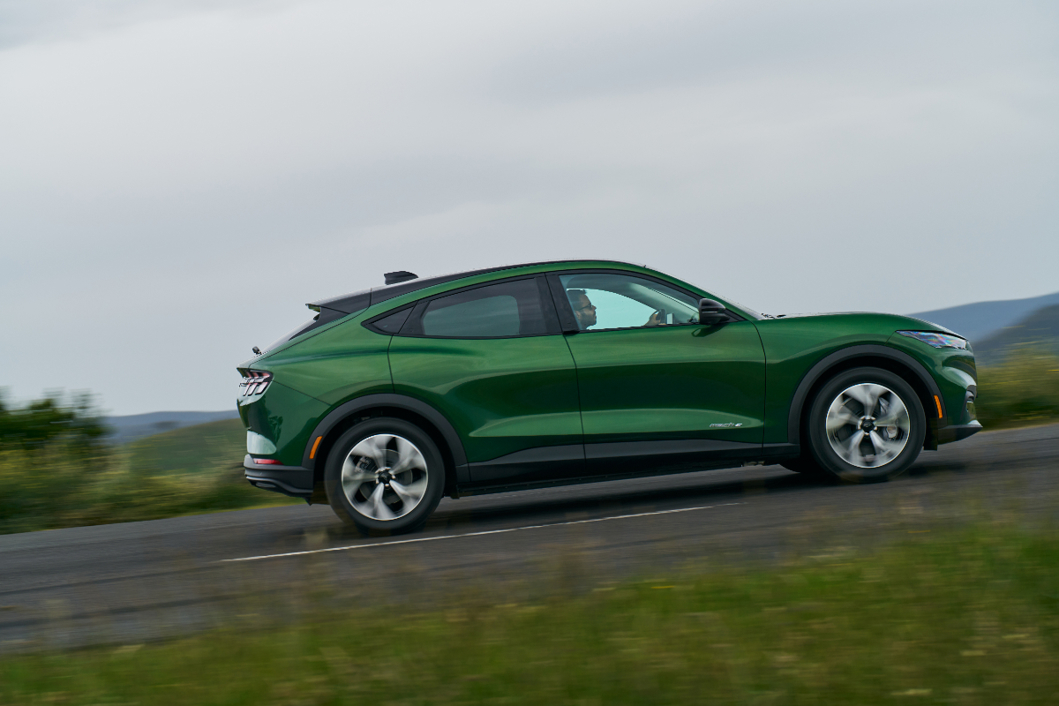
NMC was the default for mainstream EVs, but many new models are now powered by LFP (lithium iron phosphate).
LFP has advantages: it's cheaper to produce, more durable, and capable of many more charge cycles over a lifetime than NMC (although either will likely outlive the car they're powering). They're also generally much more acccepting of a 100% charge; some makers even recommend that you fully charge their LFP cars regularly to maintain battery health.
Downsides: LFP batteries are heavier than NMC, with less energy density, and they can be slower to charge in cold weather.
Carmakers use each type in a variety of applications, but in general LFP is being favoured for cheaper EVs, especially city cars with smaller capacity that are likely to be charged a lot; NMC is being retained for performance or longer-range vehicles.
Some brands use both in the same model: the mainstream Ford Mustang Mach-E Select SUV has LFP, for example, while the go-fast GT version uses NMC.
We're not saying you need to be an expert on battery chemistry to understand your EV (read between the lines and you can tell we're not), but LFP versus NMC might be a choice you want to make.
LFP is also food for thought if you're concerned about the politics of battery production, because it uses more widely accessible materials and doesn't contain cobalt - arguably the most environmentally concerning component of NMC batteries.