



Hard water spots look harmless at first, with just a few cloudy marks after a wash or a rainy day. Leave them long enough, though, and they etch into your paint like a bad tattoo.
The minerals in water (mainly calcium and magnesium) don’t just sit on the surface, as they can bond to it, especially under heat. The trick is knowing when to go gentle, and when to step things up. That said, this guide aims to show you how to remove hard water stains from your car’s paintwork.
Start soft: clean and assess before you attack
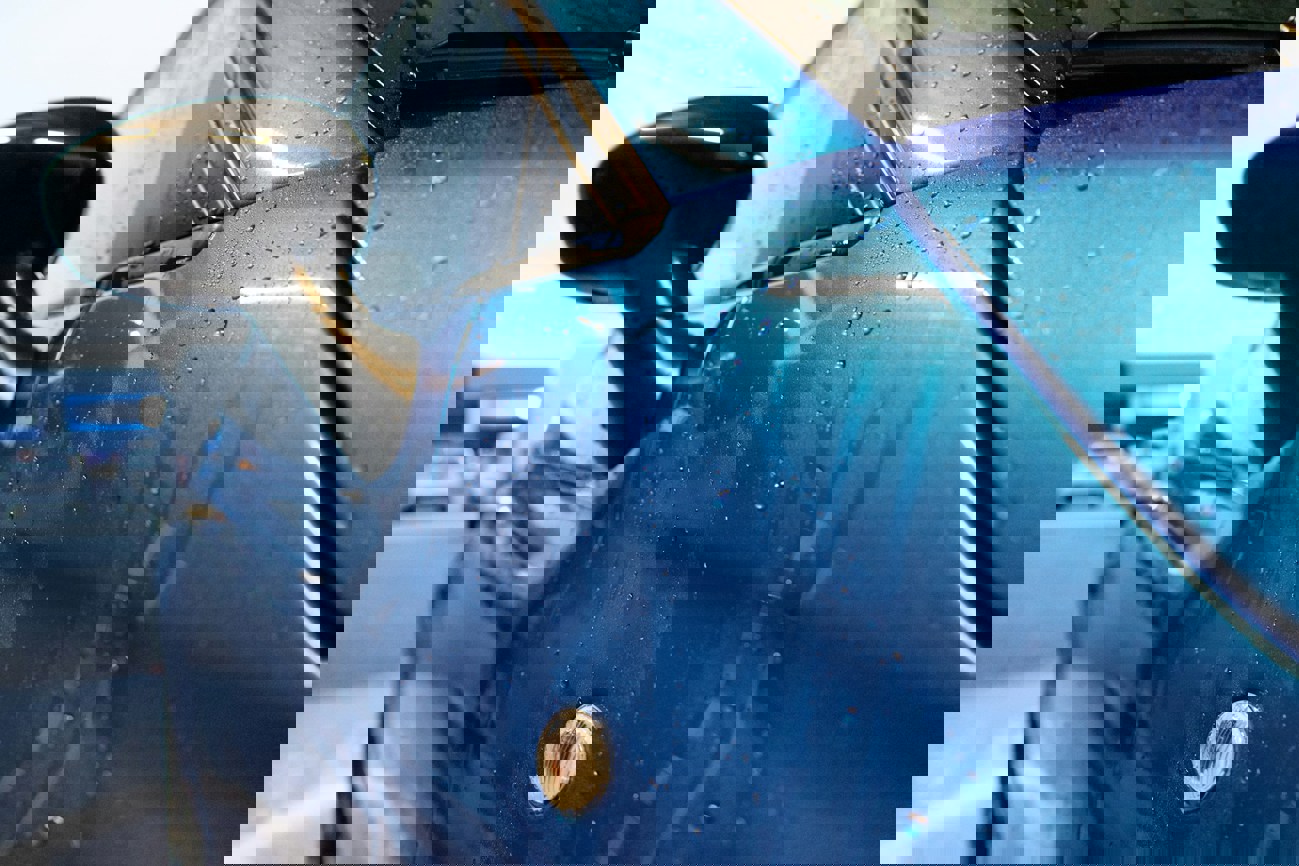
Before reaching for any specialist product, give the car a proper wash. Use a pH-neutral car shampoo, not dishwashing liquid, and rinse thoroughly. You want to remove dirt and grime first, otherwise you’re just grinding it into the paint.
Once clean, dry the panel and take a closer look. Fresh water spots will usually sit on top of the clear coat and feel slightly rough. Older stains may look dull or even cratered, which suggests etching. That distinction matters, because it determines how aggressive you need to be.
If the spots are light and recent, a simple solution often does the job. A mix of white vinegar and water (about 1:1) can dissolve mineral deposits effectively. Apply it with a microfibre cloth, let it sit briefly (no more than a minute), and wipe clean. Rinse again straight after. Vinegar is acidic, so you don’t want it lingering on the paint.
Step up carefully: dedicated removers and clay bars
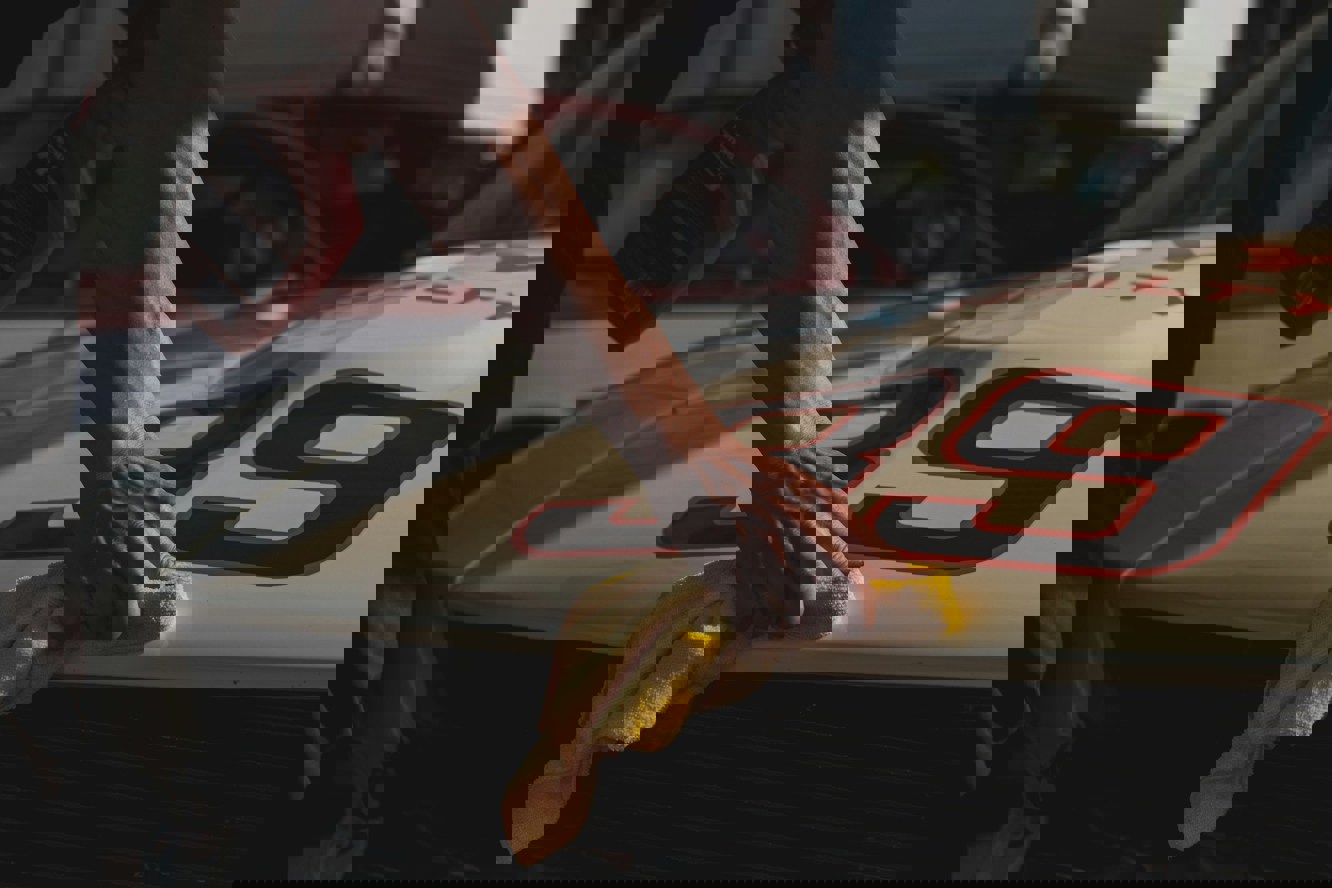
If vinegar doesn’t cut it, it’s time for a purpose-made water spot remover. These are formulated to break down mineral deposits without harming clear coat when used correctly. Apply sparingly, work in small sections, and follow the instructions, as more product doesn’t mean better results.
For stubborn spots, a clay bar can help. This is where things get slightly more hands-on. A clay bar, used with proper lubricant, glides over the surface and lifts bonded contaminants. You’ll feel it working, with the surface goes from slightly gritty to smooth.
The key here is lubrication. Never use a clay bar on a dry panel. That’s a fast way to introduce scratches. Fold the clay regularly to expose a clean surface, and don’t drop it. Once it hits the ground, it’s done.
Clay will remove surface contamination, including mineral residue, but it won’t fix etching that’s already bitten into the clear coat.
When it’s etched: polish, protect, and prevent
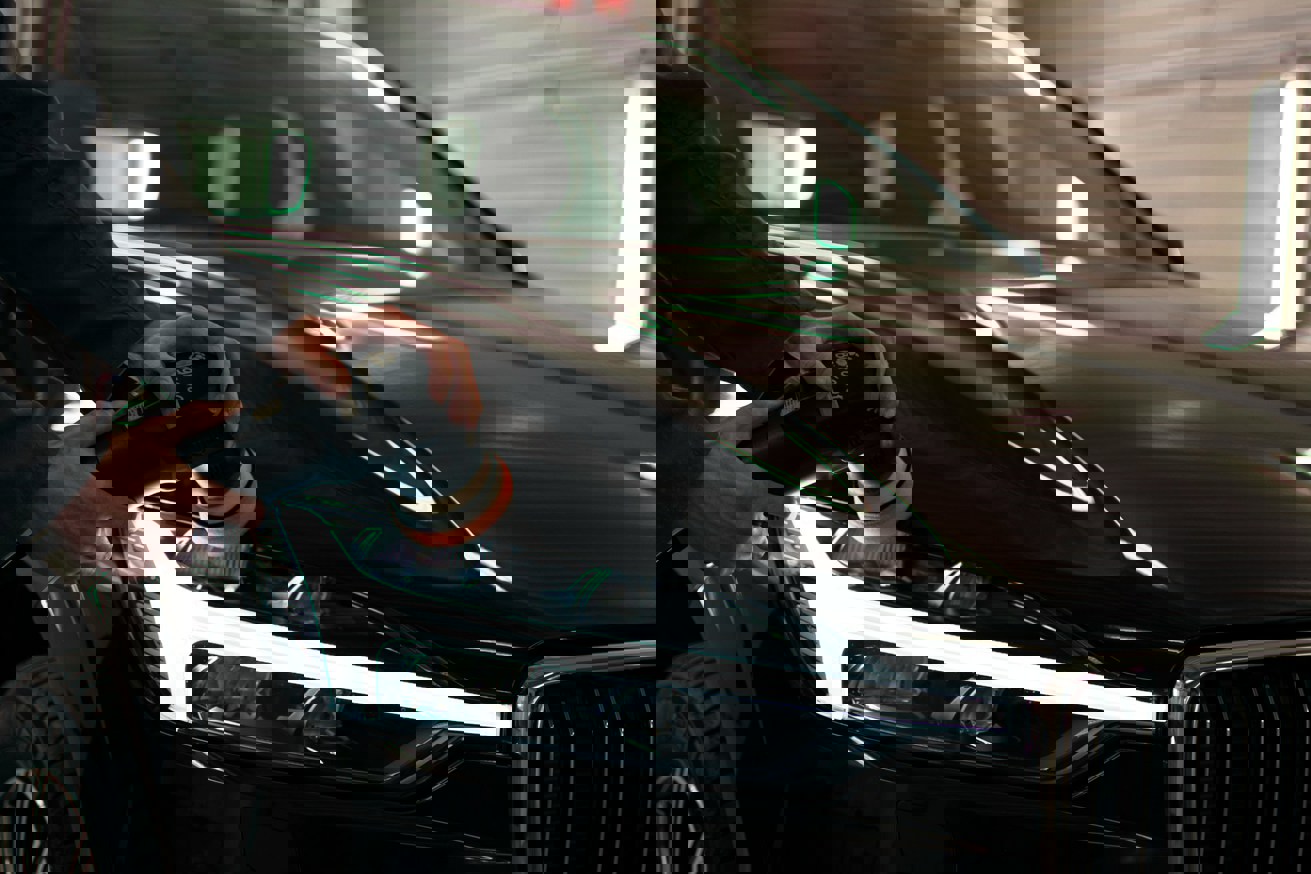
If the marks remain after washing and claying, you’re likely dealing with etched water spots. At this point, you’re into paint correction territory. A light polish, either by hand or with a machine, can level the clear coat slightly, reducing or removing the marks.
By hand, use a fine polish and a foam applicator. Work in tight, controlled motions and check your progress often. Machine polishing is faster and more consistent, but it also carries more risk if you don’t know what you’re doing. Too much pressure or an aggressive compound can remove more clear coat than intended.
Once you’ve corrected the surface, protection is non-negotiable. A good wax, sealant, or ceramic coating adds a barrier that makes future water spots less likely to stick, and easier to remove if they do.
Prevention, though, is where most people slip up. Hard water spots often form during drying, not washing. Letting water air-dry on a warm panel is asking for trouble. Use a clean microfibre drying towel or a blower to remove water quickly. If you’re washing in direct sun, you’re already on the back foot, as heat accelerates mineral bonding.
If your local water supply is particularly hard, consider using filtered or deionised water for the final rinse. It sounds excessive, but it’s standard practice in professional detailing for a reason.
Hard water stains aren’t inevitable, but they do punish neglect. Deal with them early, escalate carefully, and protect the finish once you’ve sorted it. Your paint will thank you, and you won’t be chasing ghostly spots every time the light hits just right.