



The trickiest weather is not always the dramatic stuff. A wall of rain is obvious. Snow on the road is hard to miss. The real trap is the drive that keeps changing very quickly: dry road, wet road, fog bank, low sun, greasy roundabout, then clear tarmac again.
That is when speed choice matters most. The limit on the sign is still important, but it is not a promise that the road will be safe at that speed every second of the trip. Here are a few of our tips on how to manage your vehicle's speed in variable weather.
The limit is not the target
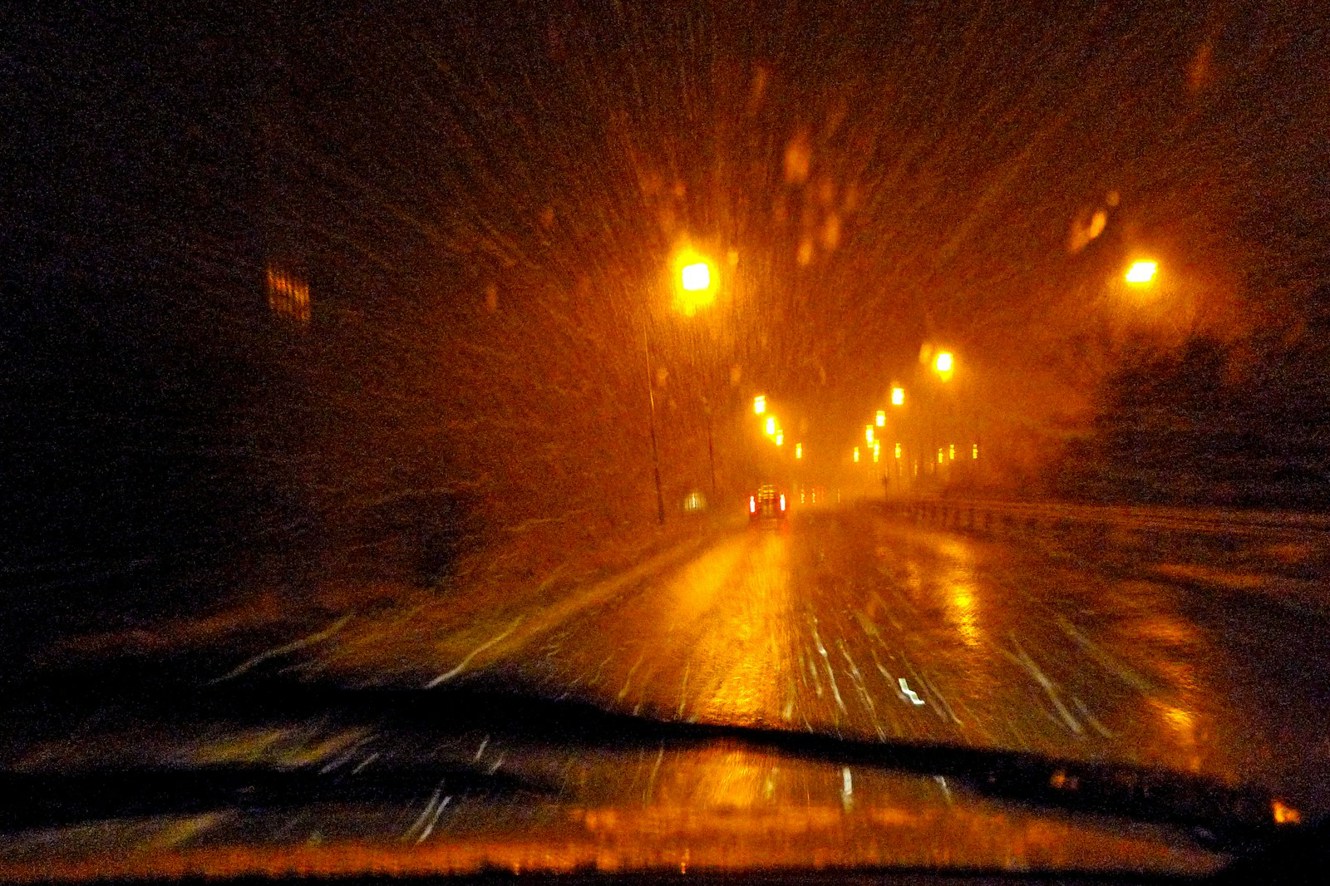
In poor weather, safe speed can sit well below the posted limit. If visibility drops, grip reduces or the road surface starts shining under the tyres, give yourself permission to back off early.
Slowing down is not about crawling everywhere or annoying the queue behind you. It is about buying time. More time to see standing water. More time to spot brake lights through spray. More time to notice that the car ahead has hit fog before you have.
Read the road, not just the sky
Weather can change the road before it changes your view out the windscreen. After a dry spell, the first rain can lift oil and grime to the surface, making intersections and roundabouts surprisingly slippery. In colder areas, shaded corners and bridges can hold ice after the rest of the road looks fine.
Look further ahead than usual and watch what other vehicles are doing. If spray is hanging in the air, headlights are vanishing quickly or traffic is bunching up, the safe speed has already changed.
Make space for mistakes

Speed and following distance work together. If you slow down but stay glued to the car in front, you have not gained much. In wet or foggy conditions, leave a bigger gap and make it easy for others to understand what you are doing. A four-second gap can feel generous when traffic is flowing, but it disappears quickly when someone brakes hard through spray.
Brake earlier and more gently. Indicate properly. Avoid sudden steering inputs, especially in standing water or on slippery surfaces. Smooth driving can feel a bit dull, but dull is exactly what you want when grip is uncertain. If the car has driver assists, let them help, but do not outsource judgement to them. Stability control, ABS and good tyres work best when you have not asked too much of them.
Know when to stop
There is no shame in pulling over somewhere safe if rain, fog, glare or fatigue makes the drive feel messy. Use headlights correctly, keep the windscreen clear and wait if you need to. If fog is thick, dip the headlights rather than blasting high beam back at yourself. If rain is overwhelming the wipers, find a safe place to pause.
Good drivers are not the ones who hold the same speed no matter what. They are the ones who notice the conditions changing, then quietly change with them. Sometimes that means easing off for five minutes. Sometimes it means giving up on the timetable altogether. Either way, the smartest speed is the one that still leaves you options.