



What’s this new car all about then?
Meet the much-talked-about, much-teased Porsche Cayenne Electric. It's a completely different SUV on a completely different platform to the petrol/hybrid Cayenne.
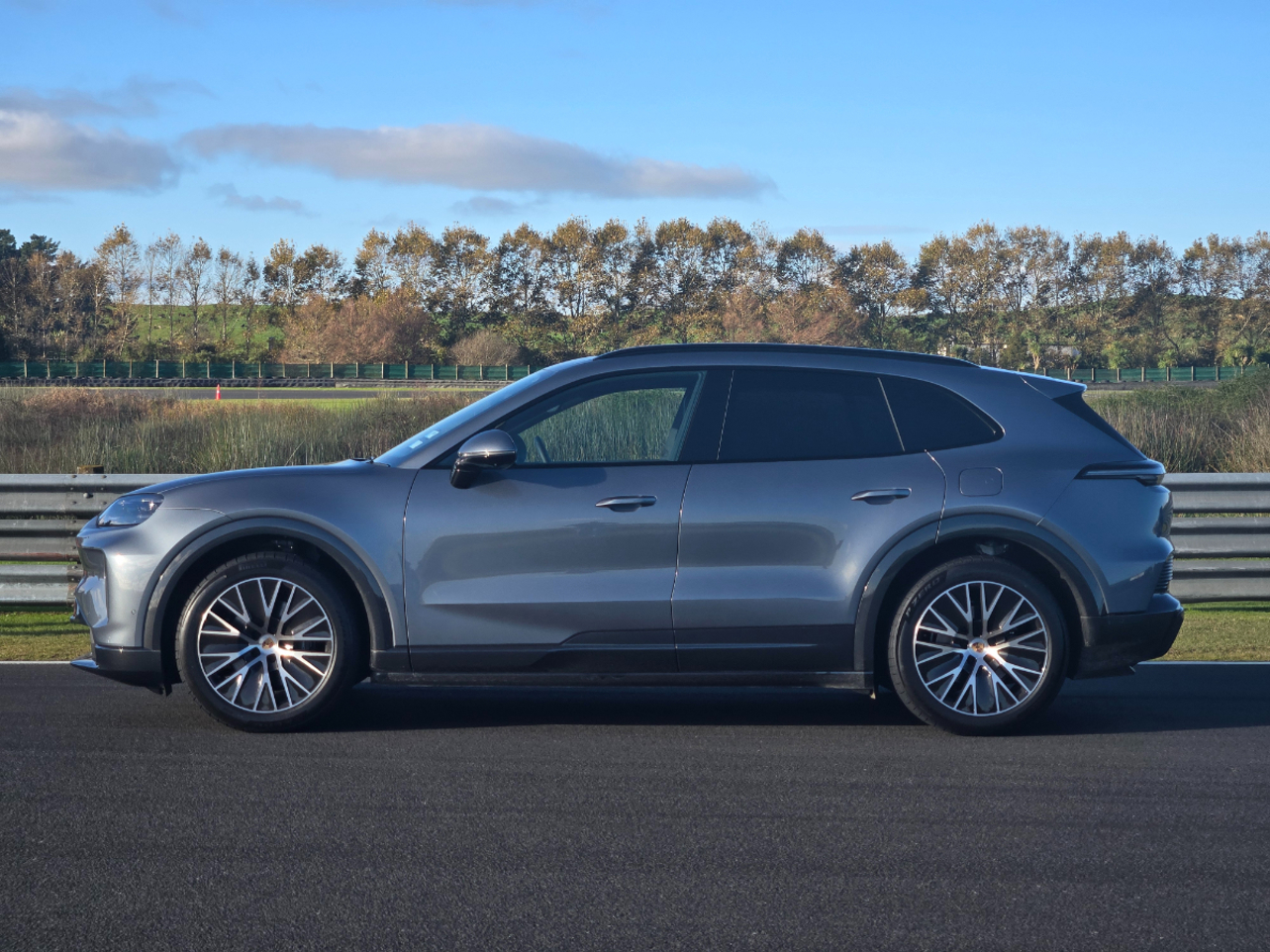
Cayenne Electric does not replace the Cayenne as we've known it so far. The two will sell alongside each other and Porsche has stated the combustion model will carry on "well into the next decade". Expect a major facelift next year, to bring the look a bit closer to this new pure-electric version.
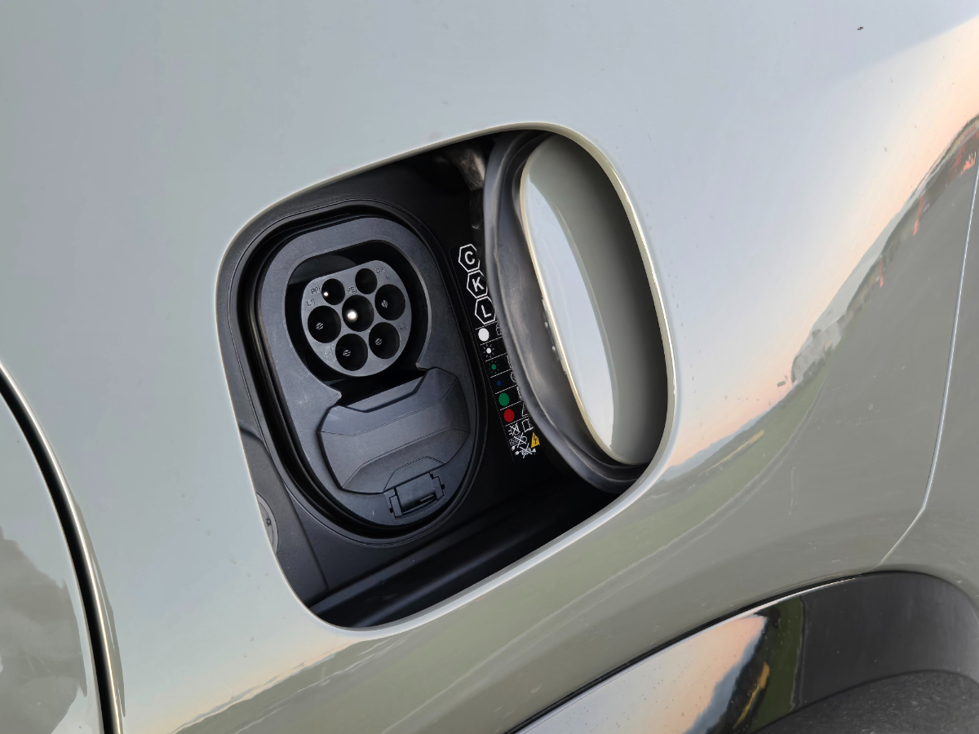
Premium Platform Electric architecture (PPE, shared with other Volkswagen Group models) allows for the Cayenne's massive 113kWh battery to be charged at up to 390kW, which is faster than any DC station in New Zealand can offer right now.
As with the combustion Cayenne, the Electric comes in both SUV and Coupe versions. It's been launched in NZ in standard (just call it "Cayenne Electric"), S and Turbo specifications: all three are offered in both body shapes. All have range in excesss of 600km.
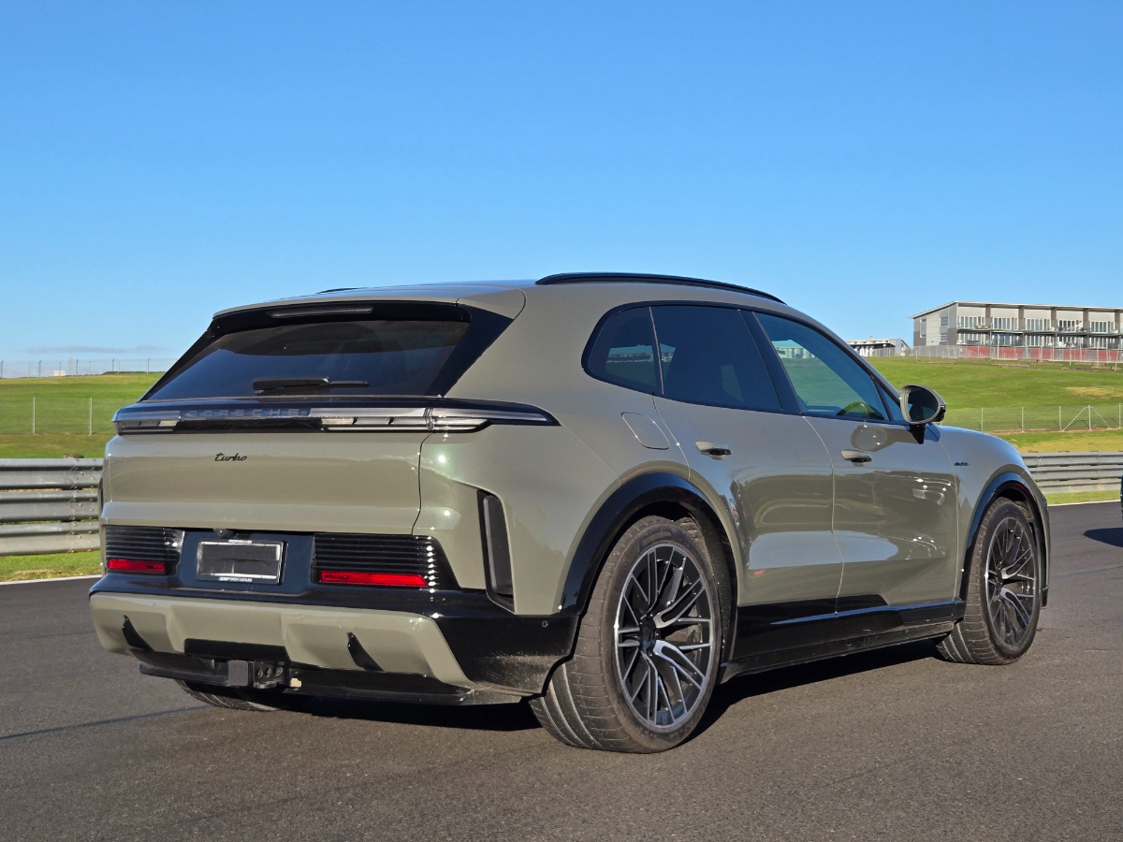
The technical package is impressive. All models have some form of active-aero; some more than others. All are dual-motor AWD, with 300kW (Cayenne), 400kW (S) and 630kW (Turbo) outputs. But those figures can be increased to 325kW, 490kW and 850kW respectively with the use of Launch Control. Zero to 100km/h takes 4.8, 3.8 or 2.5 seconds; no prizes for guessing which is which.
In fact, Porsche enjoys comparing the top Cayenne Electric Turbo with its three-times Le Mans-winning 919 Hybrid: the family SUV has 188kW/556Nm more power/torque and is just 0.3sec slower to 100km/h. It's the most powerful production car Porsche has ever sold.
Don't get us started on the range of options, both comfort/convenience and technical. It's both mind-boggling and classic Porsche modus operandi.
But the performance stuff is fascinating, not least because some of the headline enhancements are still optional, even on the flagship Turbo. Adaptive air suspension is standard across the range. You can add rear-axle steering to any variant, Porsche Torque Vectoring (PTV) Plus to the S, and composite brakes to the S and Turbo.
Arguably, the star piece of chassis kit is Porsche Active Ride, which you can specify on both S and Turbo. It's a complicated suspension enhancement system that controls pitch, yaw, load distribution, surface response and ground clearance. In daily-driving modes it can lean into corners like a motorcycle to enhance occupant comfort, or in performance settings simply keep the vehicle completely flat for maximum-attack cornering (it can also drop the vehicle 10mm).
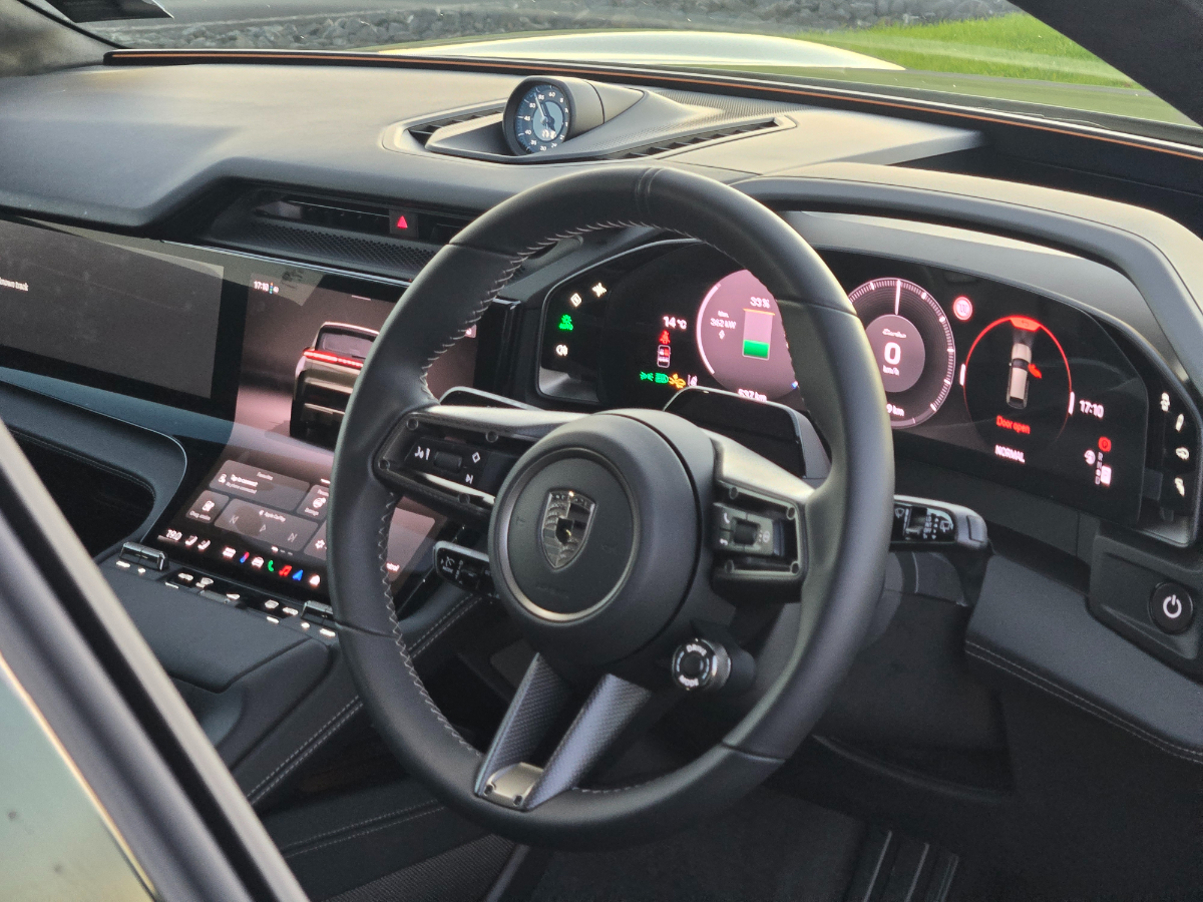
The Porsche Driver Experience cockpit goes heavy on the digital, but it's definitely not dull. The instrument cluster is a 14.25-inch curved unit like the petrol Cayenne and electric Taycan, and there's an 87in head-up display. Optional is a 14.9in passenger touch-screen.
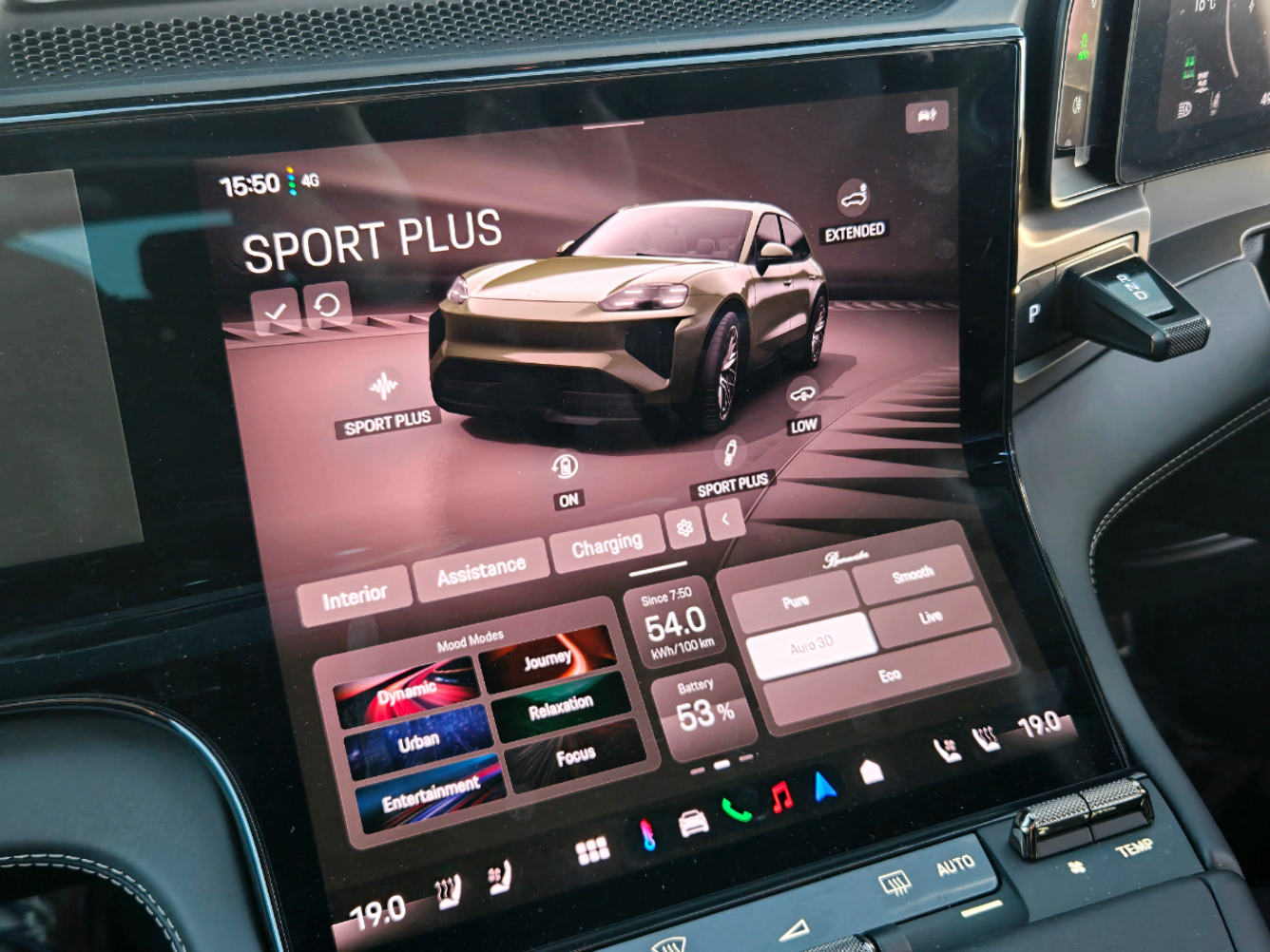
But the headline cabin feature is the Flow Display: a curved central screen with two distinct sections (it looks a bit like a giant folding mobile phone that's partially open) which is claimed to be the largest display ever used in a Porsche production car. Although Porsche doesn't actually quote a size, and it is a bit hard to measure.
It's a thing of beauty. As a default the top section is used as a display and the lower section as a control panel, but you can collapse the latter and simply have one giant, slightly bent touch-display.
Porsche has also provided something every modern car needs, but almost none have: a pad to rest your wrist on, so you can confidently press the right on-screen controls.
Two options of note to come: electric doors will be available later this year (just like a Rolls-Royce.. or a Zeekr) and following Government approval, Porsche's wireless inductive charging pad will hopefully be on offer some time in 2027. Park and charge, no plug required.
If the Turbo simply isn't fast enough for your SUV track days, a Cayenne Electric Turbo GT is also in the product plan. But yet to be revealed.
How much is it?
So this is the bad news. The Cayenne Electric starts at $215,000 (Coupe $224,900), the S at $242,500 ($249,000) and the Turbo opens at $295,000 ($311,900). For the record, the petrol/hybrid Cayenne SUV runs from $186,200-$335,500.
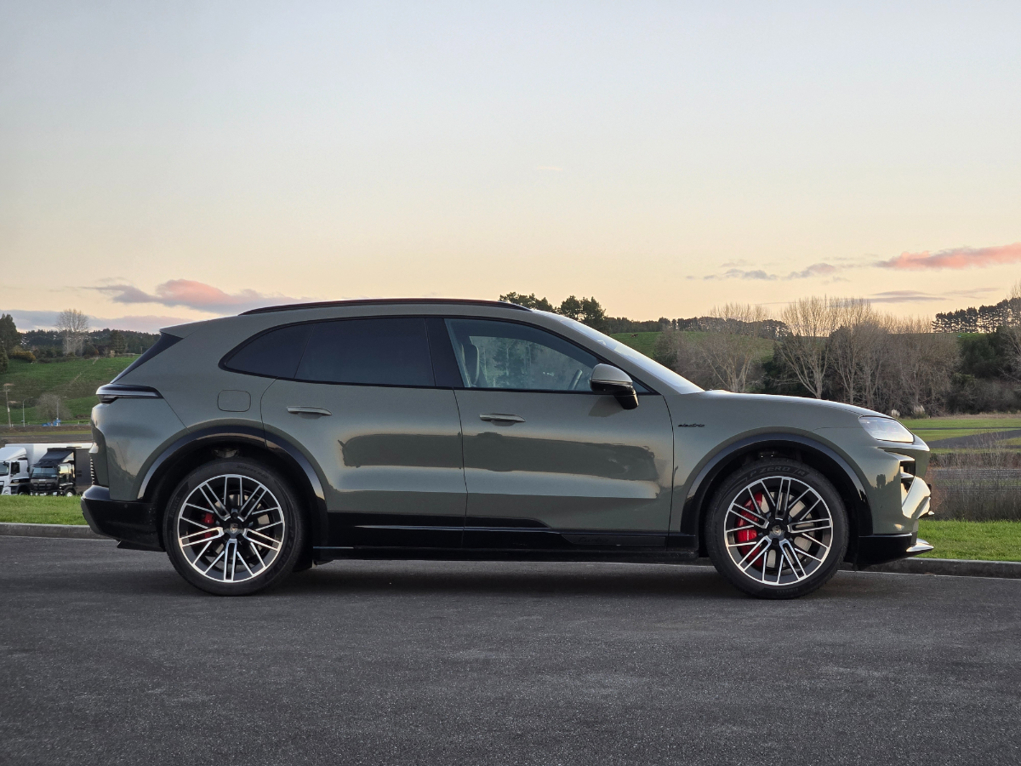
Actually, is that bad news? The regular Electric models are more expensive than the standard Cayenne, but the Turbo looks like, ahem, good value next to the flagship-combustion Cayenne Turbo E-Hybrid, which can only get to 100km/h in a paltry 3.7sec.
A Taycan Turbo Cross Turismo will get you to 100km/h in 2.8sec, but it doesn't have the same level of technology underneath and costs $377,900.
It's $1010 to add Porsche Electric Sport Sound (PESS) to the Cayenne Electric (standard on S and Turbo), $3420 for the rear axle steering and a whopping $16,700 for Porsche Active Ride. Worth it?
What’s it like to drive?
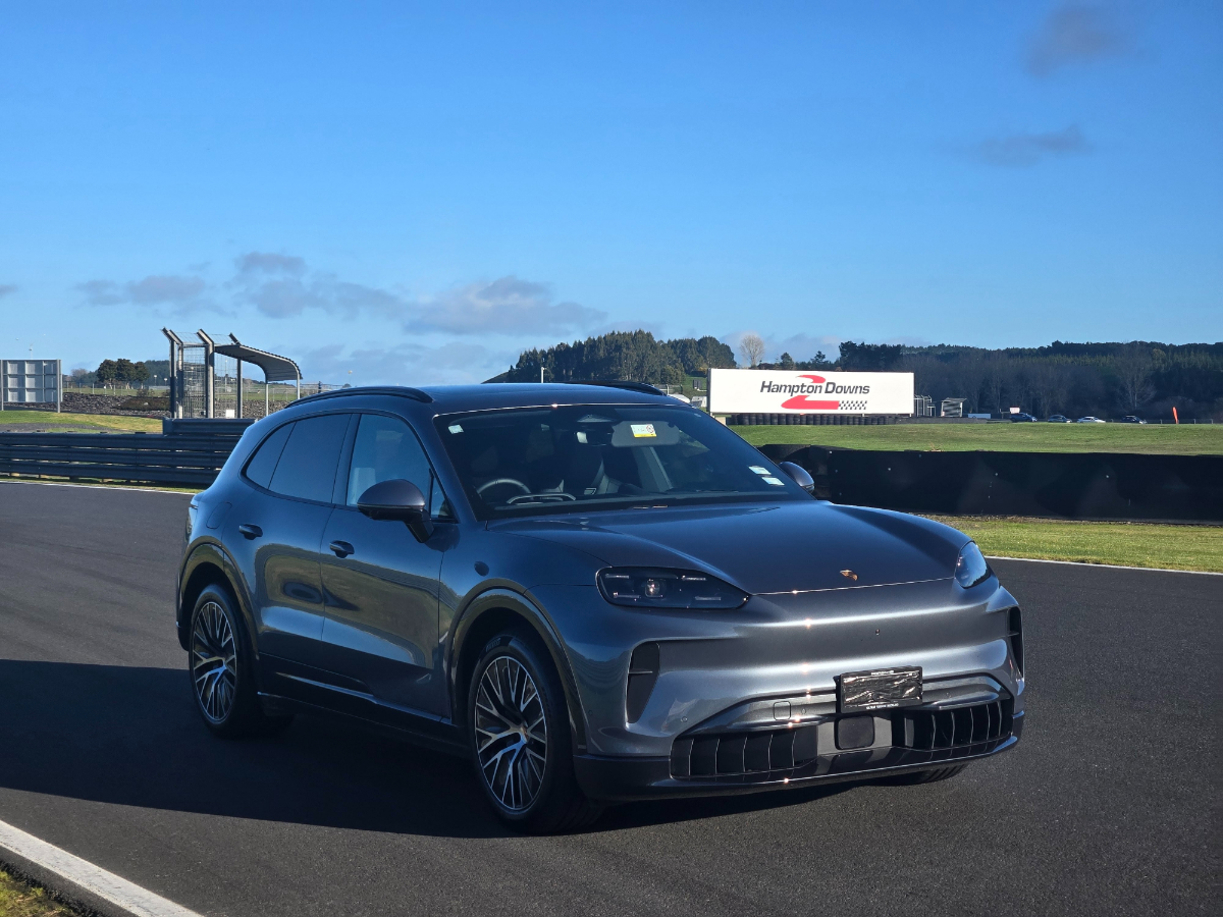
It is worth it, at least according to our preview drive of the Cayenne Electric and Cayenne Electric Turbo at Hampton Downs Motorsport Park.
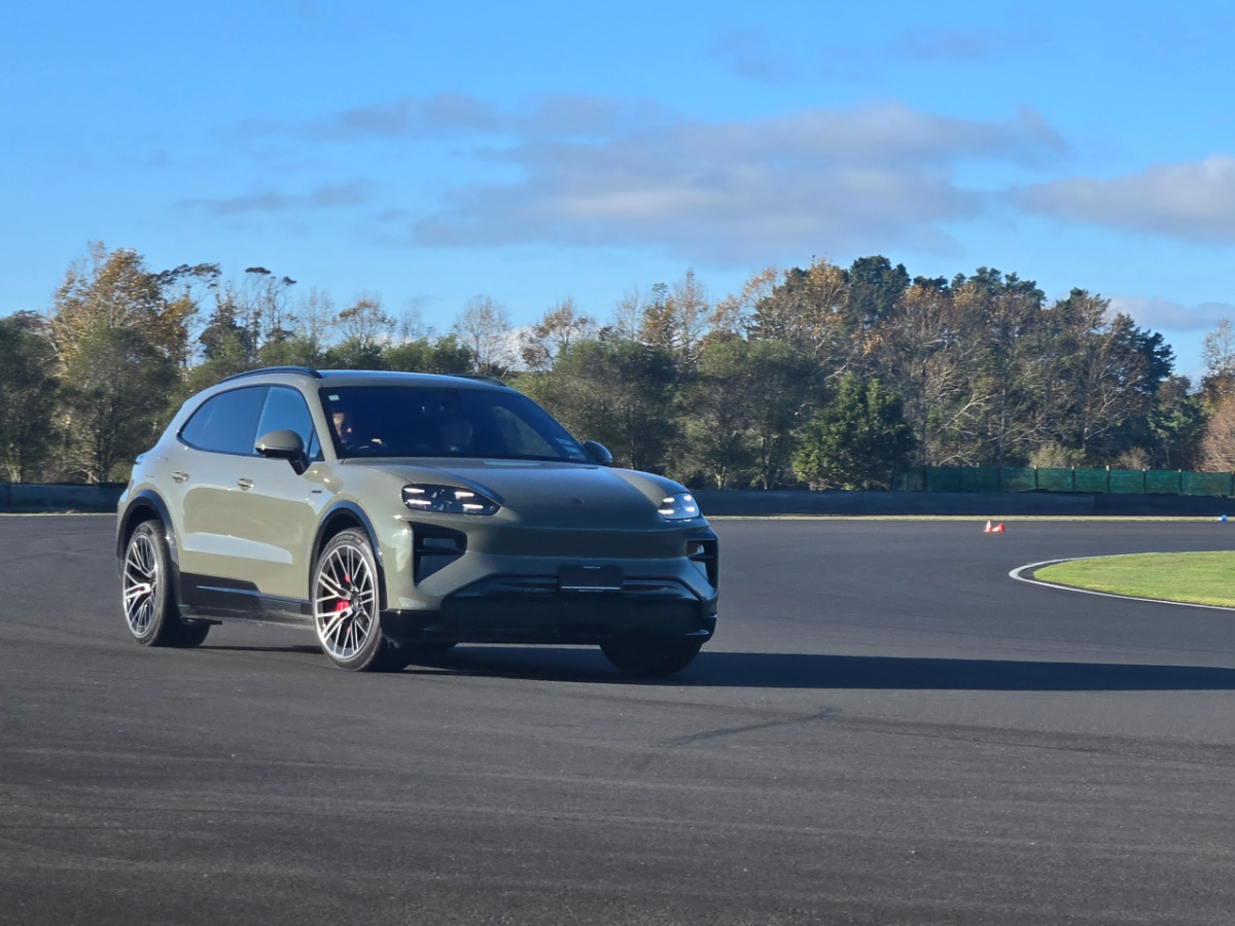
Porsche NZ called this a "teaser", with longer road-tests to come. So while this wasn't real-world, it was certainly a chance to push the new SUV in a way that's simply not possible on public tarmac.
We had the entry (ha ha) model and the Turbo to play with; no S this time. The standard version is plenty fast enough for most, even on the track. The adaptive air suspension gives great body control and the performance is deeply impressive, right up until 130km/h where you feel it start to tail off in a way that's typical of EVs.
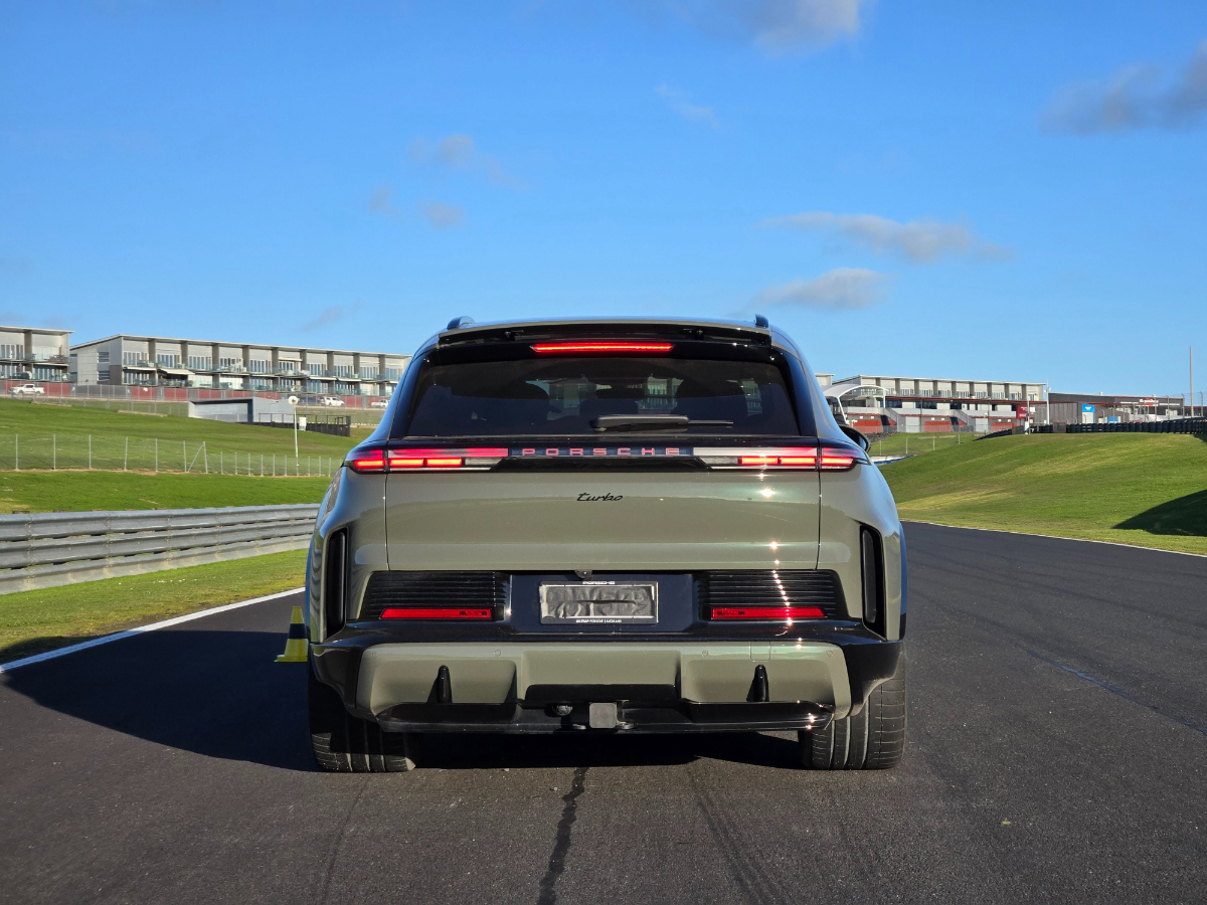
Well, most EVs. The Cayenne Electric Turbo is an other worldly experience, whether it's unleashing a brutal 850kW/1500rpm in Launch Control conditions (we did that) or challenging Porsche Active Ride Control to keep this 2645kg SUV flat enough on circuit corners to keep up with a 911 Turbo S (we did that too).
The Turbo's range of talents is surreal. It's become a motoring-journalism trope to ask why anybody needs a large SUV to perform and handle like a supercar, but the fact is people seem to want 'em. Based on our brief experience so far, it's possible this one sets a new bar.
What’s the pick of the range?
It seems utterly predictable to say the most expensive, super-fast one is our favourite. But based on bang-for-your-buck and the astonishing combination of technology and talent, the Turbo is a standout.
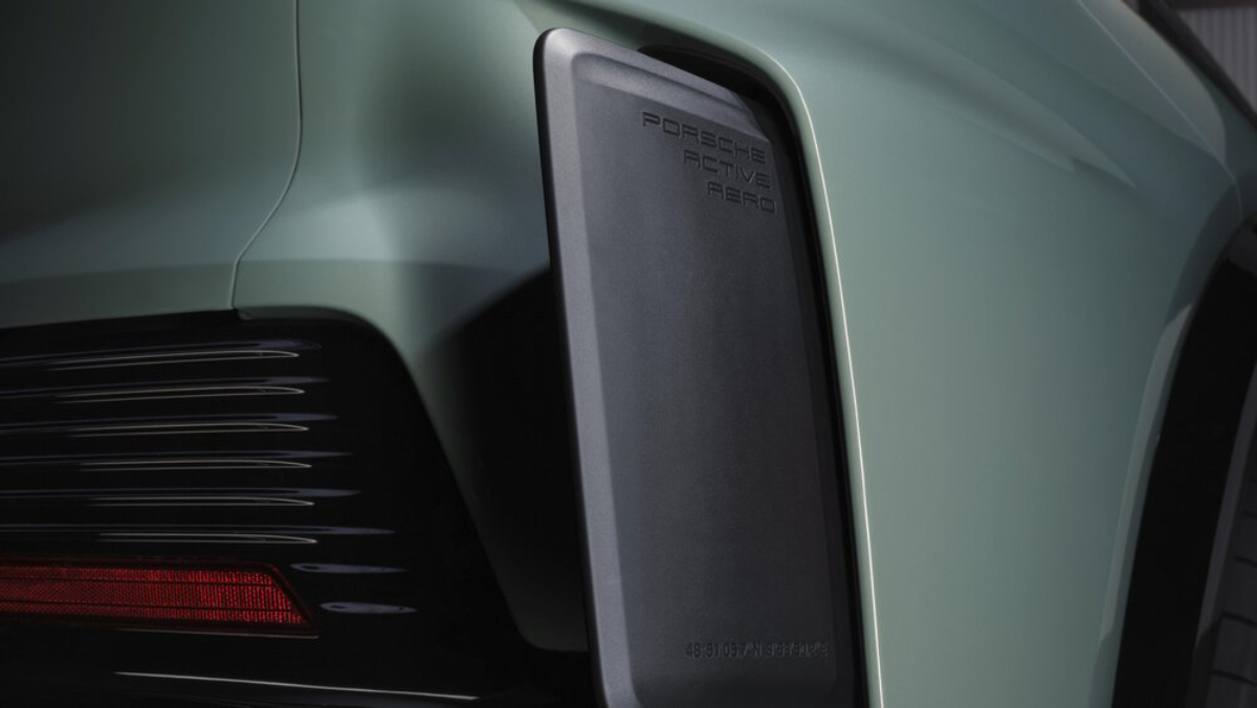
It also has really cool active-aero blades that pop out from the rear bumper at speed, Thunderbirds-style.
What other cars should I consider?
Other Porsches, obviously, like the Cayenne petrol/hybrid and Taycan Cross Turismo. But we've covered those already.
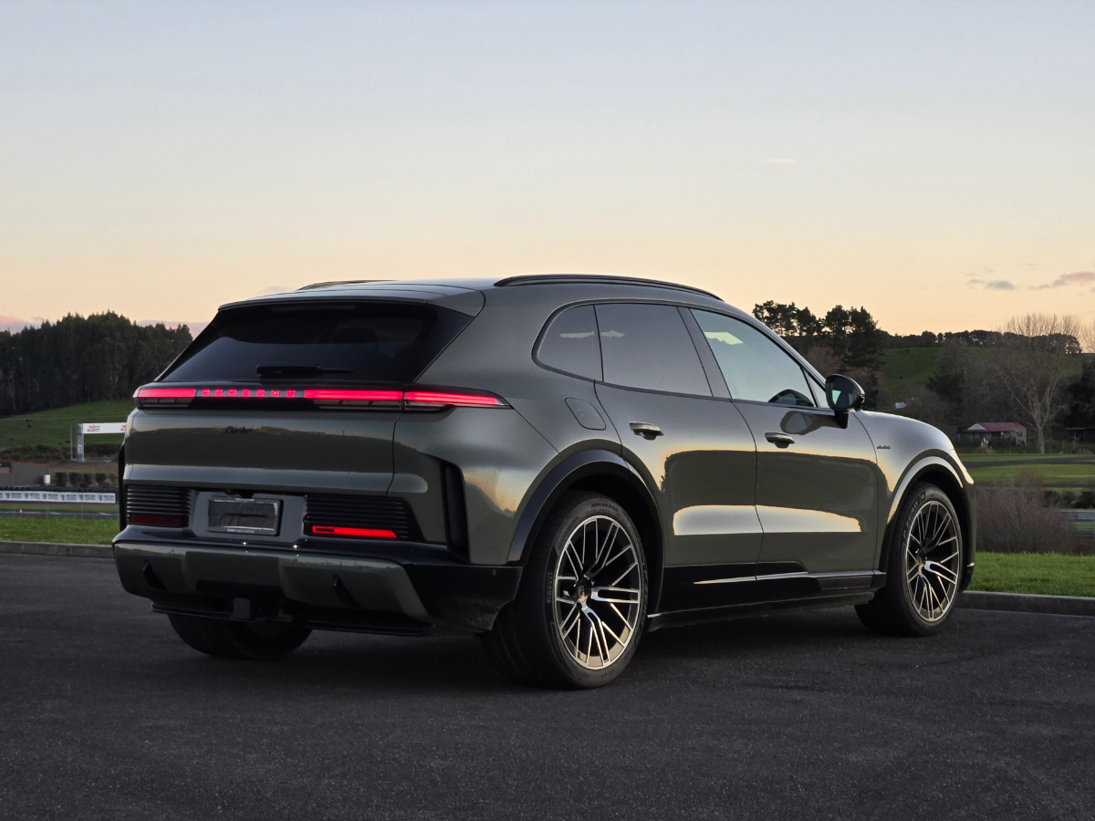
Premium performance pure-electric SUVs: there aren't many that can claim to match the Cayenne's character and technical ability. Mercedes-Benz/AMG no longer lists the EQE for NZ, and while the BMW iX is a contender, it's now only sold in mid-range $169,900 xDrive45 specification. However, don't forget the new pure-electric iX5 is on the way.
The Lotus Eletre is a bit niche, but it's a Cayenne Electric rival if ever there was one. It costs from $189,900-$279,900 and the top version can hit 100km/h in 2.95sec.
Others? We rate the Volvo EX90 ($149,990-$159,990): not as overtly premium (or anywhere near as expensive) and not in the least bit sporty, but a superb SUV and the Ultra model serves up 0-100km/h performance of 4.2sec.