



What’s this new car all about then?
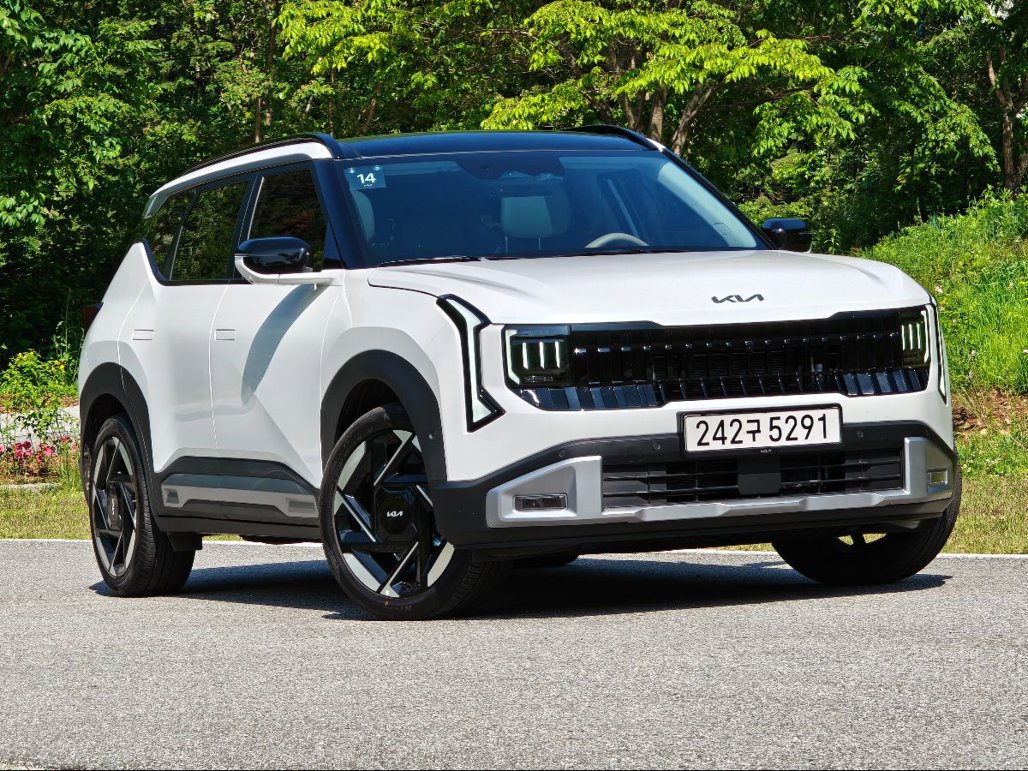
Kia has officially pulled the wraps off its second-generation Seltos, a core global model for the Korean carmaker, introducing a bold redesign, a new hybrid powertrain option, and a host of technological upgrades aimed at capturing a larger share of the booming small SUV market.
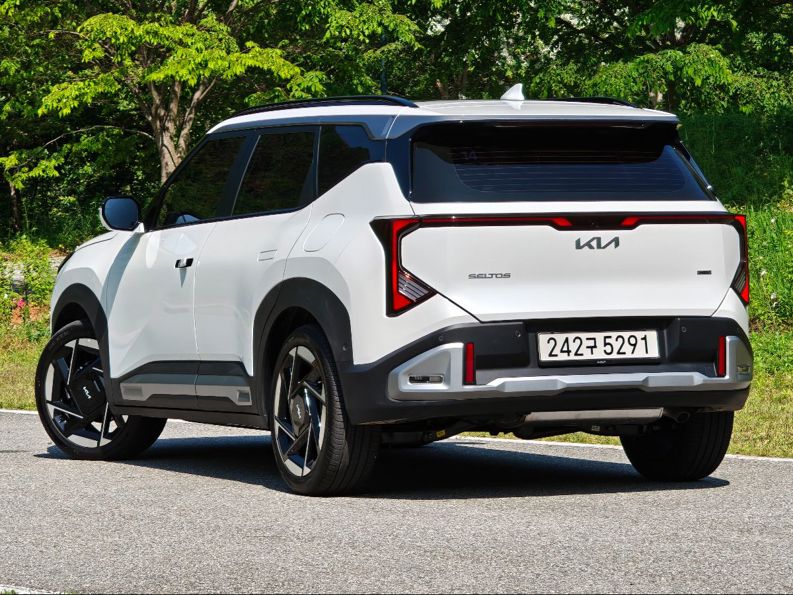
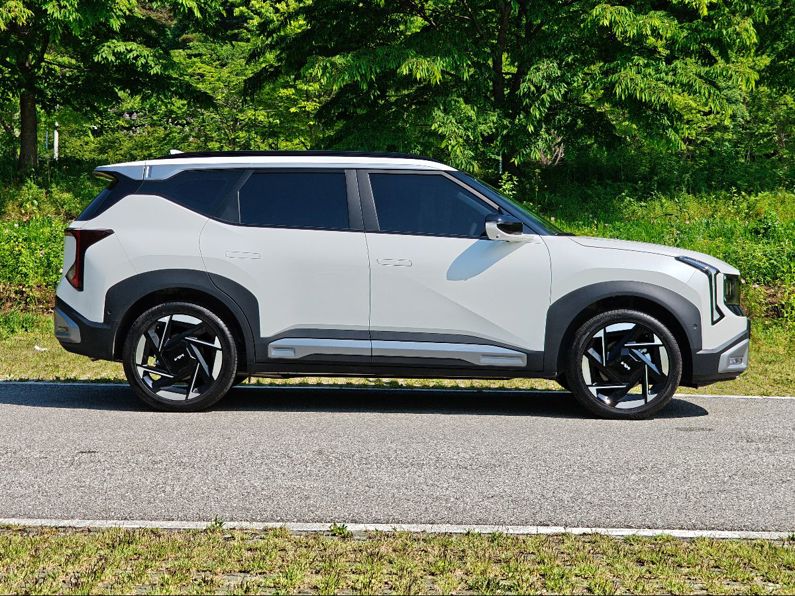
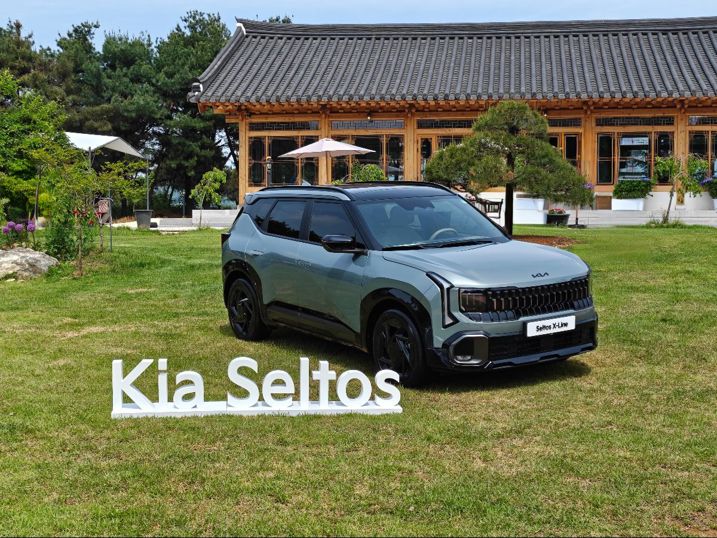
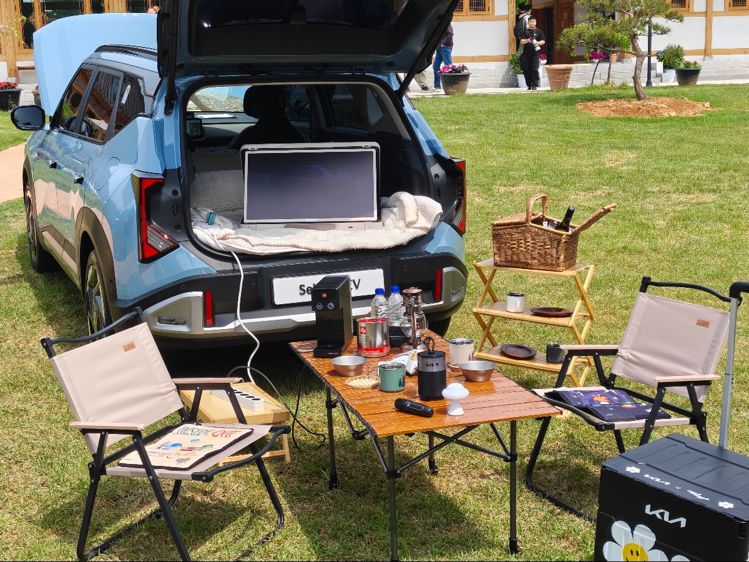
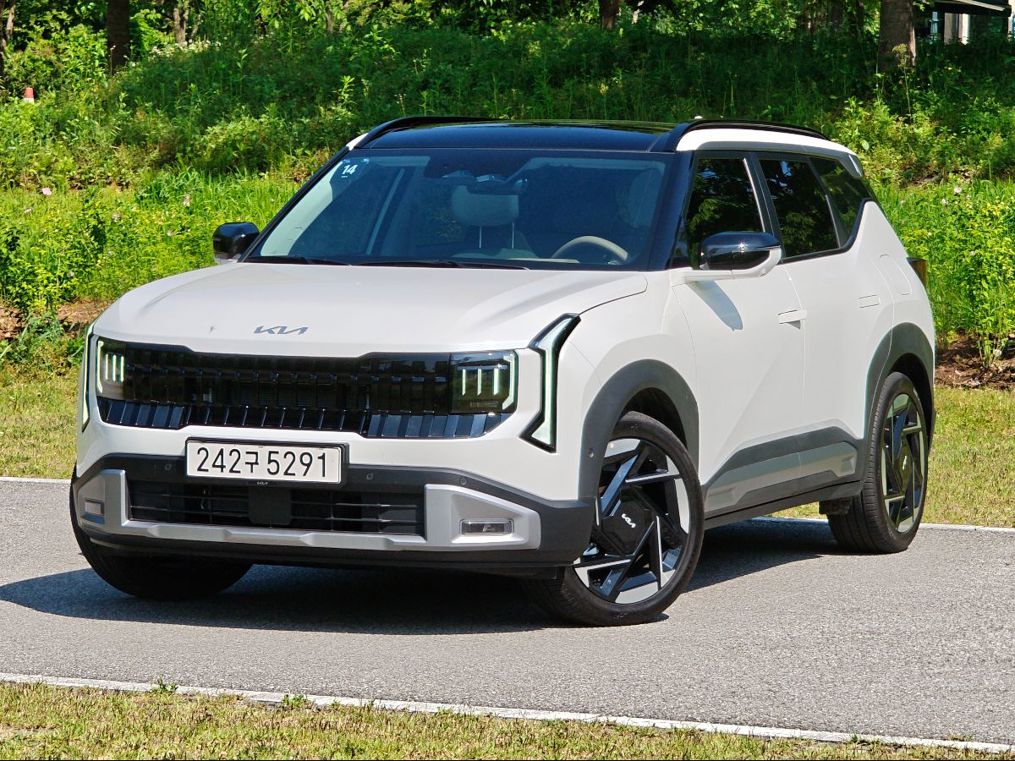
The new Seltos arrives looking more like a scaled-down SUV that a slightly taller hatchback, with squarer, chunkier proportions and design cues borrowed from the brand’s EV lineup. Strong vertical LED headlights and full-width LED tail lights give it a more premium, modern presence on the outside, while on the inside, the cabin makes a marked leap in perceived quality.
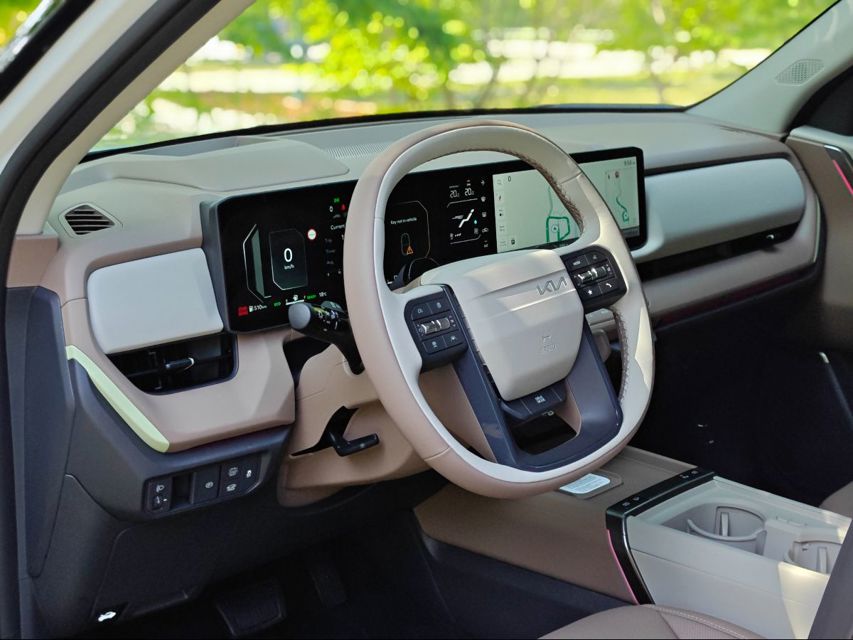
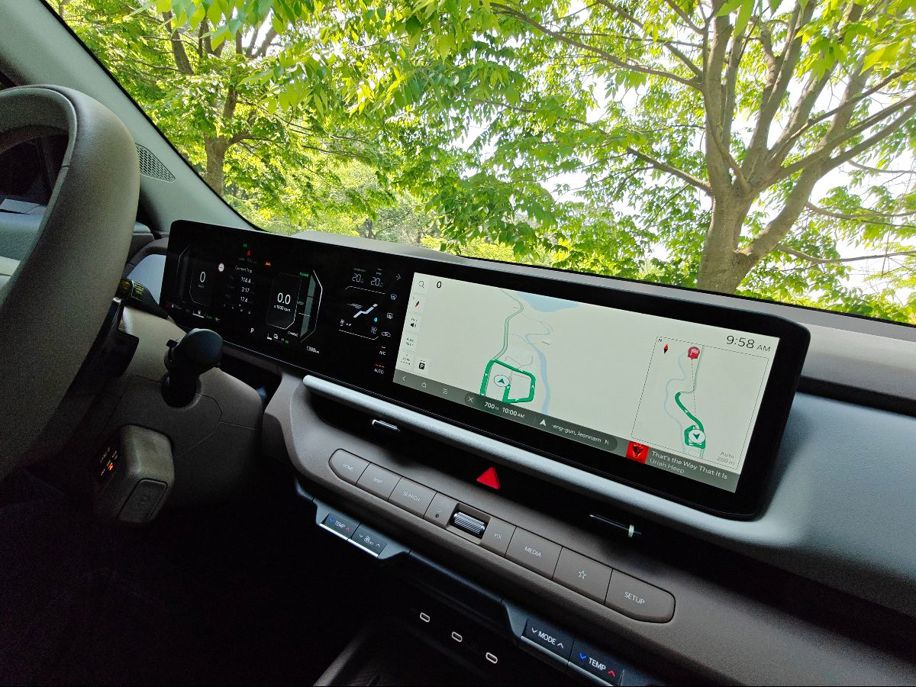
The interior has been modernised with a sweeping 30-inch integrated panoramic display, a column-type shift-by-wire system to free up console space, and a new 12-inch head-up display.
New features include over-the-air (OTA) update capabilities, Kia Digital Key 2, and an advanced suite of driver-assistance systems like Highway Driving Assist 2 and Forward Collision Avoidance Assist 2, while the new model will be produced in Korea, India, and China to support an expanded global sales footprint that now includes the European market.
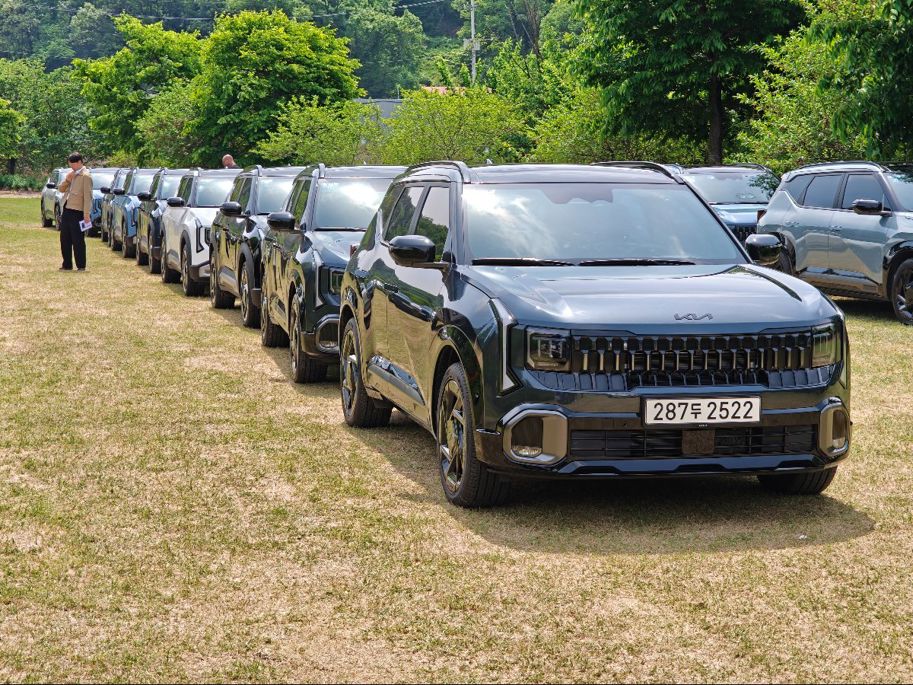
The second-generation Seltos is built on Kia's new K3 platform, and features a body composed of over 60 percent advanced high-strength steel that has grown in size over the last model, with an overall length increase of 45mm, a width increase of 30mm, and a wheelbase extension of 60mm. This translates to more interior space, including a 25mm increase in second-row legroom.
But the biggest news is that for the first time the Seltos will be available with a hybrid powertrain, which Kia expects will be a major draw for customers.
Kia anticipates a significant portion of Seltos global sales will come from the new hybrid variant, while in New Zealand, the company looks likely to switch to an all-hybrid line up at this stage, although final powertrain specs have yet to be confirmed.
This could mean that the Seltos might lose some of its competitive price advantage, as it currently uses Kia's older (read: cheaper) 2.0-litre Atkinson Cycle petrol engine, however final pricing is also yet to be confirmed, so best not to read too much into that just yet.
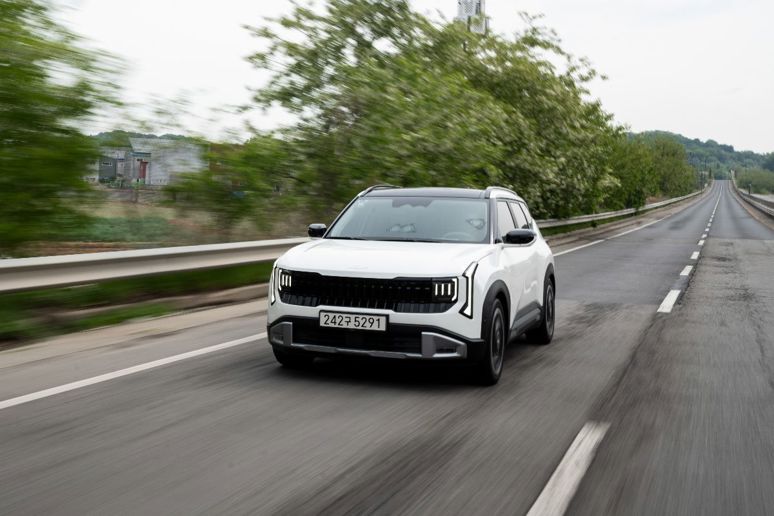
On the road, the turbocharged petrol feels responsive and free of lag, delivering linear, easy performance.
Despite the focus on hybrid technology, Kia will continue to offer traditional internal combustion engine models in different markets, including the venerable 2.0-litre petrol and Kia's familiar 1.6-litre turbo four-cylinder petrol, as well as a range of 1.5-litre petrol and diesel engines from the Indian and Chinese factories.
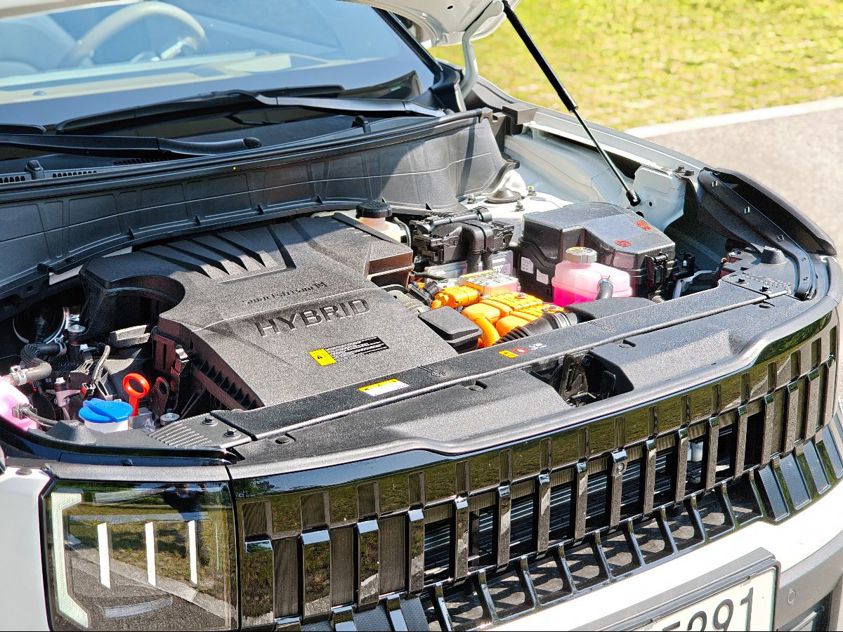
The hybrid powertrain mixes the 1.6-litre turbo engine with a battery (Kia has yet to confirm the capacity) and either a single or dual electric motors. While the ICE versions of the Seltos are available in AWD form as well as FWD, with a traditional mechanical AWD setup, the hybrid model uses the second electric motor on the rear axle for a new eAWD setup.
Kia officially quotes 115kW/144Nm total system output in FWD form and 133kW/144Nm in AWD form for the hybrid, while it says the ICE 1.6-litre turbo produces 132kW and 264Nm. The discrepancy in torque is somewhat baffling, but as the hybrid powertrain was still officially undergoing final certification for efficiency, this will likely be cleared up by the time final local specifications are revealed.
While the 1.6 gets a choice of 8-speed automatic, 6-speed manual or a 7-speed dual clutch transmissions, the hybrid uses a 6-speed dual clutch unit. The 110kW 2.0-litre naturally-aspirated engine uses a CVT.
How much is it?
Kia New Zealand has yet to confirm pricing for the new Seltos, but is expected to emphasise the hybrid. The New Zealand market has become increasingly competitive in this segment, especially with low-priced Chinese-built electric small SUVs undercutting traditional offerings, so the price tag will be pivotal in such a competitive market.
On a twisty road, the hybrid proves comfortable and predictable, with sharp initial turn-in and agreeable manners, yet it lacks punch and can become droney in automatic mode.
While we wouldn't expect to see it retaining its current pricing of $33,990 to $44,850 with the shift to hybrid powertrains, that transition - along with it's increase in size - would still put it as a strong competitor in the low-$40k to high-$50k segment where competition like the Toyota Corolla Cross and Hyundai Kona sit. But if Kia NZ can even manage to price it under that - a sub-$40k non-hybrid model maybe? - then they will surely be on to a winner.
What's it like to drive?
We sampled two powertrain options on the global launch in Korea: the 1.6-litre turbo and new hybrid, both in FWD form.
On the road, the turbocharged petrol feels responsive and free of lag, delivering linear, easy performance without being overtly powerful, while also remaining refined and smooth. The engine felt flexible and willing on Korea's 110km/h-limited motorways, but unfortunately, the only backroad driving we managed to get was heavily limited to either 30km/h or 60km/h, but it still felt nicely willing out of corners at these speeds.
Ride quality was excellent, with an initially firm feel at lower speeds (surprisingly sporty feeling, rather than harsh or unpleasant) that transforms into nicely resolved and compliant at higher speeds, giving the small Seltos the feel of a much larger SUV in terms of ride comfort.
The hybrid, offered with Eco and Sport modes, is quieter and more refined day to day, but in Eco feels a touch reluctant off the line. On a twisty road, the hybrid proves comfortable and predictable, with sharp initial turn-in and agreeable manners, yet it lacks punch and can become droney in automatic mode unless you intervene with manual shifting - at which point you discover there’s not much to exploit. The AWD would likely be the best pick here.
While the turbo stands out as the more satisfying drivetrain for enthusiastic driving, the more refined hybrid is the clear pick for urban motoring.
While steering feels light and somewhat detached in normal driving, switching into Sport mode sees the weight and response improve noticeably, aligning better with the chassis’ tidy body control. There is some body roll despite the firm secondary ride, but overall composure remains good.
Driver assists and alerts were largely well behaved and unobtrusive, although the lane assist did start to get a bit vocal on narrower back roads at speed, but then Korean backroads are generally limited to 30km/h where it barely activates, so some form of local calibration will likely fix this when it arrives here.
What’s the pick of the range?
While the turbo stands out as the more satisfying drivetrain for enthusiastic driving, the more refined hybrid is the clear pick for urban motoring, but without confirmed local pricing or full variant availability for New Zealand yet, the answer depends on budget and what arrives.
If both Turbo and Hybrid are offered, the turbocharged model is currently the more convincing all-rounder based on responsiveness and real-world pace, particularly for buyers who value sprightliness on open roads.
The hybrid counters with quieter operation, richer refinement, and potentially stronger efficiency, making it attractive for urban and commuting use - especially if Kia prices it competitively. And while we didn't get to sample the AWD hybrid, it could well be the pick (again, if it comes here) with its increased power adding to the hybrid powertrain's refined and frugal nature.
What other cars should I consider?
The is absolutely no shortage of options in the crowded small SUV segment and buyers can cross-shop established rivals like the Hyundai Kona ($42,990 to $59,990), Toyota Corolla Cross ($44,990 to $55,990), Mazda CX-30 ($43,390 to $57,790), Honda HR-V ($43,500 to $45,800) and Subaru Crosstrek ($44,990 to $52,990), to name but a few.
Given the Seltos’ EV-inspired styling and tech, it’s also worth weighing emerging value-packed electric alternatives from Chinese brands that have pushed prices down - particularly for buyers prioritising full-electric ownership over hybrid. In this context, the Kia’s pricing and specification balance will be even more crucial when decisions are made for local release.


