



- 2.5x more electric range on both models.
- Major facelift inside and out for XC60.
- Both updated SUVs due in NZ next year.
Volvo New Zealand says new long-range plug-in hybrid (PHEV) versions of its XC60 and XC90 SUVs will offer customers "greater flexibility on the journey to fully electric driving".
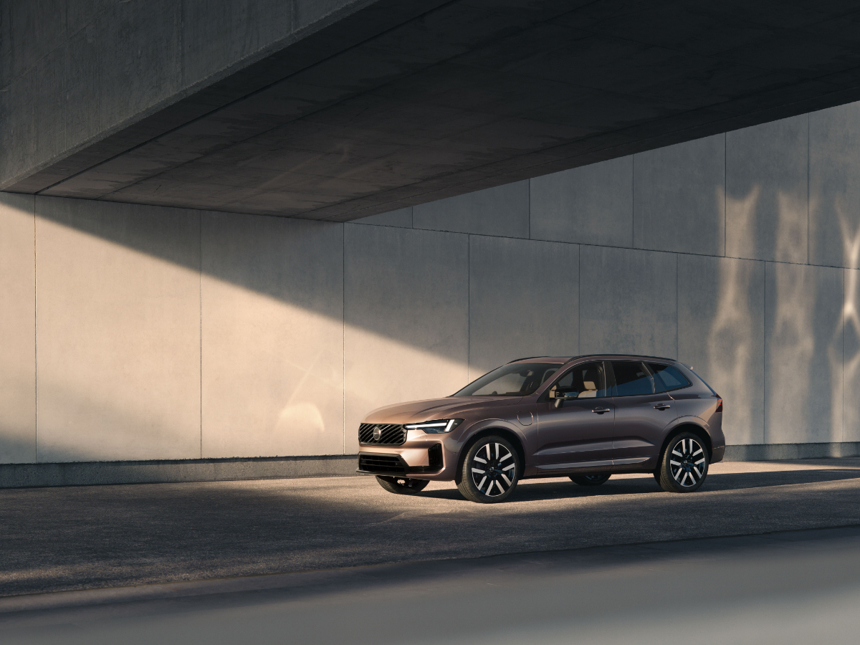
The new PHEVs have larger batteries and more powerful electric motors than the existing models. The revised XC60 can now travel 180km on electric power (previously 67km), while the XC90 can achieve 165km (up from 62km). Both cars will still also be available as mild hybrids.
The company has not yet released specific technical detail on battery size and motor output. The XC60 is confirmed for NZ in early-2027, while timing for the XC90 is still to be confirmed. Local specification and pricing will be announced before the end of the eyar.
The changes come with a substantial refresh for the XC60 that includes new exterior and interior design, "next-generation infotainment with Google Gemini, and Volvo Cars’ latest active safety technologies".
“The XC60 is our best-selling model of all time, while the XC90 marked the beginning of our premium journey,” says Håkan Samuelsson, president & CEO at Volvo Cars.
“Now, as long-range plug-in hybrids, they build on those legacies and, together with the all-electric EX60, give us our strongest-ever electrified offering in the mid-size SUV segment. This means a path to full electrification for every customer.”
New look for XC60
The CX60 has a different grille and redesigned front bumper, bonnet, front wings and new wheel designs.
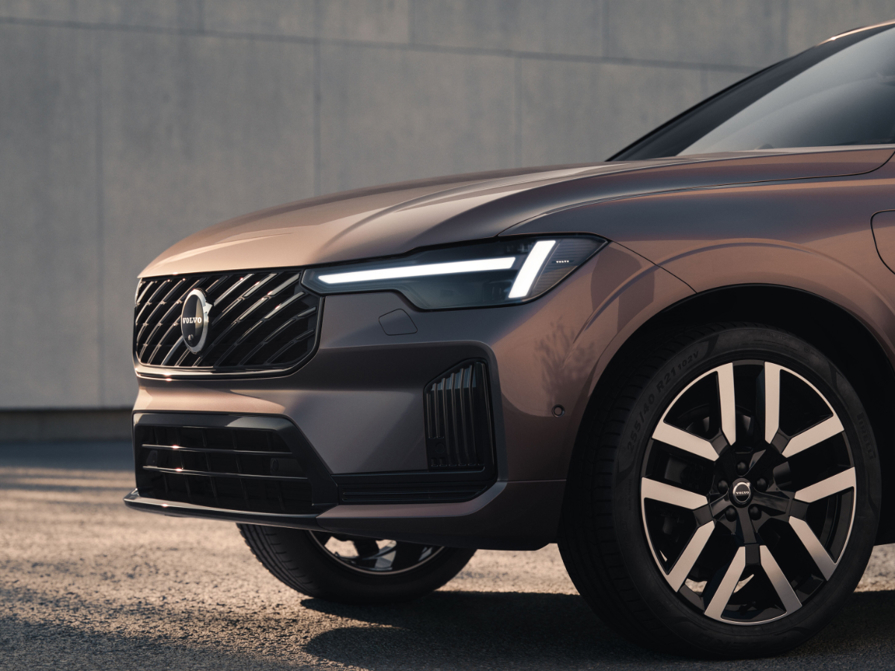
There's a new design of the signature Thor’s Hammer Matrix LED headlight, which Volvo calls its "purest expression". The design of the tailgate, rear LED lamps and rear bumper have been updated with a stronger emphasis on horizontal lines.
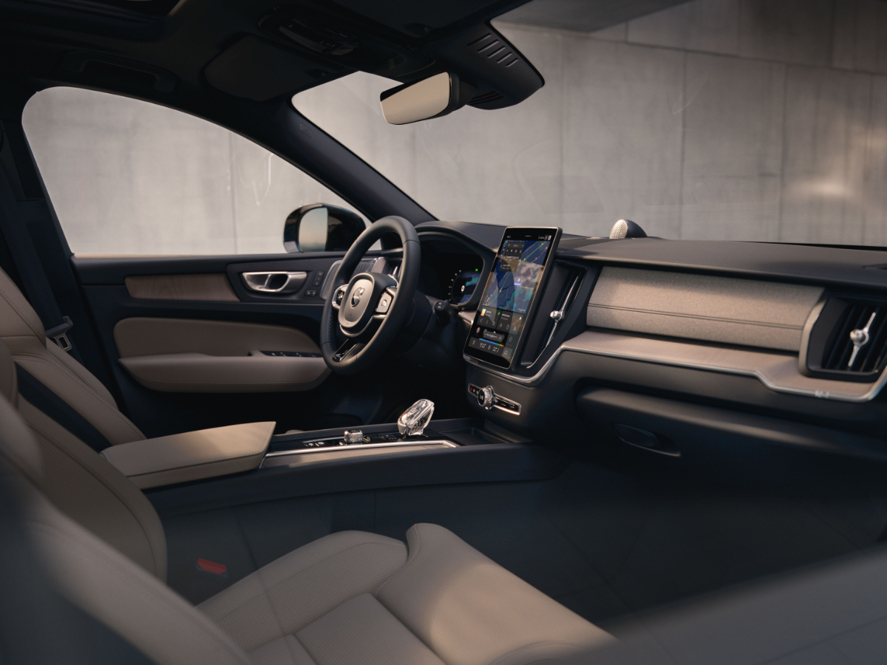
Inside, there's a new dashboard and door panel design, wood decor and Cardamom ventilated Nappa leather, with new interior illumination.
The car now features Gemini, the next-generation AI assistant from Google, which allows drivers to interact with the car in a more conversational way.


