



NordEast group general manager Dane Fisher argues New Zealand has reached a tipping point for vehicle electrification.
To readers of DRIVEN Car Guide: the automotive industry is in the middle of its most profound reset in more than a century. Powertrains are changing, supply chains are shifting, new brands are emerging at speed - and the rules that once governed how we bought, sold and owned cars are being rewritten in real time.
Electrification sits right at the centre of this change. It brings enormous opportunity, but also real uncertainty. For customers, dealers and distributors alike, the questions are no longer theoretical - they’re practical, commercial and immediate.
Over the coming issues, I’ll be sharing a view from inside New Zealand’s automotive transition: what’s changing beneath the headlines, what’s gaining momentum, and what it means for Kiwi drivers and businesses.
My own journey with cars began at 17, when I was offered my first job as a groomer by the late Sir Colin Giltrap. That opportunity sparked a career spanning multiple countries and some of the world’s most recognisable automotive brands. Today, I lead the team at NordEast Vehicle Distributors—a new division of the Giltrap Group, built on more than 60 years of automotive heritage in NZ.
NordEast was created with a clear purpose: to bring together a portfolio of Geely Group brands and use that scale to make electrification more practical, more accessible, and more appealing for Kiwi drivers and businesses.
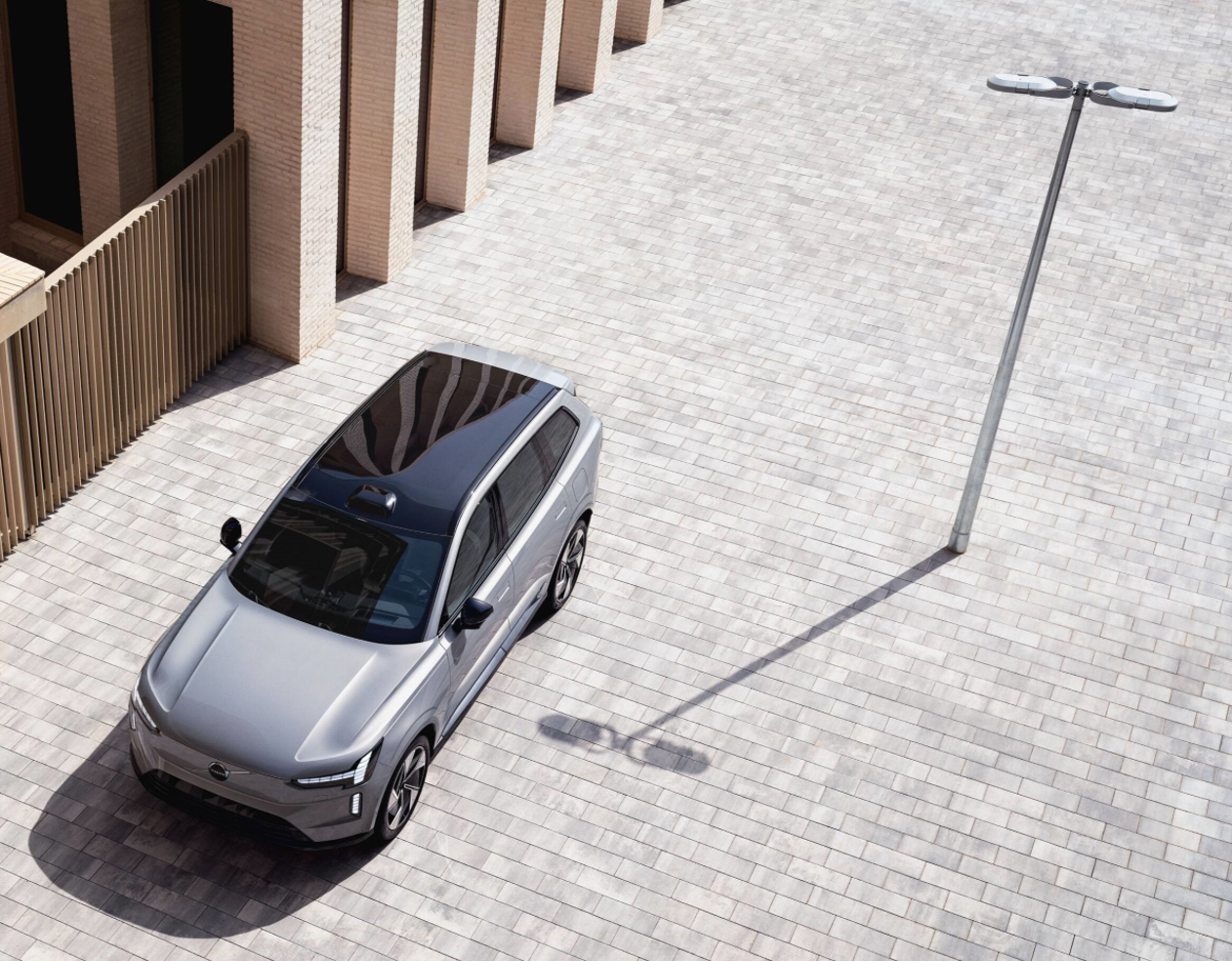
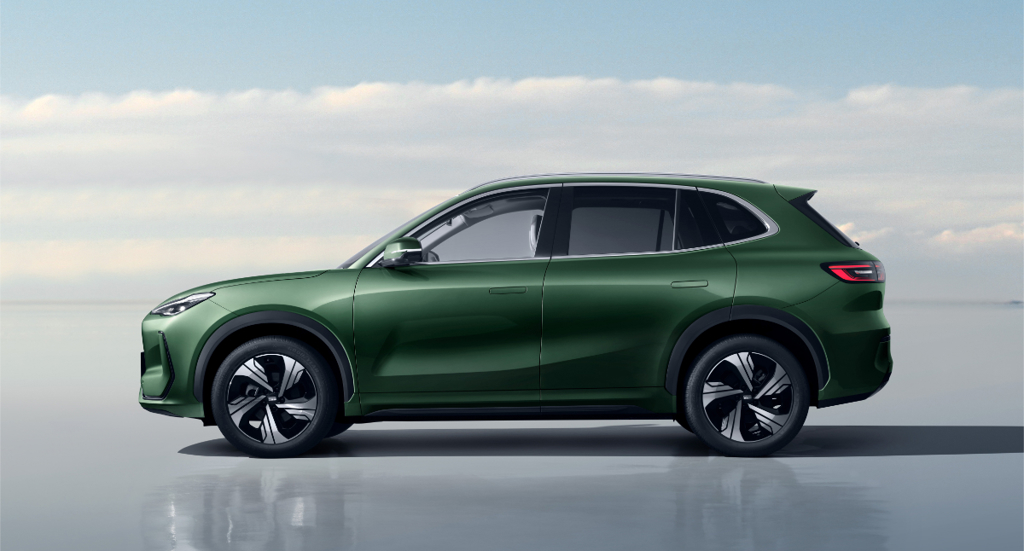
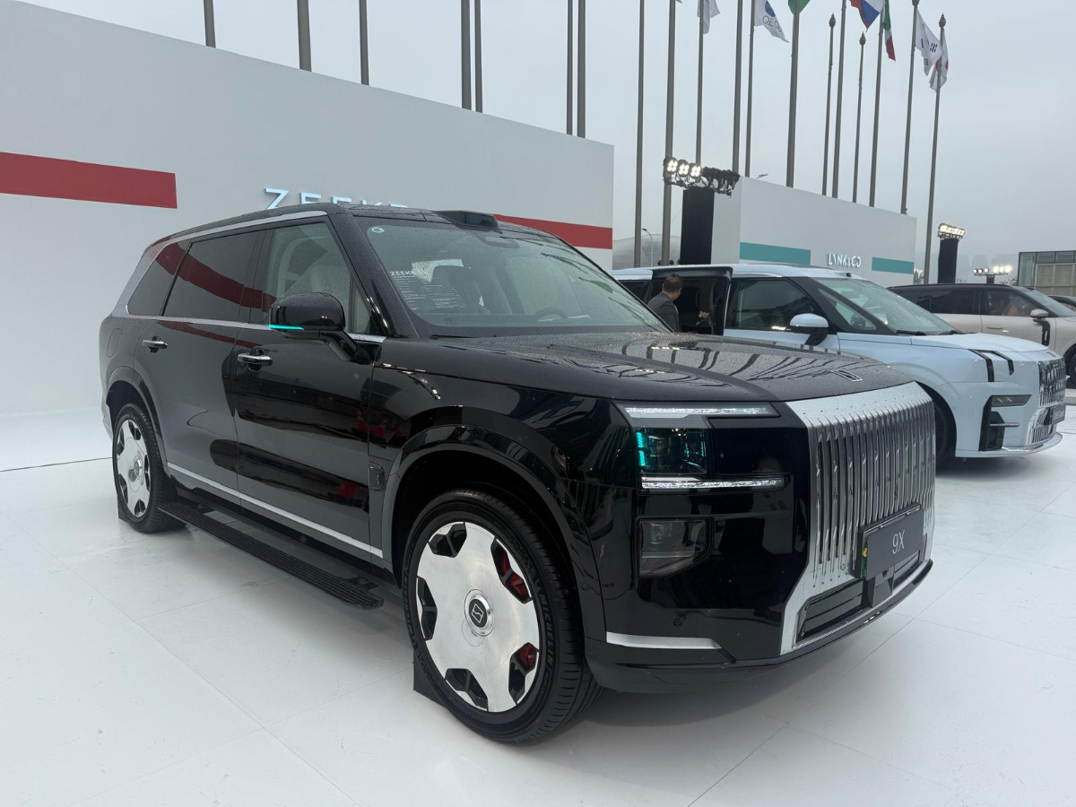
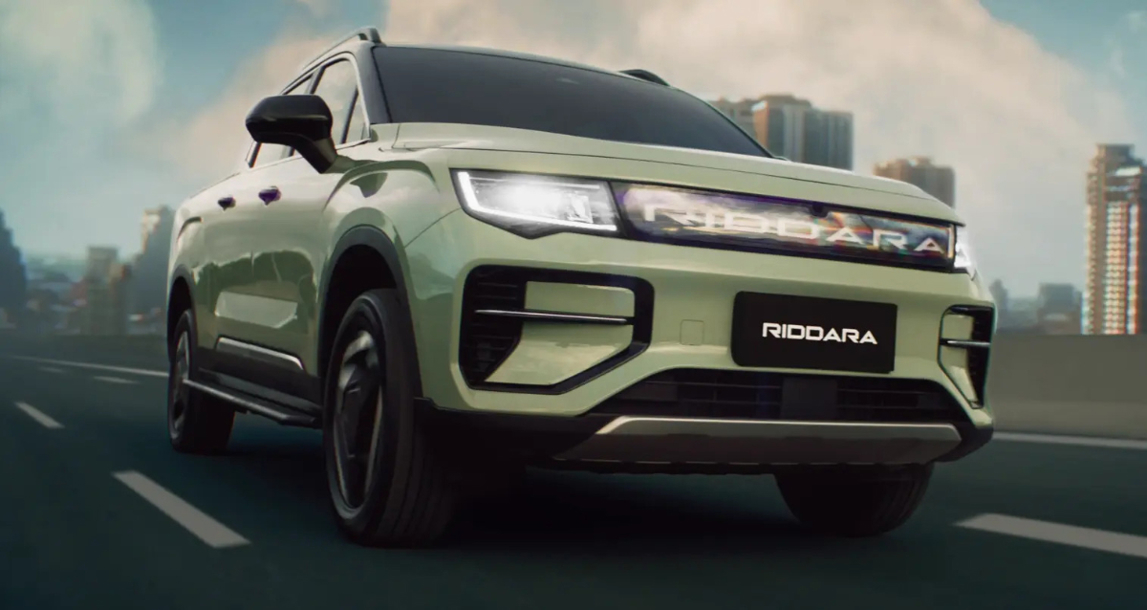
We represent six brands: Volvo, Polestar and Lotus, alongside three newer names, Geely, Zeekr and Farizon. That “six brands, one distributor” model is unique globally, and it’s deliberate. It allows us to move faster, invest smarter, and give customers real choice across price points, body styles and technologies — without forcing everyone into a single definition of what electrification should be.
We’ve seen encouraging early traction, particularly in the premium segment, and newer brands are finding their feet faster than many expected. But for me, the more interesting question isn’t what’s happened already - it’s what’s happening right now.
Recent fuel supply restrictions have been a timely reminder of how volatile, and how fragile, the global oil market can be. At the same time, March delivered a standout moment for electrified vehicles in NZ.
The overall market was up almost 20% year-on-year. Battery electric vehicle sales were up 271%, and plug‑in hybrids rose 211%. BEVs reached a 16.6% market share, PHEVs 10.2%, delivering a combined 27% New Energy Vehicle (NEV) share — the highest since December 2023.
At NordEast, our own results were up 170% on the same month last year, with 313 vehicles delivered, of which 287 were electrified at a 92% electrified penetration rate.
Naturally, the question I’m asked most is whether this is a short‑term sugar rush — or something more lasting.
My honest view is this: some of the spike will normalise, especially as brands scramble to restock, but the underlying direction is real.
We’ve seen this pattern before. Late-2023 showed just how sensitive the market is to policy and pricing. As the Clean Car Discount came to an end, electrified registrations surged, including a month where battery EVs made up nearly 40 per cent of new vehicle registrations. When the scheme ended on 31 December, the market corrected sharply. By January 2024, EV share had fallen to around three per cent.
On the surface, that looked like hesitation. I see it differently.
This is a market in transition — highly sensitive to total cost of ownership, confidence, and practical barriers. And those barriers are shifting.
Our monthly research backs this up. In February, before the fuel disruption, Kiwi intent to buy an electric vehicle was at its highest in years, while concerns around range, cost and charging were at their lowest.
NZ still lags behind more mature electrified markets. In 2025, electrified vehicles made up around 11% of our total market. Australia sat closer to 18%, the UK around 35%, and the global average at roughly 25%.
What’s changed over the past 18-24 months is the fundamentals. There is broader model choice. Real‑world range has improved. Charging infrastructure is stronger. And pricing is moving closer to parity with petrol and diesel alternatives. When those fundamentals line up, latent interest turns into real demand.
We’ve moved beyond the debate stage. Electrification is no longer a theory, a policy experiment, or a niche option. It’s becoming the default — not because people are told to buy it, but because it increasingly makes sense.
When choice expands and barriers fall, behaviour follows. What we’re seeing now isn’t a blip. It’s the market waking back up. And this time, it feels different.