



- Porsche and cylib have produced test cells using cathode material made entirely from recovered battery metals.
- The test cells build on the recycling pilot DRIVEN reported in April 2025.
- Porsche expects recycled materials from the process to support series-production battery use from 2028.
Porsche has turned recovered metals from old high-voltage batteries into new battery test cells, marking a tangible advance for its closed-loop recycling programme with specialist cylib.
The carmaker says the cathode active material used in the cells is made entirely from recycled lithium, nickel, cobalt and manganese. The resulting material meets Porsche's requirements for battery-cell production, and the finished cells are now undergoing operational testing.
This is a new step beyond the recycling pilot DRIVEN reported in April 2025. That earlier phase established Porsche's plan to recover valuable raw materials from end-of-life batteries. The latest milestone shows those recovered materials have now completed the loop and been used to manufacture functioning test cells.
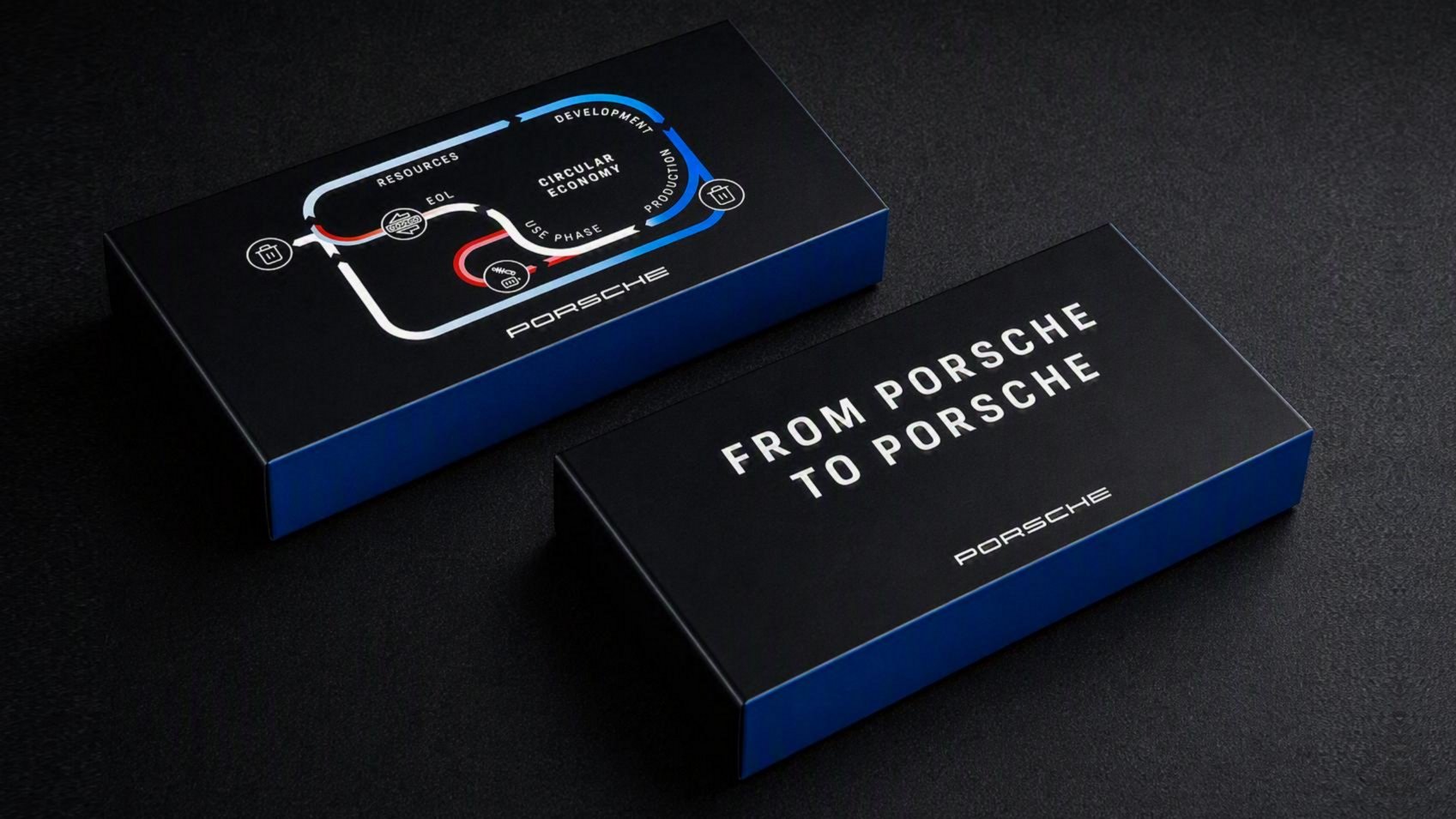
The process is divided into 3 stages: Recover, Refine and Reuse. During Recover, cell modules from end-of-life high-voltage batteries are mechanically processed into a material known as black mass. The lithium, nickel, cobalt and manganese are then separated and purified before being converted back into cathode active material.
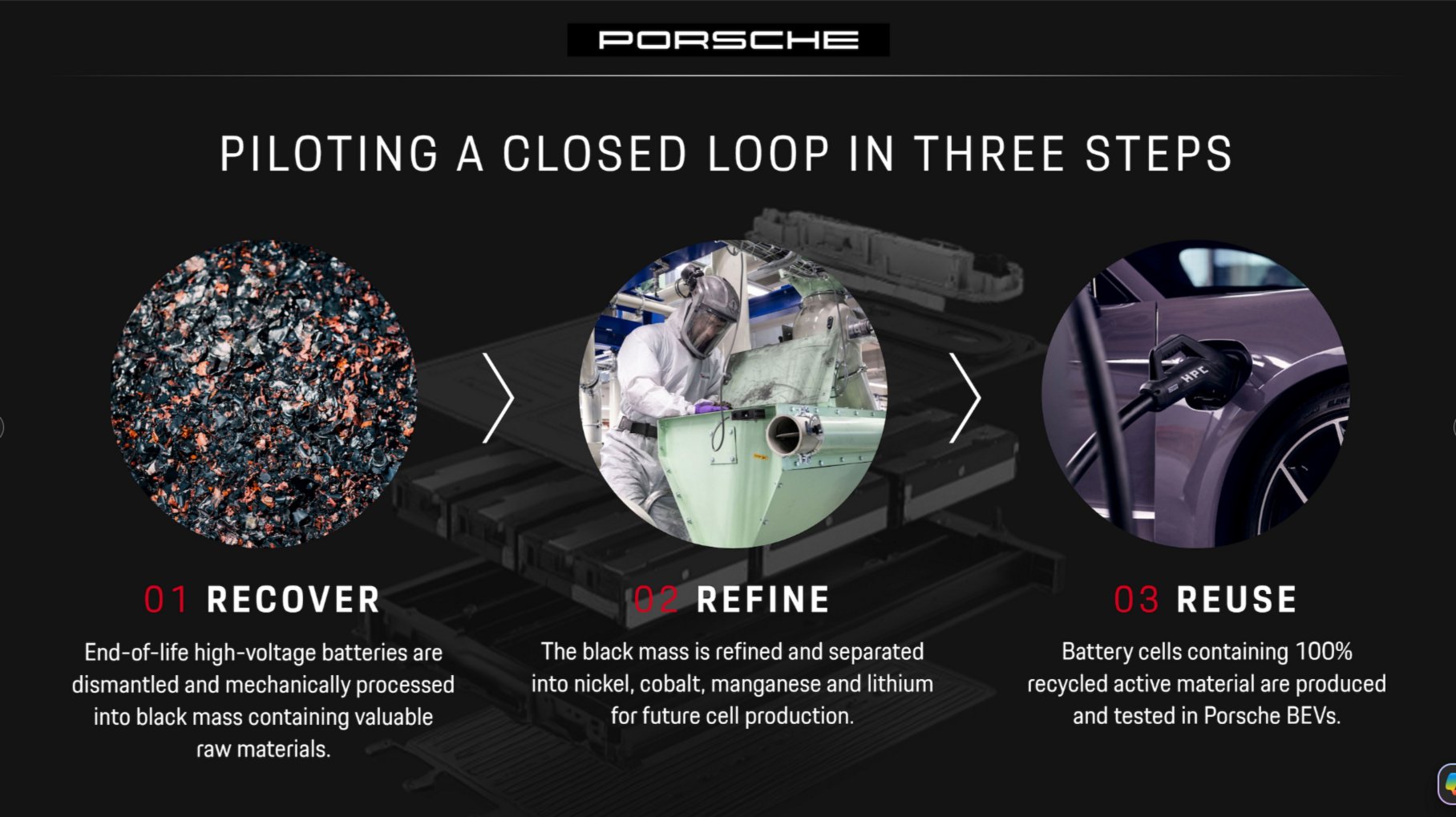
That remade material is used to produce the test cells. Porsche's operational testing will help assess how the recycled inputs perform in use, but the company has not said that commercial-scale battery production using the material has begun.
Porsche expects materials recovered through the programme to become available for series-production use from 2028. The work could reduce reliance on newly mined raw materials while keeping valuable battery metals in circulation for longer.
For now, the significance lies in the transition from a recycling process to a physical battery-cell result. Porsche and cylib have demonstrated that recovered metals can be refined and reused as the complete cathode-material input for a new test cell, while further validation remains under way.


