


- Kia is celebrating the 40th anniversary of its first electric vehicle, the Besta EV.
- The Besta EV was a diesel van Kia converted to an EV for use as a marathon support vehicle.
- It had a range of 42km and was used in the 1986 Asian Games and the 1988 Olympic Games in Seoul.
Kia is celebrating 40 years of its first electric vehicle. Yes, you read that right; Kia built its first EV four decades ago, making it Korea's first ever EV as well. But Kia's first electric vehicle was a rather unlikely creation: a converted diesel van designed to follow marathon runners without leaving a trail of exhaust fumes behind it.
The Kia Besta EV made its debut in 1986, built specifically to support the marathon at that year's Asian Games in Seoul, South Korea. It was subsequently used again at the 1988 Seoul Olympic Games.
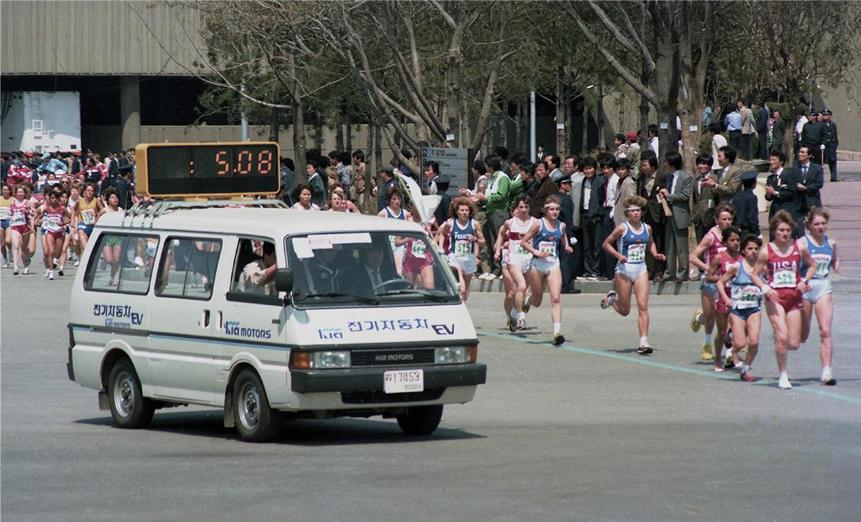
Kia needed a vehicle capable of keeping pace with the runners over the marathon distance while carrying broadcasting and timekeeping equipment, including cameras mounted on its roof. Crucially, it also had to operate without producing exhaust emissions that would affect competitors.
The solution was to take the recently launched Besta diesel van and replace its conventional ICE drivetrain with an electric motor and 35kWh battery pack.
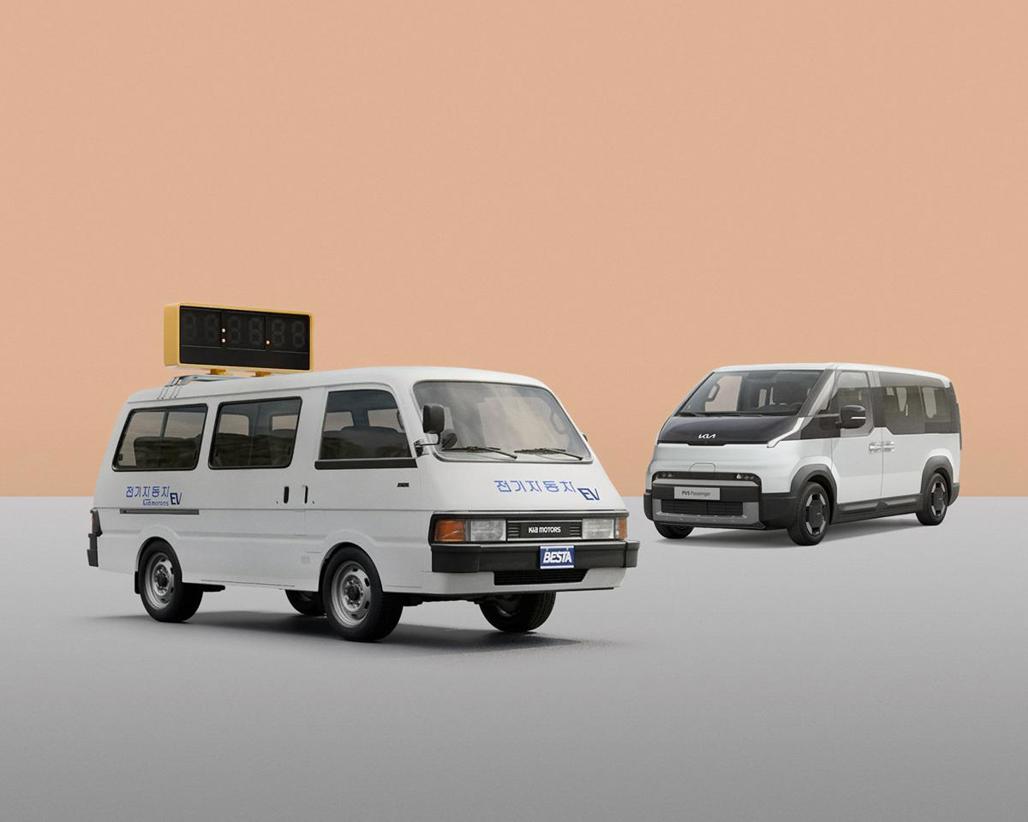
Kia's brief called for a driving range of more than 42km on a single charge, enough to cover the marathon distance, although the company has not detailed the vehicle's performance beyond its original requirements.
The standard Besta was a compact, rear-wheel-drive van launched in 1986 as the successor to the Kia Bongo that was based, as you may have guessed, on the Mazda Bongo and built under license by Kia.
Developed by the company's Central Research Institute, the Besta is considered something of a landmark model for Kia, representing a move towards developing vehicles using its own technology rather than relying on rebadged products from other manufacturers.
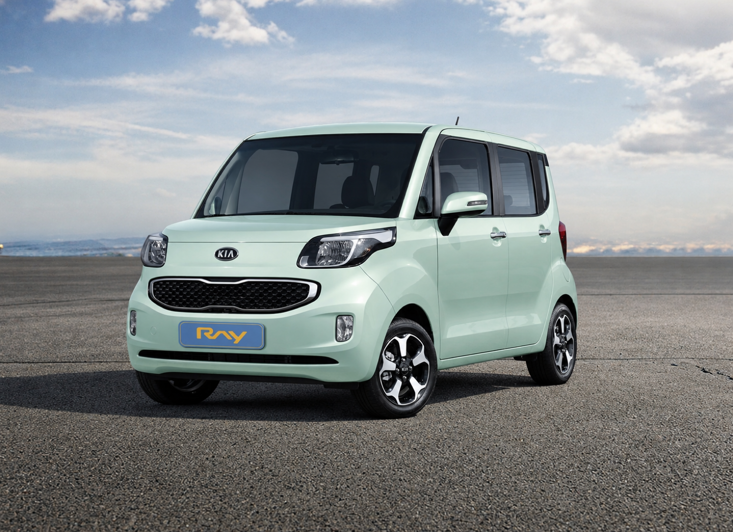
The electric version was a one-off experimental project, created decades before the current push towards electrification, and while its relatively modest battery capacity and range look decidedly limited by today's standards, it remained Kia's only foray into the EV segment until the quirky Ray EV launched in 2011 as the company's first production EV.
And while the Ray's range looks fairly limited by today's standards as well - 139km from its 16.4kWh lithium ion battery - it represents a significant leap over the Besta, with more than three limes the range from a battery less than half the size.
Forty years on, the Besta EV remains a largely forgotten footnote in the history of electric vehicles, but an interesting one given how dramatically the technology - and Kia's involvement in it - has evolved since.


