



F1 takeover inquiry
Uh-oh. It all seemed to go a little too smoothly, didn’t it?
Bernie Ecclestone mightn’t be cackling all the way to the bank just yet, after having sold a stake in Formula 1 to US-based Liberty Media.
The deal is under extra scrutiny after a British politician has called on anti-trust authorities to launch an investigation into F1’s sale, alleging a potential conflict of interest in the deal with the sport’s governing body, the Federation Internationale de l’Automobile (FIA) itself.
The concern comes from MP Anneliese Dodds, who has been investigating allegations of anti-competition in F1 for two years since the collapse of the Marussia and Caterham F1 teams, which were both based in her region.
Dodds’ red flag surrounds the FIA’s 1 per cent stake in F1’s parent company Delta Topco.
In 2013, the company, which is controlled by the investment fund CVC, sold the 1 per cent stake to the FIA for the bargain-basement price of US$458,197 ($628,728). That 1 per cent is now worth a cool US$44 million.
But it can only be cashed in when CVC sells its 38.1 per cent stake in Delta Topco. And in order for the sale to go ahead, the FIA’s consent is required.
In other words, if the FIA approves the sale of F1, it will instantly make a US$44 million profit.
Dodds has taken the matter to the European Commission, which already has complaints about FIA conduct and biased decision-making on its desk from the Sauber and Force India race teams.
So it looks like there is a fair bit of red tape to argue over before the cigar sellers of Paris celebrate an upturn in business with an FIA profit share of F1’s sale. One wonders whether Liberty Media knew they were getting into such a mess. One thing seems certain though; Bernie will still come out on top, regardless.
VW takes on Subaru in comeback
It’s fair to say that, while Volkswagen’s reputation suffered a crippling blow in the wake of last year’s emissions scandal, many buyers have moved on; forgiven but not forgotten and all that.
Unless you’re the Environmental Protection Agency in the US, in which case you’re still totting up the fines the German carmaker will be required to fork out for emissions-related indiscretions.
So while the brand steadily rebuilds in New Zealand, in the States a robust PR campaign is ongoing to get back into the buyer mainstream (thank goodness there’s an orange-faced man called Trump and a woman called Hillary duking it out in debates and taking the attention away).
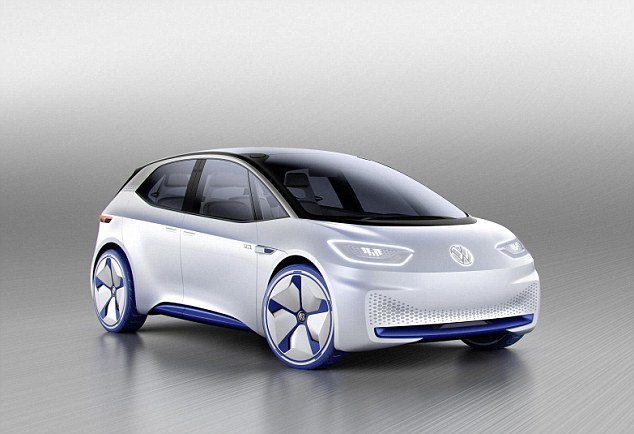
At the Paris Motor Show last week, we heard about Volkswagen’s I.D. concept car; a scalable electric vehicle platform that heralds a new EV-friendly design ethos for the manufacturer and that is the first in up to 20 new models – all plug-ins – that will be launched during the next few years.
That’s good for Volkswagen’s official ‘brownie points’ register – especially in Europe, where cities will no doubt soon be clogged with electric Vee Dubs — but what VW has really wantedto win back ever since the whole emissions fracas broke, is the driveways of heartland ‘Murica.
If it’s growth it wants, it’ll have to push back with cars that’ll sell in provincial cities Stateside. But rather than develop a hybrid pickup truck, Volkswagen is taking on a much smaller brand with a much bigger feel-good factor. Oh and better sales these days too; Subaru.
Just as Subaru’s all-wheel-drive mantra appeals to Kiwis, it appeals to large slices of the US. Subaru sold 582,675 cars in the States last year and, so far, in 2016 its market share is up 4.4 per cent. So rather than sell new Passats and Tiguans, Volkswagen is pinning its American comeback on one little station wagon; the Golf Alltrack.
This is a medium-sized station wagon with Volkswagen’s 4Motion all-wheel drive oily bits underneath. The car it has in its sights is the Subaru Outback, which made up about a third of sales for the Japanese brand in the US last year.
In EV-obsessed 2016, it might take something like a station wagon designed to barrel up dirt roads to win back hearts.
Best car at Paris Motor Show ... Suzuki?
Forget your Daimler EQs and your Ferrari LaFerrari Apertas. This little blue box with poky-out wheels and stickers all over it was, hands down, the coolest thing on display at the Paris Motor Show this year.
What is it? It’s Suzuki’s next-gen Ignis, powered by a 1.2-litre DualJet petrol four-cylinder engine.
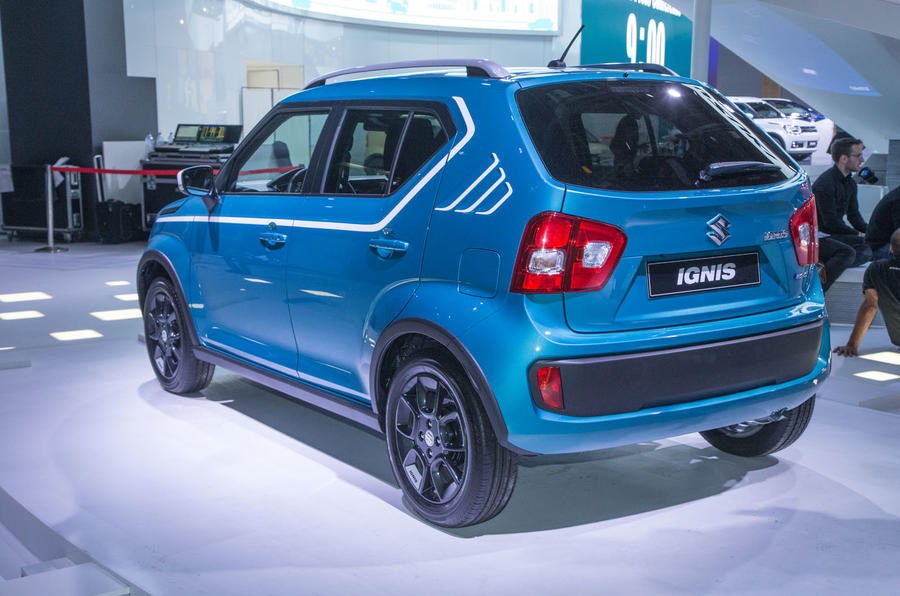
In Paris it boasted only a five-speed gearbox (surely that would change for the Australasian market), but it did feature Suzuki’s Allgrip automatic all-wheel-drive system. It also comes with cameras to monitor vehicle distances ahead and provide it with something called Dual Camera BrakeSupport; an intelligent emergency stopping system in other words.
Aside from the spec sheet, just look at it. Diminutively dimensioned, it looks fantastic.
Aspects of its design are taken from the first-generation Vitara, but if those small strakes through the C-pillar are anything to go by, the most notable source of inspiration looks to be the cult, rear-engined, rear-wheel-drive Fronte coupe, which Italian designer Giorgetto Giugiaro penned for Suzuki in 1971.
Suzuki scored a prime spot at this year’s show — right at the main entrance. Everything inside the exhibition halls would have been a let-down after seeing the humble little Ignis.