



- Shark 6 Performance boasts 350kW, 3.5-tonne towing.
- Cab-chassis fully configurable, including power outlets.
- More new Shark variants expected in 2027.
BYD New Zealand has expanded its Shark 6 ute lineup with two new variants. Joining the existing Premium model is a new Performance version, with enhanced powertrain, higher tow-rating and improved off-road ability - plus a factory cab-chassis.
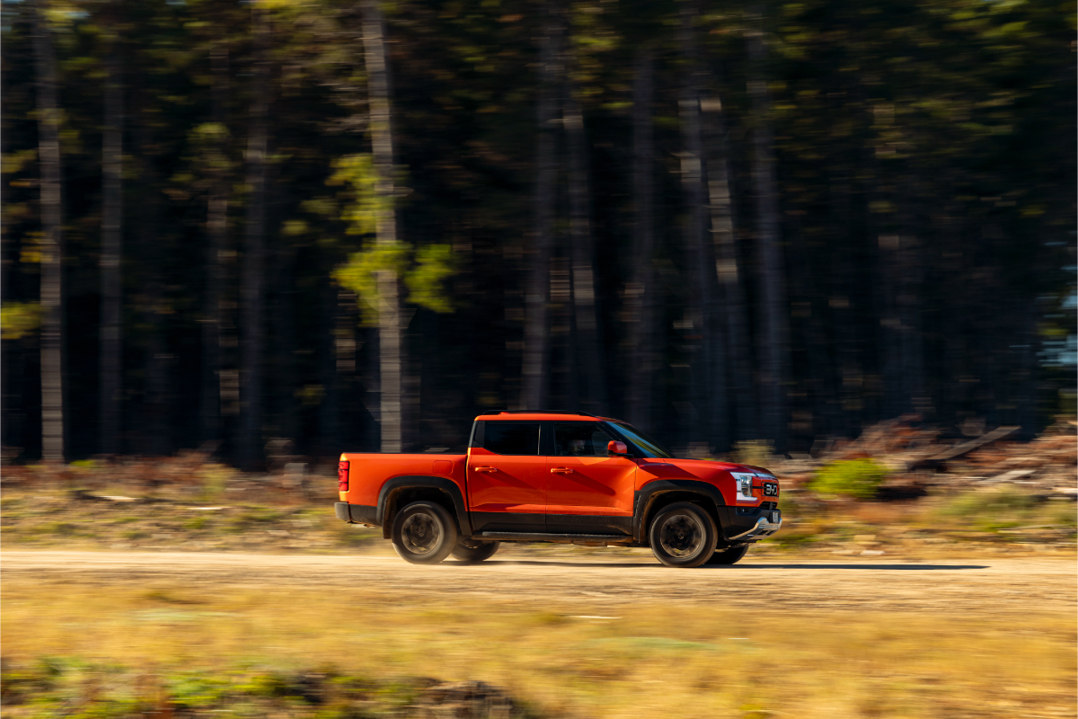
Shark 6 has been a real success story for BYD in NZ. It’s a top-five sales performer among light commercials year-to-date and is the reigning DRIVEN Car Guide NZ Car of the Year: we declared it the overall winner at the end of 2025, beating the best new SUVs and passenger cars in all categories.
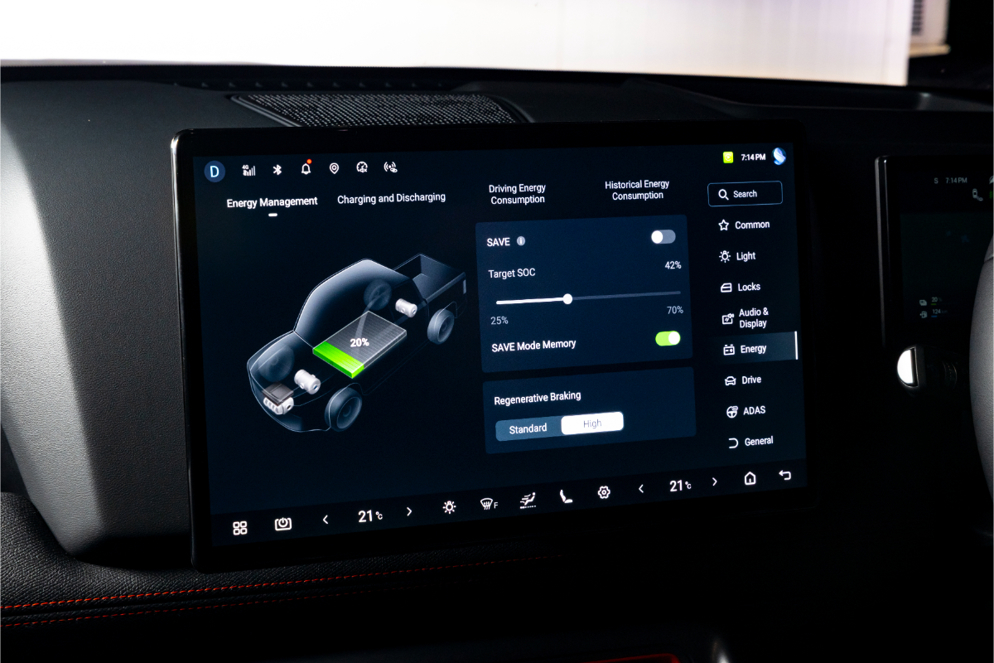
Shark 6 won COTY on the strength of the Premium version. The first “super hybrid” to enter the market (the first of many, it turns out), it combines a 1.5-litre petrol engine with a 29.6kWh plug-in battery to create a DM-O (dual mode off-road) powertrain.
It can operate in EV-only, series-hybrid (the petrol engine makes electricity for the motors) or parallel-hybrid (the petrol engine and electric motors drive the wheels together), the latter mostly at higher speeds.
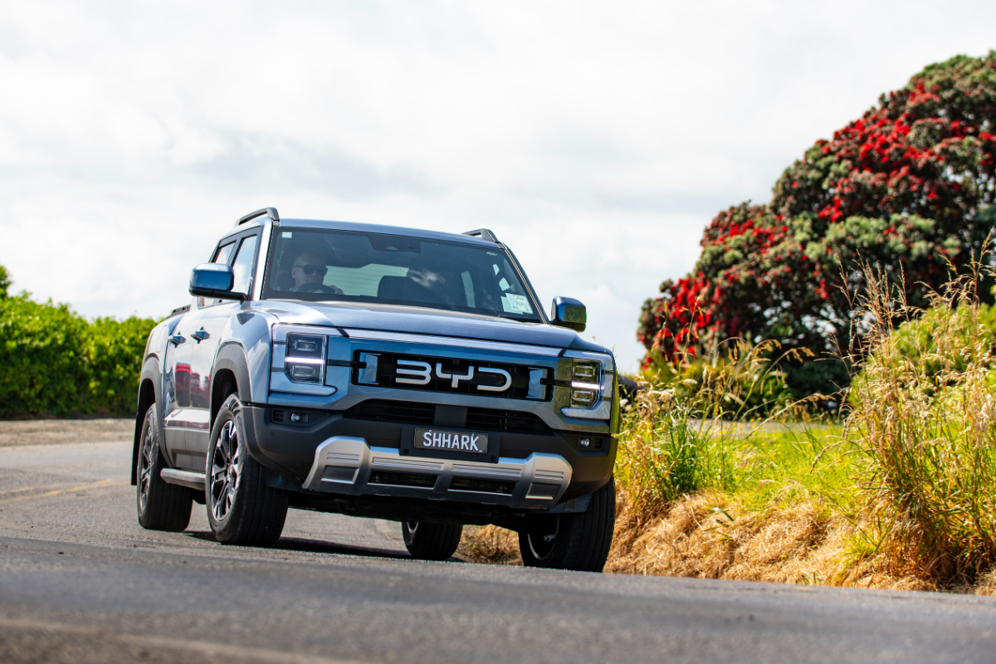
Combined power from the Premium is 321kW/650Nm, with an EV range of 100km under the NEDC test protocol. It can recharged using AC or DC power and features V2L (vehicle to load), meaning you can power external devices via the charge port or three-pin power outlets: one in the cabin, three in the tray.
What's underneath the BYD Shark 6 Performance
The same basic packaging and technology from the Premium applies to the new Shark 6 Performance… just with more where it counts. The petrol engine is upgraded to a 2.0-litre unit and with increased power from the electric motors, outputs are up 30kW/50Nm to 350kW/700Nm.
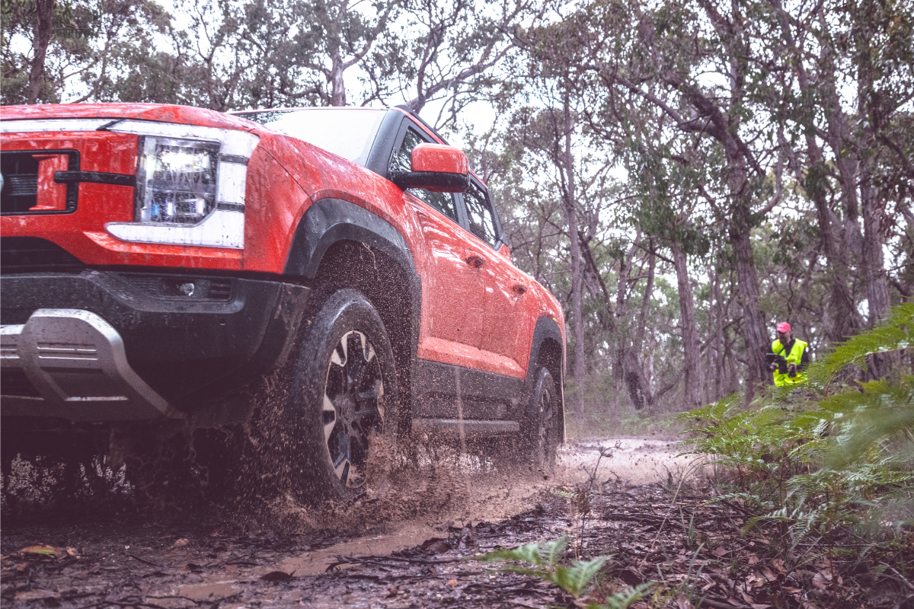
It’s not that much faster, to be honest: 0-100km/h in 5.5 seconds versus 5.7 for the Premium. But it’s not that kind of “performance” we’re talking about: the new model adds a full tonne to the Shark 6’s tow rating, which means it can now haul 3.5 tonnes.
The Shark 6 Performance also features a new Crawl Mode, which is claimed to be a substantial step up from the Premium’s Mountain Mode (for slopes and uneven terrain). Crawl Mode is designed for rougher stuff, limiting the vehicle to 12km/h and continuously adjusting torque to keep the BYD moving over rocks, steep climbs and ruts.
Crawl Mode is a Performance exclusive, but not for long. Because it’s software-driven, it can be added to the Premium via an OTA (over the air) update; BYD plans to do just that later this year.
The Shark 6 Performance is $76,990, or $6k more than the Premium. The first shipment of 94 has landed and they’re all sold, with more due in the coming weeks (numbers to be confirmed). But everything arriving in June is also spoken for; BYD NZ says customers placing an order now are likely to see their vehicles in July.
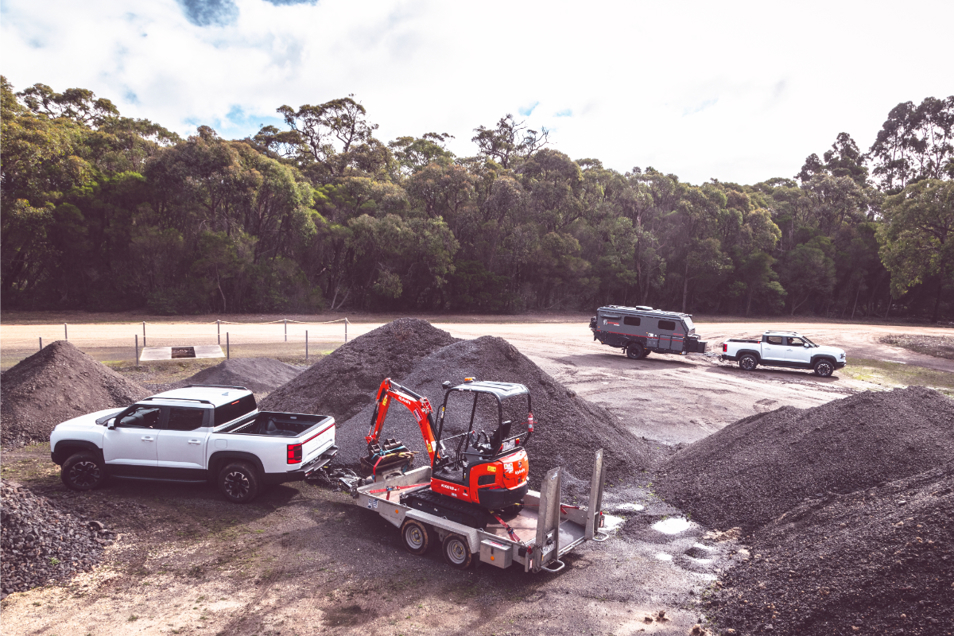
Owners wanting to go properly off-road are also having to wait a bit. The first shipment of vehicles were delivered sans two of the four underbody protection plates specified by BYD NZ as standard (but otherwise optional for other markets); the missing items are on the way and will be fitted free-of-charge. There’s no impediment to normal driving, but BYD is recommending the plates be fitted if you plan to get down and dirty.
However, BYD NZ general manager Warren Wilmott says the main appeal of the Performance is still towing: “Everybody wants that 3.5 tonnes”.
The Shark 6 Performance’s tow rating of 3.5 tonnes puts it head-to-head with the big-selling diesel utes, although putting it to use will require the drive to have Class 2 (truck) certification, as the combination will be over the six tonnes allowed on a car licence. The vehicle itself is a hefty 2775kg; the GCM (gross combined mass) is rated to 6650kg.
Stripped out, in a good way: Shark 6 cab-chassis
From more to less... sheet metal. The Shark 6 cab-chassis has been on the BYD NZ books for a while now, at $68,990. That’s just $1k cheaper than the Premium (with which it shares its powertrain and tow rating), but according to the company what it really saves is over seven hours of labour, dismantling the wellside for customers who need a flat-deck or service body.
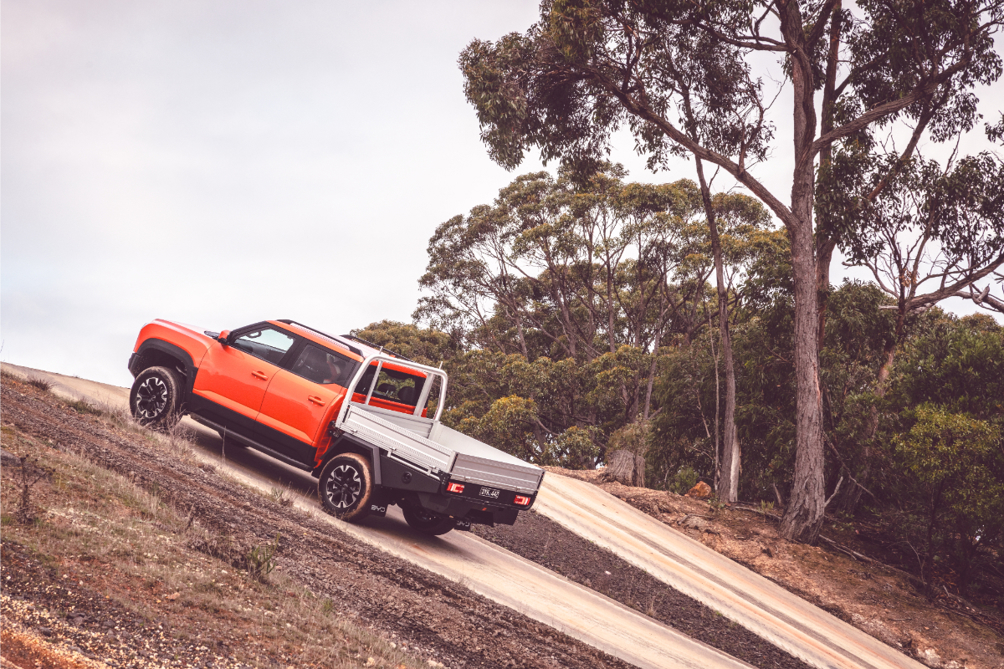
BYD NZ has done just that with the Premium wellside for several buyers over the past 12 months; it showed a Kiwi-created Shark 6 at last year’s Fieldays. “But [the wellside] was never really designed to be removed, because there’s so much componentry under there,” says Willmot.
The new cab-chassis is a full factory model, although there’s still a large degree of customisation available. BYD supplies a full “body builders’ guide” that’s available to anybody who wants to shape the vehicle for their specific application.
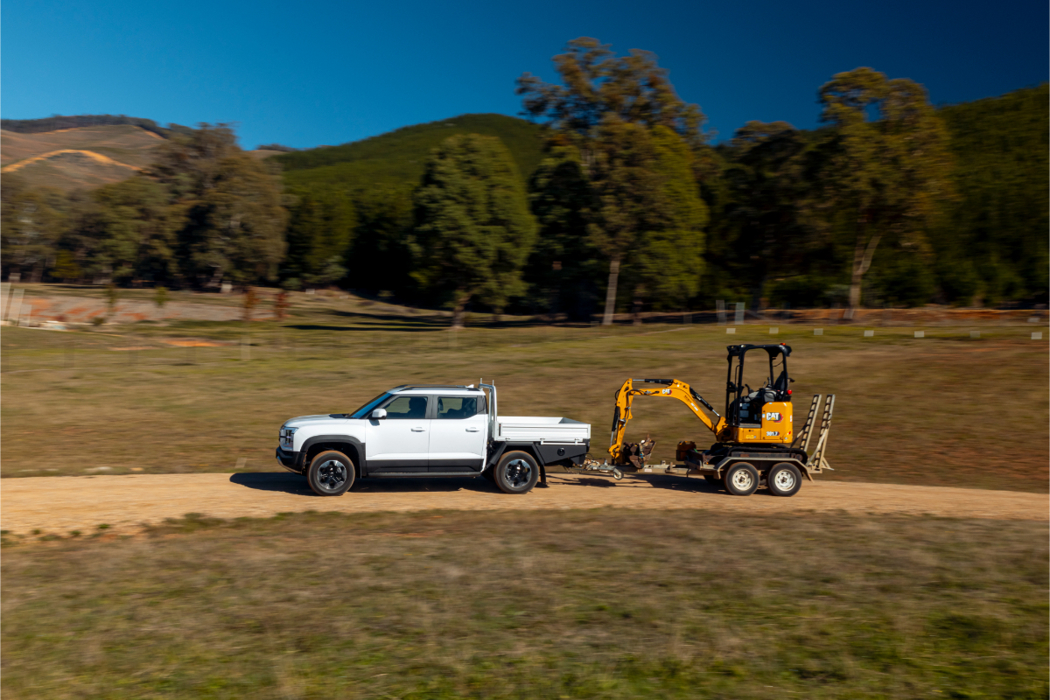
That configuration includes the power outlets normally built into the wellside tray; there are extended cables bolted to the chassis and they can be relocated to suit specific builds.
The outlets, plus the calibration of safety equipment such as the cameras, are all checked by a BYD dealer before the vehicle gets the thumbs-up for use (and presumably warranty).
BYD NZ is still working with local manufacturers such as Fleetline and M2 Overland for trays and service bodies to suit the Shark 6 cab-chassis.
Beyond these new models, Willmot says NZ should prepare for a Shark infestation: “This is only the beginning. Shark 6: it’s good there’s a number in the name, because we’ve always said we’ll have a car for every part of the market. So you might see a Shark 5 or a Shark 8 in the next 12-18 months.
“We are actively working with the factory to develop products for the Australian and NZ markets. I can tell you we are both involved [Australia and NZ] in the design and specification of these vehicles, which will also be a global rollout.”


