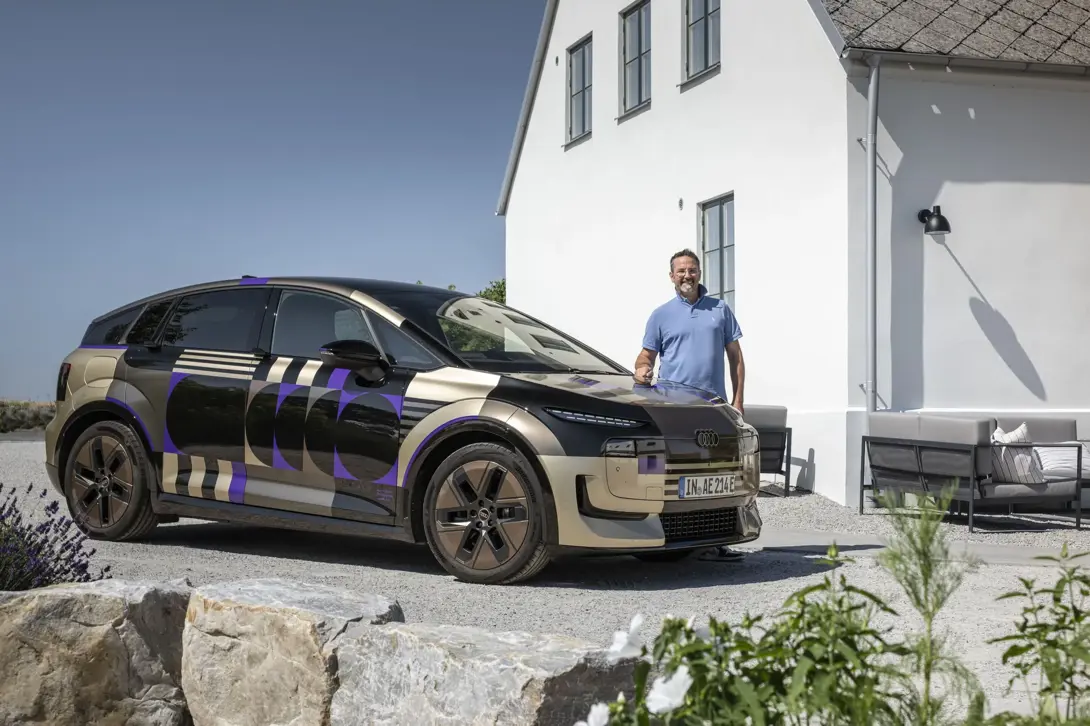



- Audi’s 140kW A2 e-tron efficiency package records a preliminary WLTP figure of 12.8kWh/100km.
- Aerodynamic measures contribute up to 0.9kWh/100km in savings.
- New Zealand orders open in early 2027, with first local arrivals expected around mid-year.
Audi is chasing a new in-house efficiency benchmark with a specially configured version of its coming A2 e-tron.
The 140kW model has recorded preliminary WLTP energy consumption of 12.8kWh/100km, giving the compact EV a notably lean appetite on paper.
New Zealand orders open early next year
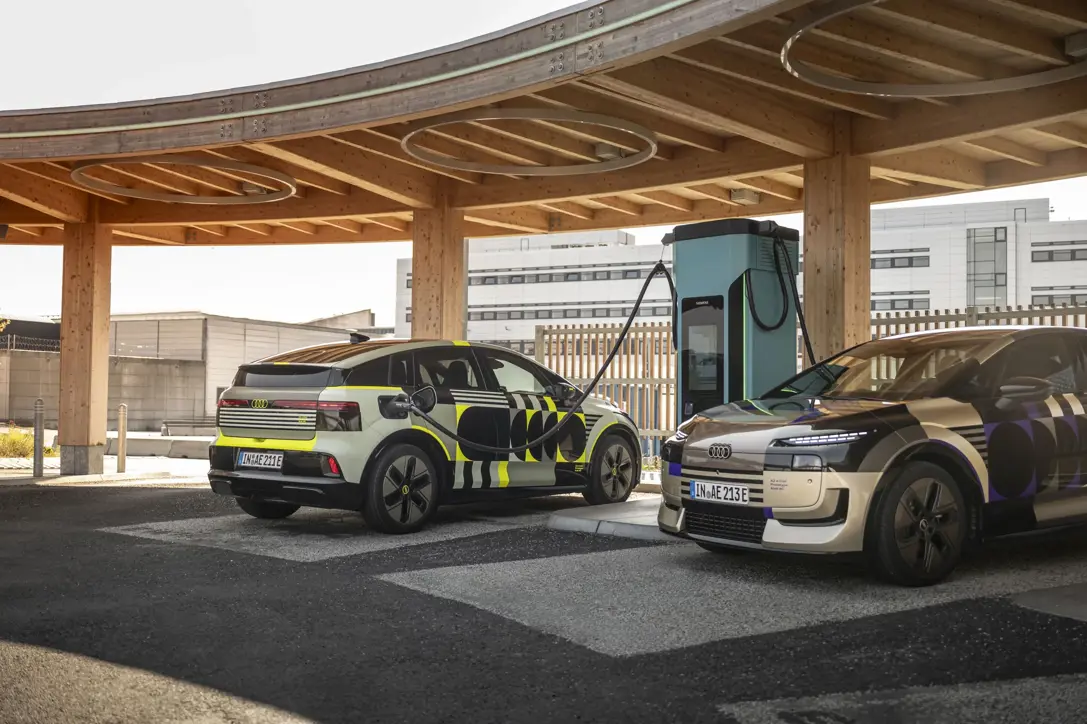
Audi New Zealand says the A2 e-tron will be available to order here from early 2027, when local pricing will also be announced.
The first New Zealand vehicles are expected to arrive in mid-2027, while customers can register their interest with Audi dealers or through the brand’s local website now.
The model itself will be unveiled later this year. Audi has not yet disclosed its full driving range or final New Zealand specification, so the headline consumption figure remains the clearest indication of what this particular variant can deliver.
Efficiency shaped into the body
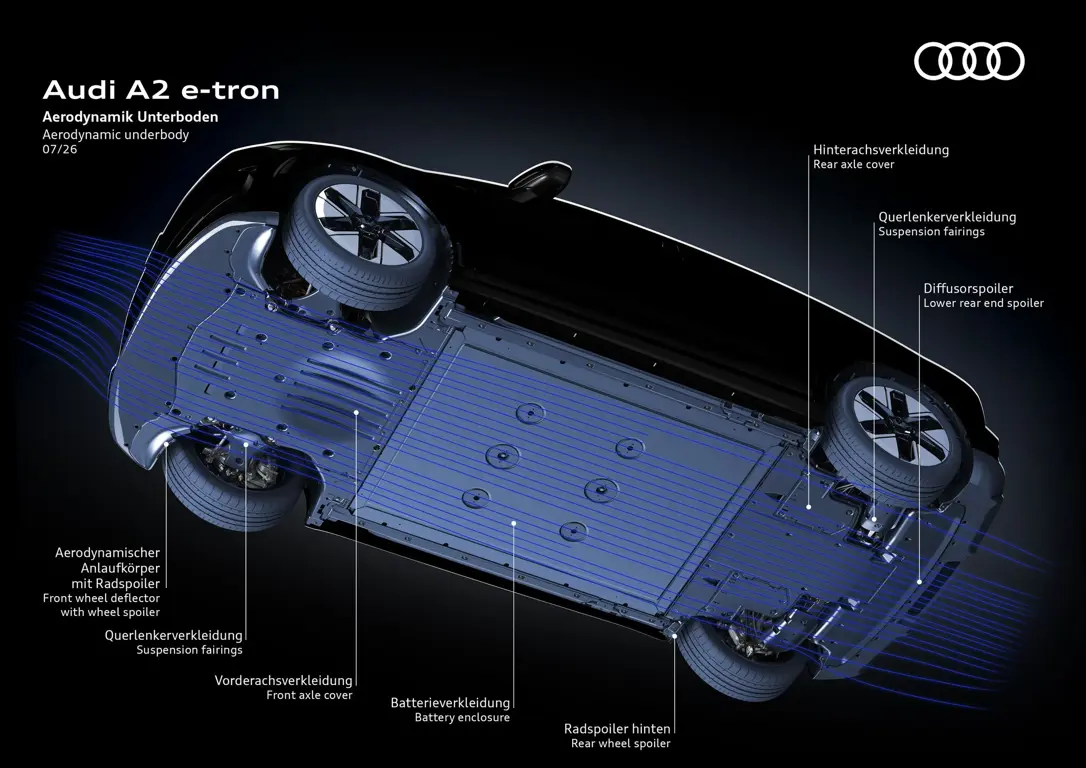
Aerodynamics make a measurable contribution.
The A2 e-tron records a drag coefficient of 0.24, while the package’s aerodynamic measures can trim energy use by up to 0.9kWh/100km.
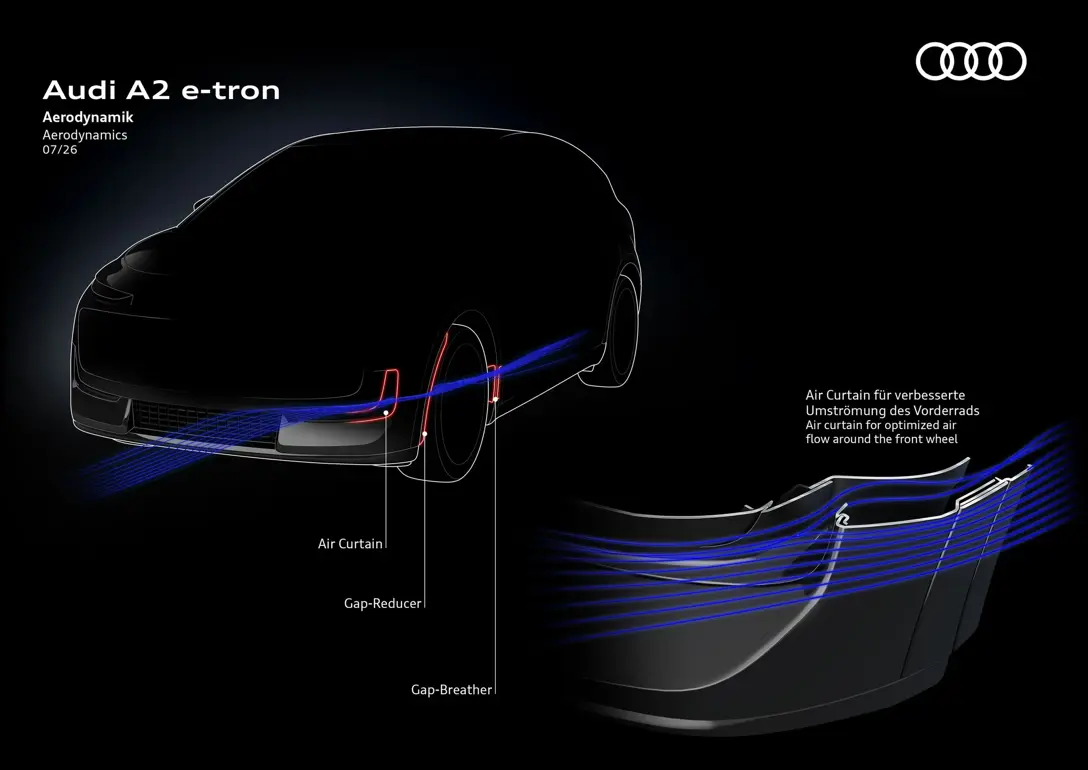
That detail matters because EV efficiency is not simply a contest to fit the largest possible battery.
Reducing resistance allows the car to make better use of every kilowatt-hour, potentially improving real-world usefulness without adding the mass and cost associated with a bigger pack.
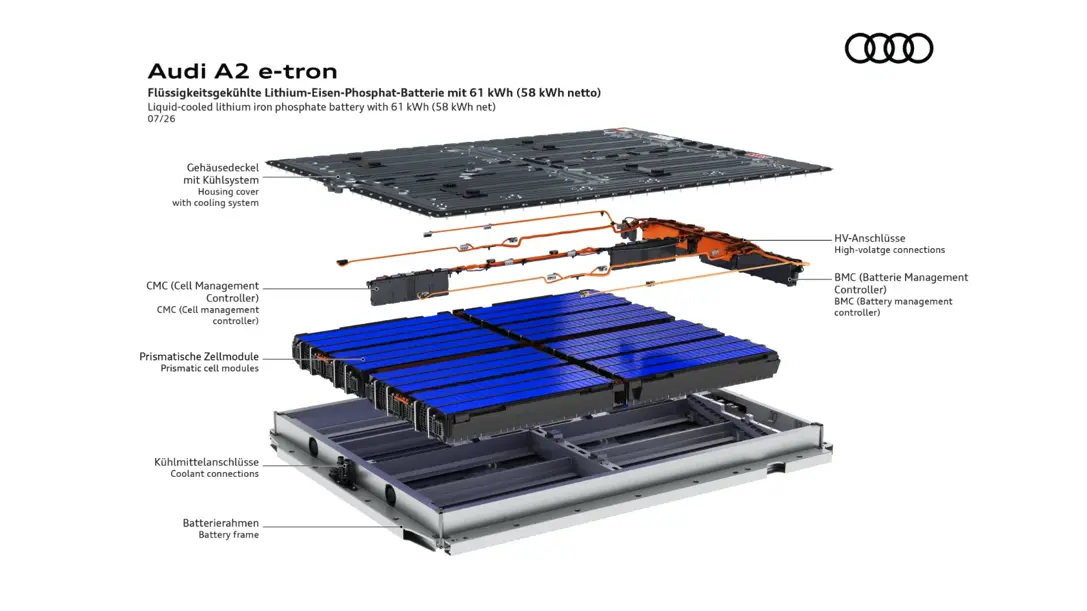
Audi has paired those gains with a 61kWh lithium-iron phosphate battery using cell-to-pack construction. The company also cites 89.6 per cent efficiency when charging from a wallbox, accounting for the energy that reaches the battery rather than disappearing as charging losses.
A battery that works both ways
The A2 e-tron is designed to supply power as well as consume it. Vehicle-to-Load capability allows external devices to draw electricity from the battery, adding a practical use beyond transport.
Vehicle-to-Home support goes further by allowing the car to interact with household energy systems. That function will initially be offered in Germany, Austria and Switzerland. Audi New Zealand says the V2L and V2H specifications are yet to be confirmed for this market.
Together, the low consumption, considered aerodynamics and bidirectional capability suggest Audi is treating efficiency as a whole-vehicle exercise.
New Zealand availability is now confirmed, but range, price and final local equipment remain unanswered.