


The Citroen 2CV will feature in a new Asterix Netflix movie, Asterix & Obelix: The Middle Kingdom, to be released next year. Not as a car, of course: they didn't have those in the time of the Roman Republic where the Asterix series is set. Instead, it's a chariot pulled by two horses (get it?).
The 2CV is actually older than the Asterix comic book series. The first of its 39 volumes was produced in 1959, whereas the little Citroen was built from 1938, although there was a pause for the Second World War.
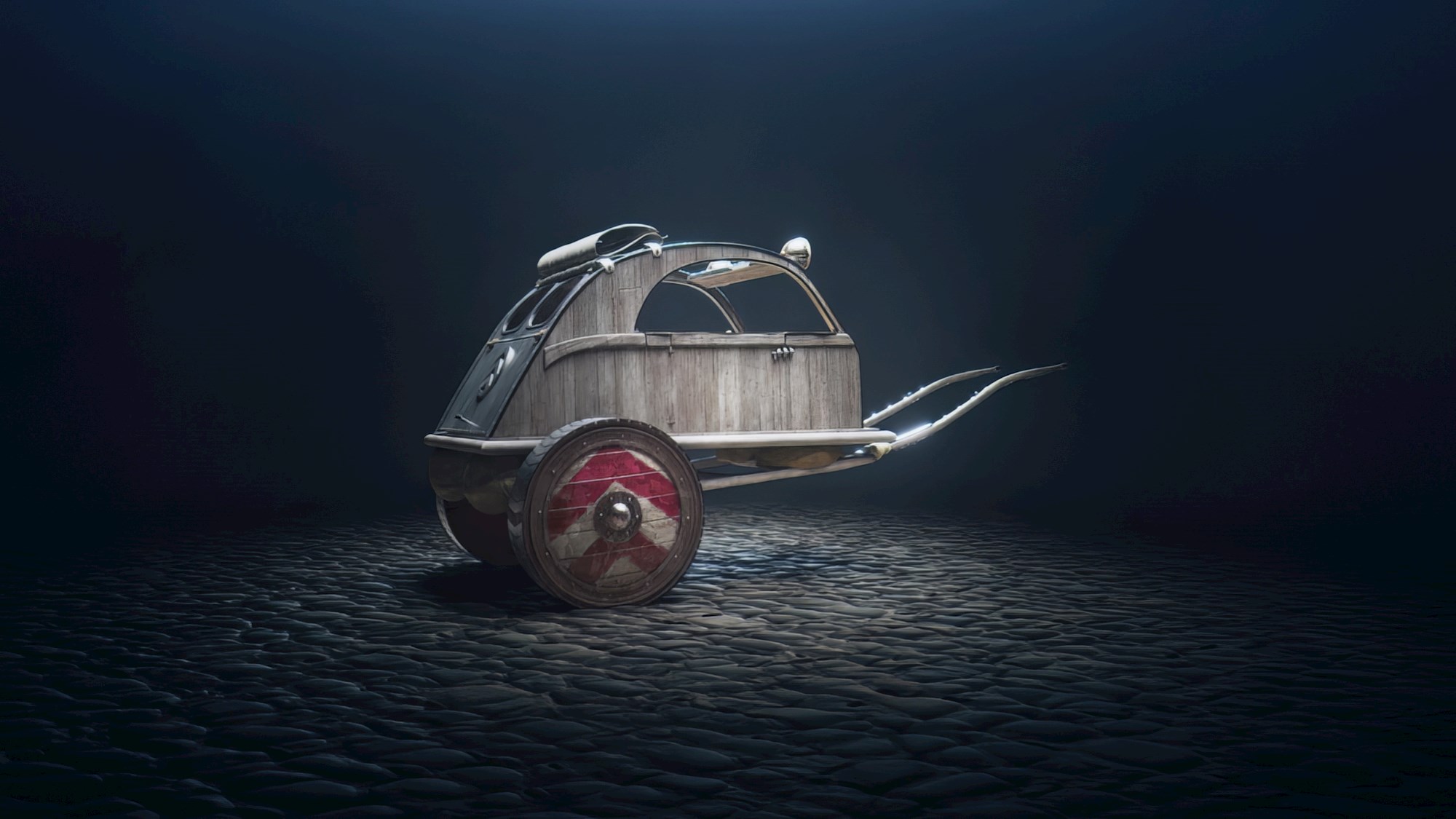
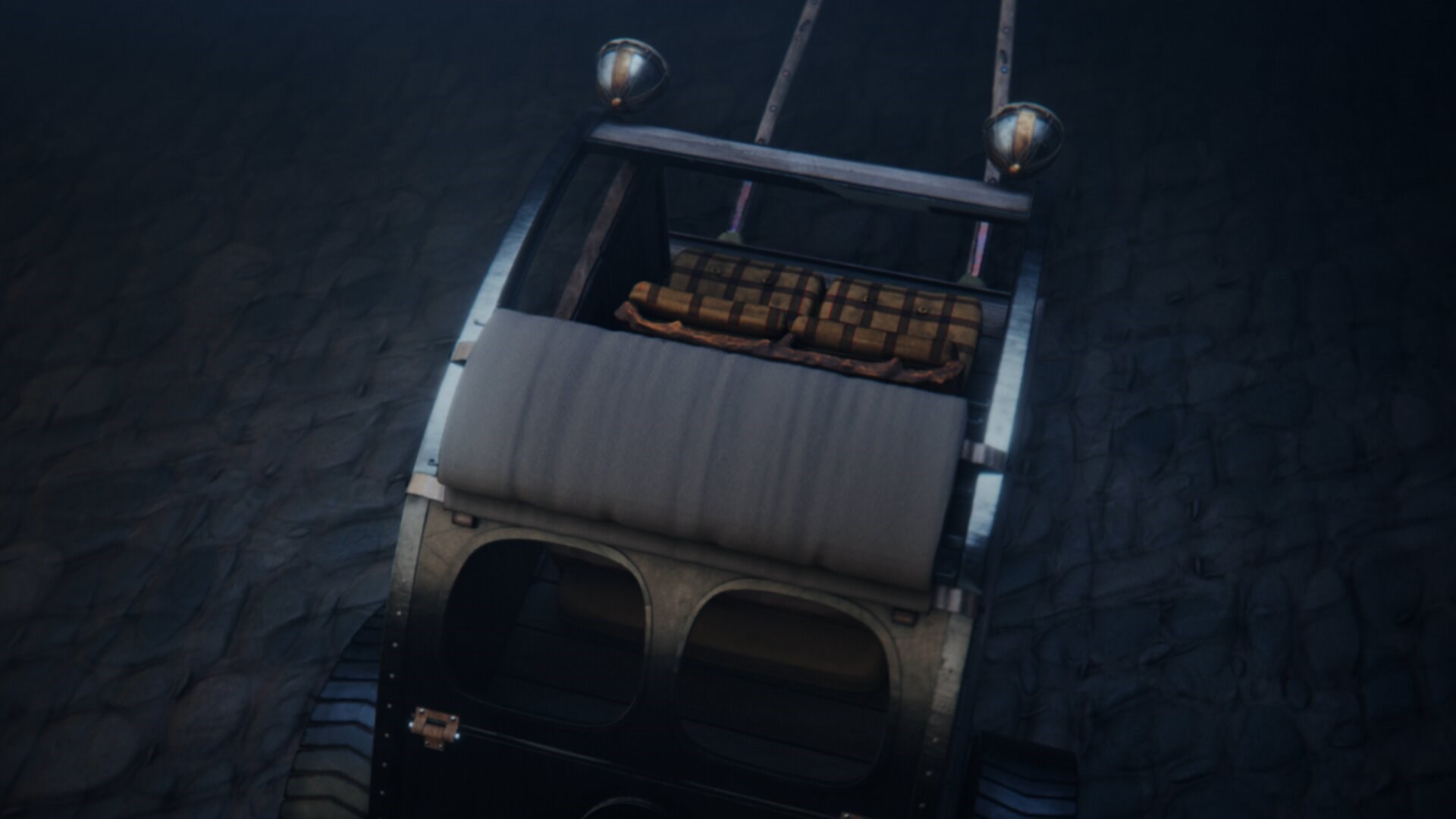
The "2CV chariot" was created in less than three months. "We were presented with this incredible opportunity to create and build a concept chariot from scratch," says Pierre Leclercq, Citroen global design director. "We had the most amazing time working on this project. The result is an ode to the 2CV, the legendary car which represents Citroën in all its glory.”
The concept chariot features suspension made of a boar's stomach, and a sunroof and headlights that are operated by fireflies boosted with a magic potion. Another detail is the wheels, made of recycled shields, incorporating Citroën’s chevrons.
The chariot features in different parts of the movie, including when Caesar’s army reaches China, where there is an advertising billboard at the entrance to the country promoting the best car at the time: the 2CV, a chariot made in Gaul, pulled by two horses. This is an allusion to a famous Citroën advertising film made on the Great Wall of China.
Citroen is certainly all-in on the product placement: the wings of the helmet worn by Asterix also feature the new Citroën logo.
The carmaker also provided the film crew with a fleet of EVs for use during filming: three ë-C4 models, three new C5 Aircross PHEVs, two ë-SpaceTourers, an ë-Jumpy van and an Ami. Citroën also arranged charging for the vehicles on the film sets at Bry-sur-Marne and Bretigny-Sur-Orge.
The producers say sustainability was a key element of the filming schedule. The team worked with an agency that implemented processes to limit waste as much as possible; the costumes were recycled and reused for other purposes, while two tonnes of wood were saved by using recycled cardboard as part of the movie. All the wooden crates used during filming were given to two urban farms in the Ile-de-France region.


