



New road rules hit our streets today (October 1st 2026) and while most of the headlines focus on cyclists and e-scooters, it does shift the balance of responsibility for car drivers in several ways that will likely affect your daily commute.
Transport Minister Chris Bishop said the changes were about fixing the basics when he announced them earlier this year, saying they would create "Safer streets, clearer rules, and less bureaucracy getting in the way of everyday travel."
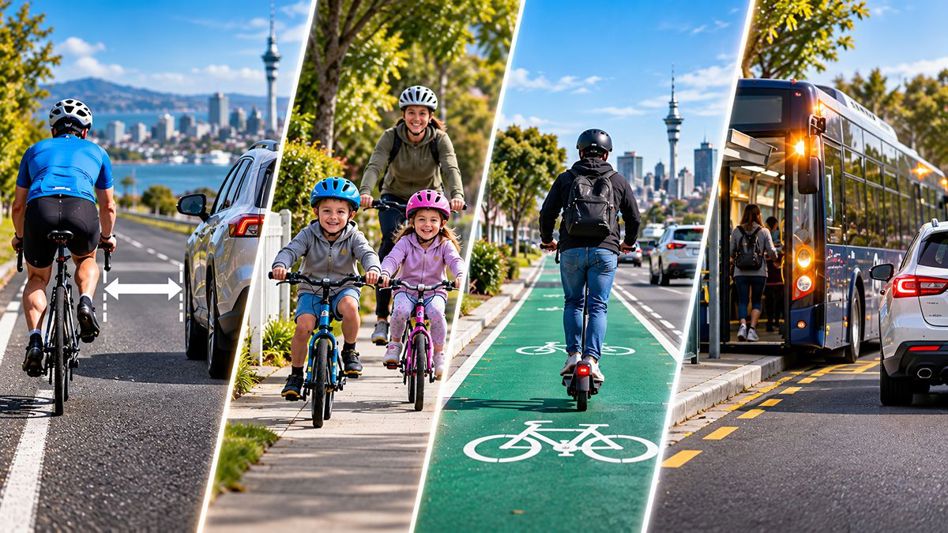
So what does that actually mean for your "everyday travel"? We take a look from a driver's point of view.
1. The 1.5-metre gap rule: be generous
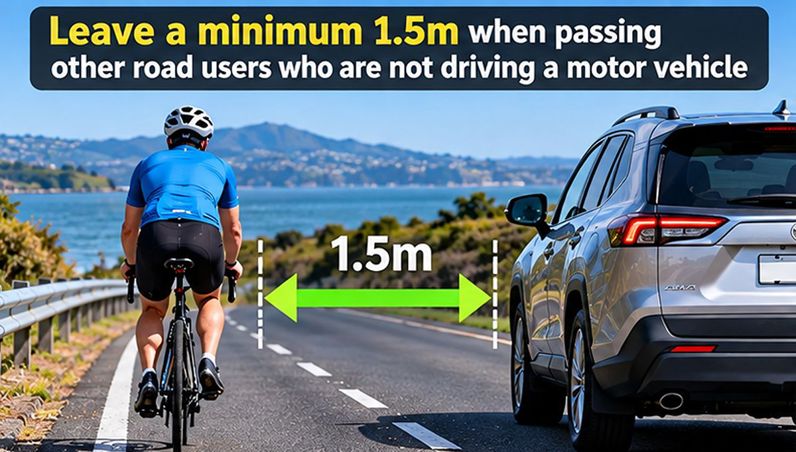
It's easiest to generalise the 1.5-metre gap rule like this: whenever you’re passing someone not in a car - think cyclists, pedestrians, horse riders, or anyone on a scooter - you are now legally required to give them all at least 1.5 metres of space, where the previous rules specified a variety of distances depending on what you were passing.
From behind the wheel, this means you can’t just squeeze past. If you can’t safely give them that 1.5 metre buffer within your lane, you need to slow down, hang back, and wait until it’s safe to move around them.
Think of it as being a good road neighbour - that wind gust from your car can do more damage to their balance than you might realise - and by making it a standard 1.5 metres for all other non-vehicle road users keeps things nice and clear.
2. Giving way to buses: a new standard
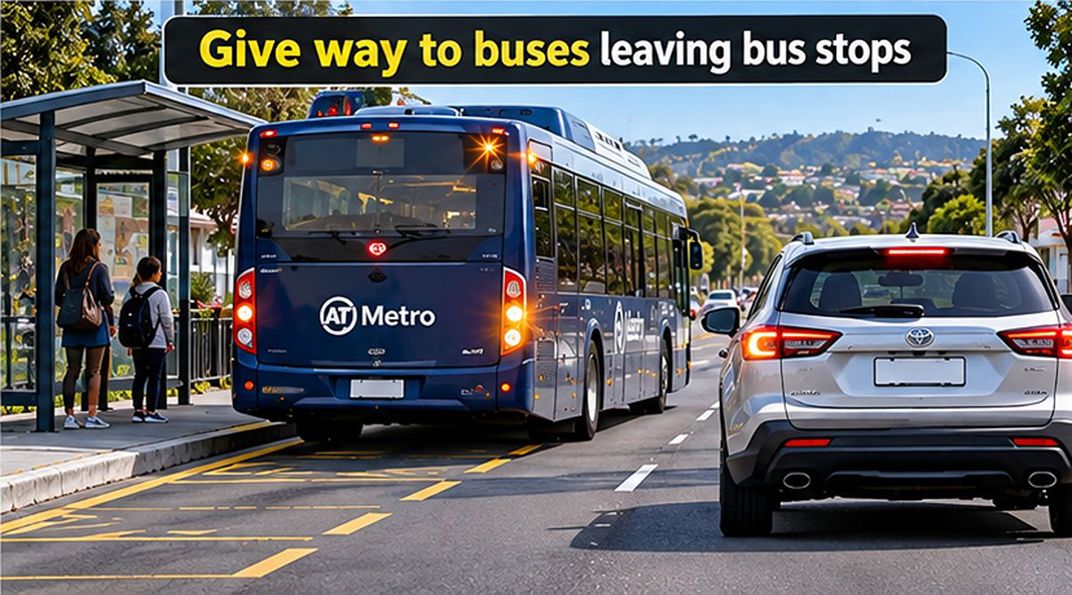
This is the big one for urban driving: i you’re driving in an area with a 60km/h speed limit or lower, and a bus is trying to merge back into traffic - either from a bus stop, the side of the road, or a bus lane - you now have a clear legal obligation: you must give way.
This clarifies the whole "should I give way or am I in too much of a hurry?" indecision that lived in the grey area of previous rules, putting a clear mark in the sand: you must give way, and the bus driver has to indicate for at least three seconds before they make their move.
This gives you a clear window to react, check your mirrors, and let them pull out. It keeps the flow of public transport moving and removes all of that "should I let them in?" guesswork.
3. The "family bike ride" change
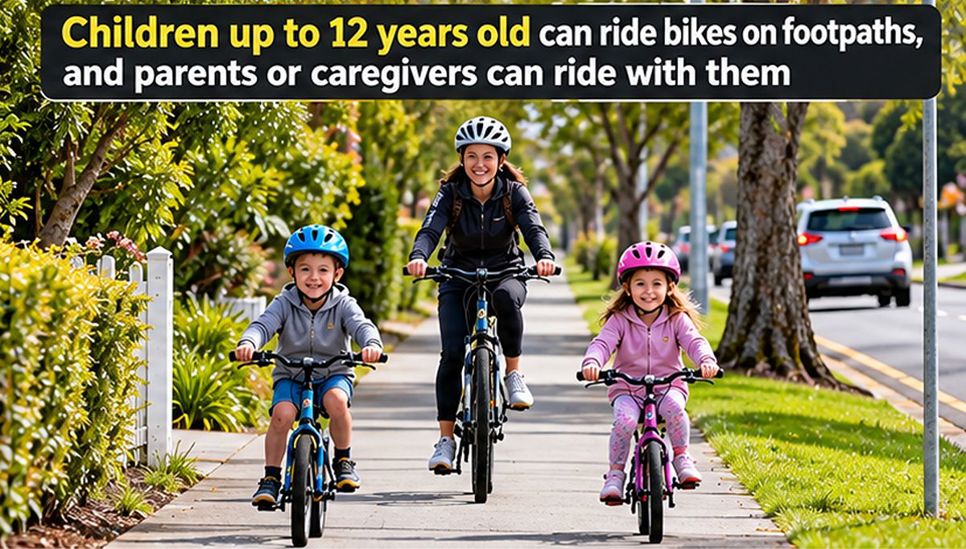
You might see more bikes on the footpath, and that’s intentional - the rules have been tweaked so that children up to 12 years old can ride on the footpath. Crucially, the rule now explicitly allows their parents or caregivers to ride on the footpath alongside them.
As a driver, this means you should take extra care near intersections and driveways: with more kids (and their parents) using the footpaths, that extra shoulder check when you're turning into or out of a side street just became even more vital.
4. E-scooters in the bike lane
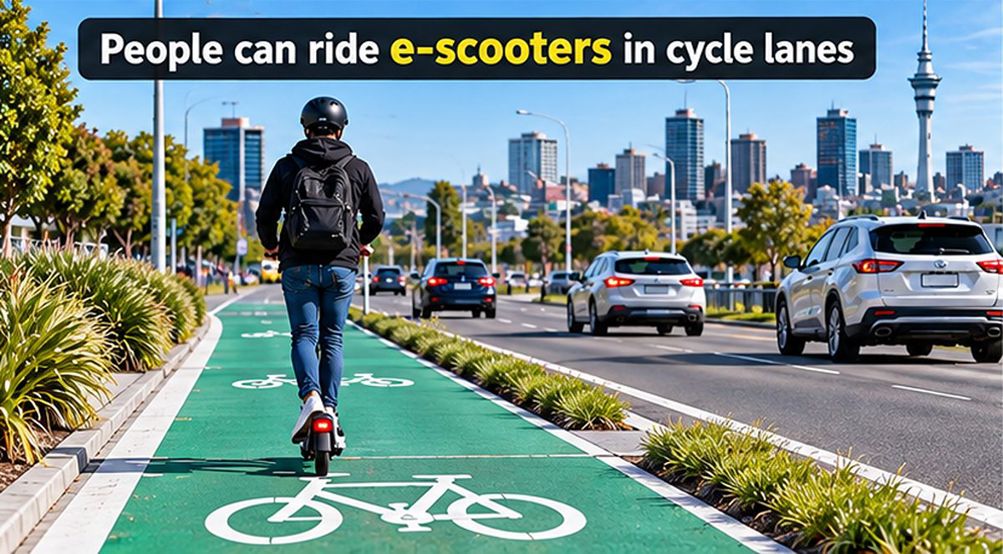
E-scooters now have the green light to use cycle lanes. Previously, it was a bit of a grey area where they were restricted to the footpath or the road. Now, cycle lanes are open to them, even though a lot of people automatically assumed they were anyway.
What does this mean for a driver? When you’re checking your blind spot before turning left or merging, remember that the bike lane is going to be a bit busier. Scan for those e-scooters just as you would for a cyclist -and with scooters being smaller, and often faster, than cyclists, this means an extra look is warranted.
5. The one that didn't make the cut
You might have heard suggestions that councils would be able to fine people for parking on grass berms as part of the new rules, but the Government decided not to go ahead with that, so for now, the rules regarding parking on a verge remain exactly as they were before today.
While these are mainly small, sensible tweaks to existing rules, the clarification of a number of grey areas put a few small extra responsibilities on car drivers in order to make the roads safer for all users. The basic takeaway for drivers from the new rules is simple: take a bit more time to check, be patient and courteous, and everyone will have an easier - and safer - time on the roads.