


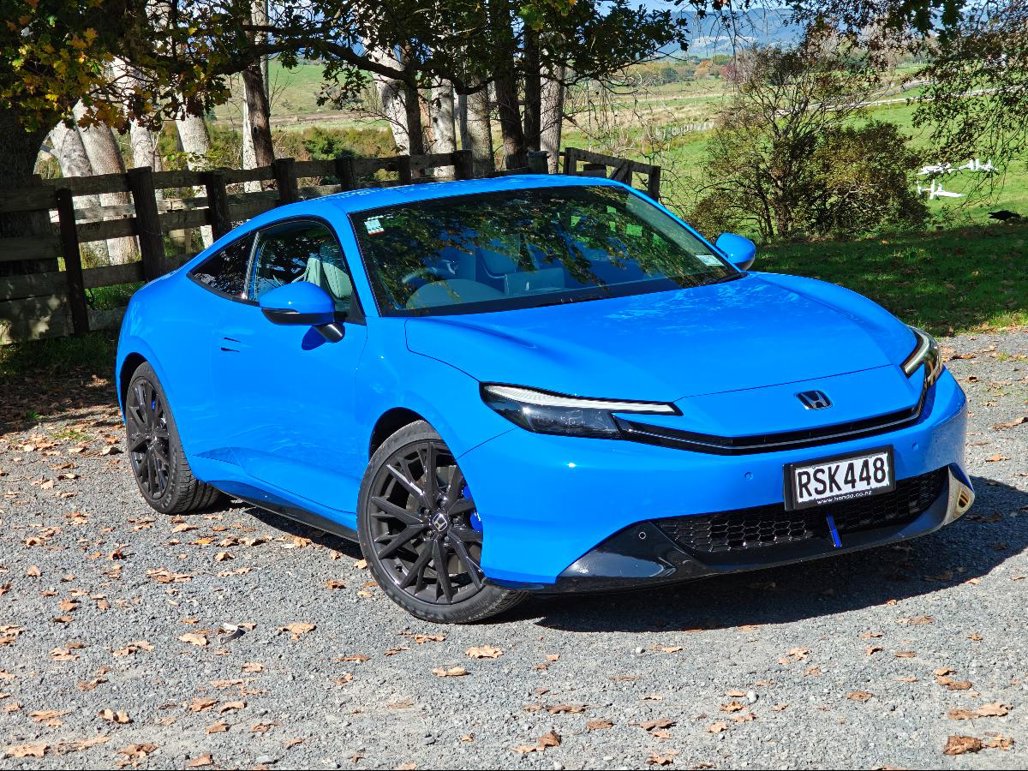

What’s this new car all about then?
Back in the late 1970s/early 1980s, Japanese carmakers were starting to get bolder and flex their muscles a bit, taking charge of their own future design and engineering directions after years of copying, improving and refining, and a new segment arose as a result - that of the front-wheel-drive two-door sporty coupe.
During this time RWD coupes started making the switch to more cost effective FWD underpinnings shared with sedans and hatches, as new challengers emerged. New challengers much like the Accord-based Honda Prelude that debuted in 1978.
This unleashed a flood of somewhat sporty, but more GT-leaning FWD coupes that would become a common sight on New Zealand roads, mainly as used imports in the 1990s, including the likes of the Toyota Celica (that switched to FWD in 1985), Mitsubishi FTO and Mazda MX-6.
And Honda was one of the most committed to the idea, with not only the Prelude, but also the CR-X and Integra, as well as coupe versions of the Legend, Accord and Civic. But it was the Prelude that came first for Honda, back when it only had three other models in its range - the Civic, the Accord and the tiny Acty Kei truck.
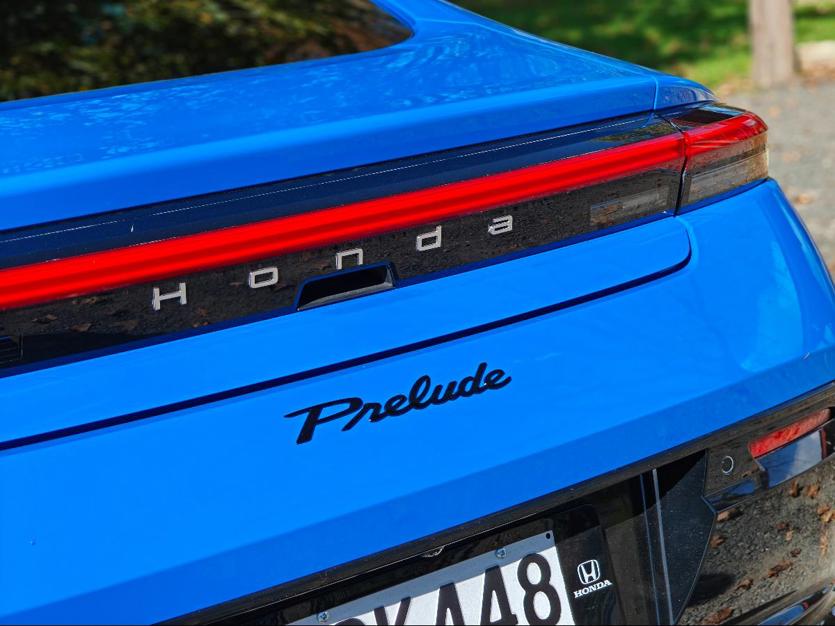
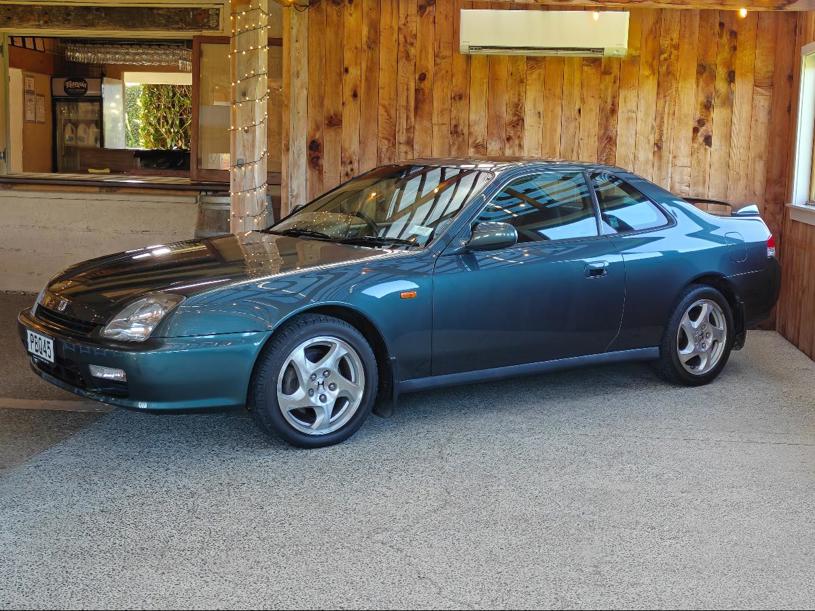
The Prelude went through five generations and stayed in production until 2001 when consumers largely lost interest in FWD coupes. But now, after a quarter-century interlude (sorry), the Honda Prelude is back, returning to New Zealand as a hybrid coupe that Honda says is designed to blend efficiency with genuine driver engagement. But is that actually possible? After all, those two concepts haven’t traditionally gone together…
However, Honda swears it has done just that thanks to a new feature that is debuting on the Prelude, but more on that later.
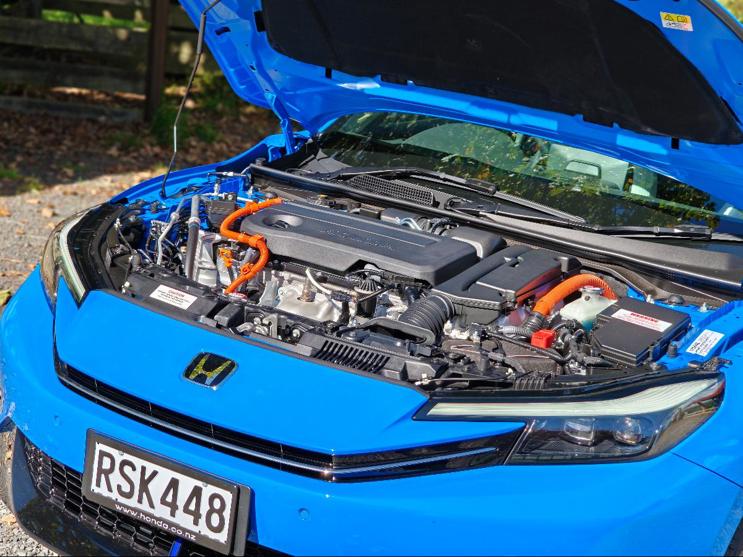
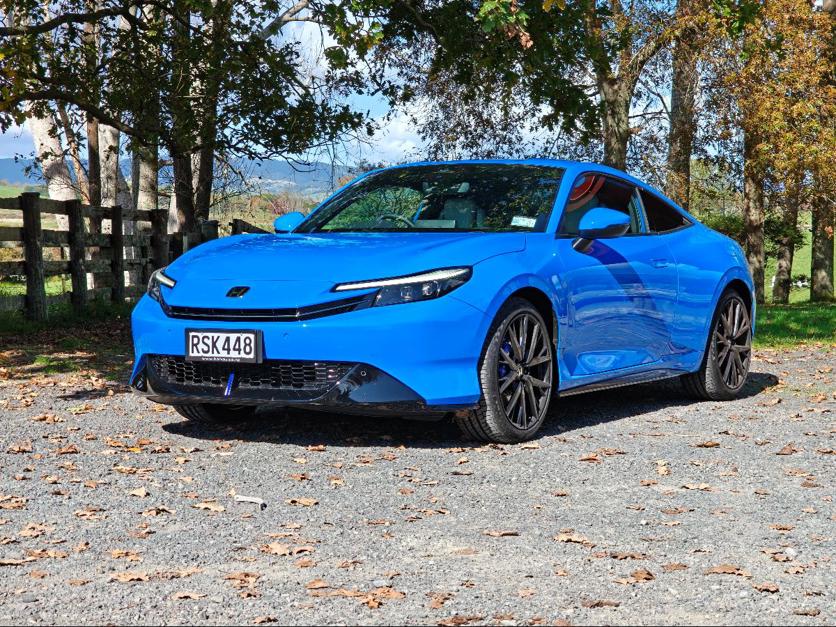
The sixth-gen Prelude sits on the same platform as the Civic, using the same 104kW 2.0-litre four-cylinder petrol engine paired up with a 135kW electric motor, but also inherits some suspension goodies from the Type R, including dual‑axis strut front suspension, a widened track, adaptive dampers, and four‑piston Brembo front brakes tuned specifically for the Prelude.
Honda’s clever e:HEV hybrid system sees the electric motor driving the wheels most of the time, with the petrol engine basically functioning as a generator charging the battery, only directly driving the front wheels at open road cruising speeds.
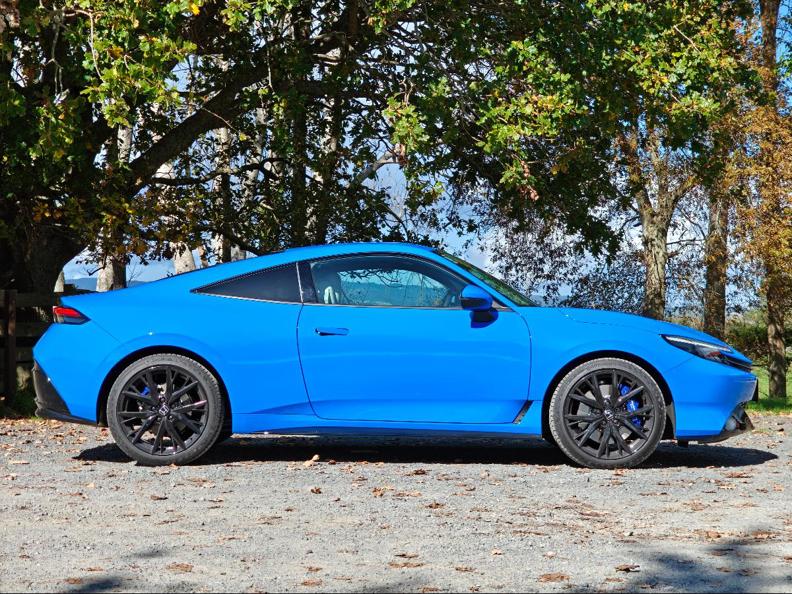
On the road, the new Prelude presents like all other Preludes before it - as a refined, engaging GT, rather than an out‑and‑out sports car.
So far, so non-sporty, right? Well, Honda knew this too, hence the introduction of the S+ Shift system that adds eight simulated gears and a generated noise to proceedings. But while there is fake noise introduced, S+ Shift is far more than just a noise generator - much like Hyundai’s hilariously fun N Shift feature on the Ioniq 5 N and 6 N, it actually physically simulates the sensation of both up and down shifts.
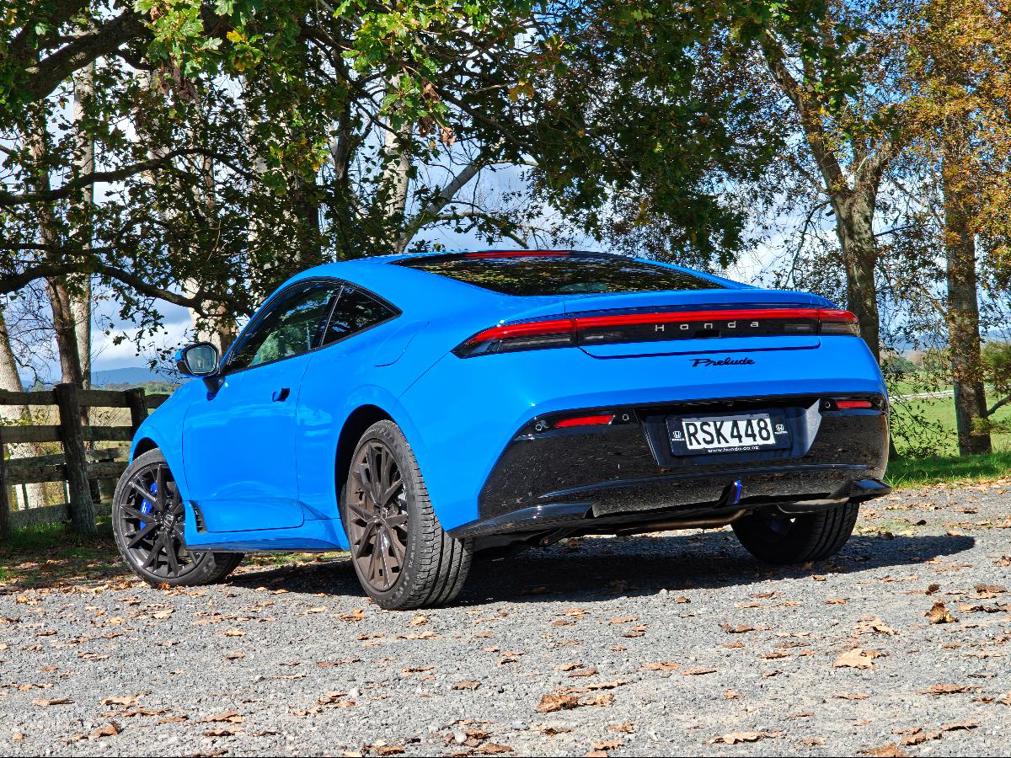
But is that enough to elevate the Prelude into a sportier realm?
How much is it?
Honda is keeping the Prelude range pretty simple in New Zealand, with just a single model launching here with minimal options, save a pair of modest packs.
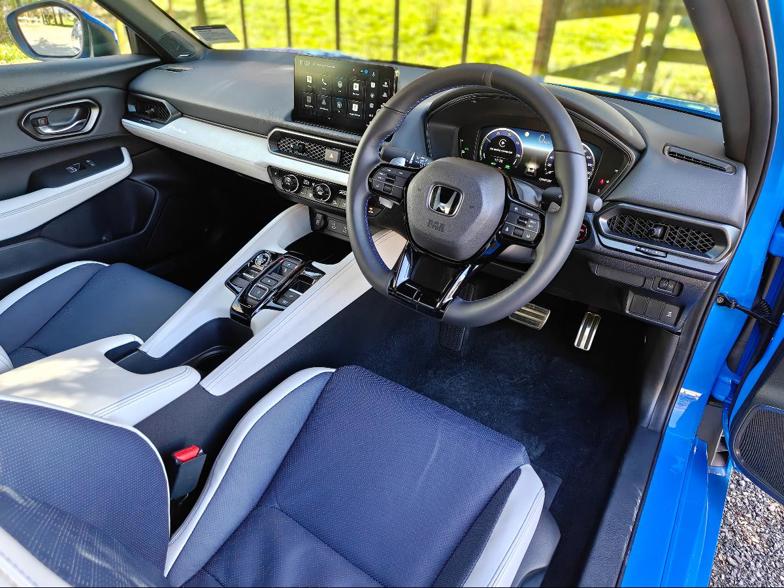
The single model lands in New Zealand at $69,990, and standard features include LED a 10.2-inch digital driver's display, a 9-inch centre infotainment touchscreen, physical controls for essential functions like climate control, an eight-speaker Bose audio system with a 7.9-inch digital subwoofer and digital amplifier, as well as the next-generation Honda Connect platform with three years of service, featuring Google built-in for access to Google Maps, Google Assistant, and apps from the Google Play Store.
What's it like to drive?
On the road, the new Prelude presents like all other Preludes before it - as a refined, engaging GT, rather than an out‑and‑out sports car. The hybrid powertrain is not overwhelming in terms of outright output, but the calibration is wonderfully cohesive.
As you click up through the virtual gears using the paddles it adds a layer of tactile engagement to Honda's already very clever e:HEV hybrid system.
In Comfort mode, the Prelude is near‑silent and remarkably EV‑like, with smooth, seamless torque delivery. Switch to Sport and you genuinely feel the difference - the chassis tenses, agility rises, and the steering becomes more assertive while remaining accurately weighted.
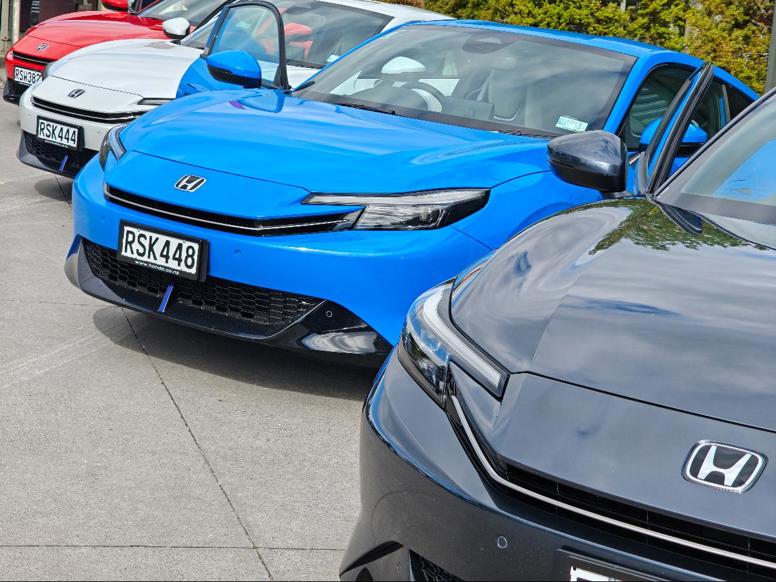
While the Prelude is not an overtly powerful or brutally quick machine, it is a genuinely engaging and beautifully sorted sports GT. The chassis is wonderfully accurate and confidence-inspiring, while the steering is slightly distant, like most modern cars, but is well-weighted with a semblance of feedback, and the car turns in with brilliant precision.
Body control is composed, and the adaptive dampers contribute to excellent high-speed stability, but it is S+ Shift that is the standout. Yes, really; it is a genuinely good system that actually brings a lot more engagement to the Prelude on a winding road.
Upshifts arrive with a brief torque pause and generator‑induced friction that mimics a conventional stepped transmission; downshifts trigger engine blips and meaningful engine braking. It's all super-fast, delightfully tactile and genuinely realistic.
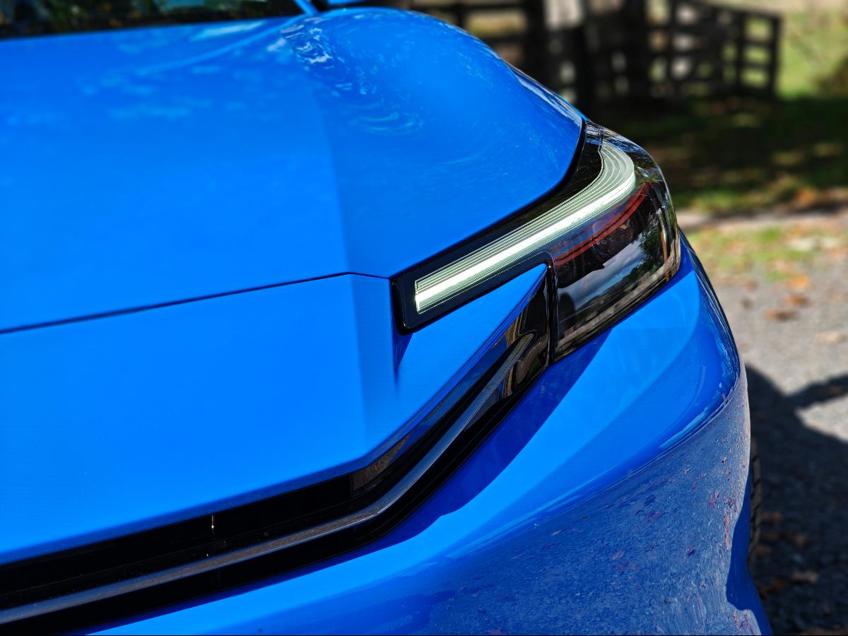
Honda says the Active Sound Control system starts its synthesised enhancement at lower RPMs than prior systems, and it is surprisingly subtle - I had assumed Honda would go full fake-VTEC screaming that, to be honest, would have completely oversold the Prelude’s performance.
It’s a proper GT car, blending fantastic road-holding with a comfortable ride.
As you click up through the virtual gears using the paddles it adds a layer of tactile engagement to Honda's already very clever e:HEV hybrid system that is truly impressive and makes throwing the Prelude down a winding back road a genuine pleasure. It’s a proper GT car, blending fantastic road-holding with a comfortable ride.
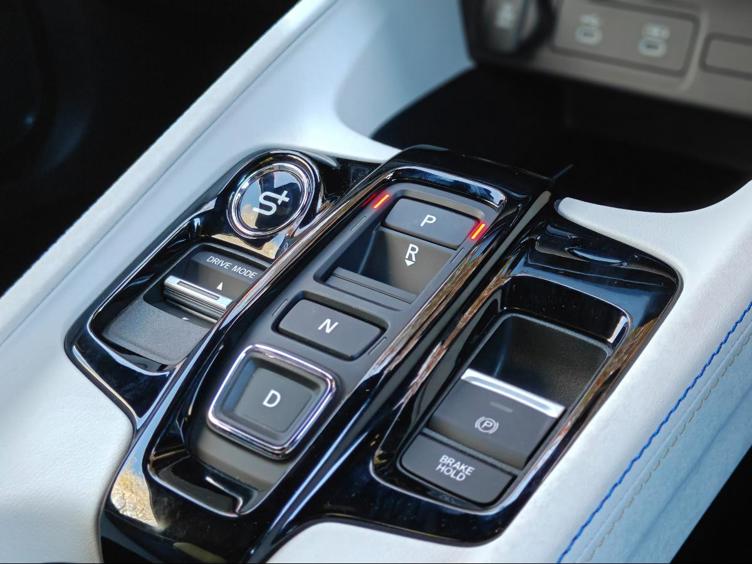
Across modes, the car’s personality changes markedly, with Comfort for relaxed urban and motorway commuting in near-silence, GT for relaxed open-road cruising with a bit more focus and a gentle engine snarl, and Sport for back‑road precision and genuinely engaging feel.
What would we change? A bit less tyre roar would enhance both the silent Comfort running and the more snarly Sport mode, and while a bit more power would have been nice, we felt that 1000 or so more revs on the redline would actually have been more useful, as 6000rpm just seems a bit stingy - the car feels more than willing to rev out a bit more, but is forced into an upshift as soon as it hits the redline.
Other than that though; not much. It is a genuinely well-sorted and engaging coupe that covers a lot of bases with its wide spread of abilities.
What’s the pick of the range?
That’s an easy one: because the Prelude lands here a single model, literally the only choice is between it and, well, something else.
What other cars should I consider?
But what else? Well, that’s a tricky one. The most obvious competitor is the Toyota GR86 that is $10k cheaper, has more power, a sharper, more handling focused chassis, and a choice of a manual or automatic transmissions.
But the 86 is a far more focussed sports car, with all the comfort and practicality downsides that come with that, while the Honda leans considerably more into GT territory, with its remarkable range of personalities making it far more broadly talented as not only a palatable daily driver, but also a superb long distance cruiser or an enjoyable back road blaster, if the mood strikes.
It is also considerably more frugal and there really isn’t anything else that matches the Prelude’s blend of agile, eager sporty fun, superbly quiet and refined touring and frugal, comfortable daily driving in the affordable end of the two-door sports coupe space.


