



The first-ever Audi RS 4 sedan (and the one all the RS fans still bang on about, by the way) was the 2006-08 B7-generation. It was an awesome all-rounder, but history tells us the engine was the star: a naturally-aspirated V8 that’s remembered as something really special compared to the turbo-V6 that came later.
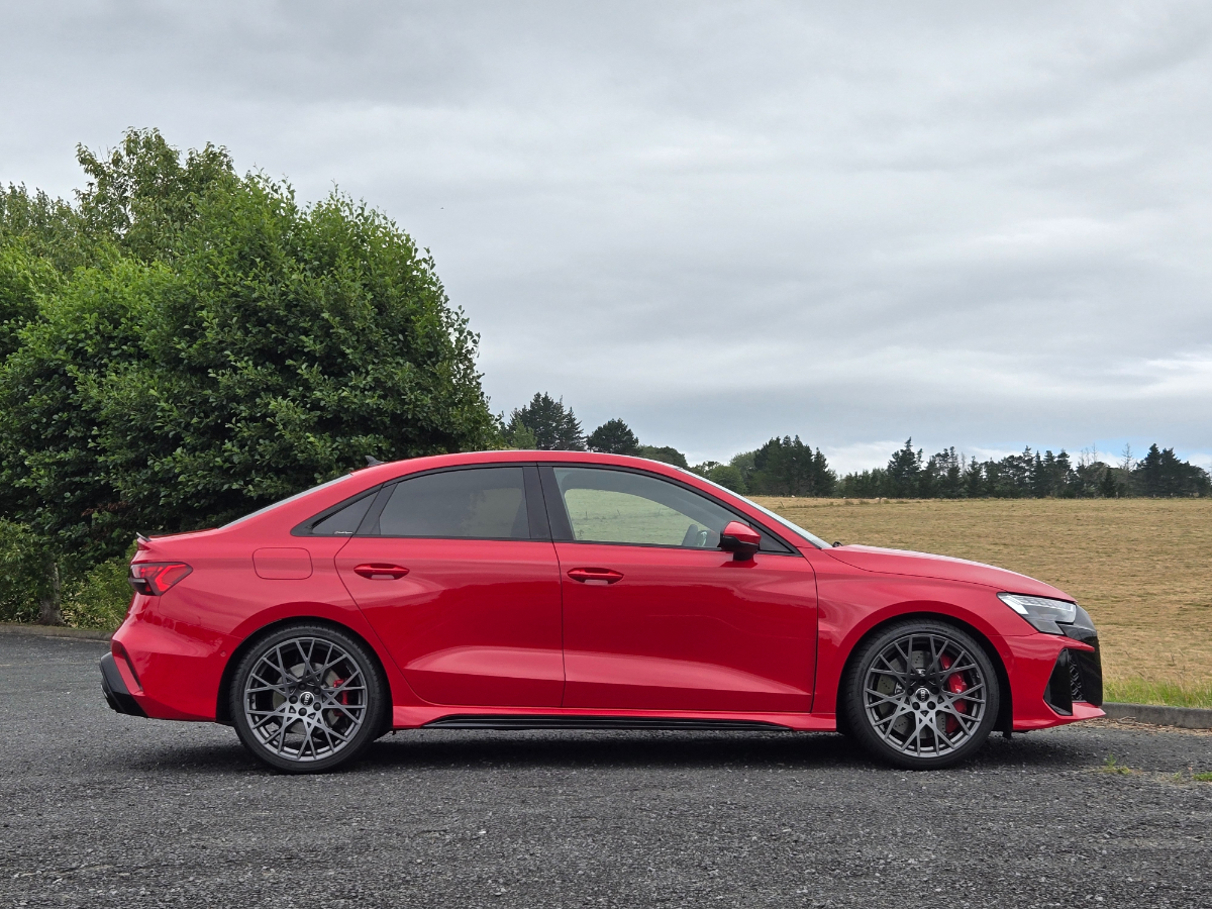
If you have a taste for a spiritual successor to that B7 RS 4, this might be the car for you: the current RS 3 sedan.
Yes, it’s technically a size down and yes, it’s actually a version of the RS 3 hot-hatch rather than a standalone sedan. But cars grow in size over time, and the current RS 3 sedan is only 56mm shorter overall than the B7 (it’s actually longer than the first-generation RS 2 Avant).
The engine is the star in this one, too: the RS 3 is likely the last hurrah for Audi’s iconically throaty 2.5-litre five-cylinder engine, making 294kW/500Nm in this iteration. So it’s one for the history books, too.
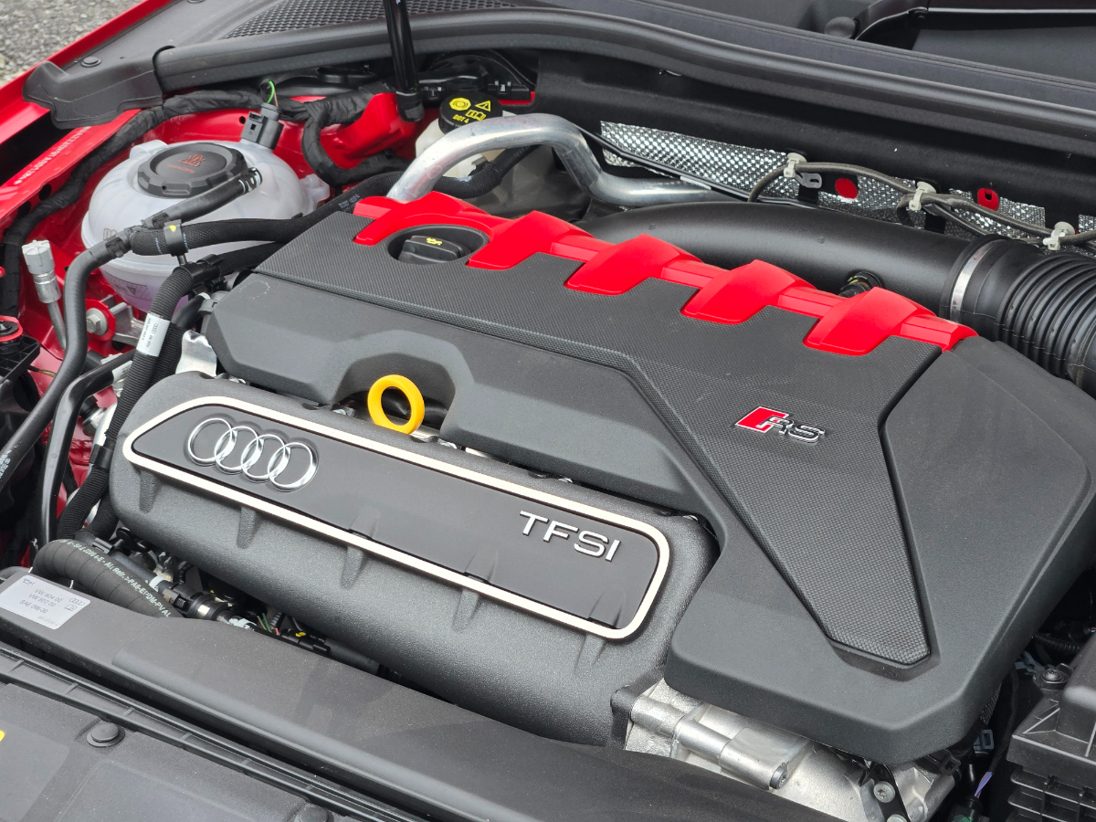
To answer the obvious question, the B7 RS 4 made 309kW/430Nm, so more power but less torque. And we’ll stop talking about it now, we promise.
If you have a taste for a spiritual successor to the classic B7 RS 4 (2006-08), this might be the car for you.
Unlike the previous RS 3 sedan, the current one looks fully realised. The old one (launched in 2017) had a certain charm with its stubby rear, but it did very much look like a hatchback with a boot stuck on. There’s a lot more dignity to this new one, with flowing lines that make it much more part of Audi’s three-box portfolio.
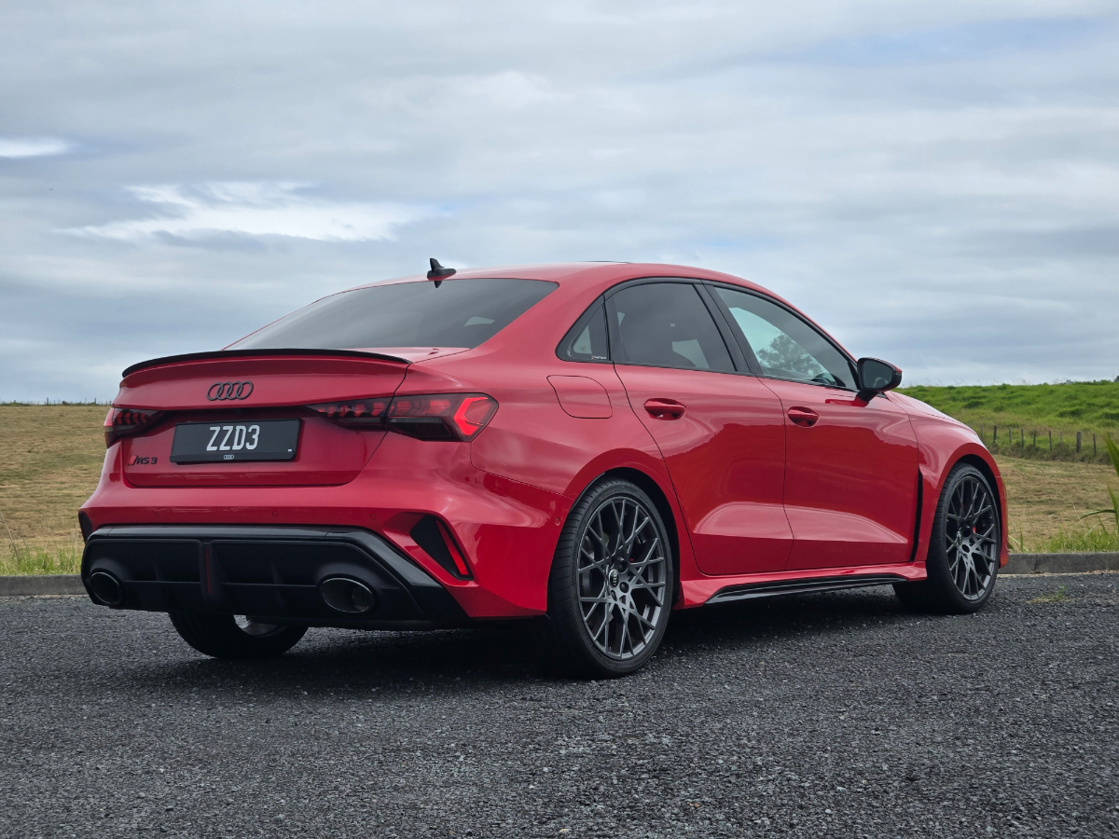
Speaking of which. Sedans are not exactly in favour at the moment, with SUVs dominating every genre and hatchbacks (like the RS 3 Sportback) accounting for most of the lower-riding survivor models.
The RS 3 is a hoot regardless of how much metal is hanging out the back.
But Audi New Zealand thought it’d try a limited run of both this RS 3 sedan (at $133,900, $2k more than the Sportback) and the larger S5 sedan. The RS 3 was initially going to be a run of 20-25 cars, but Audi now says the response has been such that it’ll carry on as part of the local lineup for the time being. Don’t expect showrooms to be overflowing with stock, but you want one, Audi will certainly get you one.
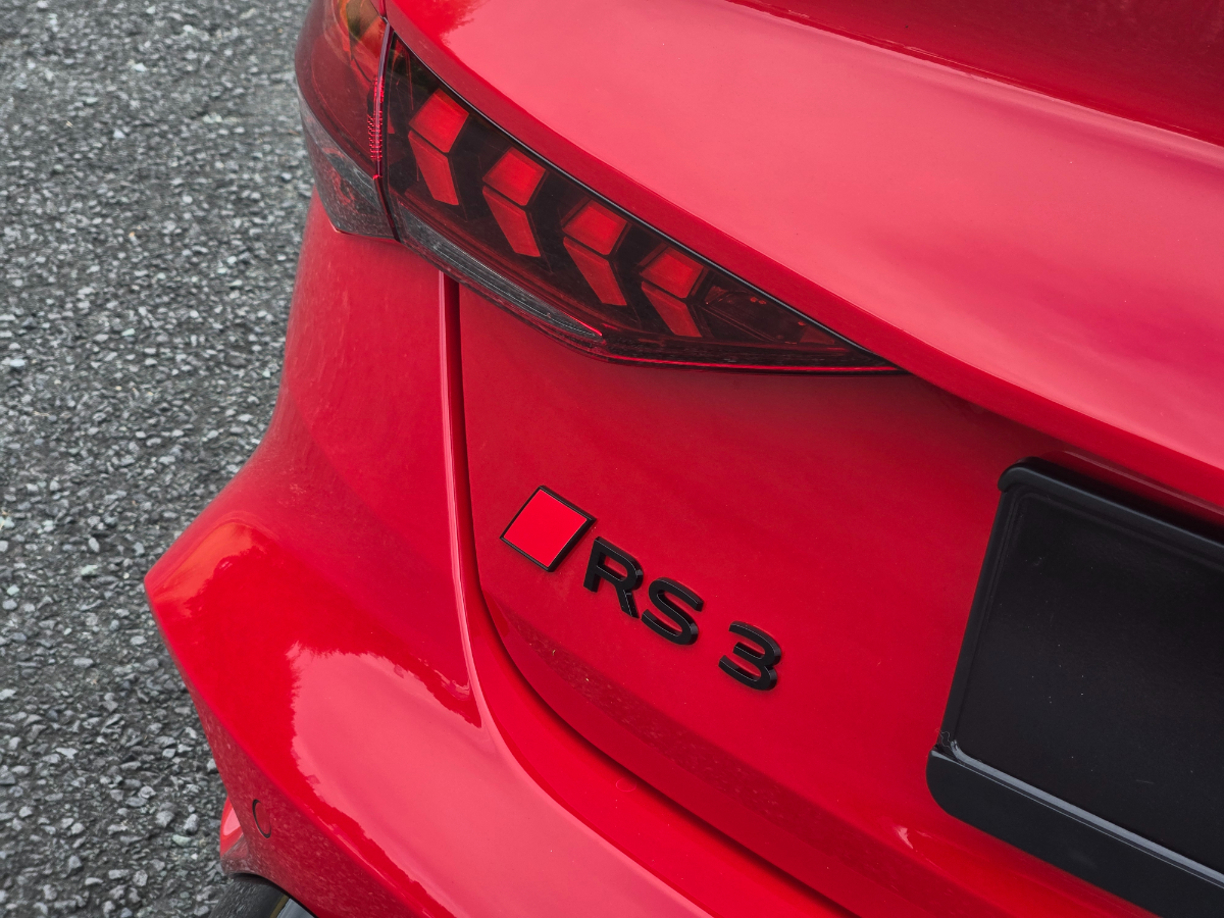
The specification is exactly the same as the RS 3 Sportback, save a 152mm extension in overall length. There’s only about 5kg weight difference, which means the 0-100km/h time of 3.8 seconds is unchanged.
If you’ve got the thing set up just-so, the combination of sonorous powertrain and serious chassis hardware is intoxicating.
The RS 3 is a hoot regardless of how much metal is hanging out the back. While it’s fine and fairly practical as a daily driver, you wouldn’t buy one for the quiet life (that’s what S3s are for). There’s a sense that the RS 3 is always “on”, and even with the drive modes dialled down the exhaust flaps are lively between 2200-3500rpm, so you’re always getting the signature growl when you put your foot down.
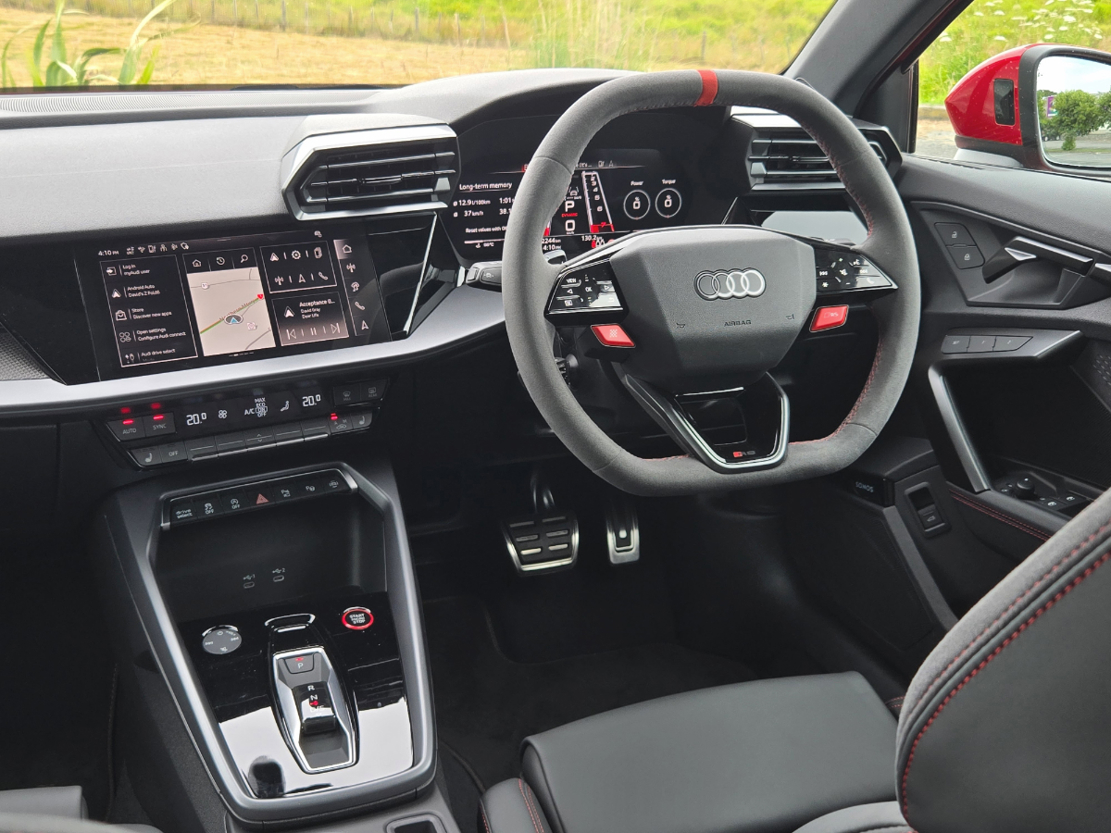
Which is exactly the idea, of course. It’s natural to wind things up a bit even for everyday driving, because the dual-clutch transmission can feel just a bit sluggish in Comfort or Auto when you’re going for a nuanced intersection-exit or lane change. Luckily, there are multiple ways to set the car, including Individual mode and a couple of nifty bright-red shortcut buttons on the steering wheel.
But if you’ve got the thing set up just-so, the combination of sonorous powertrain and serious chassis hardware is intoxicating. If you think performance Audis can feel a bit sterile, have a go in one of these.
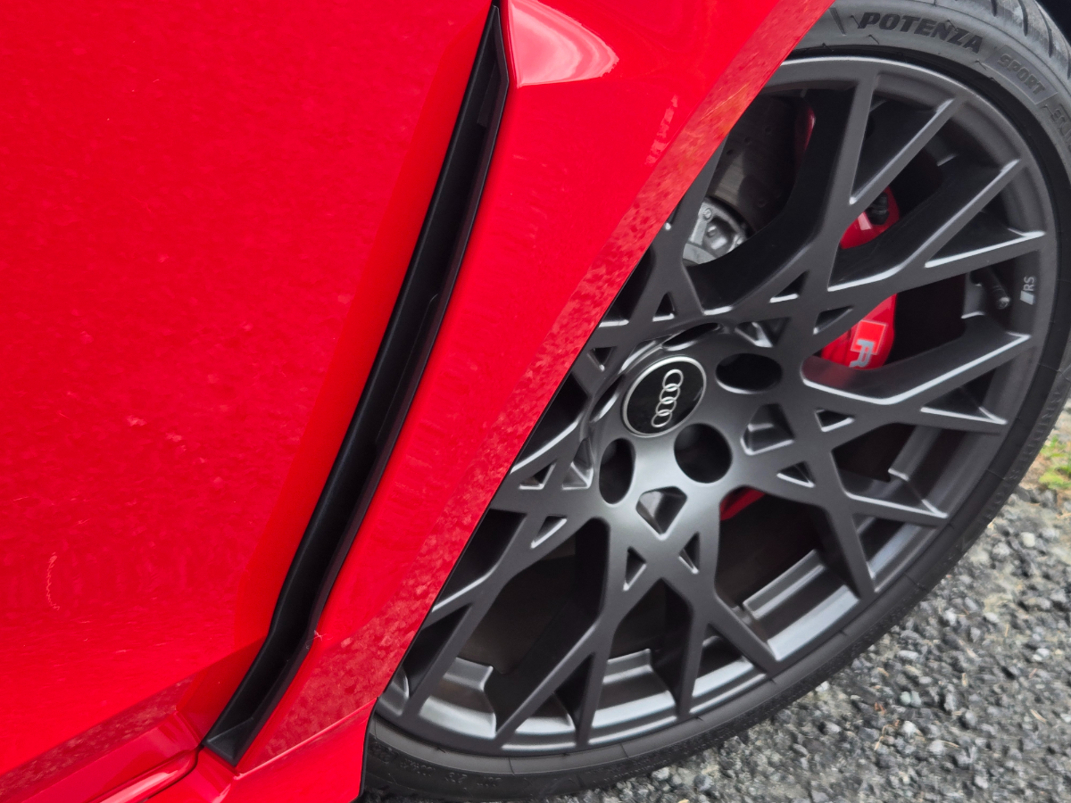
The enhanced quattro system is as surefooted as they come without spoiling the driver-engagement, and there’s always plenty in reserve. The torque splitter at the rear incorporates a drift mode, which works closely with the steering sensors to optimise your leery skids; for track use only, of course. But the point is, this car is serious enough to be at home on a track day.
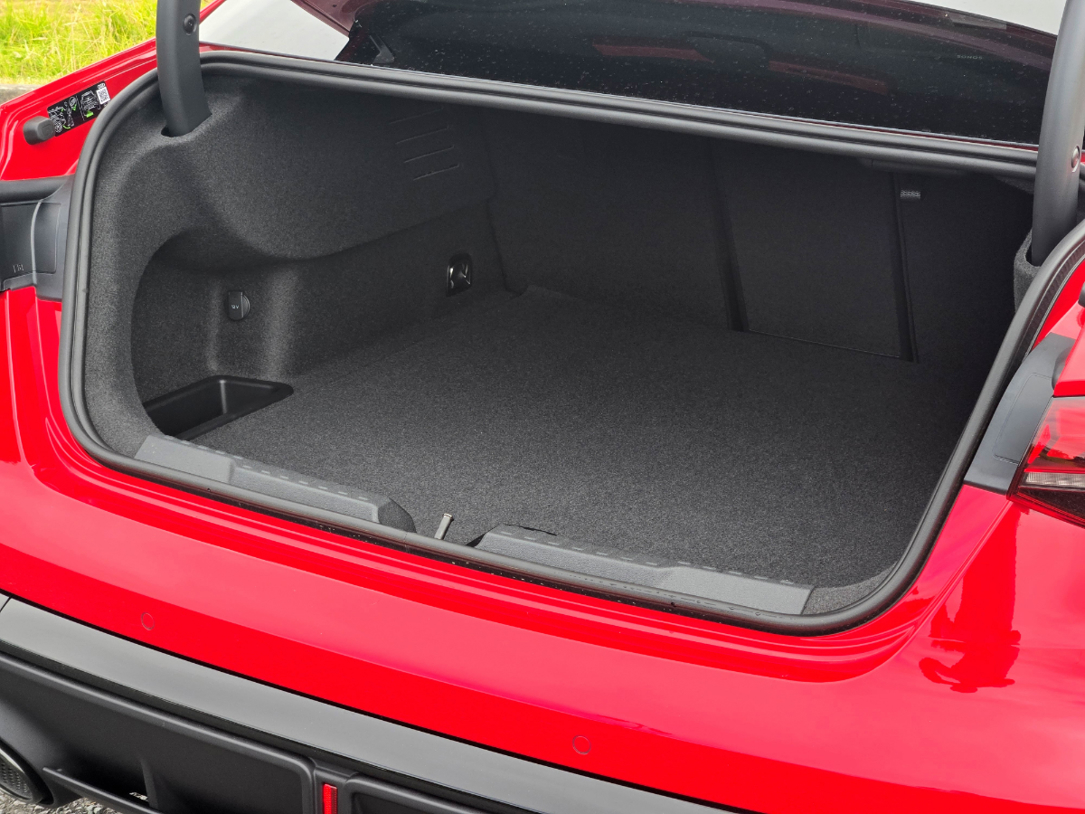
Practicality-wise, there’s not a lot in it for cabin space, with the sedan riding on exactly the same wheelbase as the Sporthatch. The boot is a little larger at 321 litres, compared to just 282 for the five-door (the quattro and tricky torque splitter take up room underneath in either case), although the Sportback has a lot of extra versatility and load height when the seats are folded.
So choose your weapon; you’ll love it either way. An Audi RS sedan is arguably a tad perverse when the brand is so synonymous with 5-door models, but that might well be part of the appeal. Even if it’s not a limited-run any more, the RS 3 sedan is still likely to be a rare thing in NZ.