



This story was written by an independent journalist, supplied to DRIVEN Car Guide by Toyota New Zealand.
When the opportunity came to evaluate the new Toyota Hilux in Australia ahead of its New Zealand launch, the timing could not have been better.
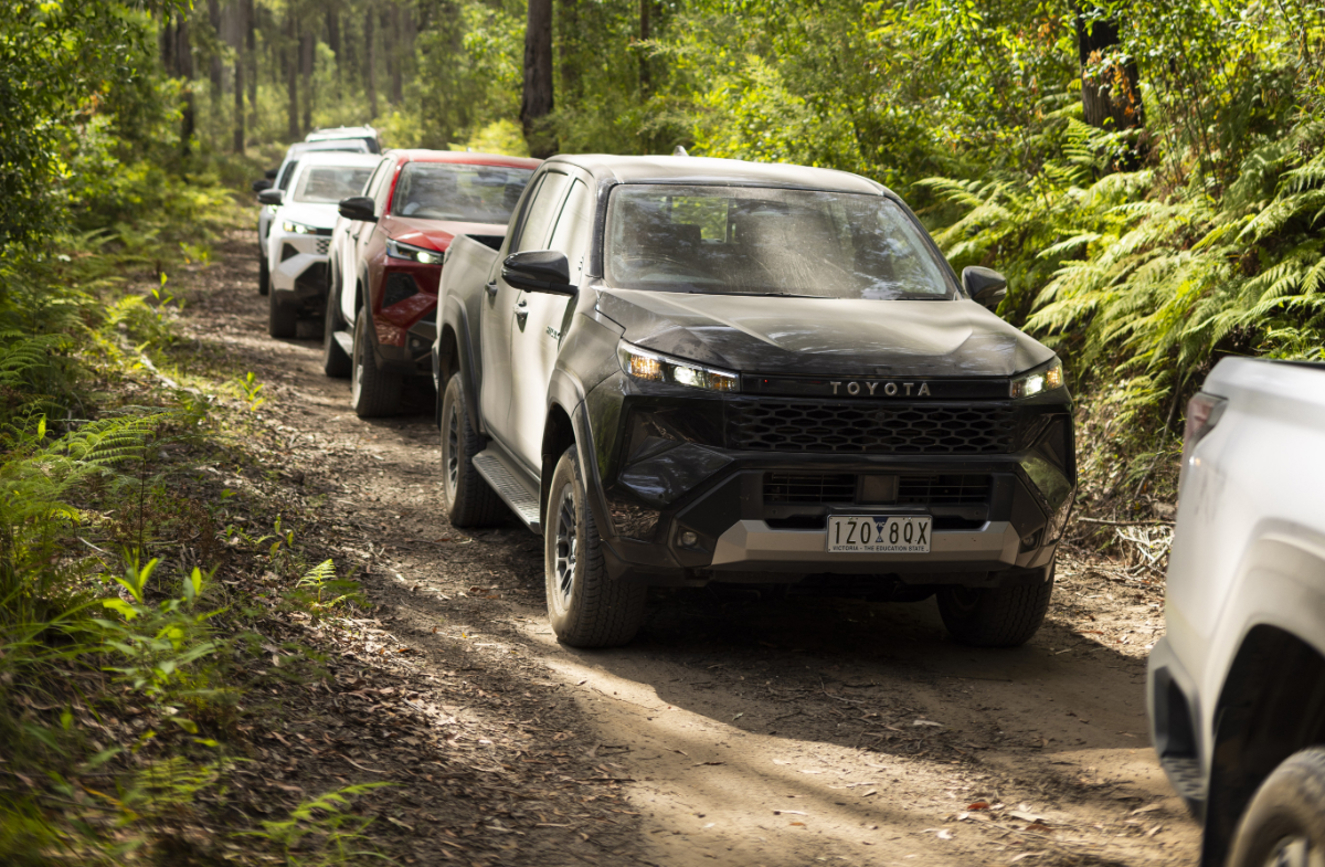
The Hilux remains one of the most important vehicles in our country, relied upon by farmers, tradies, fleets and families alike. Early access provided the chance to understand how Toyota has evolved the platform, where the biggest improvements sit and what these changes will mean for Kiwi customers. For the full Kiwi lineup and pricing, check out our story here.
Australia provided the ideal setting for development. Long distances, high heat, coarse surfaces and rugged tracks offered the perfect proving ground for durability, steering calibration and suspension tuning. But NZ requires a different lens: our terrain is sharper, wetter, steeper and more technical. Riverbeds, volcanic soil, tight rural accessways and coarse chip seal place very different demands on a ute.
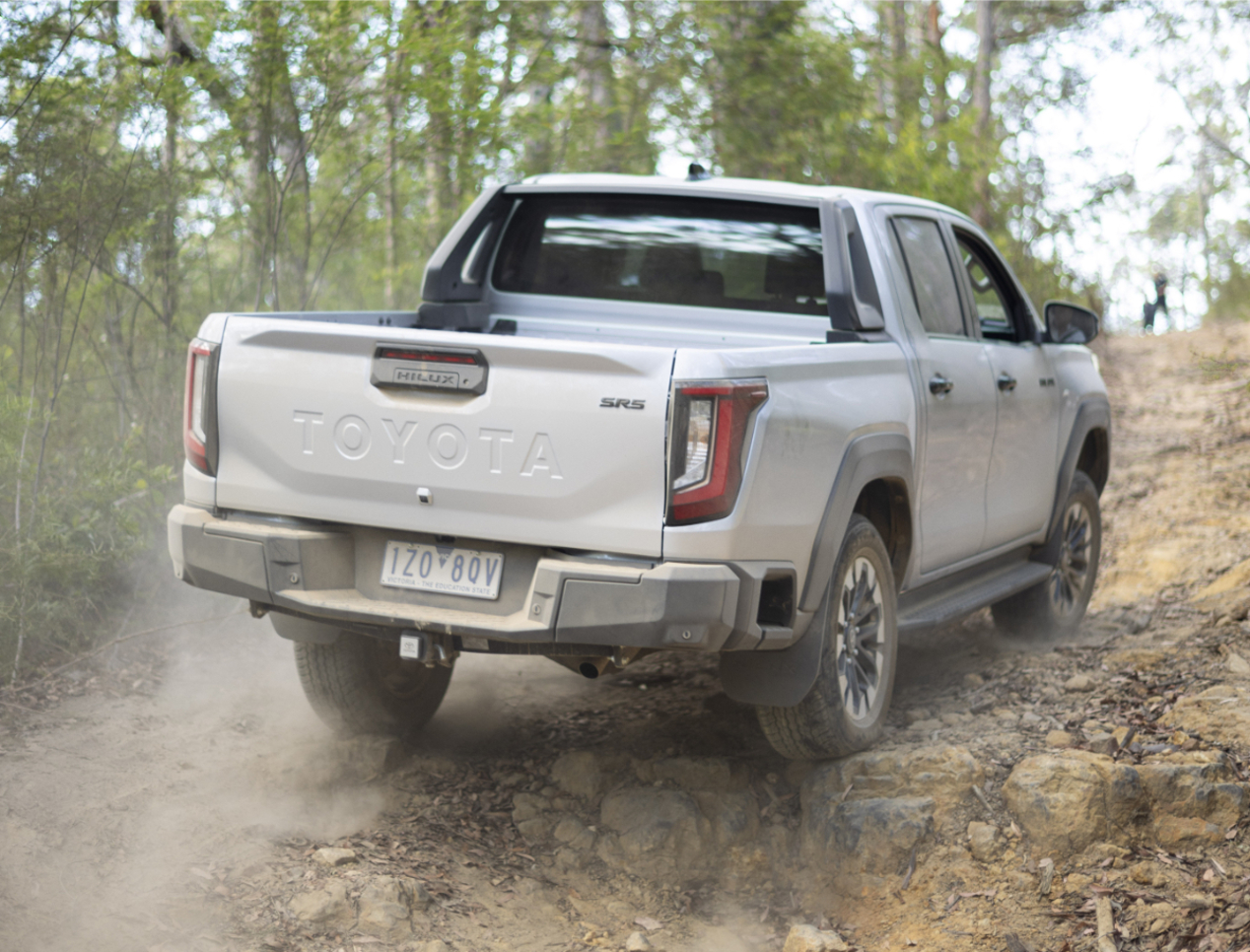
Over two days between Canberra and Jervis Bay, the drive programme mirrored this balance. Day one focused on long on-road distances to evaluate refinement, steering improvements and comfort.
The Hilux remains one of the most important vehicles in our country, relied upon by farmers, tradies, fleets and families alike.
Day two shifted to technical off-road driving that felt far more familiar from home, providing a clear demonstration of what has changed beneath the surface.
New Toyota Hilux design
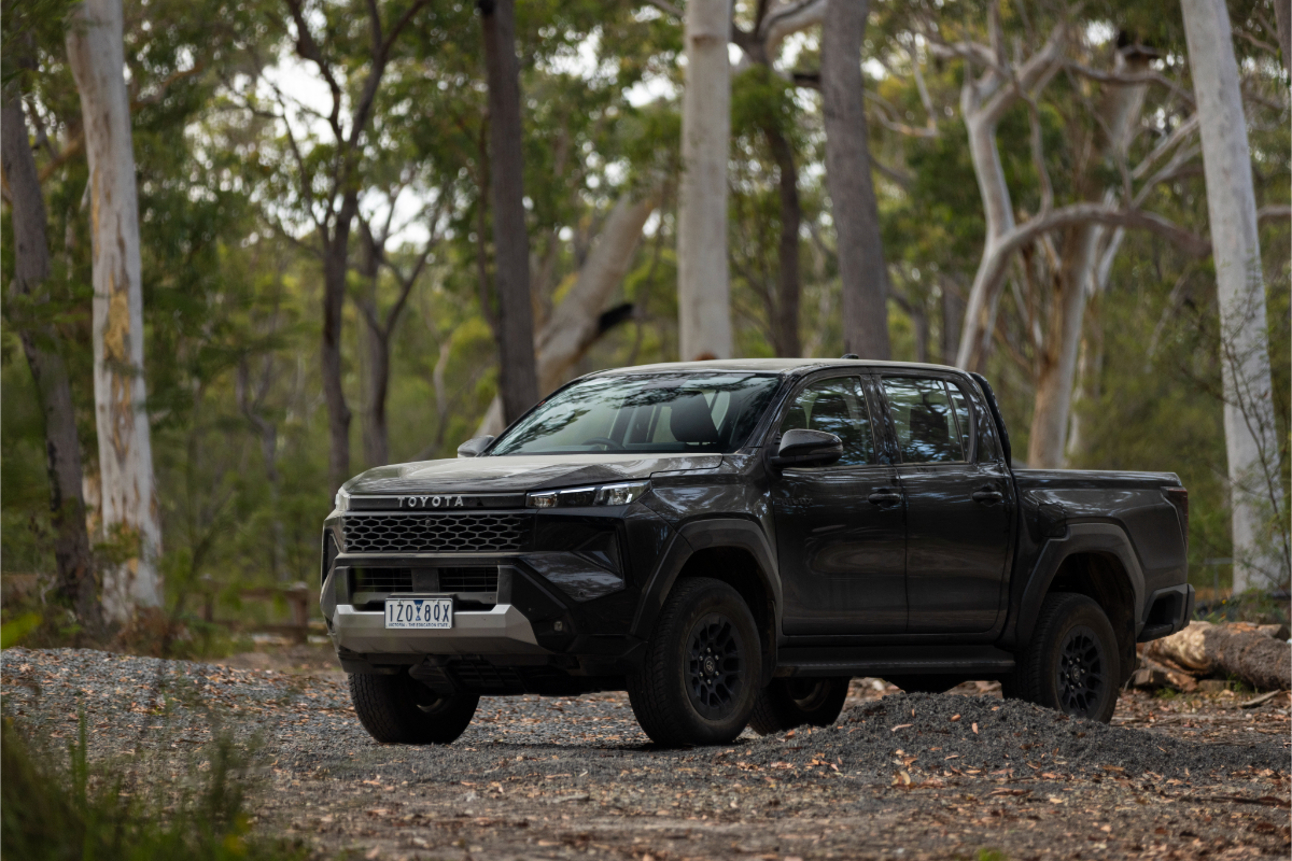
The new Hilux looks broader and more confident, with a front end built around a large integrated grille and slimmer, more focused headlights. Toyota refers to the philosophy as Cyber Sumo, where modern lines and grounded strength blend into a stance that looks secure and planted.
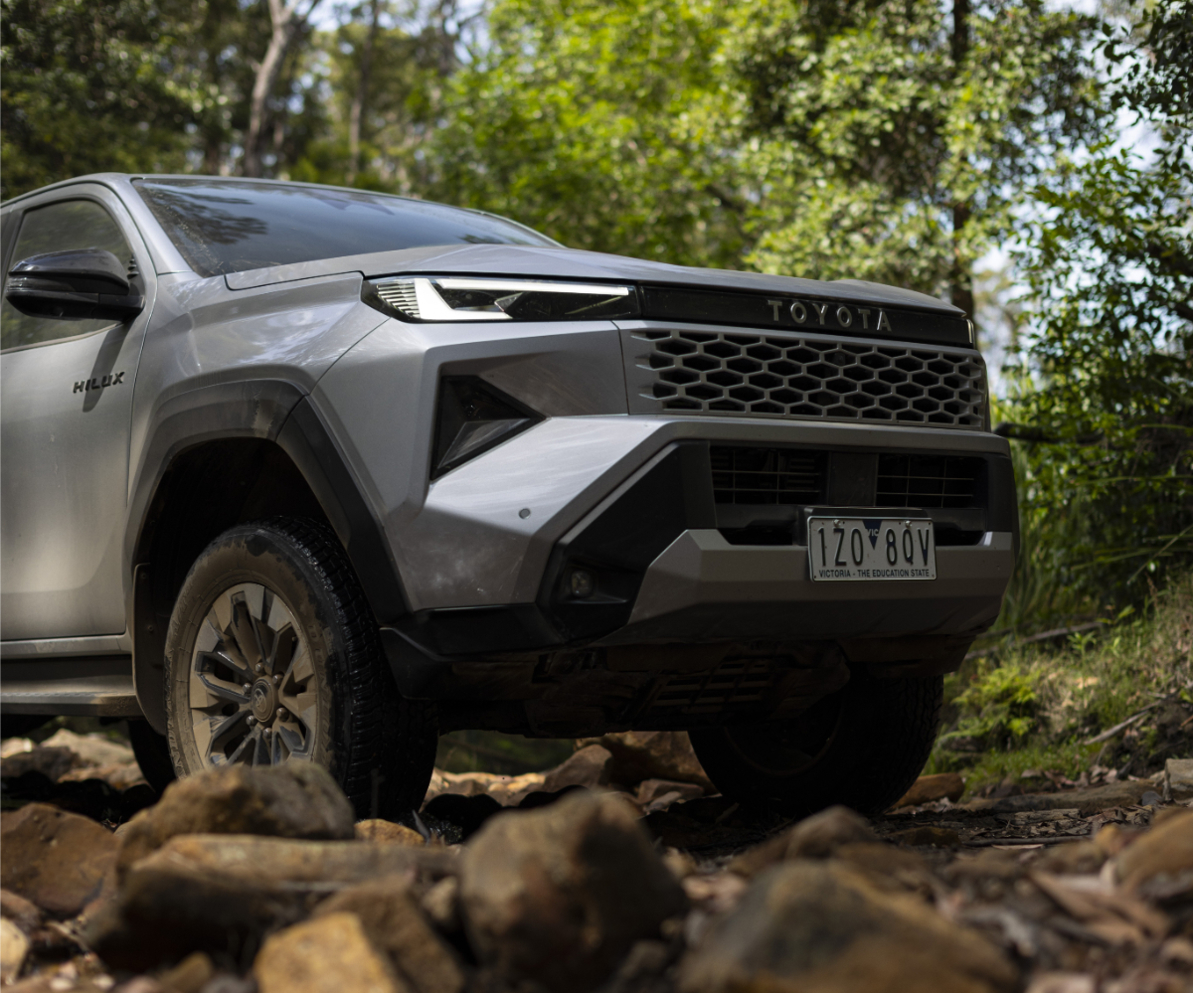
From the side, the body carries a straighter and more purposeful shoulder line, and the wheel arches give the Hilux a more athletic profile. The bonnet has been reshaped with raised outer edges and a lower centre section, improving forward visibility when placing the vehicle in technical terrain. The front bumper and grille have also been refined for airflow and functional integration, and grade differentiation is clearer through unique wheels and exterior finishes.
The move to electric power steering brings a lighter, more predictable feel that makes the ute easier to manage on narrow rural roads.
At the rear, the integrated tailgate step adds genuine usability, making tray access easier whether loading tools or weekend gear. Exterior lighting signatures vary between grades, reinforcing clearer separation across the range.
Hilux interior: the biggest step forward
Inside, the generational jump is unmistakable. The previous Hilux interior prioritised utility above all else, but this new cabin feels closer to the latest Prado in both execution and refinement.
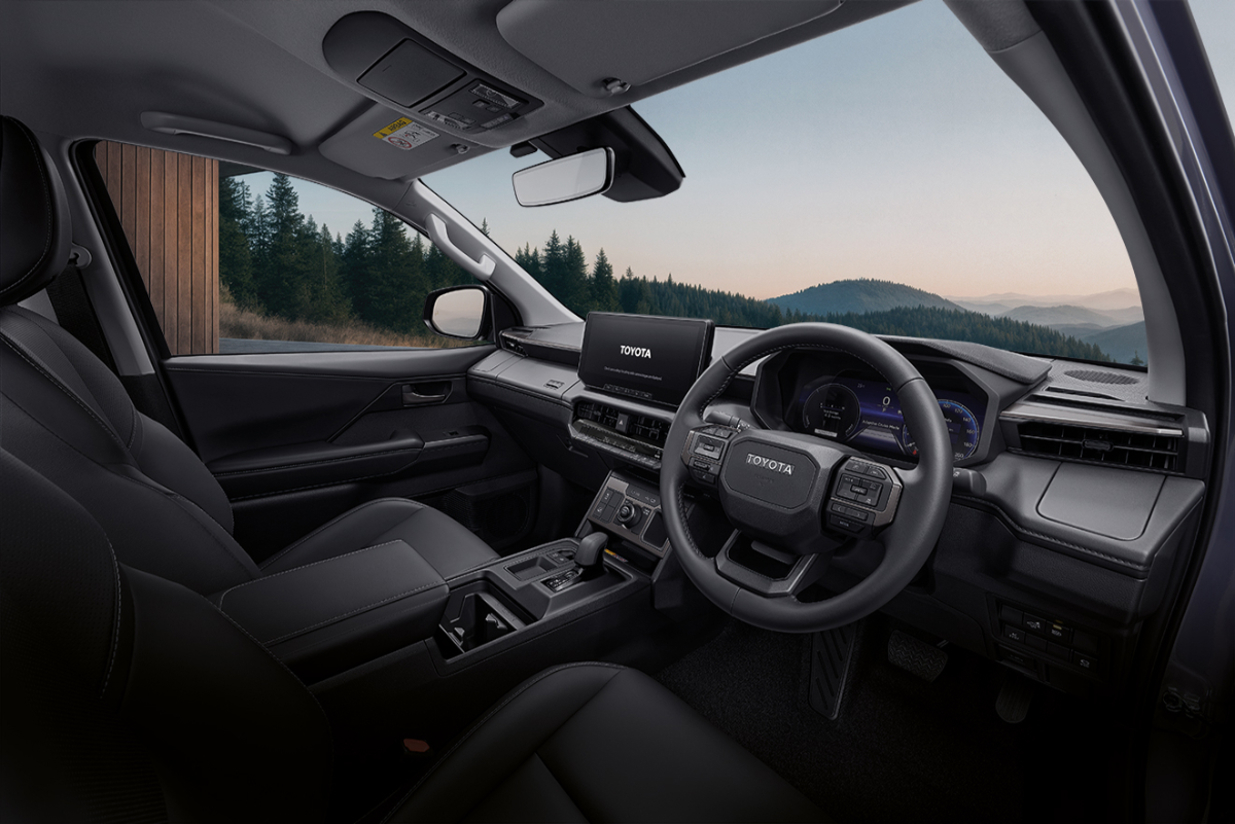
The dashboard is wider and more horizontal, improving outward visibility and giving the interior a cleaner, more modern feel. Materials are more consistent across the range, and the areas you interact with most feel noticeably more solid.
A new digital instrument cluster and a larger, high-resolution centre display modernise the driver environment. Importantly, Toyota has retained physical controls where they matter.
Work-focused variants retain vinyl flooring and hard-wearing trim better suited to agricultural or trade environments.
Key off-road systems now use push-button switches, positioned close to the driver so they can be operated easily when the terrain turns rough or the vehicle is leaning.
USB-C charging ports are available front and rear, alongside wireless Apple CarPlay and Android Auto and an improved wireless charging pad. Storage has increased through deeper door pockets and a larger centre console, and the overall layout is easier to live with day to day.
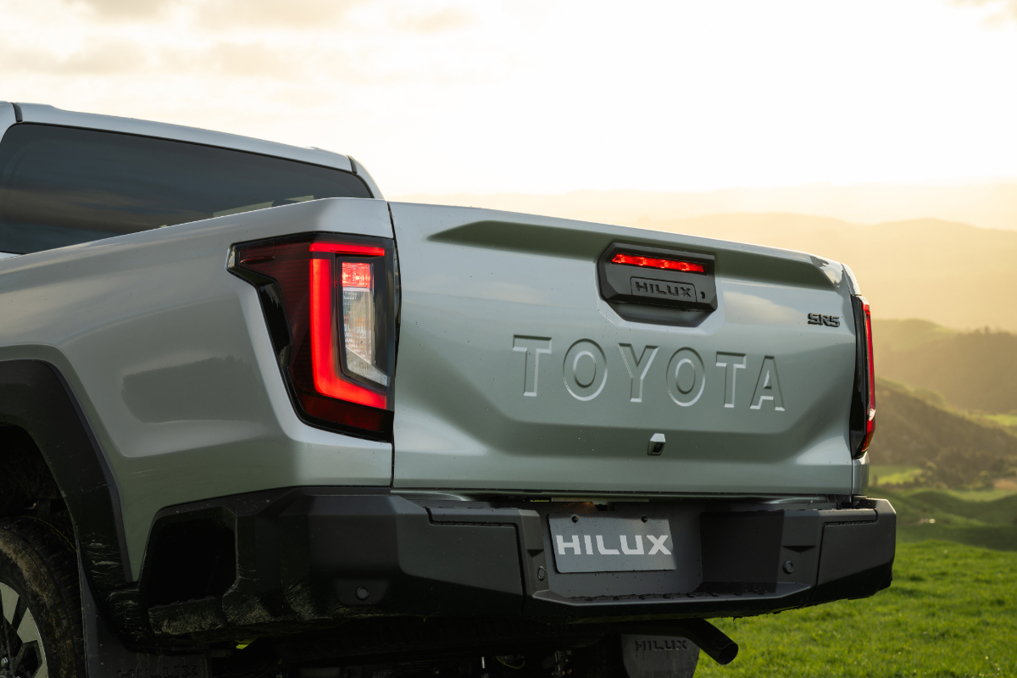
Higher-grade models add electric driver’s seat adjustment, seat heating and additional insulation, while work-focused variants retain vinyl flooring and hard-wearing trim better suited to agricultural or trade environments. A subtle but intentional change replaces the oval Toyota badge with the heritage TOYOTA wordmark on the steering wheel and interior surfaces.
Seat comfort has improved, with broader bolstering and more supportive foam. Noise, vibration and harshness are noticeably reduced thanks to revised mounts and additional isolation. The expanded safety systems operate quietly in the background and are not intrusive, which is particularly welcome on rural roads and longer drives.
On-road performance: Hilux is more composed
Day one’s on-road driving highlighted how much the Hilux has changed in everyday use. The move to electric power steering brings a lighter, more predictable feel that makes the ute easier to manage on narrow rural roads and more stable at open-road speeds. Steering response feels calmer and more precise, particularly through longer sweepers and tighter back roads.
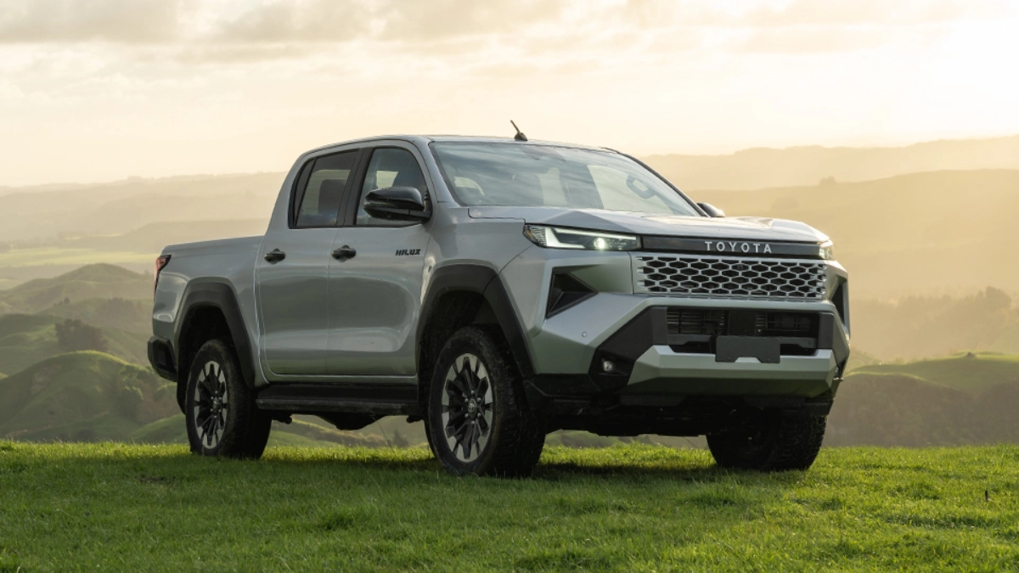
The familiar 2.8-litre turbo-diesel remains the backbone of the range, but it feels more composed thanks to improvements in refinement across the platform. Toyota’s iMT rev-matching system makes the six-speed manual smoother and more intuitive. The automatic remains the effortless pick, but the manual now feels noticeably more refined and far more approachable for everyday driving.
One of the most welcome on-road additions is the ability to adjust throttle response through selectable drive modes. Switching between Normal, Eco and Sport subtly alters throttle mapping, allowing the Hilux to suit different driving environments.
In tighter, twistier sections during our drive, Sport mode sharpened throttle response and made the vehicle feel more alert, while Eco mode dialled things back during highway cruising, smoothing throttle inputs and making longer stints behind the wheel feel more relaxed. The changes are not dramatic, but they add flexibility and make the Hilux feel less one-dimensional on the road.
New suspension tuning
One of the most meaningful changes sits underneath. Toyota has revised leaf pack tuning and damper valving, to reduce the harshness previous Hilux generations could display when driven unladen. The result is improved compliance over patchy rural seal, less rear-end hop on corrugations and a calmer response through mid-corner bumps. It still behaves like a leaf-sprung ute, but the sharp edges have been softened and body control has improved.

Chief engineer Anyarat Sutthibenjakul explains the thinking behind the shift: “We changed the way we evaluate the vehicle. Customers often travel with one or two occupants, so we tuned the suspension to suit everyday conditions, not just full load.”
Working grades remain firmer, as expected, but they still benefit from improved cabin isolation and additional body mounts. The combination of lighter steering and improved damping reduces driver fatigue over long distances and unpredictable road surfaces.
On broken seal and coarse chip, the suspension settles more quickly after larger hits. Across the two-day programme, the higher-grade suspension tune stood out most clearly, offering better composure without compromising load-carrying capability.
Off-road: more control, less effort
Day two’s off-road loop around Jervis Bay demonstrated how these updates translate to real capability. All driving was performed at full showroom tyre pressures, around 36psi, highlighting factory capability without the benefit of aired-down tyres.
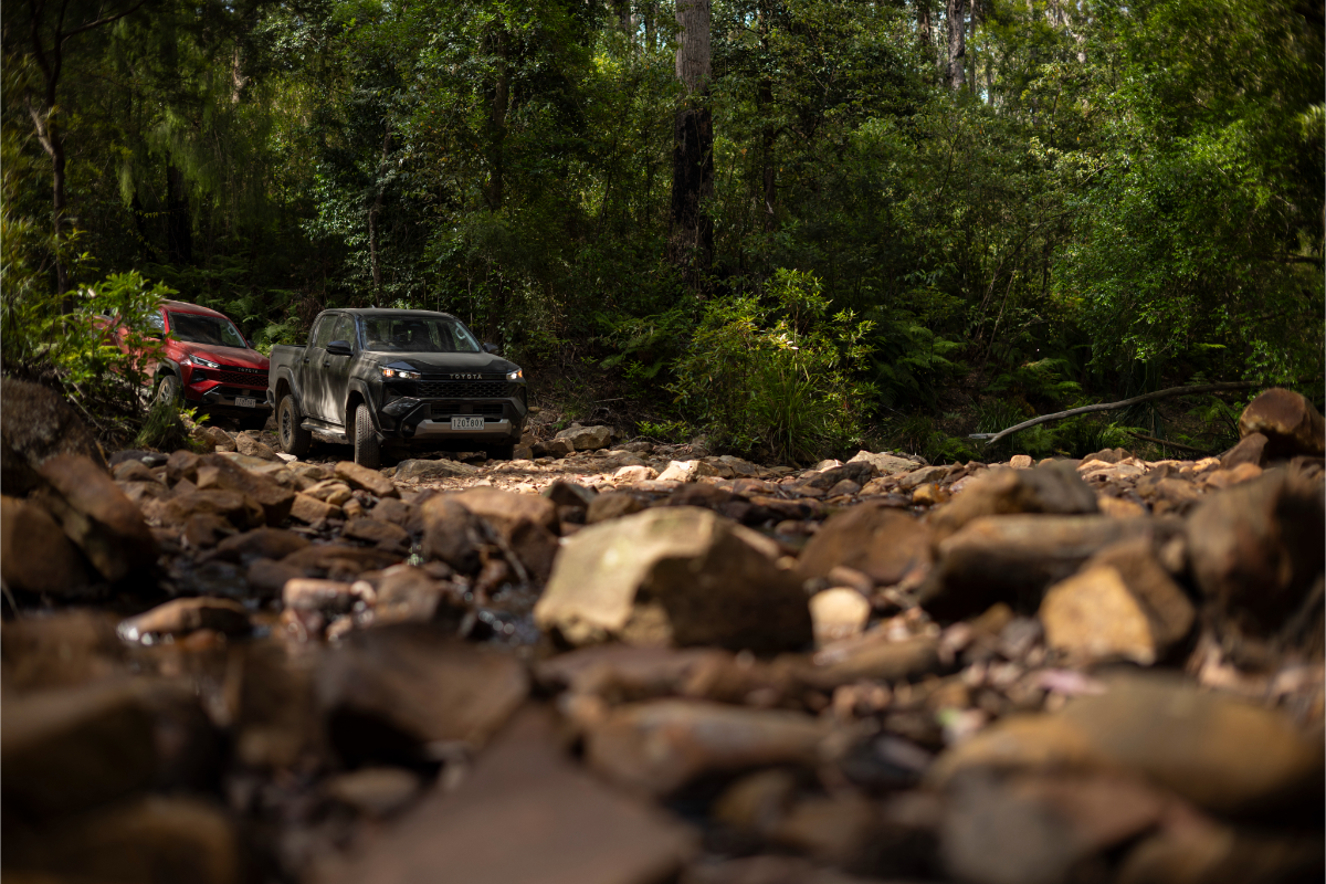
On uneven forest tracks, the Hilux remained composed with excellent body control through cross-axle obstacles. Traction control worked smoothly in the background, redistributing torque without abrupt intervention. In low-range, the revised throttle mapping played the biggest role, delivering calm, progressive response that allowed the driver to stay on the throttle even when the terrain unsettled foot input.
The lighter electric steering made the Hilux easier to place through tight and technical sections, reducing effort and increasing confidence. A rocky riverbed section highlighted the improved suspension response, with the Hilux absorbing impacts more effectively than previous generations while maintaining confident wheel placement.
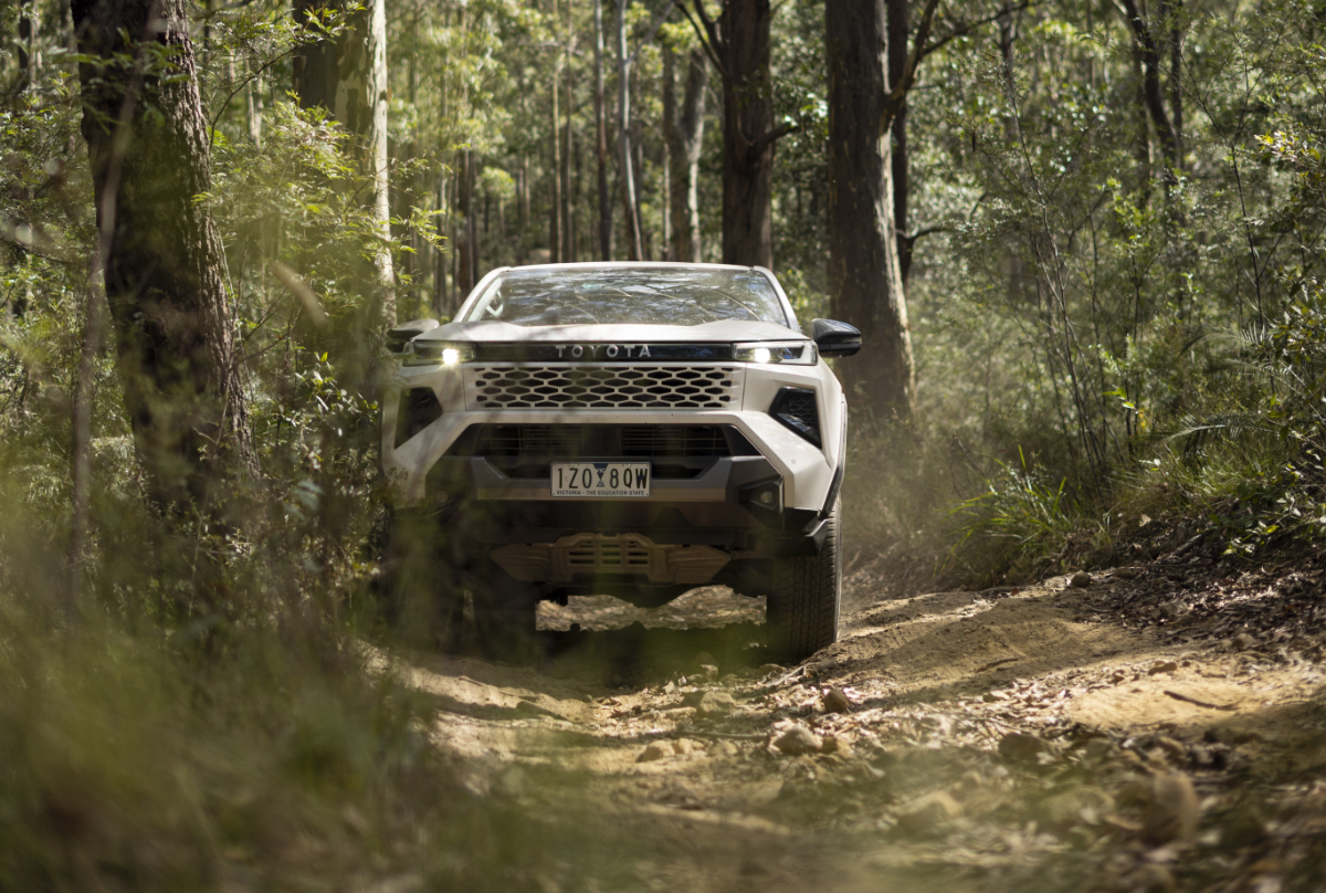
A steep, loose climb showcased the low-range calibration. Both manual and automatic variants climbed steadily with minimal wheelspin. Even when the driver’s foot was unsettled by the terrain, throttle response remained smooth and controlled, preventing surging or lurching.
The 48-volt hybrid system, available exclusively with the automatic transmission on selected grades, remained unobtrusive throughout the off-road driving. In low-range first gear, the electric assist supported smooth take-off without altering the diesel’s natural low-down torque characteristics. It delivers refinement and improved efficiency without compromising capability.
How will Hilux work in NZ?
NZ places unique demands on a ute. A Hilux may serve as a work vehicle, family transporter, farm tool and weekend adventure vehicle in the same week. The changes made to this new generation directly reflect those realities.
Steering is lighter and easier in tight rural environments. Suspension comfort is improved without undermining load capacity. The interior is more refined for daily use but remains practical where it needs to be. Off-road performance is smoother and more predictable, particularly in low-traction conditions. The hybrid system improves efficiency while preserving the diesel capability Hilux owners depend on.
After two days of driving across highways, forests, riverbeds and steep technical terrain, the new Hilux feels familiar where it should, and improved everywhere it counts.