


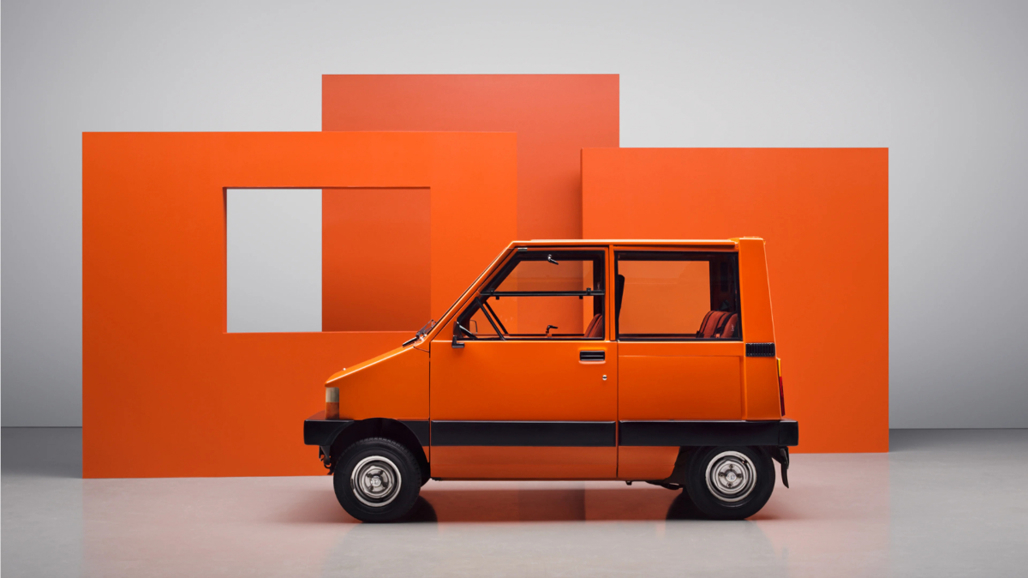
- Volvo Elbil was launched in November 1976.
- Swedish company wanted to be 'part of the solution'.
- Ten hours to charge, 50km range... but swappable battery pack.
This month marks 50 years since Volvo produced its first electric vehicle (EV), the Elbil. In November 1976, the Swedish maker, famous for its family-sized cars and cutting-edge safety, unveiled a tiny box with a range of just 50km.
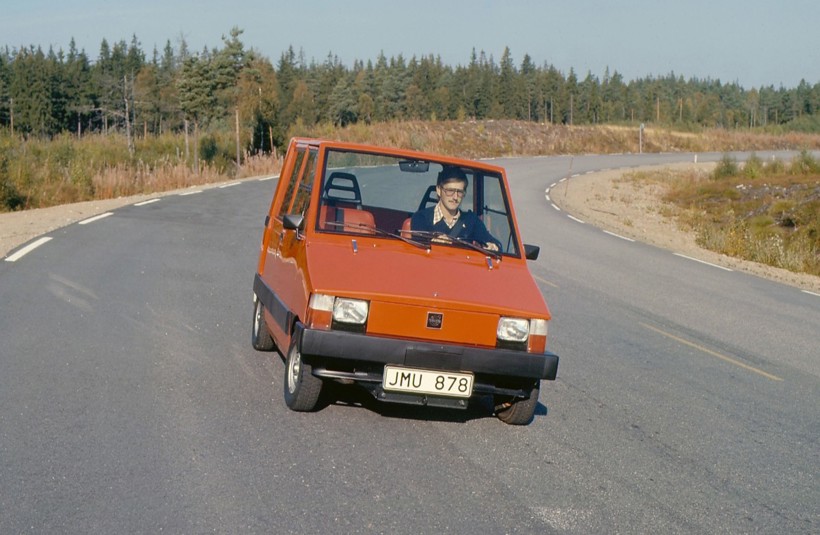
Elbil was a prototype, intended to show the potential of EVs. The catalyst for the new technology was the UN Conference on the Human Environment in 1972, where Volvo Cars CEO Pehr Gyllenhammar stated that his company was “part of the problem, and therefore we must be part of the solution.”
The Elbil project was partly funded by the Swedish Government and designed for use by Televerket, the former state-owned telecommunications authority, to make short-distance deliveries around Gothenburg without producing any emissions.
Volvo only made two cars. The first was bright orange, the second what the company describes as "butter yellow".
While it looks pretty crude, it was carefully designed and engineered. Glass-fibre-reinforced plastic (move over BMW i3) was used for the bonnet and tailgate, with aluminium for the doors and roof panels, helping keep kerb weight to 1200kg.
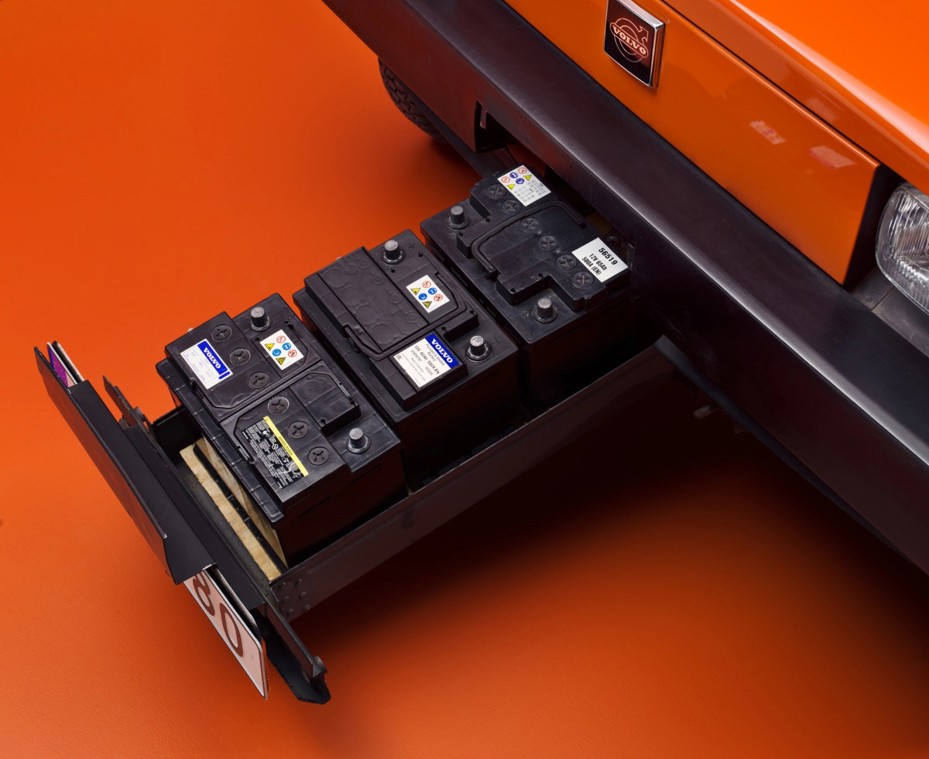
The power pack comprised 12 6-volt lead-acid batteries, which took 10 hours to charge (only giving about 2 hours driving). But Volvo was ahead of the game on range anxiety: the batteries could simply be swapped over with fresh ones to keep the vehicle moving.

The Elbil’s 9.5kW motor was integrated with the rear axle which, combined with a bespoke stepless transmission, offered a near-70km/h top speed.
Each of the four seats was fitted with a three-point safety belt – which Volvo invented and made standard on production cars in 1959.


