



- The mighty BMW M3 turns 40 this year, originally being released in LHD form only way back in 1984.
- Created to meet Group A touring car regulations, the M3 would quickly become a road-going legend too.
- The M3 started with four cylinders, rose to six, then eight, then back to six and is now going electric.
This year the BMW M3 officially enters middle age as it marks its reaches its 40th anniversary; yes, that's four decades since its initial release in 1986.
Originally developed to meet Group A touring car racing regulations, which required the production of 5000 units within 12 months, the M3 has transitioned through six generations of technical development, growing from four to six to eight cylinders, then back to six, but with turbos.
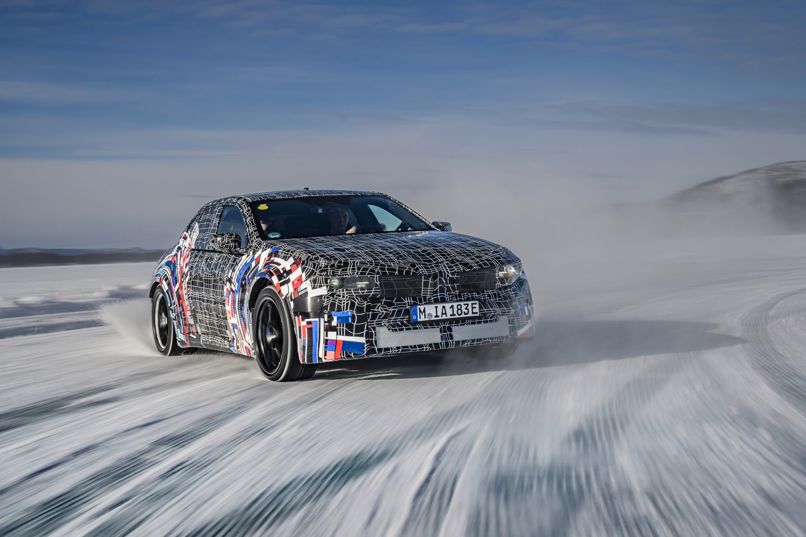
But in something of a mid-life crisis, the M3 will make the move to electricity for the seventh generation which is set to debut sometime this year. With colossal electric output via a quad motor set-up and what BMW is calling "pin-sharp dynamics", the next evolution of M3 promises to be quite a leap into the future.
But don't worry combustion purists - BMW has confirmed a petrol version will follow, as part of its "technology openness strategy" where it says "solutions are in place for all customers and enthusiasts well into the future."
But that's for the future; for now let's take a look back at the previous generations of the birthday boy!
E30 (1986): born for racing
The first M3 was released exclusively as a coupé to facilitate entry into Group A racing. It utilised a 2.3-litre naturally aspirated four-cylinder engine, designated the M10, which featured a four-valve cylinder head derived from the BMW M1.
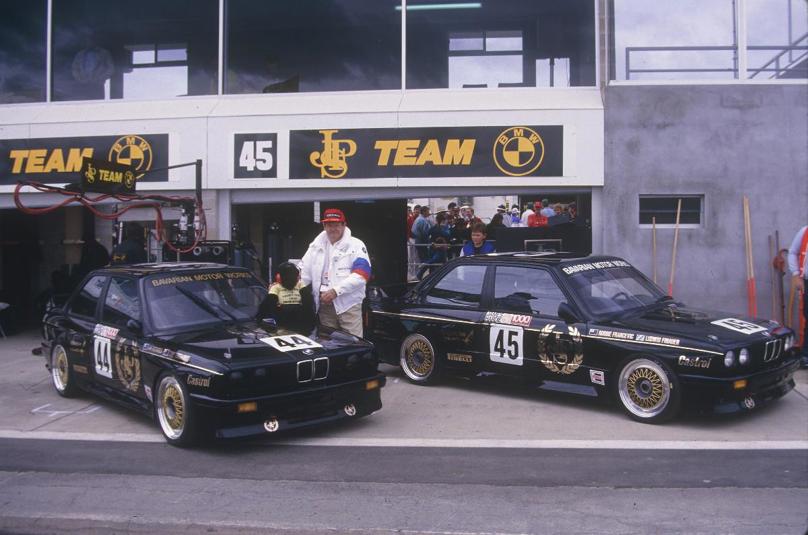
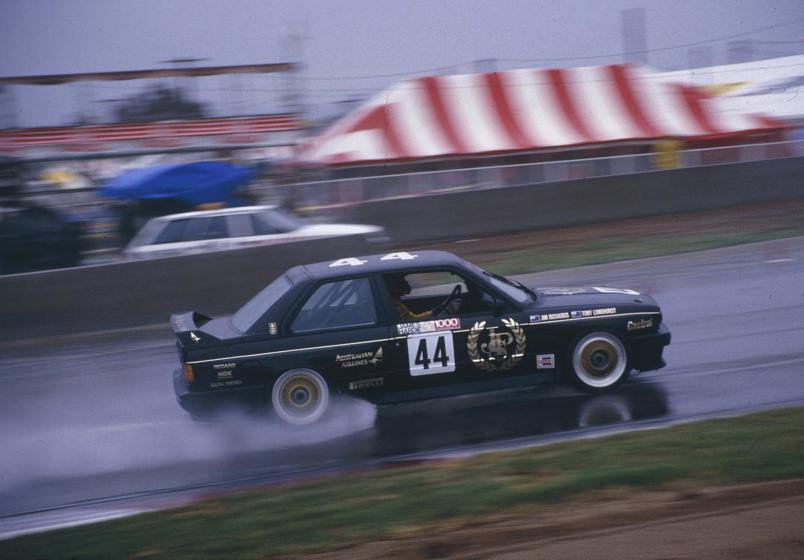
This configuration produced 175kW, and while the E30 was produced only in left-hand-drive and not officially imported to Australia or New Zealand for retail, it achieved fame and success in local motorsport, winning the 1987 Australian Touring Car Championship (ATCC) in the hands of Kiwi legend Jim Richards.
E36 (1992): more cylinders and the introduction of VANOS
The second generation M3 expanded the line up to include convertible and, eventually, sedan body styles and was the first M3 officially sold in New Zealand.
It introduced an inline six-cylinder engine featuring VANOS (variable camshaft adjustment) technology, which optimised torque across different engine loads. Initially producing 210kW, later updates increased output to over 235kW.
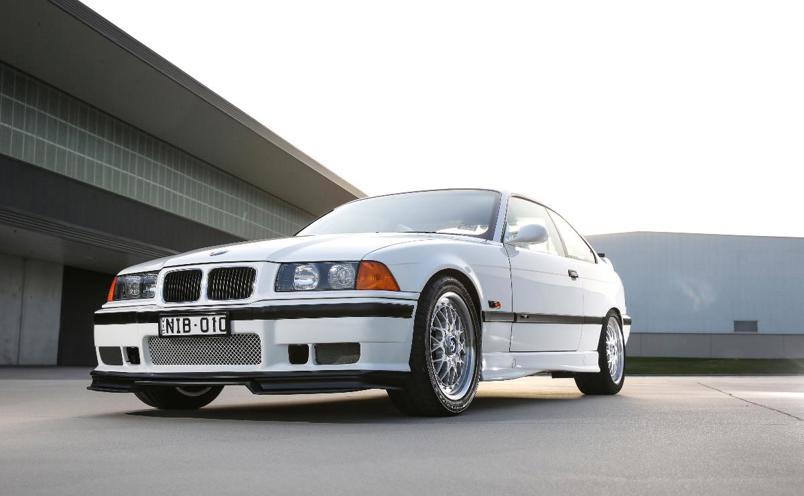
In 1997, it became the first production car to offer a Sequential M Gearbox (SMG), while Australia received a limited run of 15 "M3 R" units for homologation purposes in 1995, which featured weight-reduction measures and an uprated 238kW engine.
E46 (2000): a better SMG and even more power
The third generation featured a 252kW six-cylinder engine equipped with Double VANOS and electronic throttle control. Technical milestones included the first variable M differential lock for improved traction and a second-generation SMG with steering-wheel-mounted paddles capable of 80-millisecond shifts.
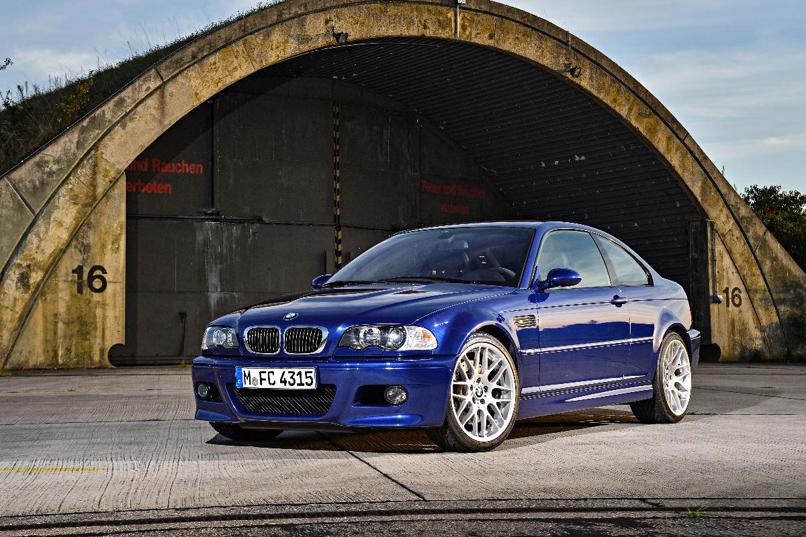
This generation also saw the 2003 M3 CSL, which reduced vehicle weight by 110kg through the use of carbon fibre reinforced plastic (CFRP) and glass fibre reinforced plastic, and is widely consider to be the greatest M car of all time.
E90/E92/E93 (2007): the V8 era
The fourth generation M3 packed a mighty 4.0-litre V8 engine that pumped out 309kW and 400Nm, capable of revving out to 8400rpm. Oh, and it also sounded utterly spectacular doing it.
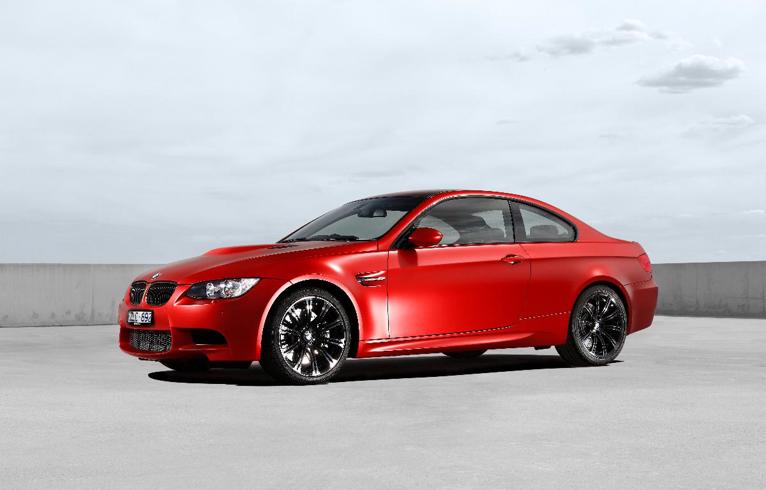
The Coupé (E92) introduced a carbon fibre roof as standard equipment to lower the centre of gravity - the first time a carbon fibre roof was used on an M3 - while the whole range (including the E90 sedan and E93 convertible) got Electronic Damper Control (EDC) for the first time.
In 2008, the M3 got a new seven-speed M Double Clutch Gearbox (M DCG), allowing for gear changes without interruption to power delivery.
F80/F82/F83 (2014): transition to turbos
For its fifth generation, the BMW M3 was given a different model code to the main series line 3 Series models for the very first time, and the M3 (Sedan) was assigned the F80 code, while the Coupé and Convertible were designated F82 and F83 respectively, while also being renamed M4 in line with BMW's naming conventions at the time.
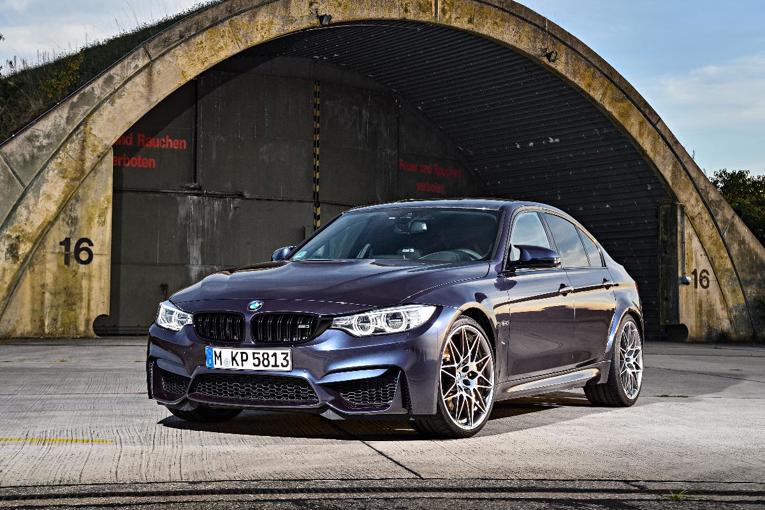
This era also marked the shift to turbocharging with a 3.0-litre twin-turbo straight-six engine producing 317kW and 550Nm in its base configuration, which was good for a 0 to 100km/h sprint of 4.1 seconds.
The carbon roof was offered as standard equipment for the first time on the M3 Sedan, while this generation also introduced the "Competition" tier in 2016, which increased power to 331kW and added adaptive suspension as standard.
G80/G81/G82/G83 (2020) and Future Developments
The Gx generation of M3/M4 continued with the turbocharging, but - as expected - upped the power even more, with between 353kW and 405kW depending on variant, and also added the option of AWD for the first time.
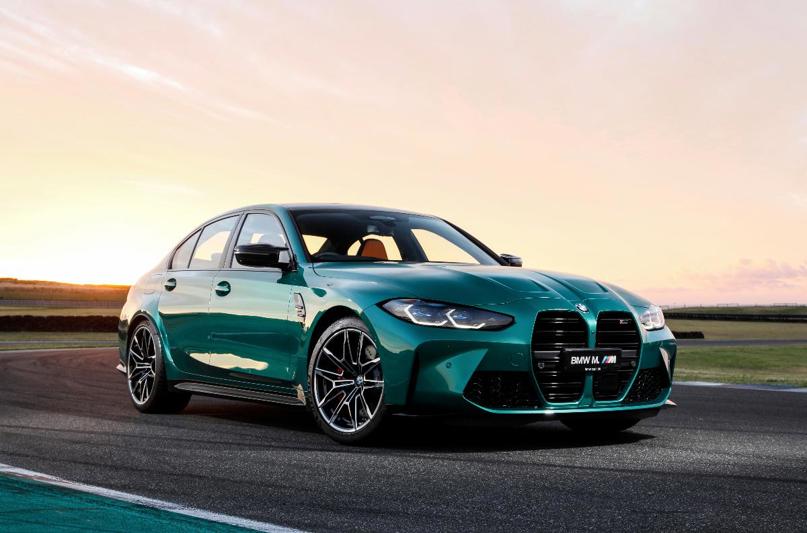
It also saw the introduction of the first ever production M3 Touring (the G81 wagon) variant in 2023, while the coupe (G82) and convertible (G83) carried on as the M4.
The straight-six engine also got some cutting-edge manufacturing techniques, including use of wire-arc sprayed coating for the cylinder bores and a 3D-printed core for the cylinder head.


