



- Driving thrill depends on the visceral, intellectual and emotional.
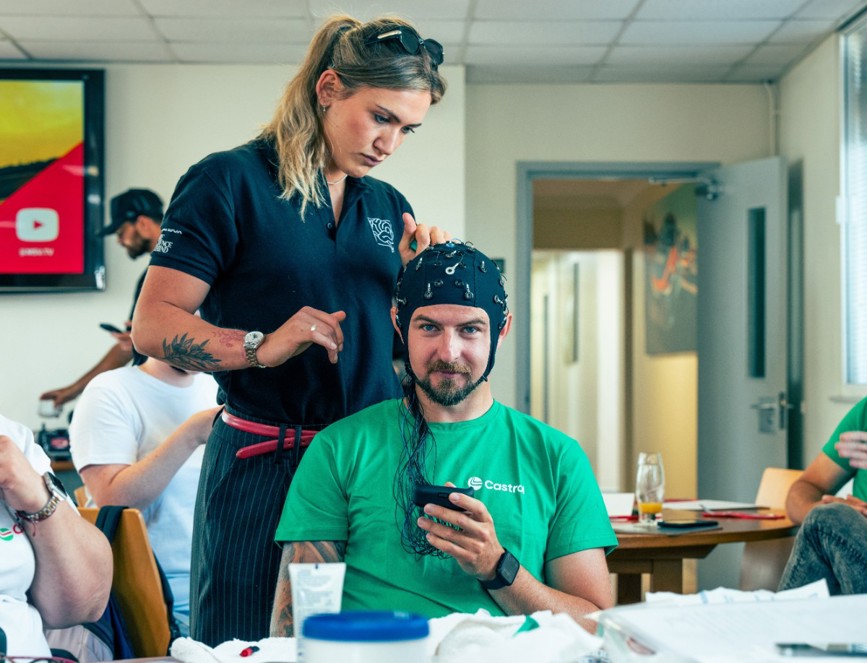
- Participants in the study wore brain, eye, heart and skin monitoring equipment.
- 'Thrill isn’t about speed, it’s about focus'.
A new study commisioned by Castrol in the UK aims to understand what constitutes the "thrill" of driving, and what its relationship is to "fear".
The research explores the neurophysiological factors that influence the sense of thrill that drivers experience behind the wheel: the role speed plays, and the "sweet spot" where an individual is in a flow-state and driving thrill is at its peak.
Participants in the study wore brain, eye, heart and skin monitoring equipment during five different tests where they drove or were driven, all carried out at a private track.
The capture and analysis of data was handled by Brainbox, a neuroscience company that provides advanced brain research technology, training, and scientific support for organisations conducting research and clinical trials.
The three key factors that combine for driving thrills
The Castrol Edge Thrill of Driving Study suggests that driving thrill comes from the convergence of three key factors in an elevated state: visceral (an intense state of mental and physical stimulation), intellectual (how engaged the mind is on the given task) and emotional (identifying the balance of excitement versus fear).
If any of these three factors go beyond a level that feels manageable for the individual driver (this differs substantially from one individual to the next), they can become overwhelmed and the experience tips from thrill into fear.
From a neurophysiological perspective, the key stress indicators such as heart rate and eye movement shift into a less consistent, less managed pattern.
The study suggests how a sense of "controlled immersion" is essential for creating the thrill of driving. While speed is one of multiple factors that heighten the sense of thrill, the study suggests it's not the main thing.
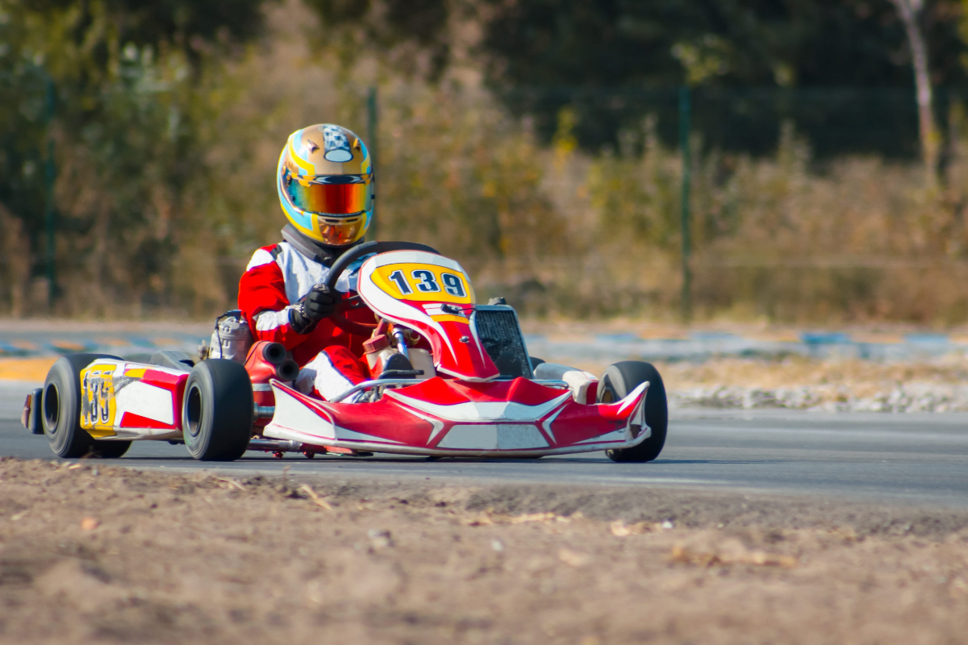
In fact, the thrill criteria were met consistently for the test subjects during the study’s karting session on a tight and technical circuit, where outright speeds were modest, but where the essential visceral, intellectual and emotional thresholds for driving thrill were all met.
The study also suggests that thrill was associated with participants feeling highly focused and in control within a managed environment. This is when they may enter a neurophysiological flow state.
“No single measurement defines thrill, rather it is where they are heightened and converge," says Dan Phillips, co-founder and director at Brainbox.
"The individual is experiencing a state of elevated neurophysiological arousal, they perceive that they are fully in control of the vehicle, and they are immersed in the experience both cognitively and emotionally.
“Thrill isn’t about speed, it’s about focus. The data shows real thrill as the moment a driver locks in completely, and it can be seen across the brain, heart and eyes.”
Castrol says it commissioned the research to promote its "data engineered" ethos for product development, especially its Edge motor oil.
The Castrol Thrill of Driving Study in depth
The Brainbox analysis was multi-modal, capturing and cross-referencing different markers. These included:
- Electroencephalography (EEG) [brain]: 30-channel analysis, including assessment of "frontal-midline theta" which indicates focused cognitive engagement.
- Heart rate variability (HRV) [heart]: Heart rate and the balance of stress versus recovery; showing how physiologically aroused the body is.
- Galvanic skin response (GSR) [skin]: Skin conductance tracks raw arousal intensity, but it can’t distinguish excitement from anxiety on its own.
- Eye tracking [gaze]: Fixation, blink rate and saccades (rapid, jerky, involuntary movements) reveal whether arousal is "focused flow" or anxious scanning.
The test subjects were asked to drive or be driven in a variety of managed scenarios. All testing was conducted at the PalmerSport facility in Bedfordshire, England, using professional instructors to guide the participants on how to drive the vehicles safely and confidently.
The tests included:
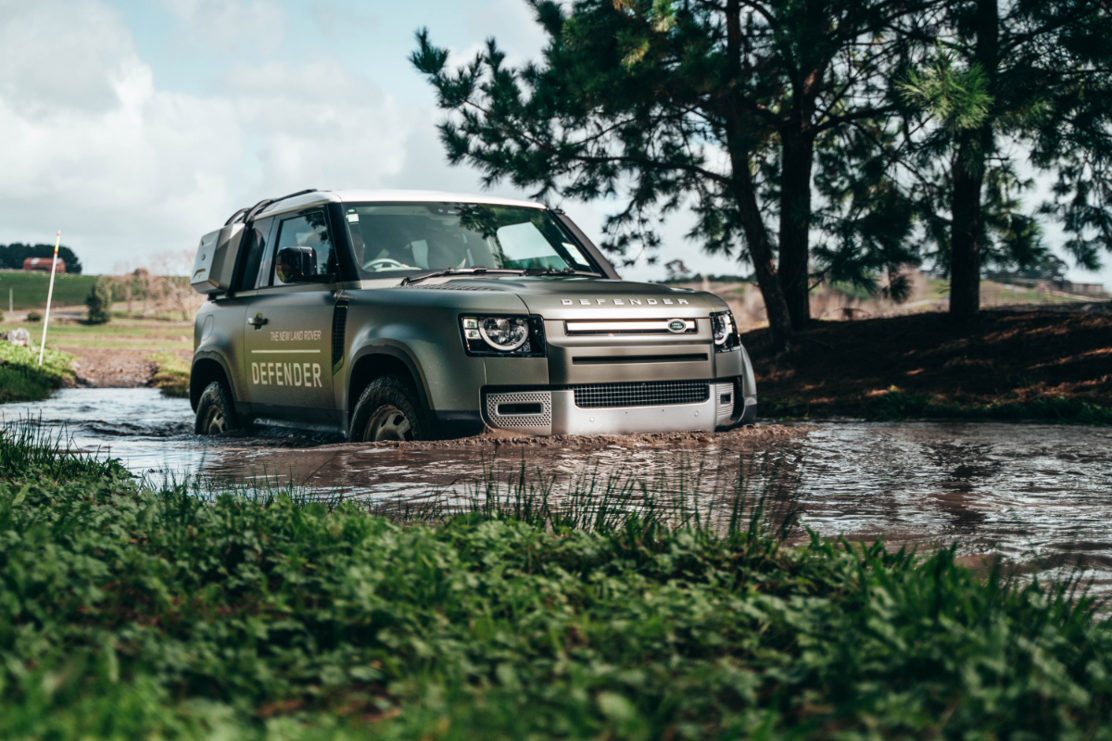
- Off-road: slow-speed off-road driving in a Land Rover Defender on a purpose-built all-terrain course with sharp climbs and drops, wading and precision steering tests.
- Single-seat karts (on a dedicated karting track): participants drove on a tight and twisty course.
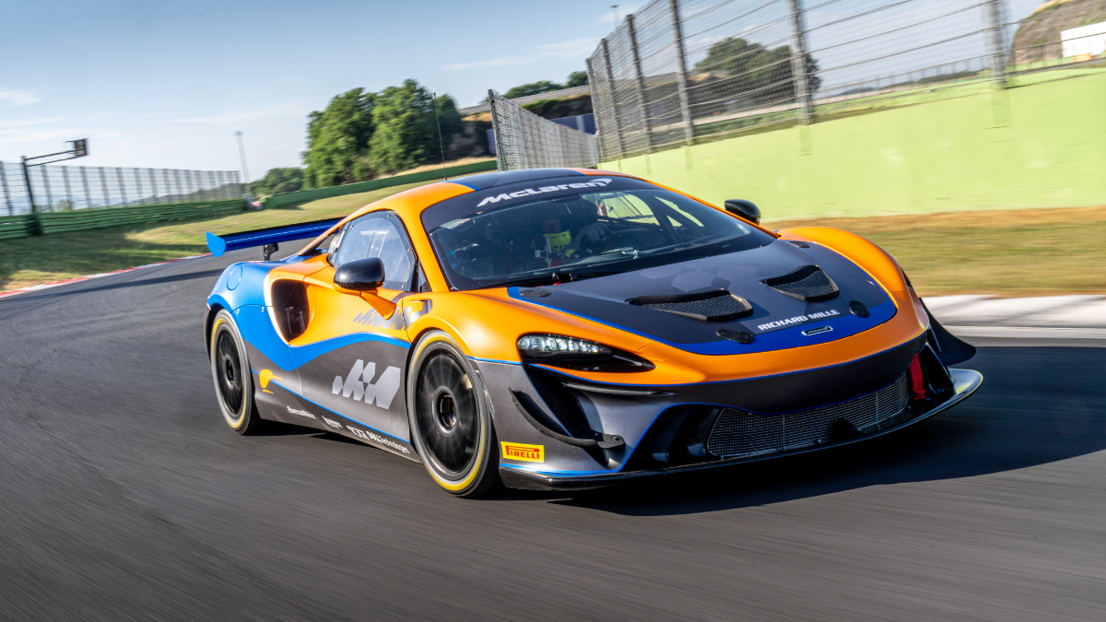
- McLaren Artura GT4 (on a closed race circuit): non-competitive driving in a controlled, race-prepared vehicle under professional supervision.
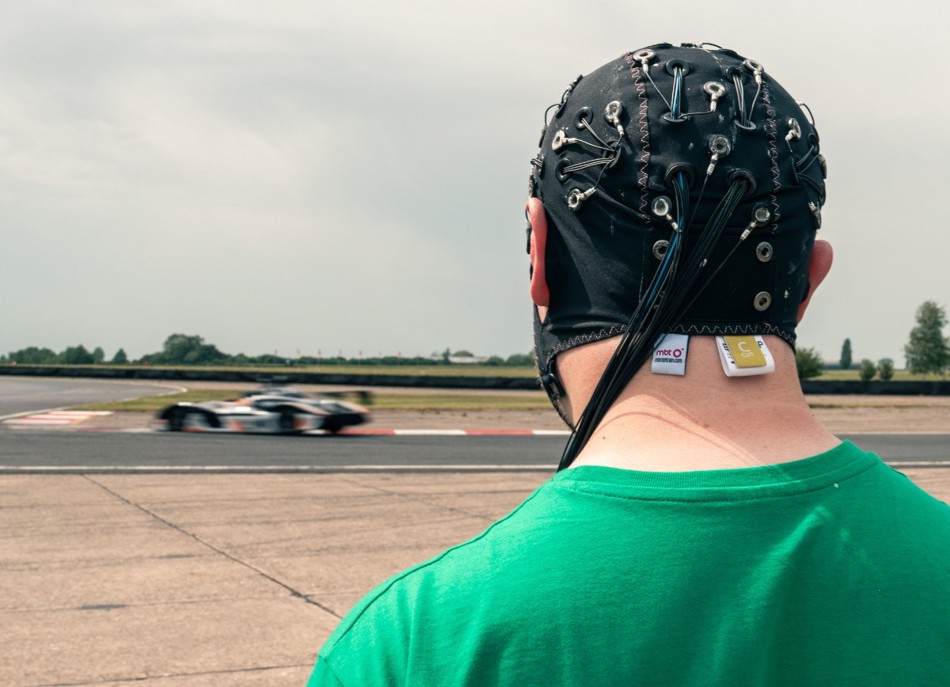
- JPLM drive (on a closed race circuit): non-competitive driving in an open race car under controlled conditions.
- JPLM passenger experience (on a closed race circuit): as above, but a professional driver was in control at all times, pushing the vehicle to the limit.
Thrill peaks when drivers enter a ‘flow state’
The test process that stood out as the most thrilling was when the subjects drove the McLaren Artura GT4 race car.
This showed the highest level of brain and body arousal, coupled with the strongest signs of cognitive immersion and physical control. It also saw the test subjects demonstrate the signatures of a "flow state", where they were operating at the edge of their performance.
Brain activity associated with deep focus was at its highest, the body’s alertness and engagement were elevated, and eye movements showed intense concentration.
The Artura drivers kept their eyes on the ideal racing line for longer when cornering (an average of 70 "apex-lock" fixations per minute) and they blinked very infrequently (2.5 times per minute – remarkably low compared to 15-20 times in a resting state).
All of this points to them having a sense of being fully in control and immersed in the driving experience.
During an enjoyable "thrill", the front of the brain – the area responsible for attention and decision-making – shows more theta brain waves, which are linked to deep focus, while maintaining healthy alpha activity associated with calm alertness.
This positive pattern was found most strongly the test sessions in the McLaren Artura GT4 and single-seat karts, with high frontal-midline theta (4–8 Hz) and moderate alpha (8–12 Hz) in the EEG tests.
The fear state was most evident in the JPLM passenger ride test, where the study found more of the fast beta brain waves that are linked to stress and anxiety, while the focus-related theta and calming alpha activity decreased. This reflects a brain that is becoming overwhelmed rather than fully engaged, with high beta and a marked drop in alpha and theta – the signatures of cognitive overload.
While thrill is evident in a smooth, anticipatory gaze, with fear the eye-tracking equipment identified erratic and reactive eye movement. For example, in contrast to when the subjects were driving the McLaren Artura GT4 (2.5 blinks and 70 eye fixations per minute), when they were being driven by the professional driver they blinked 40 times and there were 190 separate eye fixations when the car was cornering.
Elevated heart rate does not always mean driving thrill
The average heart rate differed markedly across the different driving tests, peaking at an additional 43.8 beats per minute when driving the McLaren, versus an additional 16 beats per minute during the off-road driving session.
However, thrill isn’t just about an elevated heart rate; this is apparent with fear also. Instead, driving thrill is evidenced by low but changeable heart rate variability (HRV), whereas fear pushes HRV to very low levels.
The study underscores how intensity is not the same as enjoyment; the brain data that was generated helping to separate intensity (neurophysiological arousal) from emotional direction (a positive or negative response to the situation).
The Castrol study also underscored the importance of focus and control versus outright speed in creating the thrill of driving.
Of all the different driving scenarios, the participants’ thrill peaked when they drove the McLaren race car on the circuit. However, when they were being driven at similar speeds in the JPLM race car on track, the thrill rating was lowest in the ranking of different tests, below both the karting session which was completed at relatively slow speeds, and the off-road driving session where speeds averaged just 8km/h.
While the high-speed passenger ride showed elevated markers in terms of neurophysiological response, the data read as anxiety, not thrill.