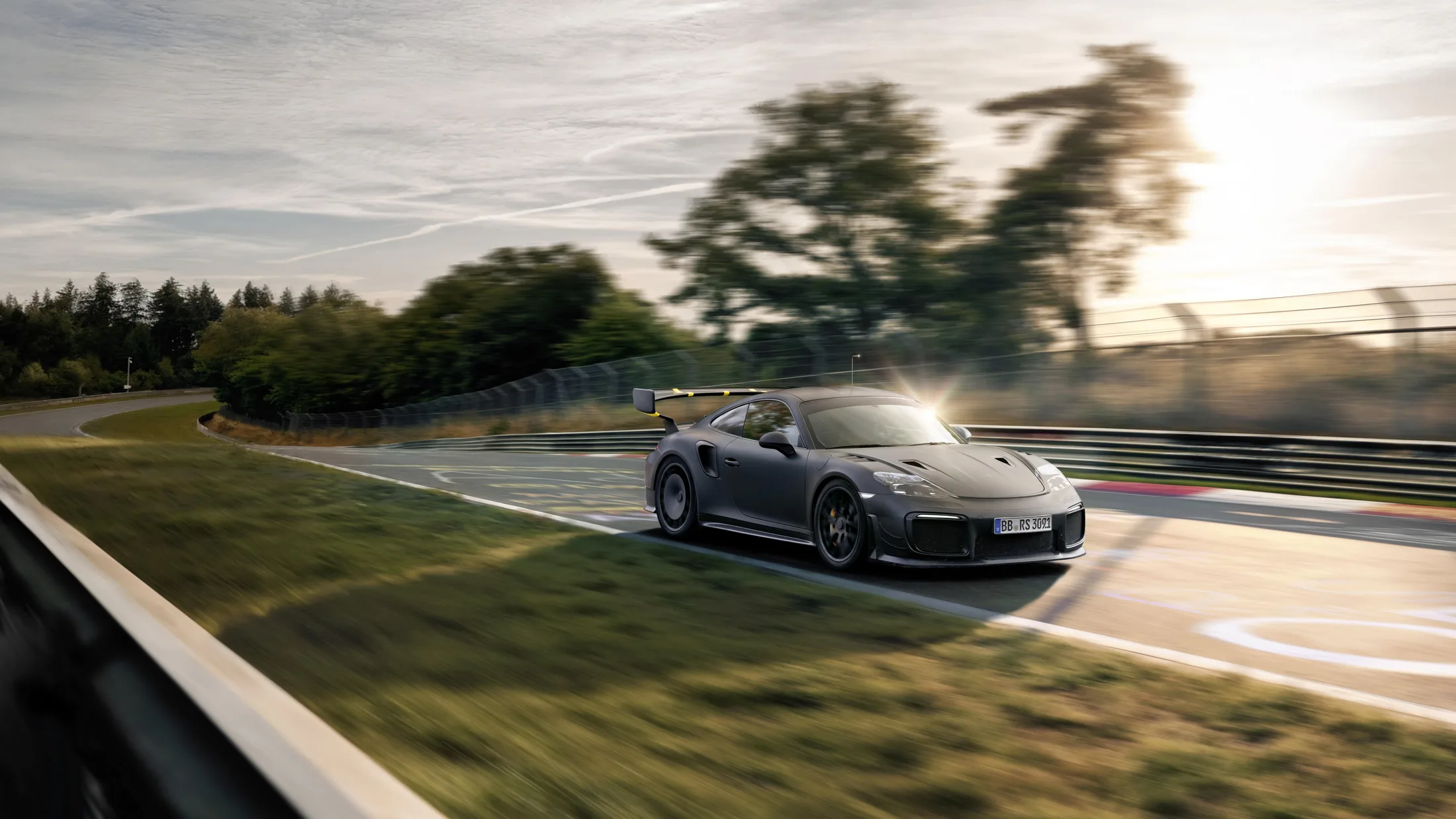



- Porsche has created a road-legal 991.2-generation GT2 RS Flachbau as a single commission.
- Bespoke bodywork helped cut 31.6kg while the original GT2 RS drive system is unchanged.
- It reaches 340km/h and produces 554kg of rear downforce in its high-downforce setting.
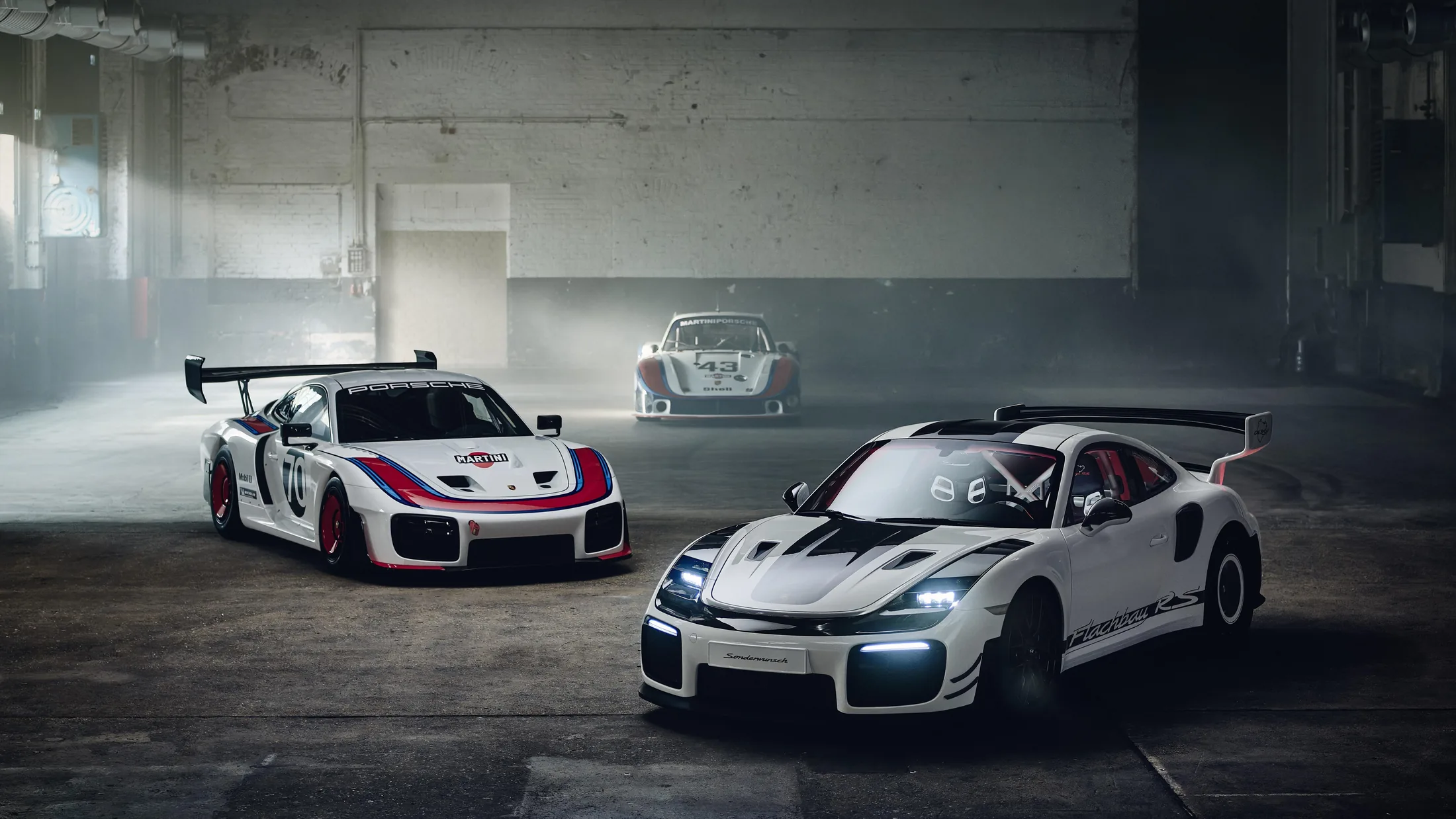
Porsche has turned one of its most formidable modern 911s into a road-legal tribute to the 935/78 “Moby Dick” racer.
The Grand Prix White one-off is based on the 991.2-generation 911 GT2 RS and was created through Porsche’s Sonderwunsch programme in collaboration with Manthey.
A road-going Moby Dick tribute
The result revives the Flachbau idea with far more than a nostalgic paint scheme. Porsche developed new bodywork, headlights and a substantial rear wing for the car, reshaping the GT2 RS around the low-nosed look associated with its famous racing inspiration.
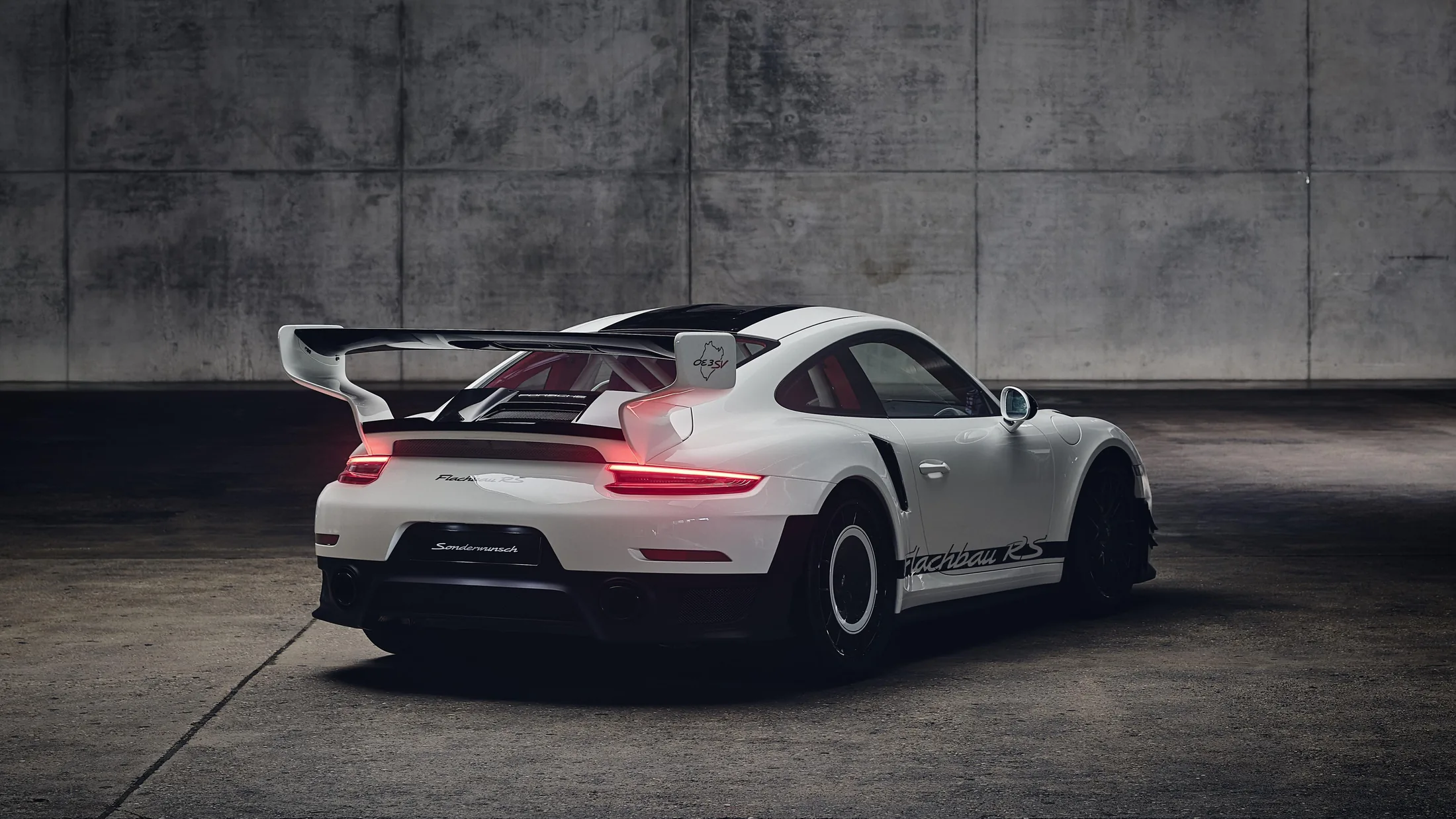
Its white finish lets those altered surfaces do much of the visual work, while the sweeping rear treatment and motorsport-scale wing make the connection to the 935/78 especially clear. Crucially, this is not a static design exercise: Porsche confirms the completed car is legal for road use.
Three years spent on one car
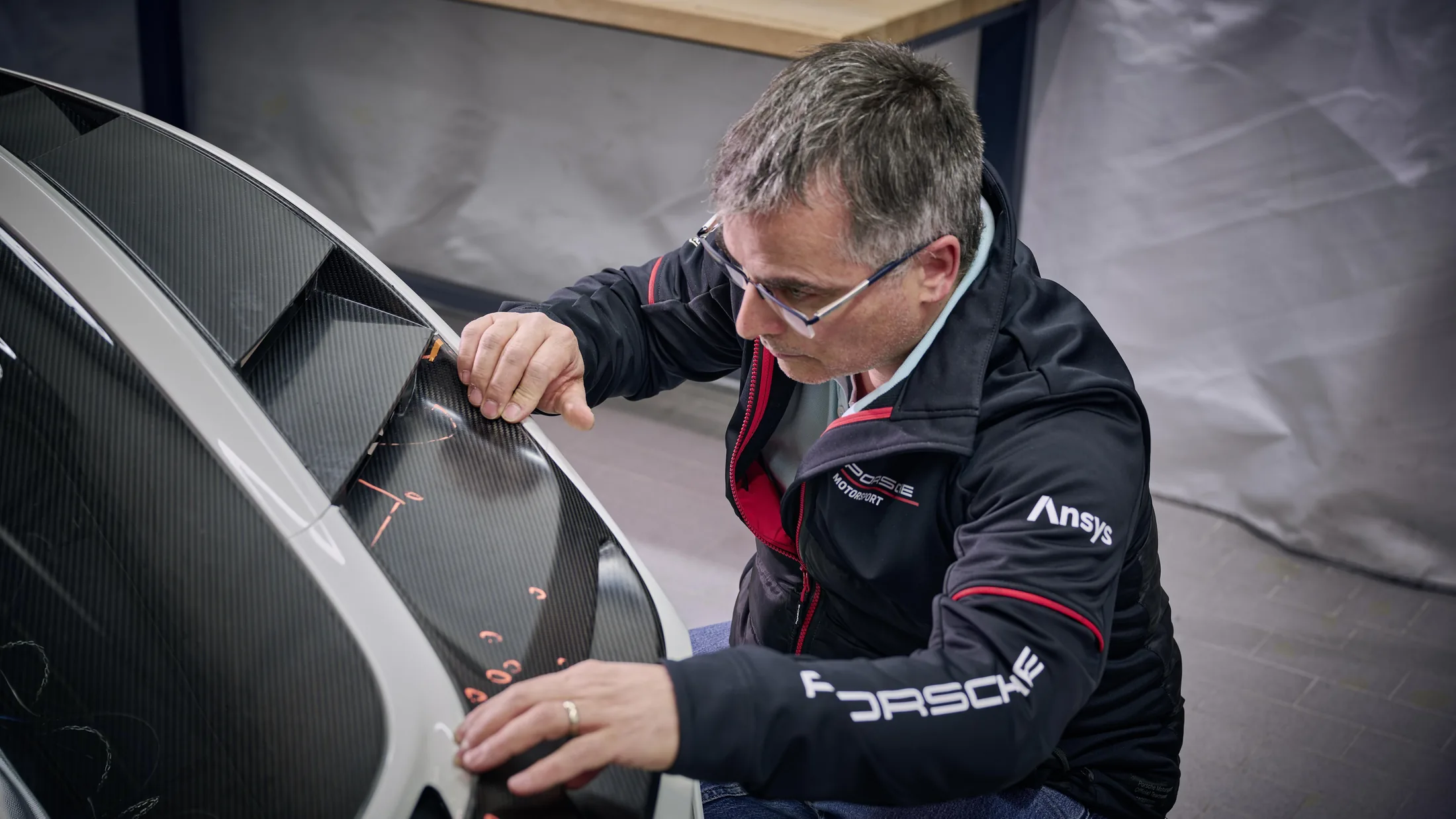
The project took nearly three years to complete, reflecting the depth of development behind the unique exterior. Porsche says the finished Flachbau is 31.6kg lighter than its starting point, despite its extensively reworked shape.
Its GT2 RS drive system remains unchanged, but the new aerodynamic package gives the one-off figures worthy of its appearance. Porsche quotes a top speed of 340km/h, while the rear axle generates 554kg of downforce when the car is configured in its high-downforce setting.
Those numbers make the Flachbau more than a styling-led throwback. It retains the performance character of the donor GT2 RS while adding bodywork developed specifically for this single car.
Porsche has not announced plans for a production version. For now, the Flachbau stands as a demonstration of how extensively Sonderwunsch and Manthey can transform an existing road car without changing its underlying drive system — and how effectively a 1970s endurance-racing silhouette can be translated onto a modern 911.