



- New Zealand on priority list for all-new Pajero.
- Throughly redeveloped Triton powertrain and platform.
- Model is ramping up to be a true luxury 4x4.
The first properly new Mitsubishi Pajero in over a decade (the last Pajero Sport was launched in 2015) could be in New Zealand driveways for Christmas.
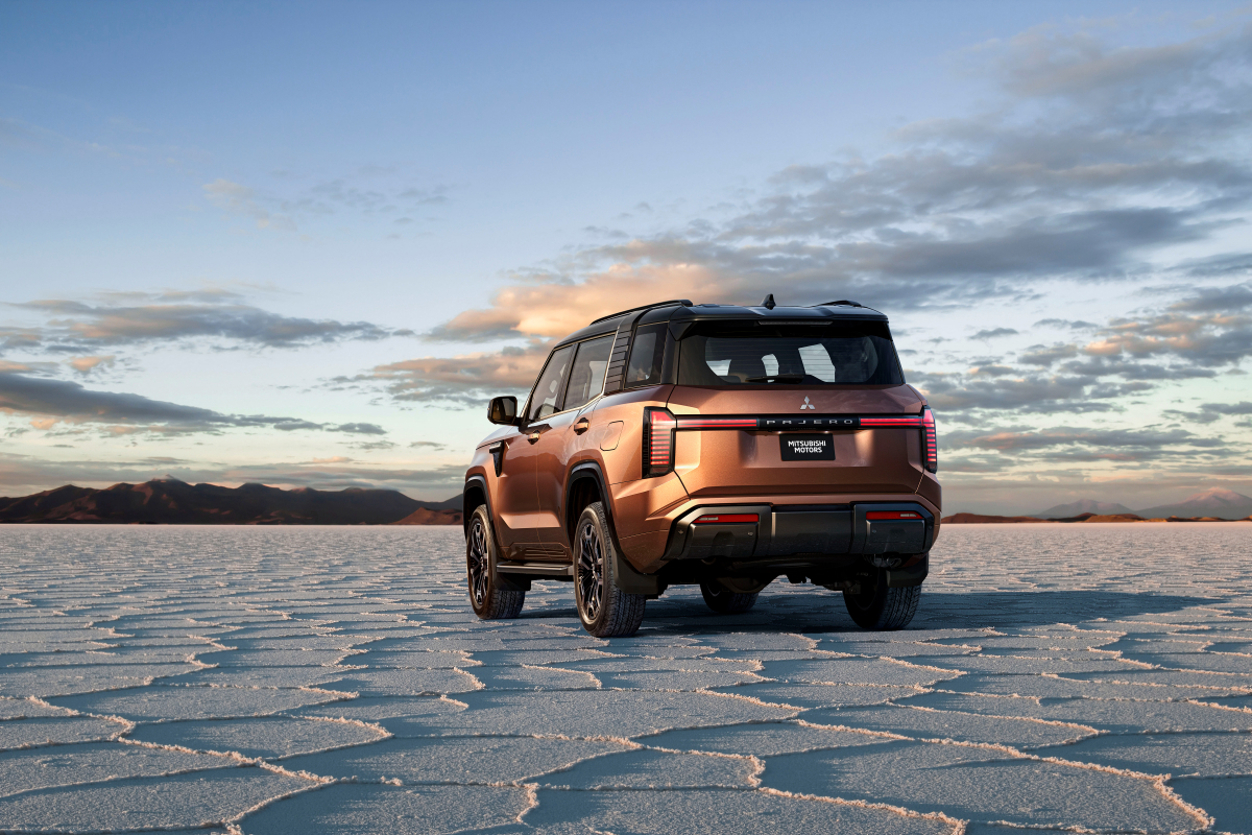
Just unveiled in final production form, the new Thai-built Pajero replaces both the Pajero Sport (still on sales in NZ) and full-size Pajero, which hasn't been produced since 2021.
The all-new model will go on sale in its home market of Thailand first, but Japan and Australasia are also on the priority list for 2026. From there, it be be launched in 100 countries worldwide.
The powertrain and platform are both Triton-based, but developed significantly to the point where Pajero is regarded as a completely standalone product.
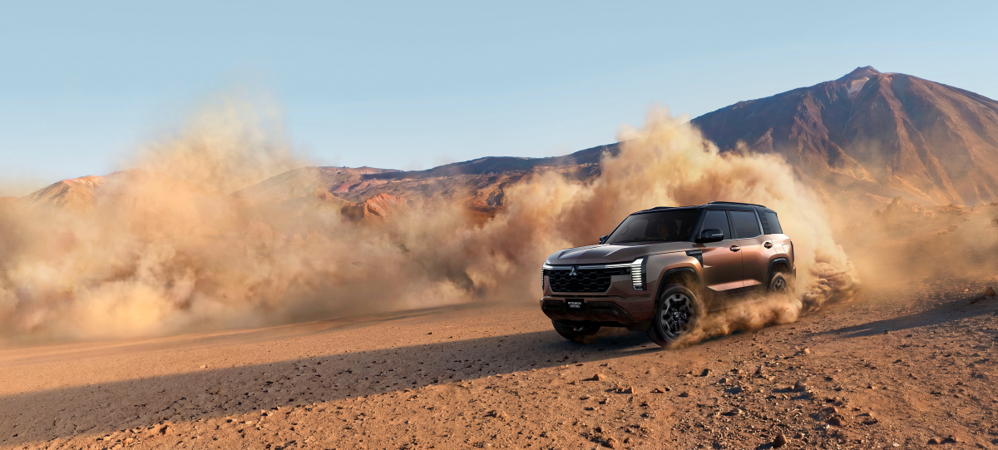
The 2.4-litre diesel has been "specially developed" for Pajero, says Mitsubishi, with peak torque of 480Nm (10Nm more than Triton) and matched to a new 8-speed automatic transmisison - the same ratio count as the previous Pajero Sport, but still two more than the current Triton.
The AWD system features Mitsubishi's familiar SS4-II (Super Select) technology, but also gains S-AWC, which controls not only fore-aft torque but also side-to-side. Seven selectable drive modes are available: Normal, Eco, Gravel, Snow, Mud, Sand, and Rock.
Mitsubishi says the Triton-derived ladder frame features "expanded use of high-tensile steel" and an increased frame cross-sectional area, intended to improve torsional and bending rigidity.
The suspension features an independent double-wishbone front setup and a new five-link rigid rear axle. The company says "off-road comfort" was a key development benchmark, with the aim of balancing off-road performance and on-road refinement.
The front design is reportedly inspired by kendo, a traditional Japanese martial art that emphasises discipline and composure. Two distinctive grille designs are available: a horizontal bar or honeycomb.
Despite the radically different look, signature Pajero design elements appear, including the C-pillar inspired by the roll bar of the first-generation model and a hexagonal rear motif that reinterprets the rear-mounted spare tire of earlier generations.
The model measures 4920mm long (slightly shorter than a Toyota Land Cruiser Prado). Ground clearance is 230mm, with an approach angle of 30.4 degrees, a ramp breakover angle of 22.6deg and a departure angle of 25.8deg.
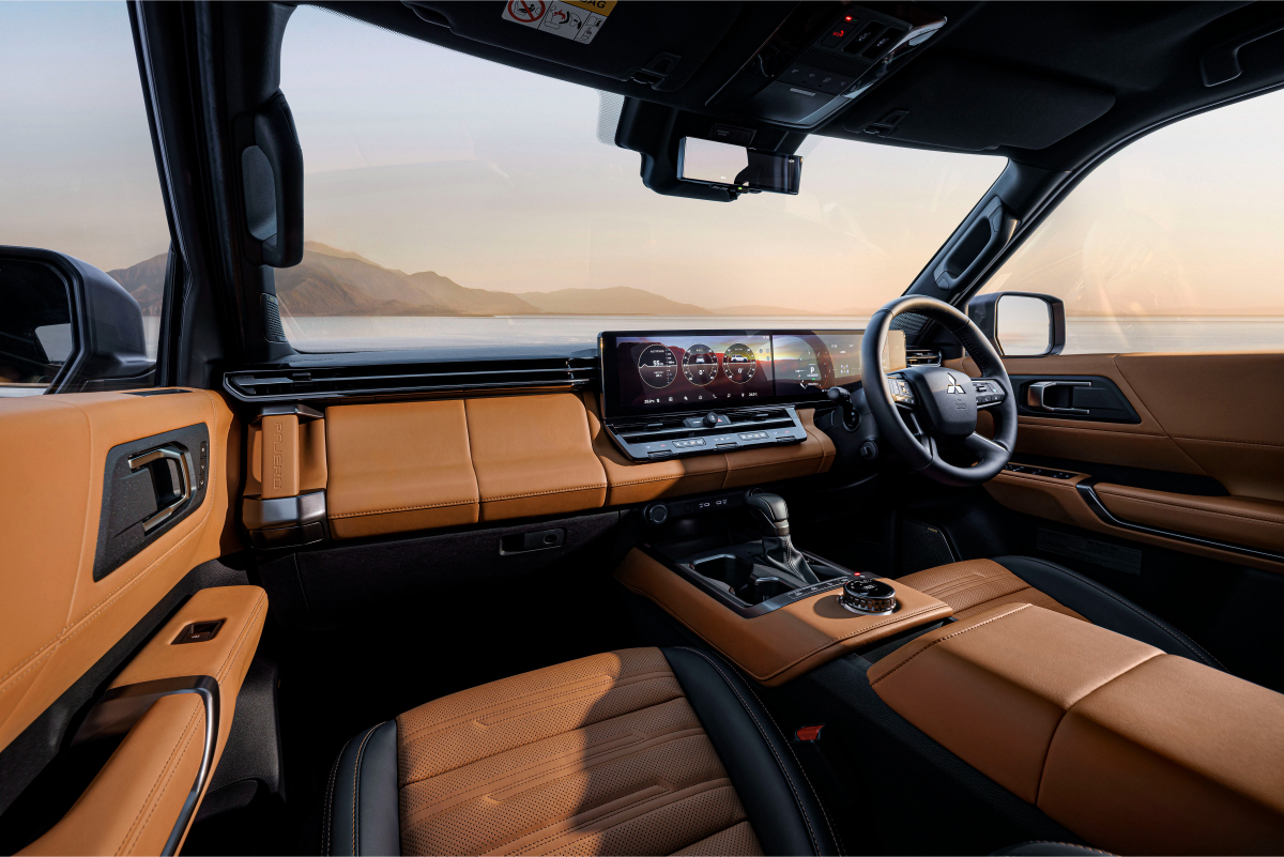
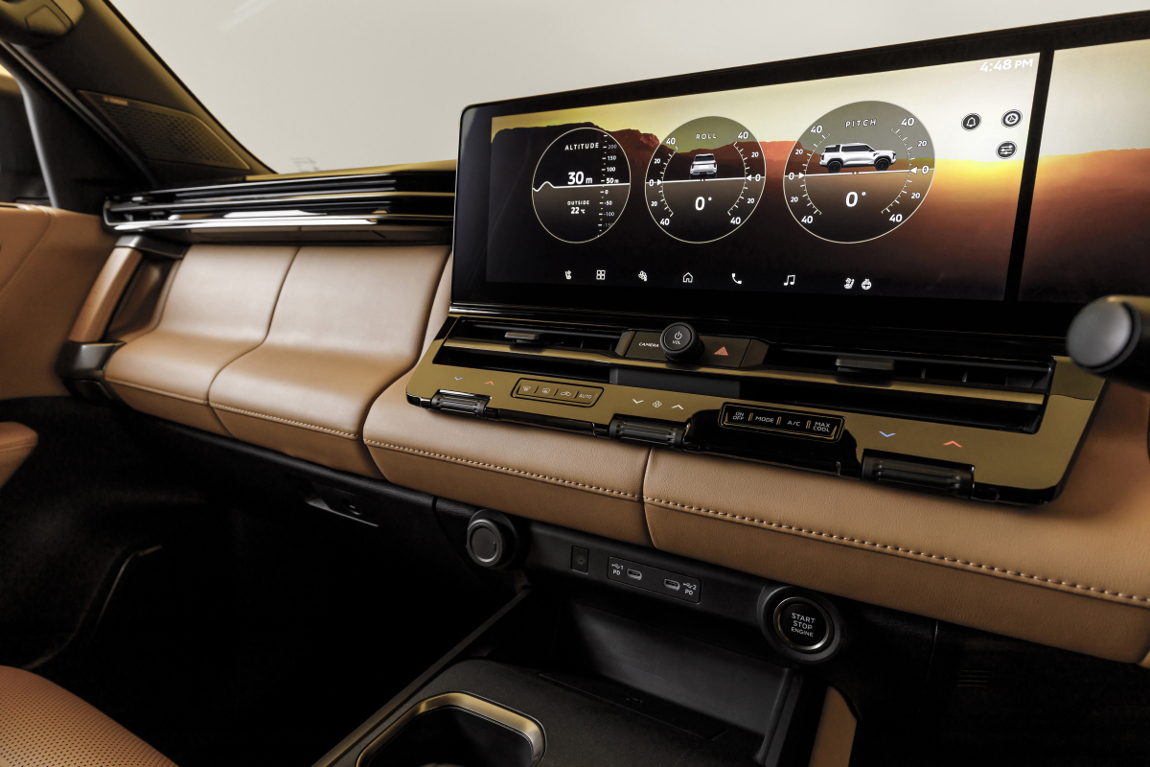
Inside, Mitsubishi says the horizontally oriented instrument panel is inspired from the first-generation Pajero. The display integrates two 14.3-inch screens with heritage-look graphics, including a Multi Meter Display that reinterprets the signature Pajero triple-meter cluster.
The Dynamic Sound Yamaha Ultimate audio system features 12 speakers and dual amplifiers. It also incorporates noise compensation technology that automatically adjusts volume and audio tuning based on vehicle speed to help offset road noise.
Pajero remains a 3-row, 7-seat SUV. The 2nd row features 150mm sliding range and a tumble mechanism. The 3rd row has a special footwell that allows passengers to place their toes beneath the second-row seats.
The Pajero is equipped with eight airbags, including Mitsubishi Motors' first SRS centre airbag.
Active safety features include Emergency Lane Assist (ELA), a Mitsubishi first, which uses a forward-facing camera and radar to recognise lane markings and surrounding vehicles. The model is also equipped with Front Cross Traffic Alert (FCTA), which detects vehicles approaching from either side at intersections and alerts the driver, helping reduce the risk of crossing-path collisions.


