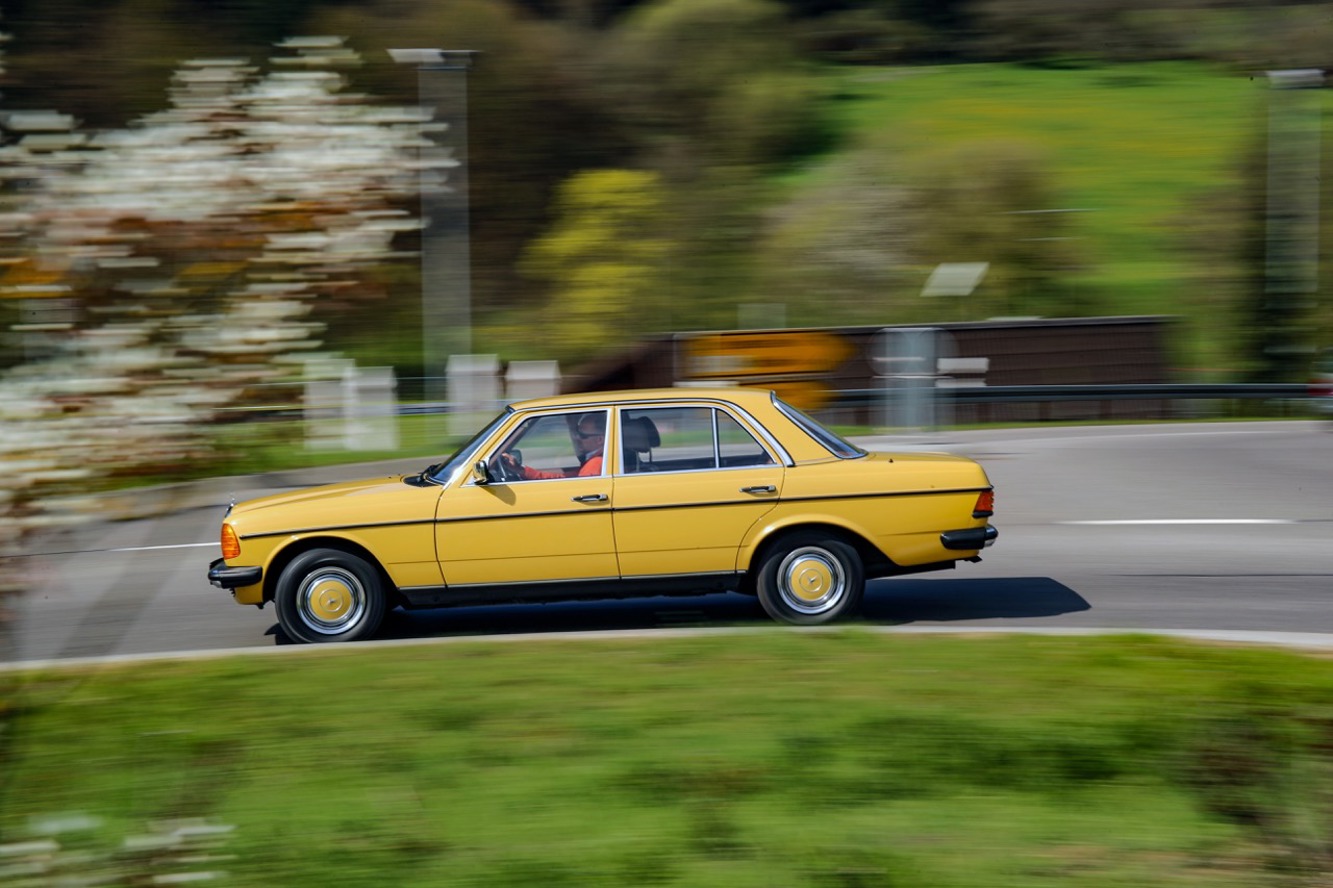


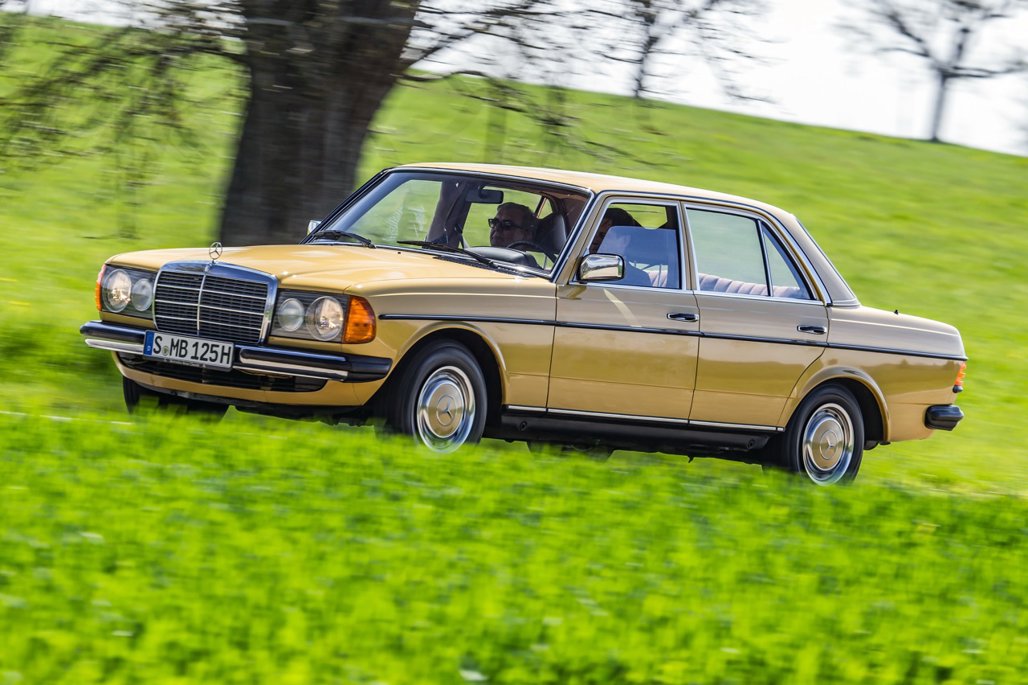
- The Mercedes-Benz W123 was introduced in 1976 and produced until 1986.
- Nearly 2.7 million W123s were built, making it Mercedes' most successful series at the time.
- The W123 range included saloon, coupe and estate variants, with a strong safety focus.
Some cars arrive quietly, do their job faithfully, then refuse to leave the collective memory. The Mercedes-Benz W123 is one of them.
First shown to the press in January 1976 and officially launched soon after, the W123 is now celebrating its 50th anniversary, and it remains one of the most important cars Mercedes-Benz has ever built.
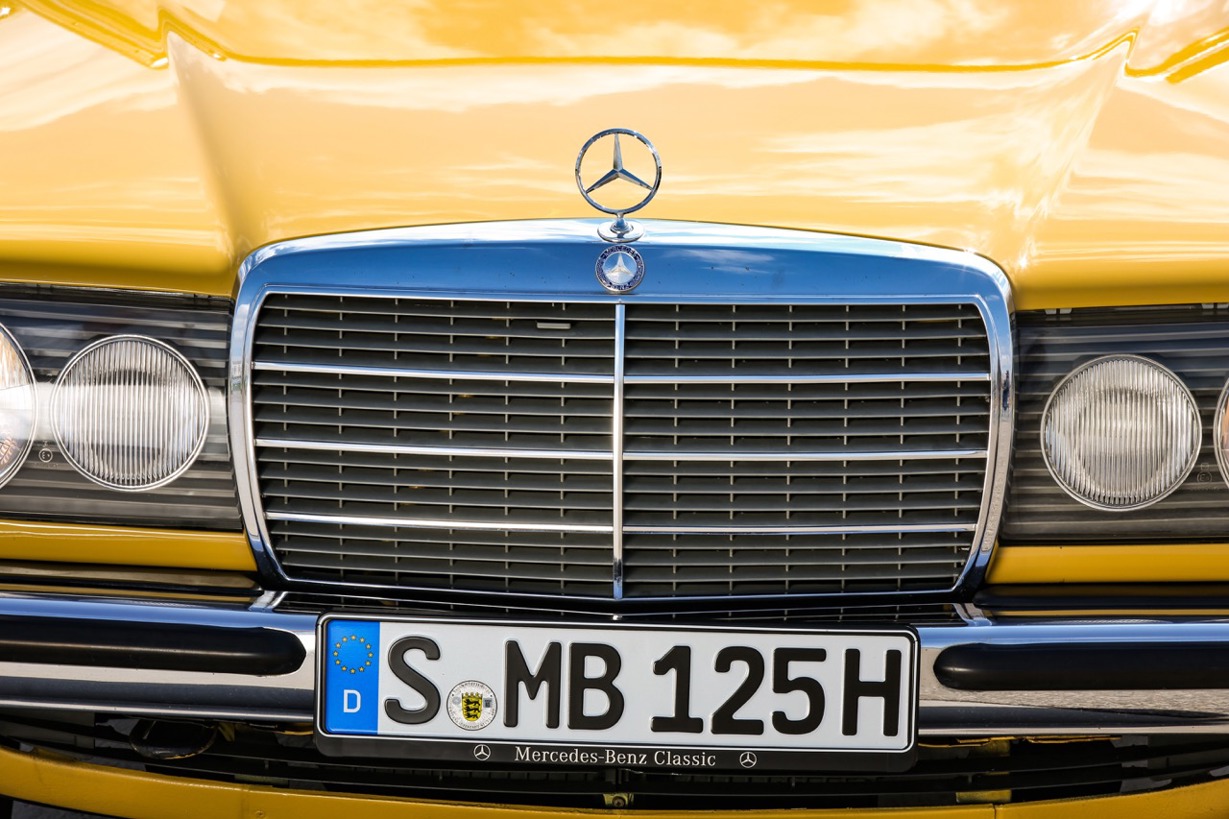
From the outset, demand told the story. Before sales had properly begun, the entire first year of production was already spoken for. Journalists praised its calm, functional design and its focus on safety, durability and engineering depth rather than fashion.
Half a century on, those same qualities explain why so many are still running, and why values keep firming.
Safety before it was fashionable
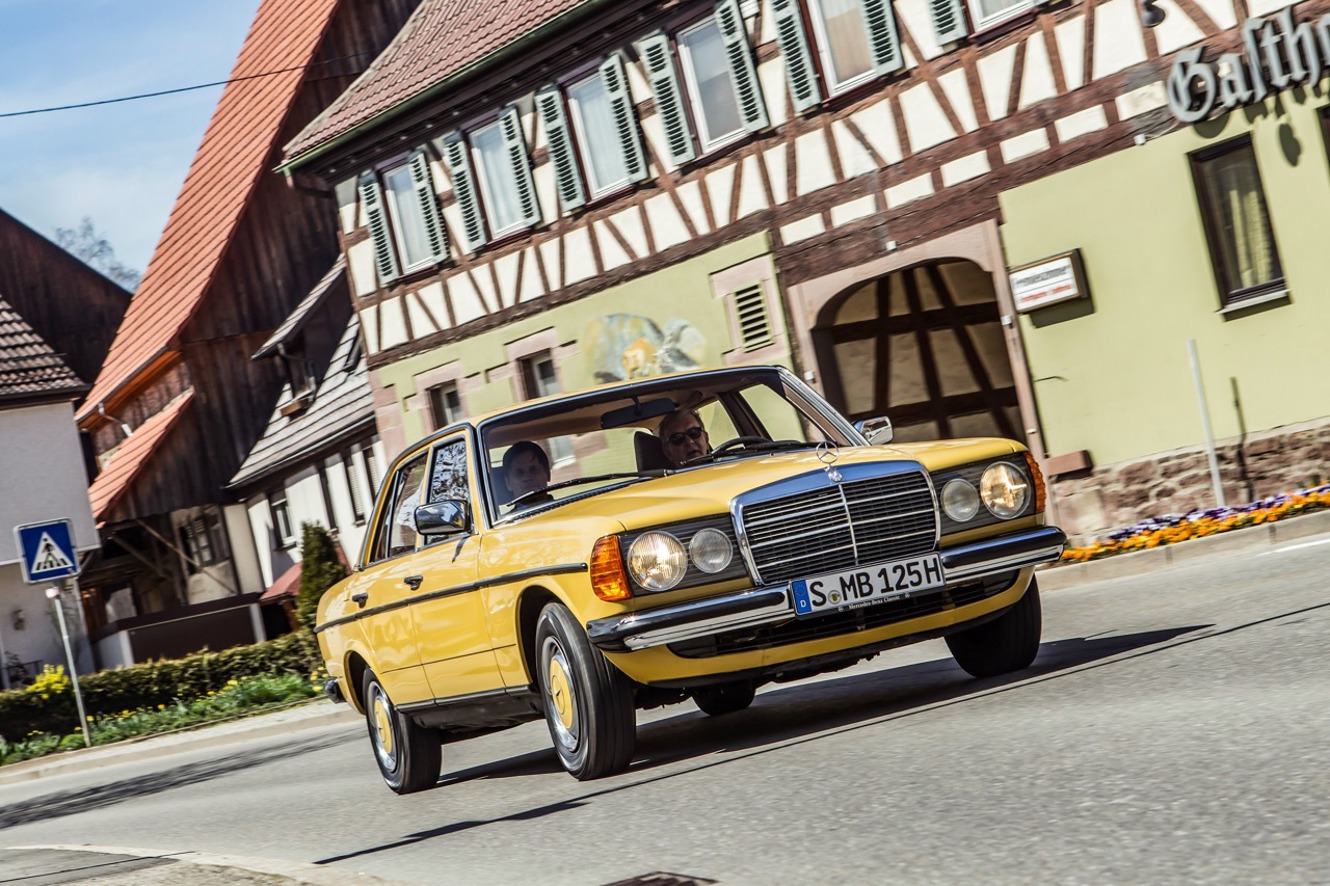
The W123 arrived as the successor to today’s E-Class lineage and borrowed heavily from the contemporary S-Class in philosophy and execution. Mercedes-Benz engineered it around a “maximum safety” brief, combining a new safety steering column, seat-mounted belt buckles and a refined suspension setup designed for stability rather than sparkle.
Progress continued throughout its life. ABS became available from 1980, followed by a driver airbag from 1982, features that were far from common at the time, especially in the upper-mid-size segment. These updates helped cement the W123’s reputation as a car that quietly looked after its occupants.
One platform, many personalities
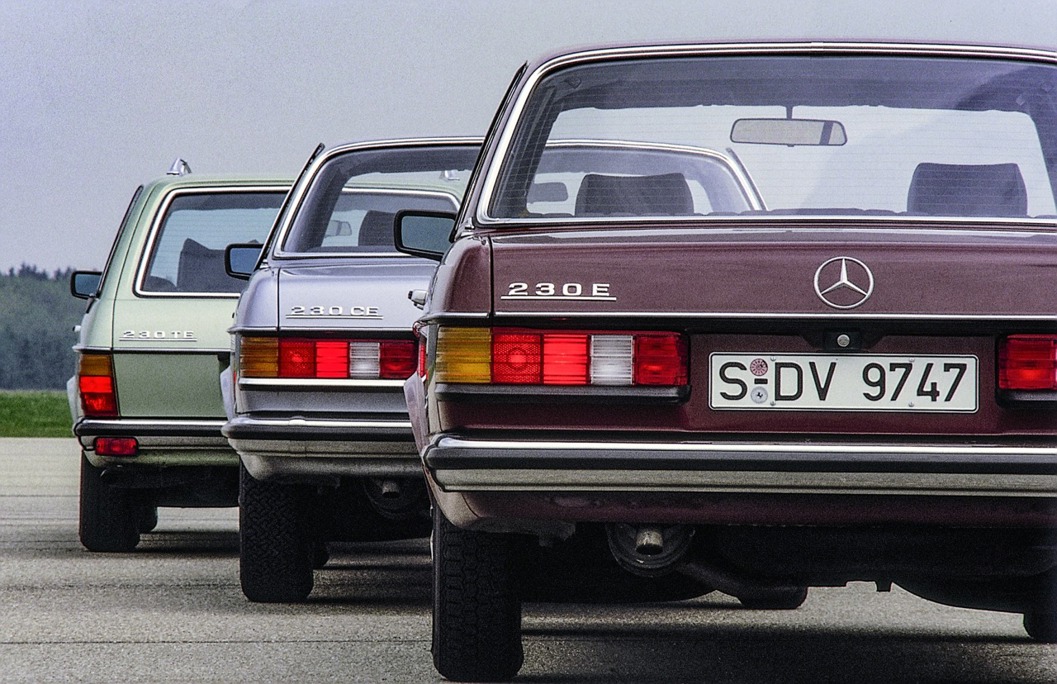
Mercedes-Benz offered the W123 in a dizzying array of forms. Alongside the familiar saloon came the C123 coupé, the S123 T-Model estate, effectively defining the premium wagon, and long-wheelbase and chassis variants for specialist uses.
Production ran until 1986, with almost 2.7 million vehicles built, making it the brand’s most successful model series at the time.
The most common version was the 240 D saloon, prized for longevity rather than pace, while the rarest was the 280 C coupé. Engine choices ranged from humble diesels to smooth six-cylinder petrols, all sharing the same underlying focus on longevity and mechanical sympathy.
From city streets to special stages
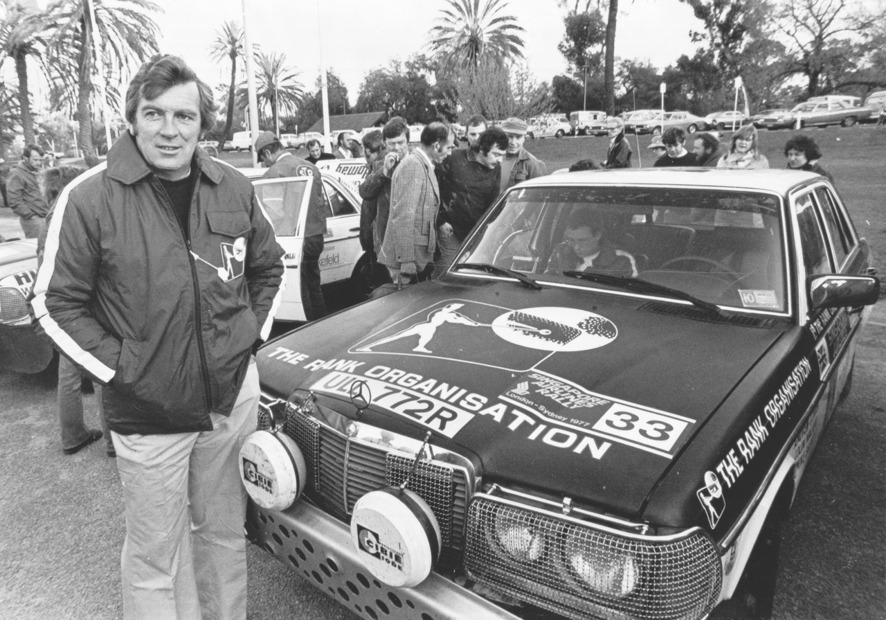
The W123’s toughness wasn’t limited to urban duty. In 1977, two 280 E models won the gruelling London–Sydney Marathon, covering roughly 30,000km across multiple continents. It was a victory that proved the car’s durability under extreme conditions, and one that still surprises those who remember the W123 mainly as a taxi.
Today, Mercedes-Benz Classic supports the W123 with newly reproduced original parts, ensuring these cars remain usable rather than museum pieces. That support, combined with timeless design and honest engineering, explains why the W123 has transitioned from everyday workhorse to cherished classic, without ever losing its sense of purpose.