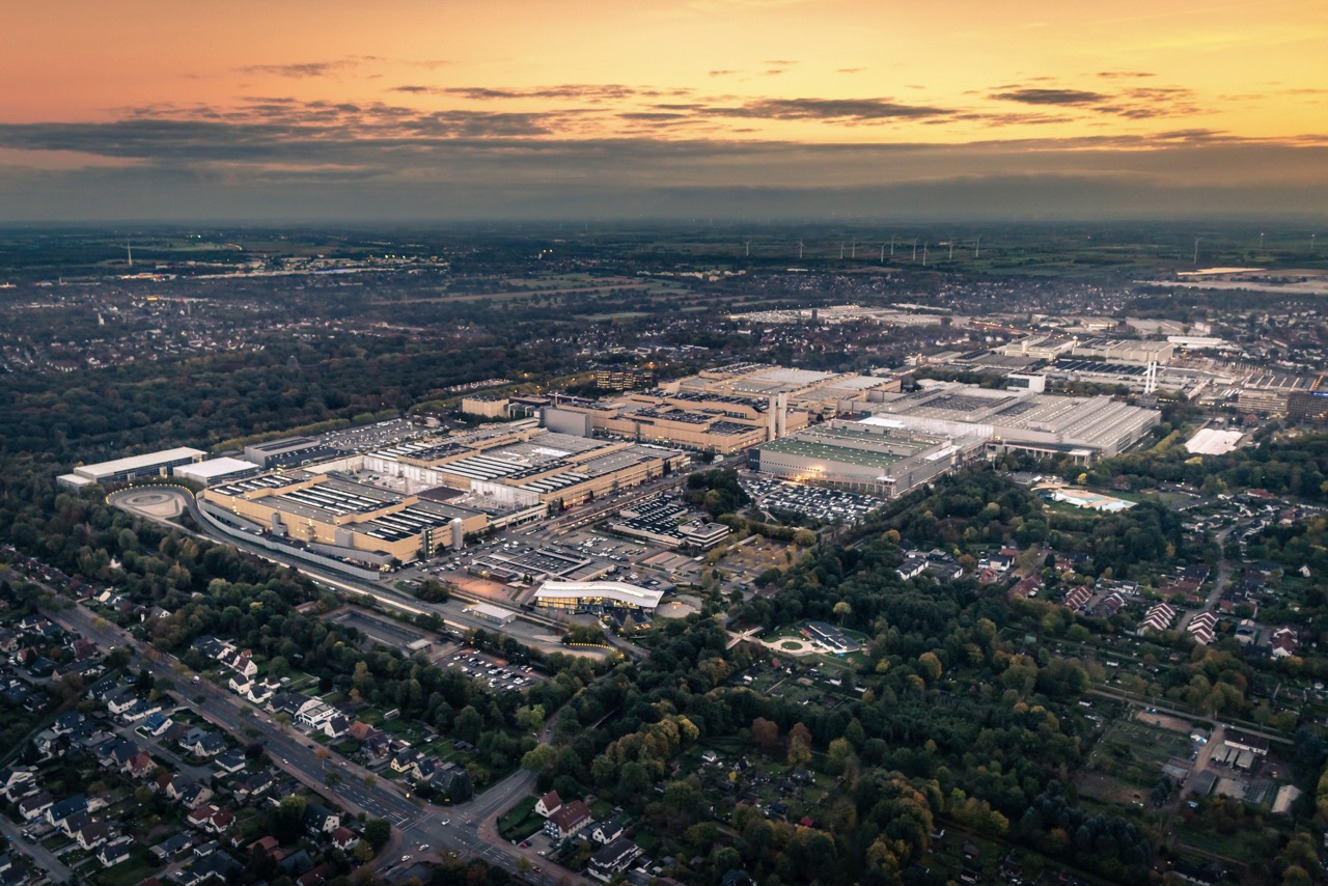



Mercedes-Benz is turning up the volume on the new electric GLC, with production now integrated into one of its most important German manufacturing sites.
The electric GLC has been built at Mercedes-Benz’s Bremen plant since 2026, sharing Hall 9 with the EQE and GLC models powered by combustion engines and hybrid drivetrains. For Mercedes, that flexible setup is the point: the new electric SUV is not being treated as a separate side project, but as part of the plant’s everyday production rhythm.
GLC joins the main line
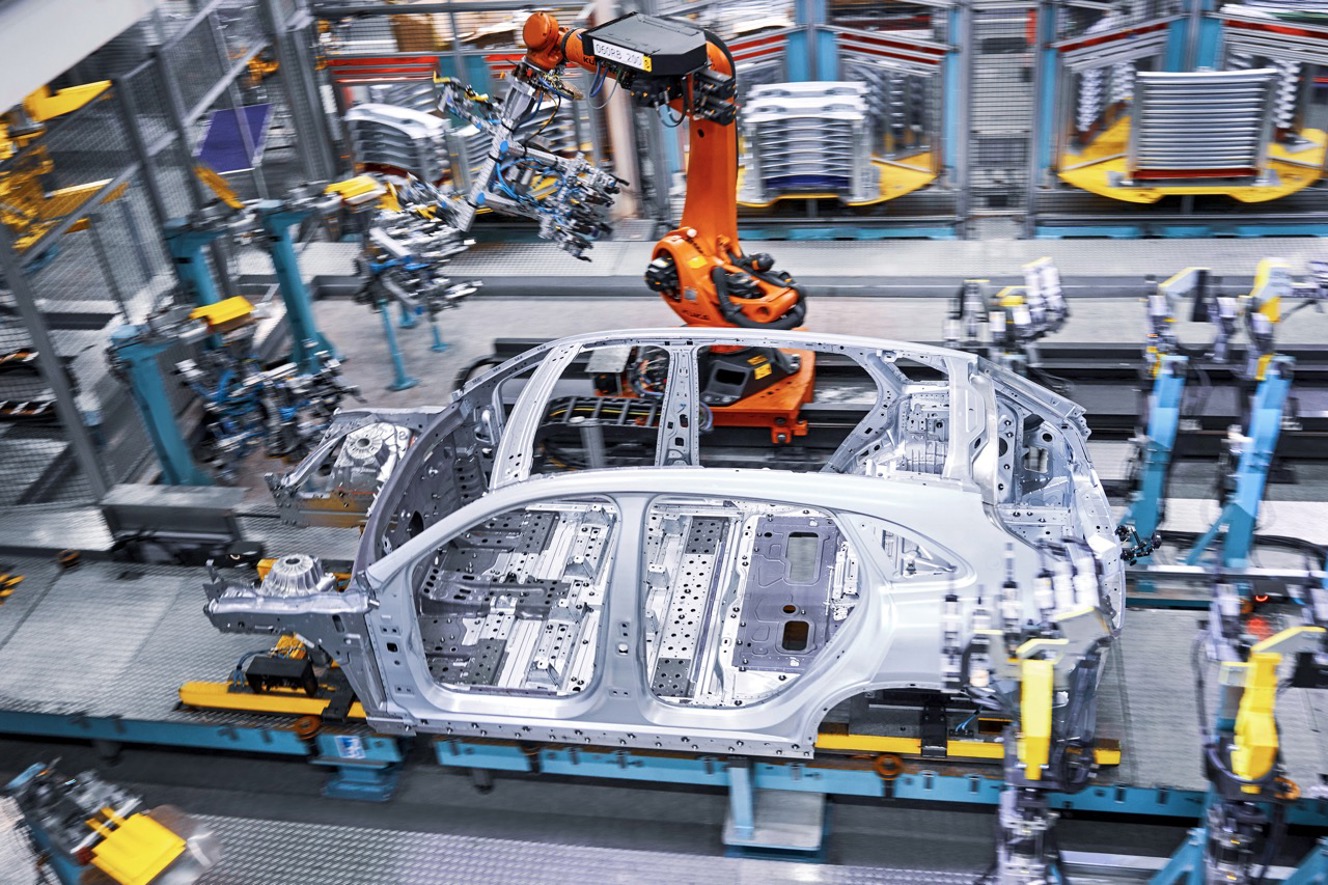
Bremen’s Hall 9 is the plant’s largest production hall and has operated on a three-shift basis for more than a decade. Adding the electric GLC to that environment gives Mercedes-Benz the ability to scale output alongside other high-volume models, without committing the factory to a single drivetrain path.
That is especially important for the GLC, a core SUV nameplate for the brand. By producing the electric GLC on the same line as combustion and hybrid versions, Mercedes can adjust the mix as customer demand moves between petrol, hybrid and fully electric models.
In short: same hall, same line, very different futures.
Bremen’s EV role grows
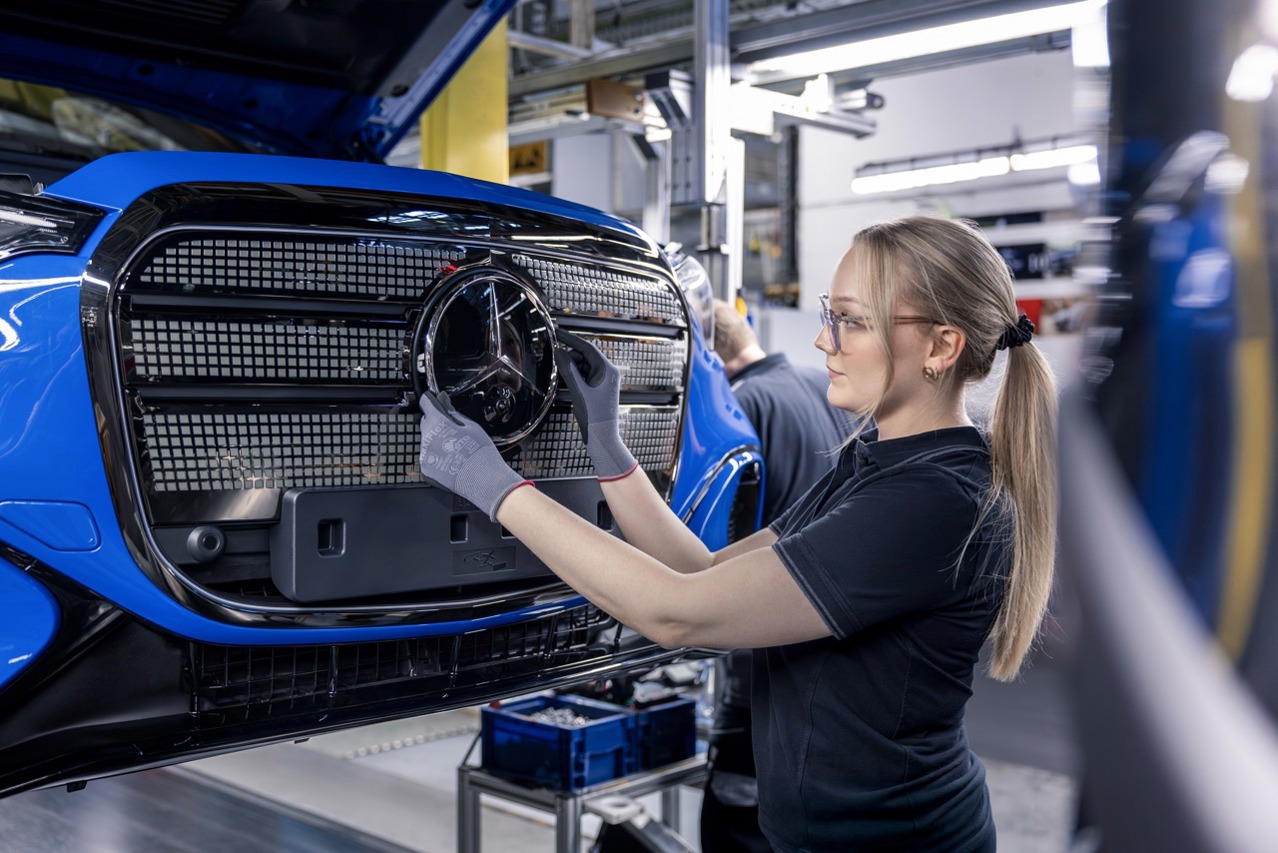
The move builds on Bremen’s existing electric vehicle credentials. In 2019, it became the first Mercedes-Benz plant to integrate an EV into series production with the EQC. The all-electric EQE business saloon followed in 2022, and the electric GLC now adds another key model to the site’s EV workload.
The plant currently builds 11 models, including the EQE, C-Class saloon and estate, CLE Coupé and Cabriolet, GLC SUV, GLC Coupé, Mercedes-AMG SL and GT models, and Mercedes-Maybach SL. Seven of those are produced exclusively in Bremen.
Bigger network, bigger bet
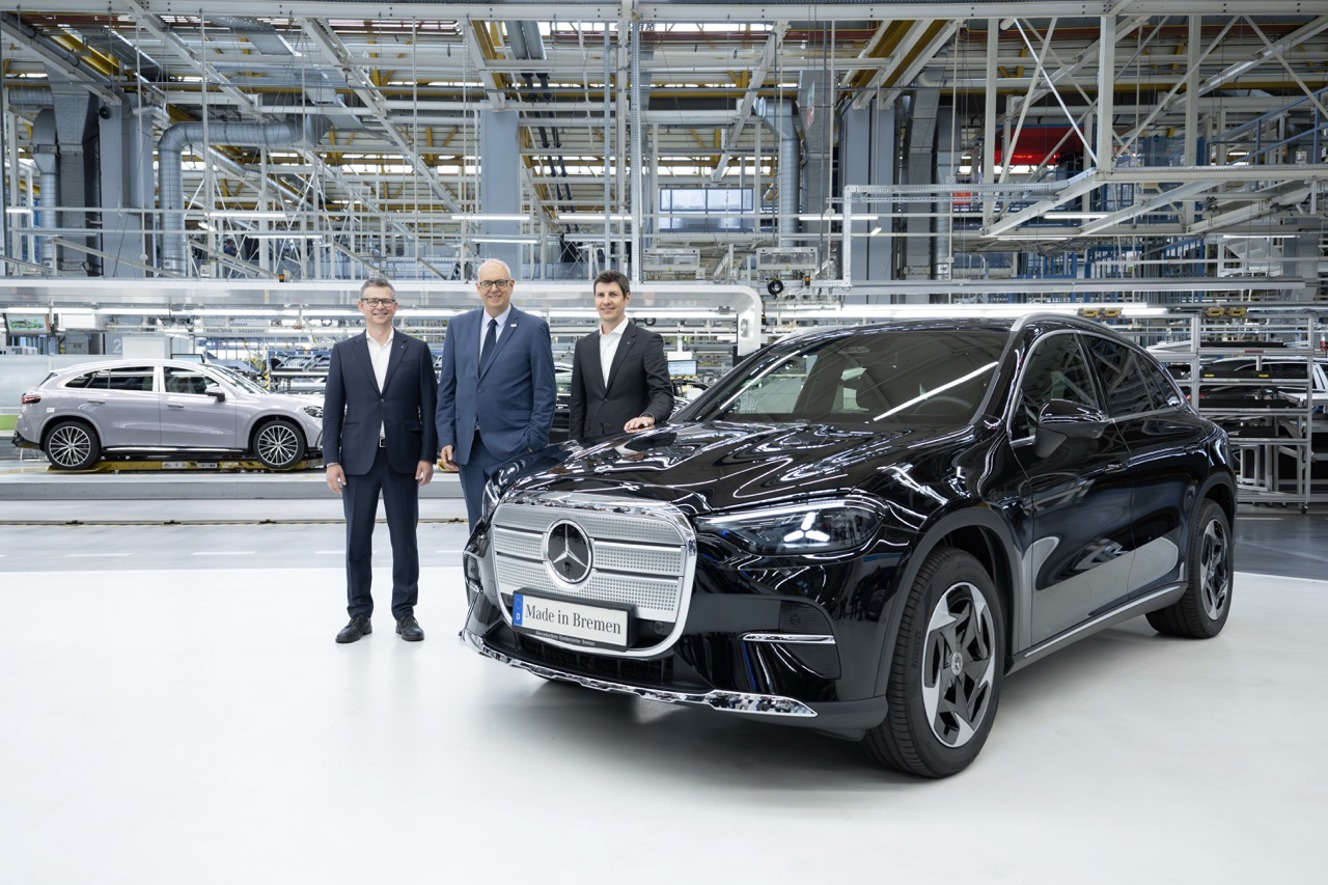
The electric GLC also leans on Mercedes-Benz’s wider production network. Powertrain components come from the Hamburg and Sebeș plants, while the new-generation batteries are supplied by ACCUMOTIVE in Kamenz.
That wider supply chain underlines how seriously Mercedes is treating the electric GLC ramp-up. It is not simply adding another badge to the line; it is wiring the SUV into a broader EV manufacturing system.
More than 10 million vehicles have been produced at Bremen since passenger-car production began there in 1978. With around 10,500 employees and a central role in Mercedes-Benz’s core segment, the plant is now helping carry one of the brand’s biggest-name SUVs into its electric era.