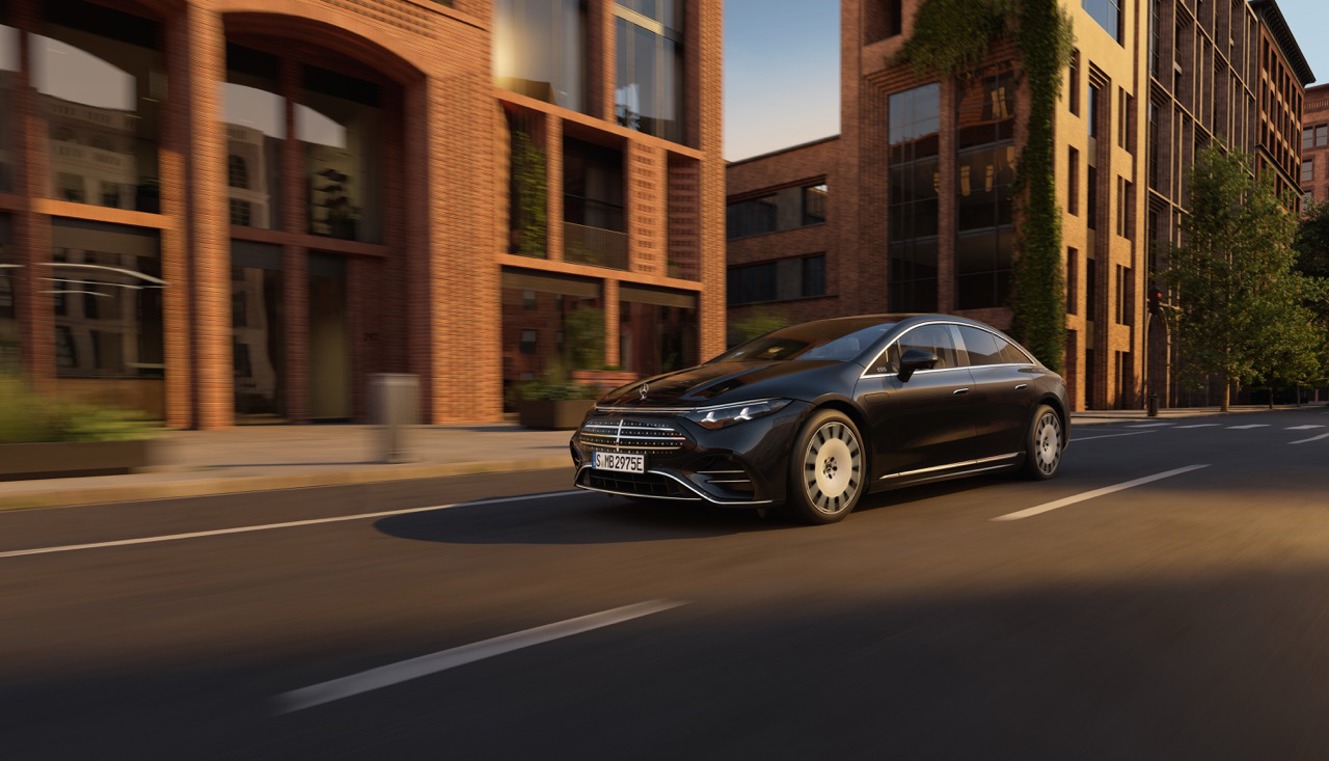


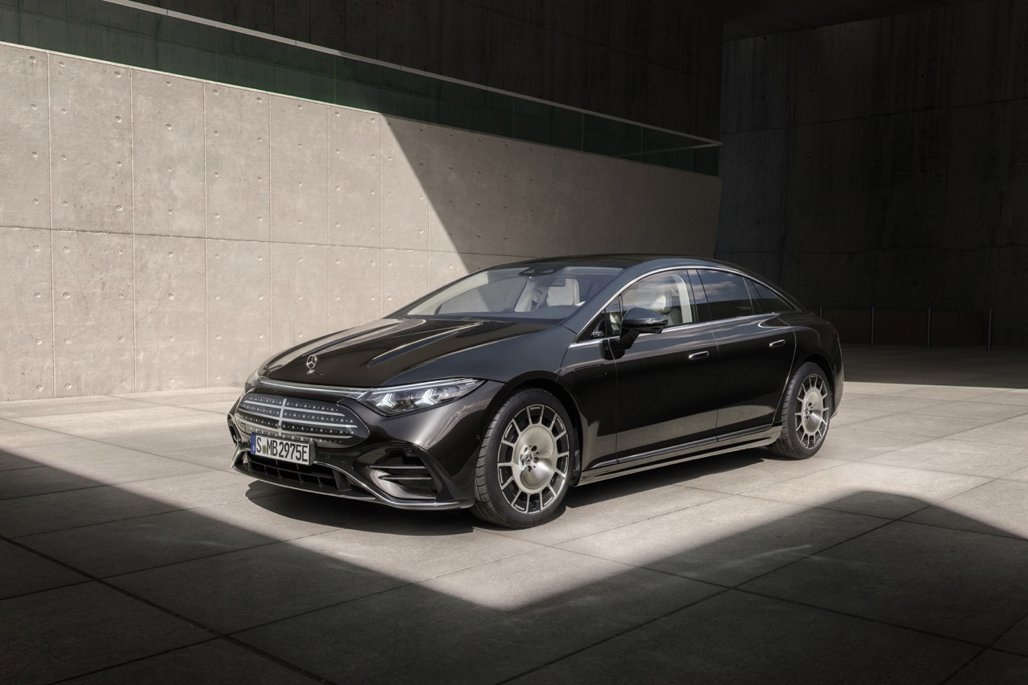

Mercedes-Benz has given its flagship EQS a much-need facelift, and the numbers alone suggest it’s a little more than a routine refresh.
The revised electric saloon now claims up to 926km of WLTP range, pushing it firmly into long-distance territory and marking a 13% improvement over its predecessor.
Charging keeps pace with that ambition. With up to 350kW DC capability, the EQS can add as much as 320km of range in just 10 minutes under ideal conditions.
Steering into the future
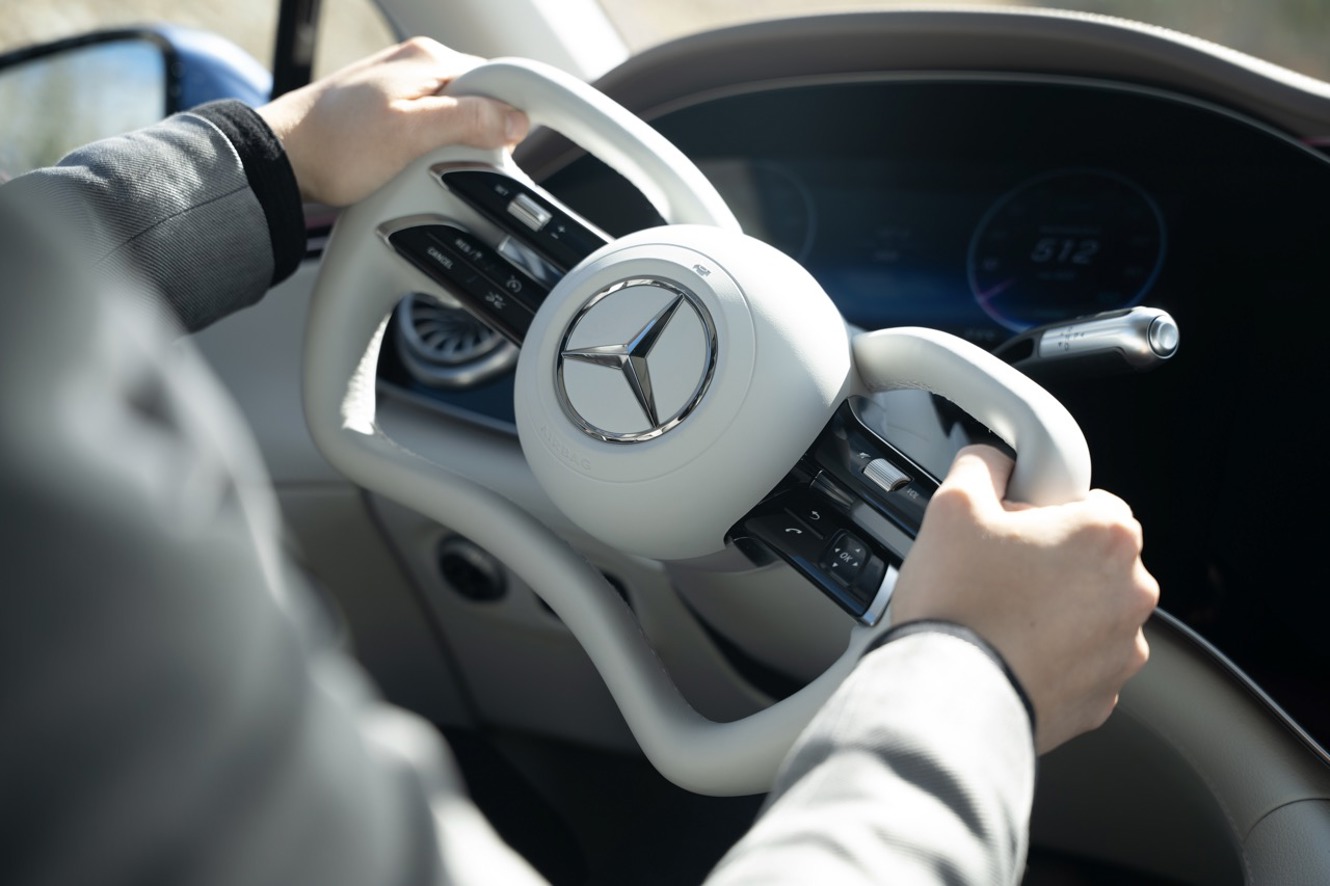
One of the headline changes isn’t about batteries at all. Mercedes-Benz is introducing steer-by-wire technology to a production model for the first time, removing the physical connection between steering wheel and front axle.
The system promises a different kind of driving feel with less vibration, easier low-speed manoeuvring and a more adaptable steering response depending on conditions. It also opens up new interior possibilities, including a flatter steering wheel and improved forward visibility.
New architecture, more efficiency
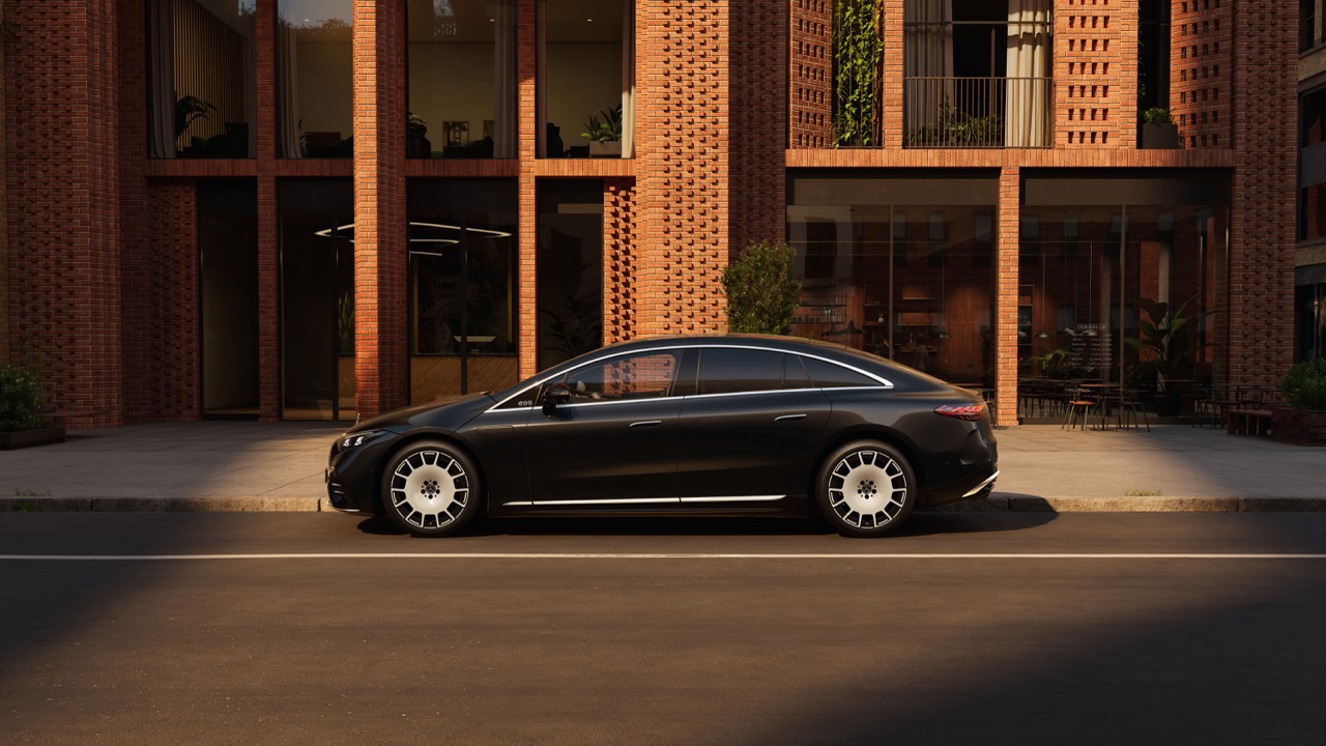
Underneath, the EQS moves to a next-generation electric platform built around 800V technology. Alongside new drive units and a two-speed gearbox at the rear axle, battery capacity has been increased to around 122kWh in key variants.
Efficiency gains don’t stop there. Recuperation has been boosted to as much as 385kW, allowing the car to recover more energy during braking and extend overall range.
A rolling supercomputer
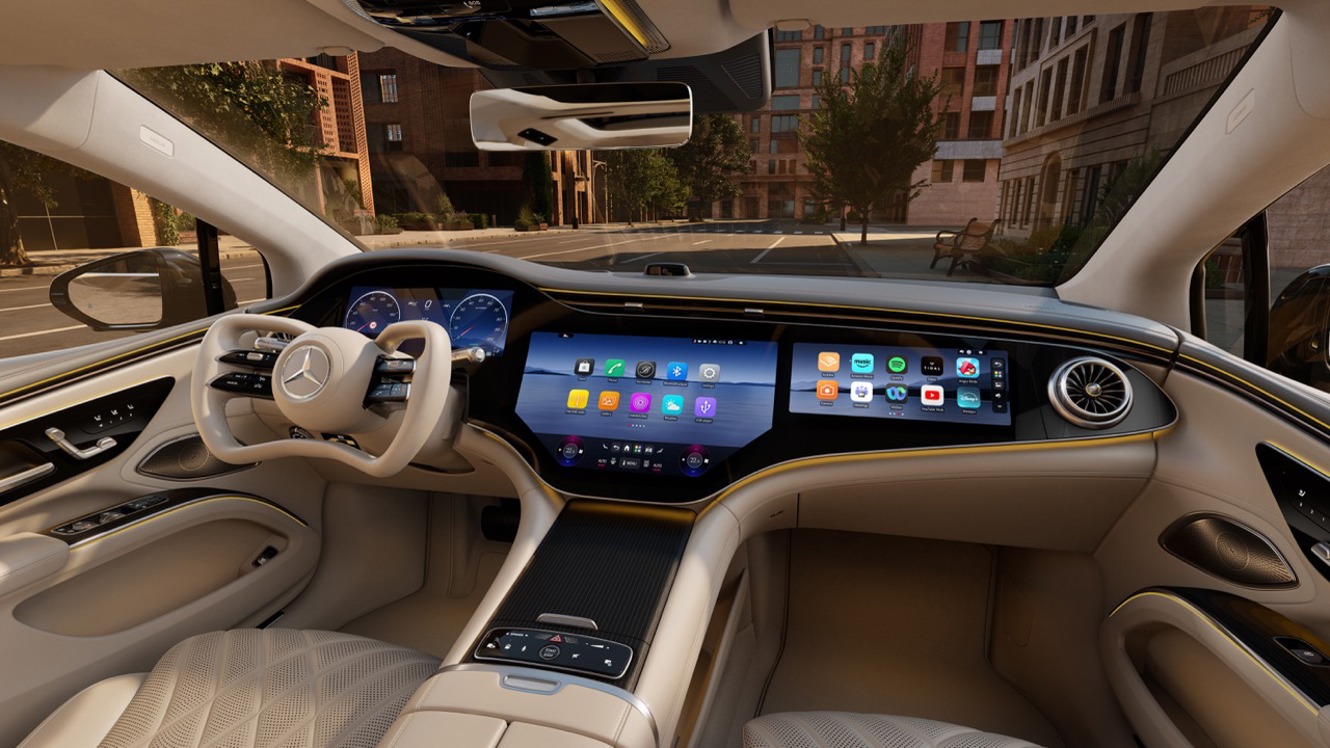
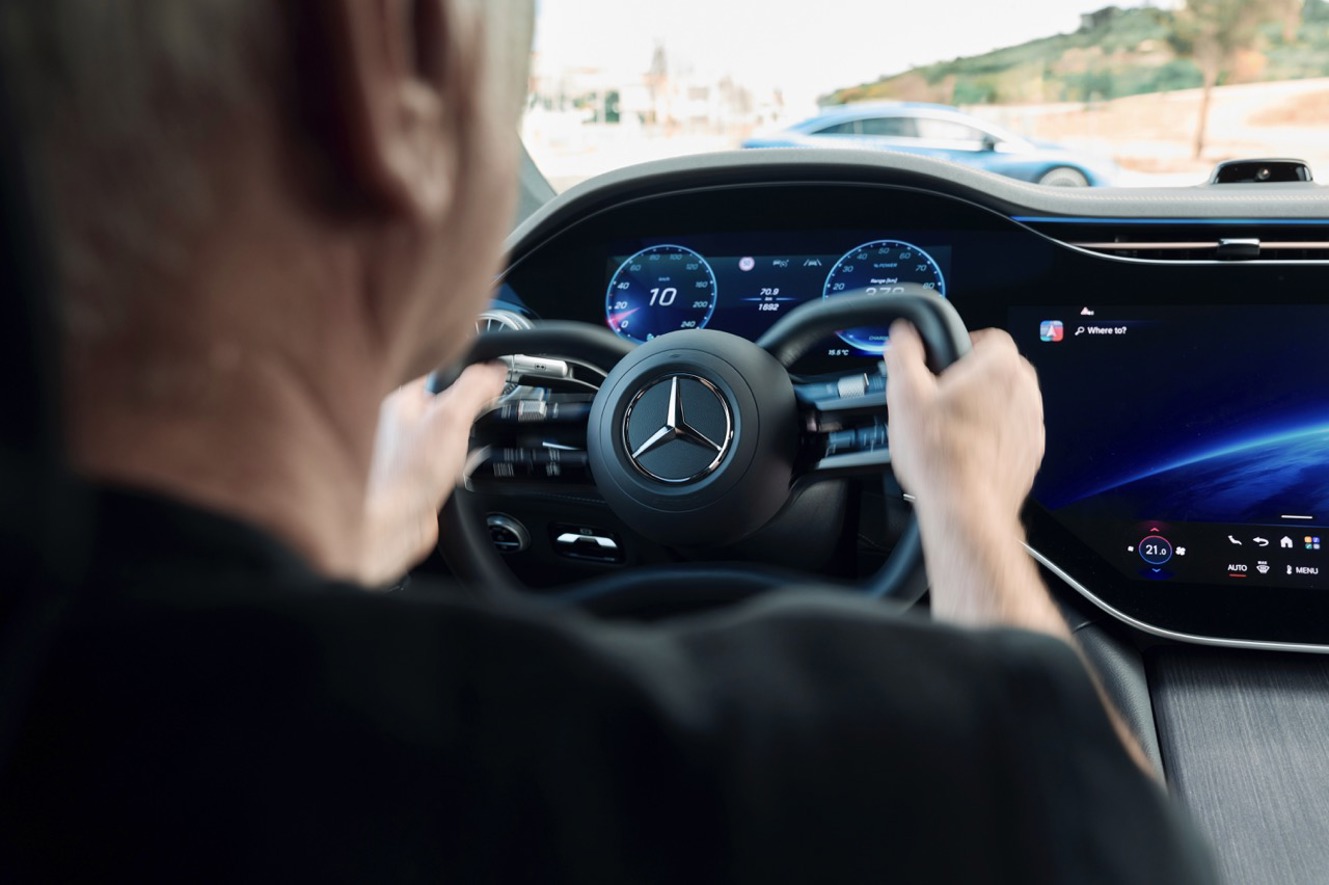
Inside, the EQS becomes even more digital. The new Mercedes-Benz Operating System (MB.OS) acts as a central brain, integrating vehicle functions with cloud connectivity and artificial intelligence.
The system supports over-the-air updates, meaning the car can evolve over time, while the latest MBUX interface introduces a more conversational virtual assistant capable of handling complex voice interactions.
Comfort meets capability
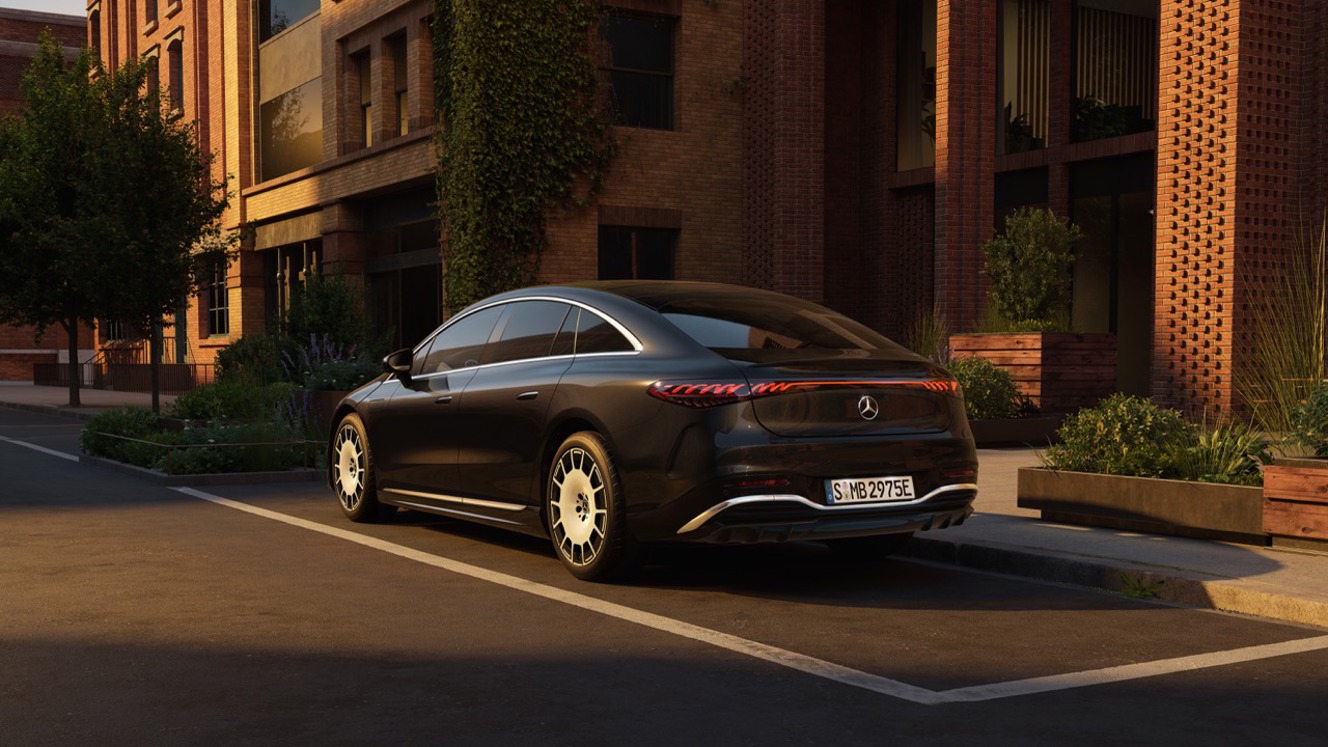
Beyond tech, Mercedes-Benz hasn’t ignored comfort. Updated Airmatic suspension uses cloud-based data to pre-adjust damping for speed bumps, while interior upgrades include heated seatbelts, improved rear-seat entertainment and a refined cabin finish.
Aerodynamics remain a strong point, too, with a drag coefficient as low as 0.20 helping maximise efficiency at speed.
The EQS was already positioned as a benchmark for electric luxury. With more range, faster charging and a step change in digital capability, this update suggests Mercedes isn’t ready to give that title up just yet.
Mercedes-Benz New Zealand has yet to release local pricing or information for the updated EQS.