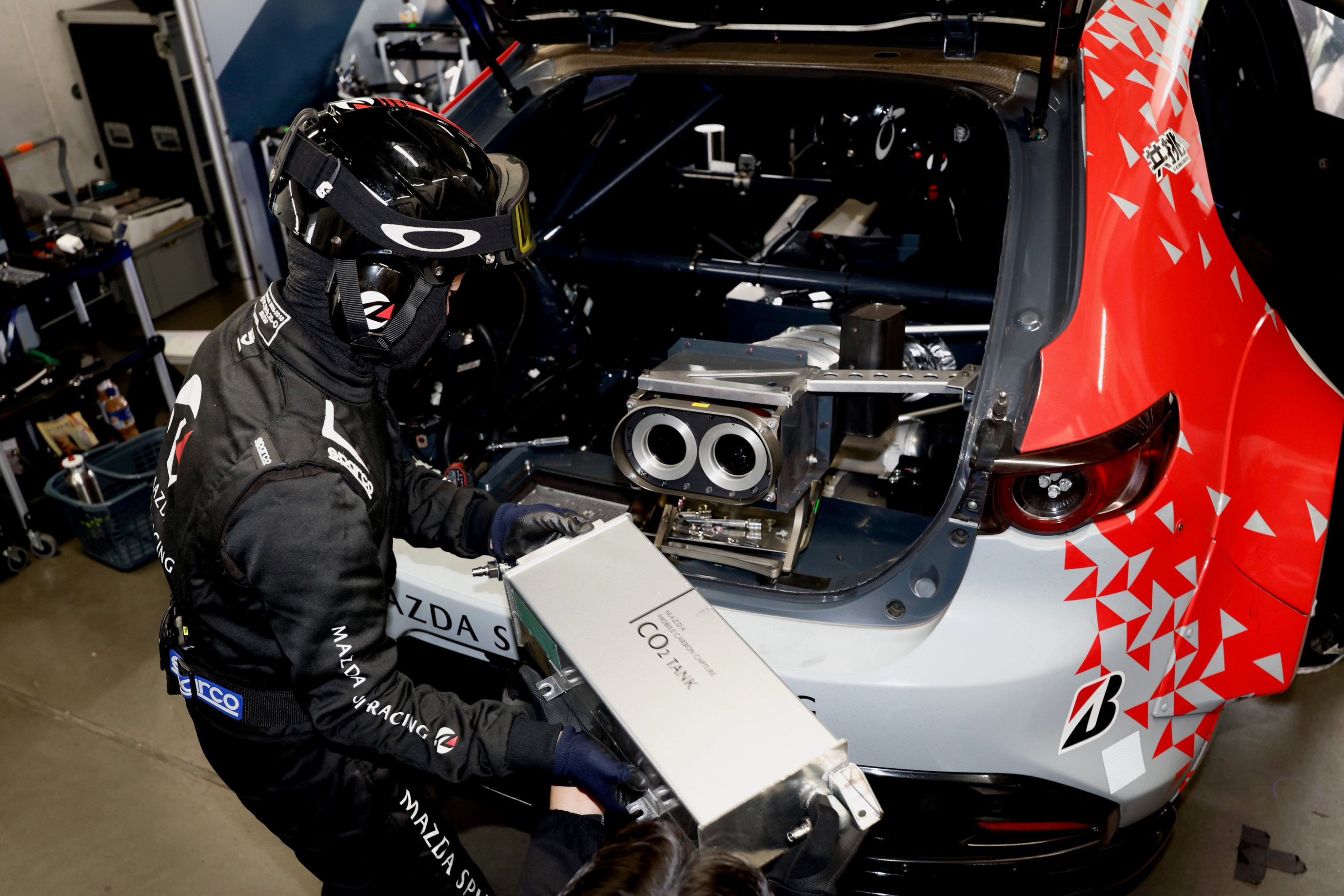



- Mazda demonstrated CO2 storage during driving at the Fuji 24-Hour Race in Japan.
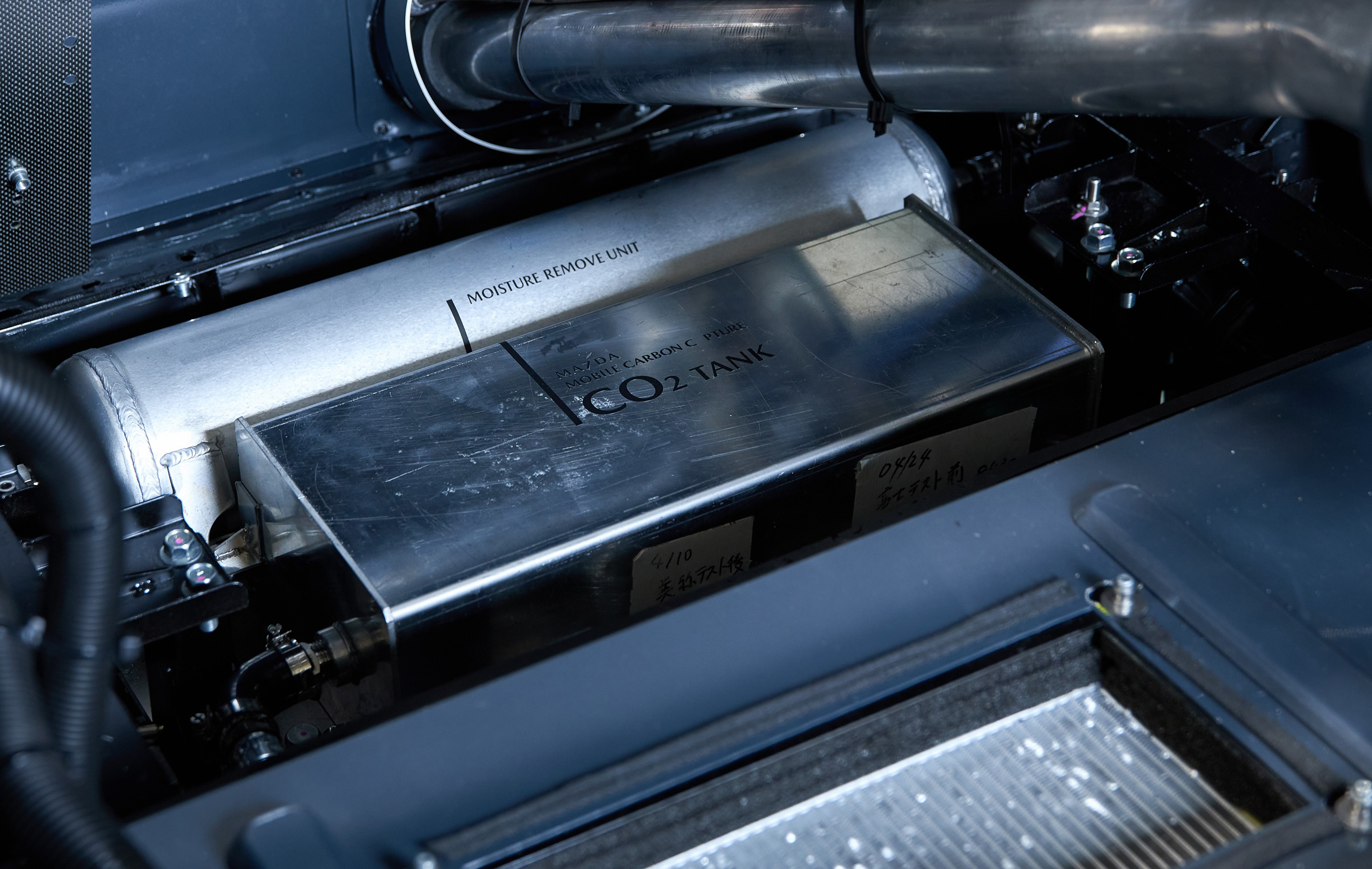
- The under-development system is called Mazda Mobile Carbon Capture by the company.
- Road-car timing, packaging details and production specifications have not been disclosed by Mazda.
Mazda has taken its onboard carbon-capture idea from motor show concept to race-track demonstration, testing its under-development Mazda Mobile Carbon Capture system during Round 3 of the Super Taikyu Series 2026 in Japan.
Race-track carbon capture
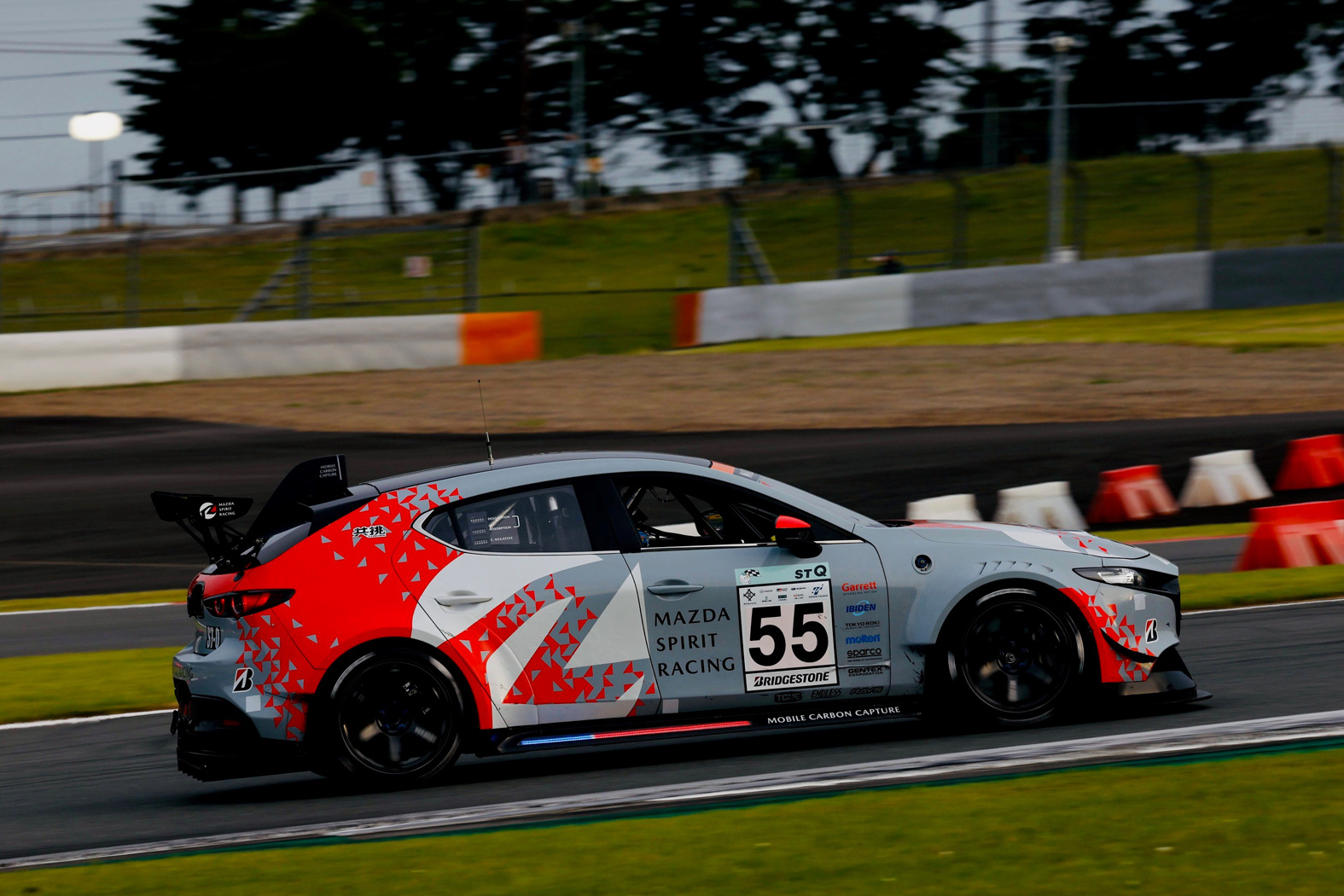
The demonstration took place at the Eneos Super Taikyu Series 2026 Empowered by Bridgestone Round 3: Fuji 24-Hour Race, held from 5-7 June 2026.
According to Mazda, the latest round of testing successfully demonstrated CO2 storage during driving, a function newly added for this phase of development.
Still a development programme
Mazda says the result marks a step toward practical application and its longer-term ambition of carbon negativity. The company first announced Mazda Mobile Carbon Capture at the Japan Mobility Show 2025 under the theme "The Joy of Driving Fuels a Sustainable Tomorrow".
The idea is bold: Mazda wants to realise mobility that reduces CO2 the more you drive by 2035. For now, however, this remains a development programme rather than a confirmed production technology. Mazda has not disclosed detailed technical specifications for the system, nor has it announced road-car timing, packaging details, storage capacity, cost or which future models could use it.
Why endurance racing matters
What the Fuji 24-Hour Race demonstration does show is that Mazda is treating carbon capture as something to be tested in demanding real-world running, not just displayed as a sustainability concept. Endurance racing gives engineers long operating windows, varied loads and repeatable test conditions, making it a useful environment for evaluating equipment still under development.
Mazda says it will continue collaborating with partners to refine the technology and equipment. If the company can move the system from demonstration to practical application, Mazda Mobile Carbon Capture could become one of the more unusual routes toward lower-emission motoring: not simply reducing tailpipe CO2, but attempting to capture and store it while the vehicle is being driven.