



- 'Freelander' name is back for the first time since 2015.
- Joint venture between Jaguar Land Rover and Chery.
- Styled under direction of ex-Land Rover designer Phil Simmons.
Back in 1997, the Freelander was a groundbreaking model for Land Rover in Europe: a compact-SUV that was designed more for on-road than off-road driving, although it retained decent off-tarmac ability for a "crossover" (a relatively new term back then).
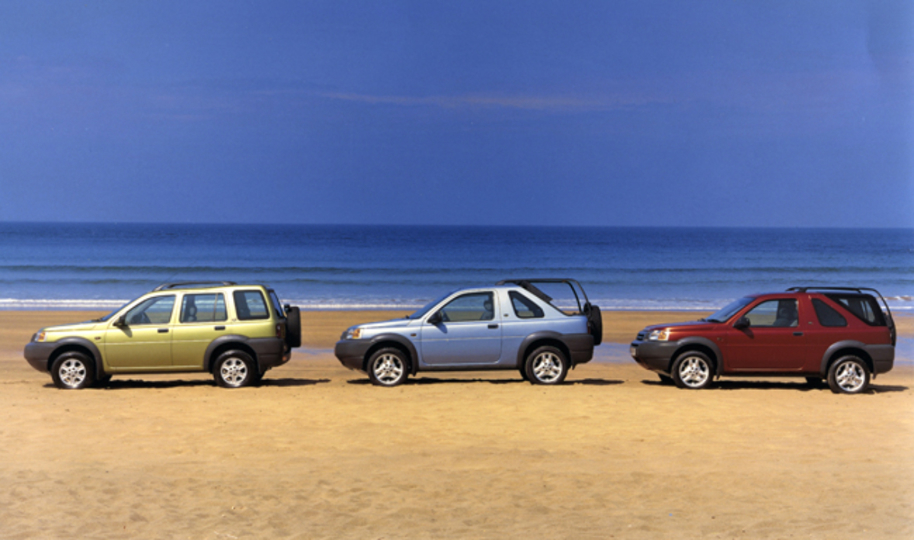
It was as important to Europe as the (earlier) RAV4 was to Japan. In the UK, vehicles in this segment (including the RAV4 and Honda CR-V) became commonly referred to as being in the "Freelander class". Clearly lots of pride in a homegrown product.
Well, Freelander isn't that any more. The Land Rover original disappeared in 2015, but the Freelander name is now back as a standalone brand - in a joint venture between Jaguar Land Rover (JLR) and Chinese maker Chery.
Chery and JLR have had a formal joint venture since 2012, but this is something quite different. The new Freelander 8 does not wear Land Rover or Chery badging. The brand is "Freelander", the model is "8".
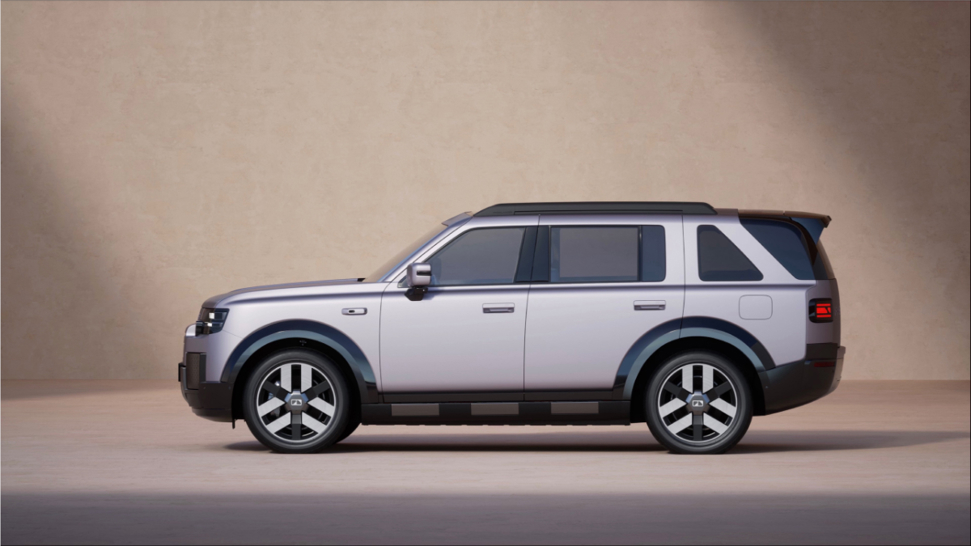
Pictured here is near-production guise, the new model is expected to go on sale in China later this year. But it's also in line for export markets, including right-hand drive.
The companies claim Chery brings "advanced Chinese technology to the partnership, while JLR is bringing expertise in world class design."
Styled by ex-Land Rover designer
Freelander 8 was designed under the direction of Phil Simmons, whose previous work includes the Range Rover Velar and Land Rover Defender. Simmons left Land Rover in 2019 to work in China, first at GWM Haval and now for Chery.
“The opportunity with Freelander was to respect its heritage while making it relevant for modern customers,” says Simmons.
The Freelander 8 embraces signature elements from the original model, including the silhouette and trademark rear-quarter window.
Freelander is positioning the 8 as a genuine all-rounder, with a new Intelligent All-Terrain System (i-ATS) designed to automatically adapt to changing surfaces.
The system offers 9 terrain modes and works in conjunction with hardware including an electronic limited-slip differential, air suspension and a virtual centre locking function.


