



- China has become the first country to ban powered concealed door handles on EVs.
- From January 1st next year all new EVs sold in China must feature mechanical release systems inside and out.
- The crackdown follows several fatal incidents involving power failures that saw occupants trapped in crashed vehicles.
China has become the first country in the world to officially ban concealed door handles on electric vehicles, a design choice popularised by Tesla that is now under intense regulatory scrutiny around the world.
According to new safety rules released by the Chinese Ministry of Industry and Information Technology, all cars sold in China must feature mechanical release systems on both the interior and exterior. This significant policy shift is set to take effect on January 1, 2027, although currently approved models have until January 2029 to implement the necessary design changes.
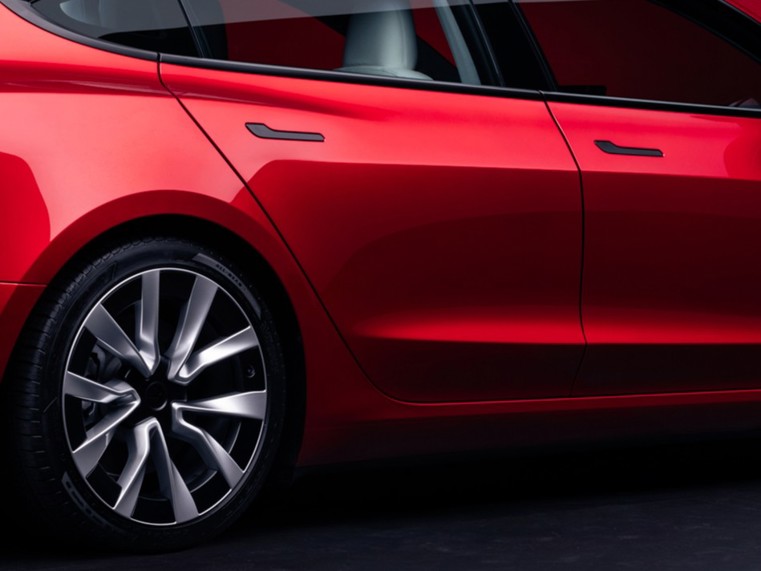
The regulatory crackdown follows several fatal incidents involving power failures that reportedly prevented occupants from escaping crashed vehicles. In particular, two high-profile crashes involving Xiaomi SU7 electric sedans accelerated the push for these standards after suspected electrical issues left victims unable to be rescued.
The new rules are highly specific, requiring an exterior recessed space of at least 60mm by 20mm for a hand to grasp a handle and clear interior signage indicating how to operate the manual release.
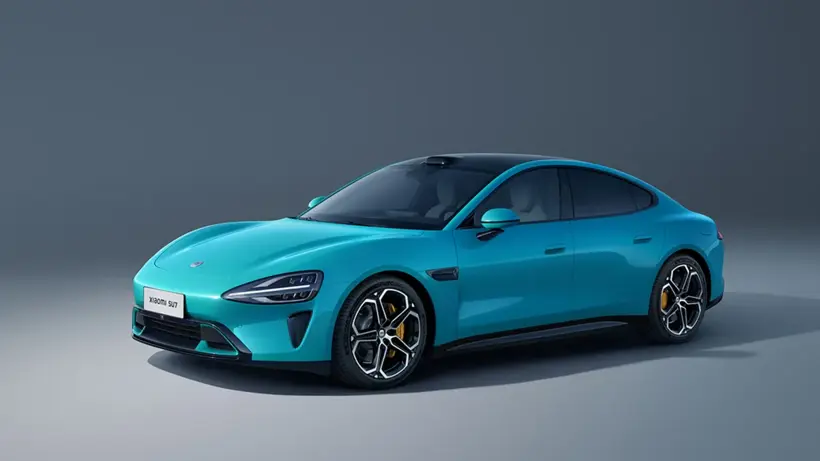
This mandate is expected to have a massive impact on the industry, as approximately 60 percent of the top 100 selling new-energy vehicles in China currently feature concealed handles, including the Tesla Model 3 and Model Y, BMW’s iX3, and models from Nio and Xpeng. While some Chinese manufacturers like BYD and Geely have already begun reverting to traditional handles, foreign automakers are yet to reveal how they will react.
Beyond the immediate design changes, experts believe this move marks China’s transition into a global rule-setter for vehicle technology. Because of China’s dominant position in the EV market, these domestic safety standards are likely to influence global norms and may be adopted by other regions, such as the U.S. and Europe, which are already conducting their own safety probes.
While the door handle issue has had the highest profile, the Ministry of Public Security also plans to limit how quickly cars can accelerate from a standstill in China, and authorities are ramping up their oversight of advanced driver-assistance systems, both of which are largely software based and won't have such an effect in global markets.