


- CATL claims its 5C lithium-ion battery retains 80% capacity after 3000 fast-charge cycles at 20°C.
- CATL says that at 60°C, the battery reaches 1400 cycles while still holding 80% capacity.
- The 5C charge rate suggests an empty-to-full charge in about 12 minutes, according to CATL.
Fast charging has long been the double-edged sword of electric motoring: brilliant for convenience, less kind to battery health.
Now CATL, the world’s largest EV battery supplier, reckons it’s close to dulling that blade for good.
The Chinese giant says its latest 5C lithium-ion battery can survive years of repeated ultra-fast charging with barely a shrug, claiming longevity figures that would make even hardened taxi drivers blink.
Fast, furious and still standing
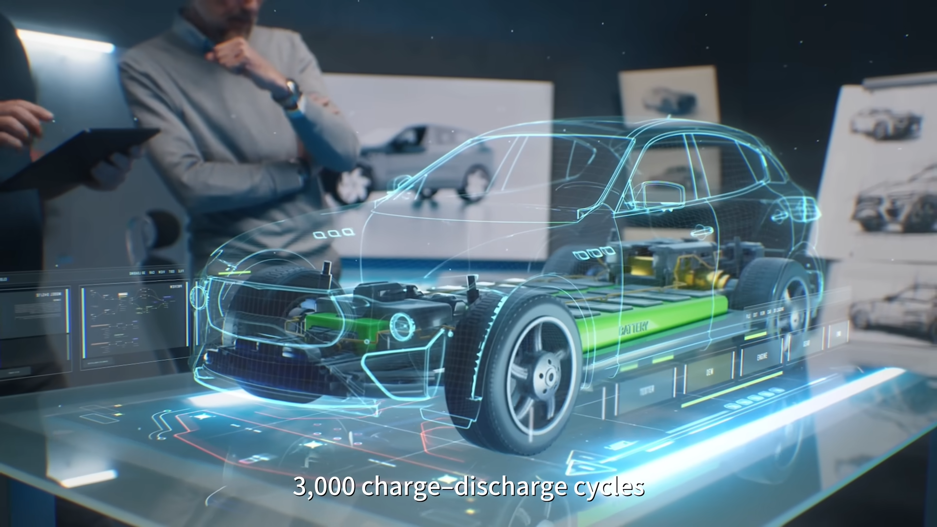
Under what CATL calls ideal conditions (around 20°C), the new pack is said to retain 80% of its original capacity after 3000 full charge cycles when charged exclusively at fast-charge rates. Do the maths and that translates to roughly 1.8 million kilometres of driving.
That’s not a typo. It’s the sort of distance most private cars will never see, even over several owners. For used-EV buyers, traditionally wary of a car that’s lived its life plugged into DC chargers, it’s a tantalising promise.
Heat? Bring it on
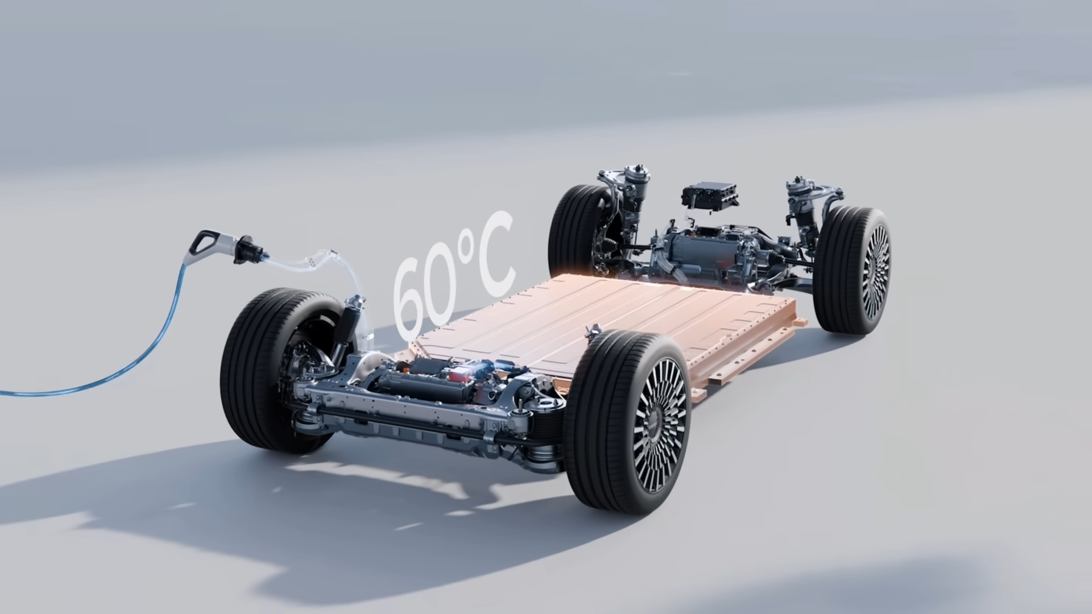
CATL’s claims don’t fall apart when things get hot, either. The company says that even at 60°C (conditions it likens to a Middle Eastern summer), the battery can still hit that 80% capacity mark after 1400 cycles. That’s equivalent to about 840,000km, which is still well beyond the lifespan of many vehicles.
In other words, even worst-case climates are apparently no longer a death sentence for fast-charged batteries.
The 12-minute question
The “5C” label refers to charge speed, or how many times per hour a battery can theoretically be filled.
In plain terms, CATL says this pack could go from empty to full in about 12 minutes. Normally, that sort of pace accelerates degradation. Here, the company claims clever chemistry and thermal management keep wear in check.
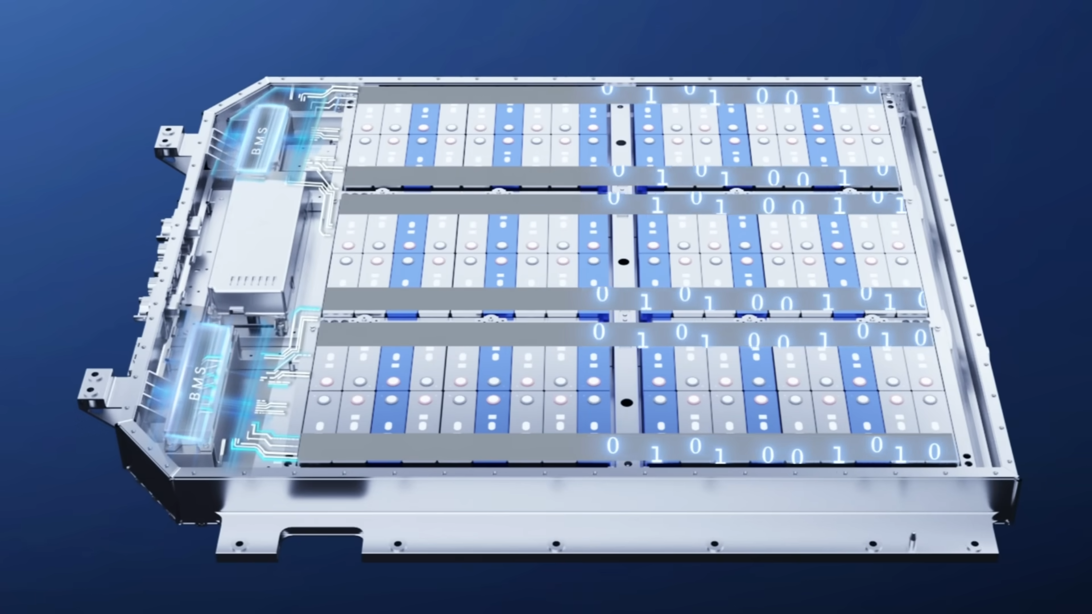
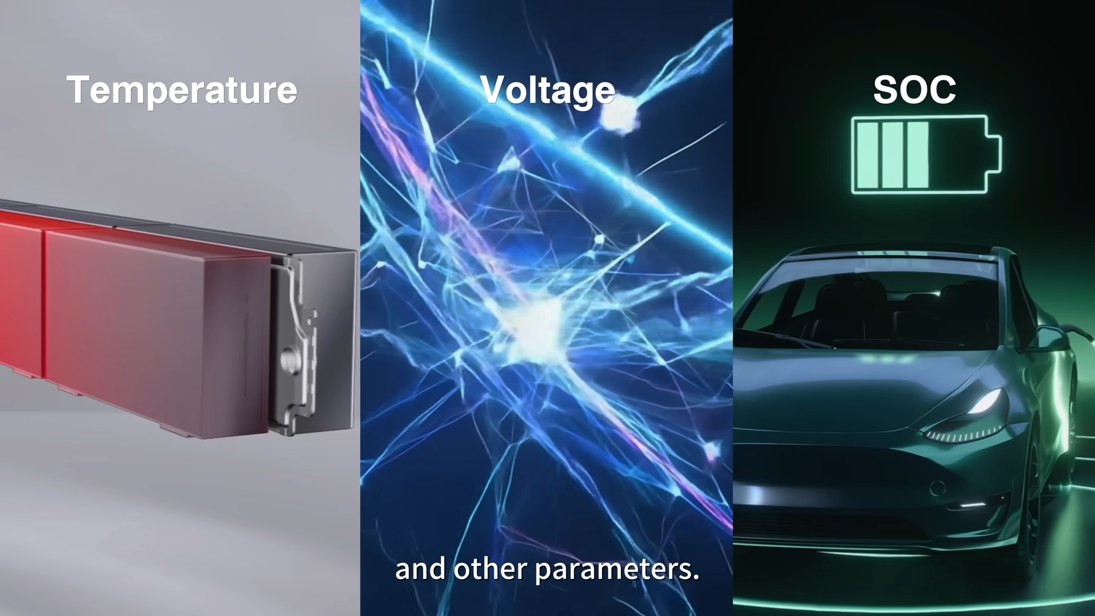
The technical recipe includes a more uniform cathode coating to reduce internal stress, a special electrolyte additive that helps repair microscopic cracks, and a temperature-responsive separator layer that slows ion flow if things start overheating. The battery management system can also cool specific hot spots inside the pack, rather than blasting the whole thing.
Reality check, pending
All of this is still on paper. CATL hasn’t disclosed when mass production will begin or which vehicles will get the long-life packs first. As ever, laboratory results have a habit of looking rosier than real-world use.
Still, even if these numbers soften outside the lab, the direction of travel is clear. If fast charging no longer shortens a battery’s life, the idea of an EV battery outlasting the car around it stops sounding like sci-fi and starts looking like a very practical used-car future.