



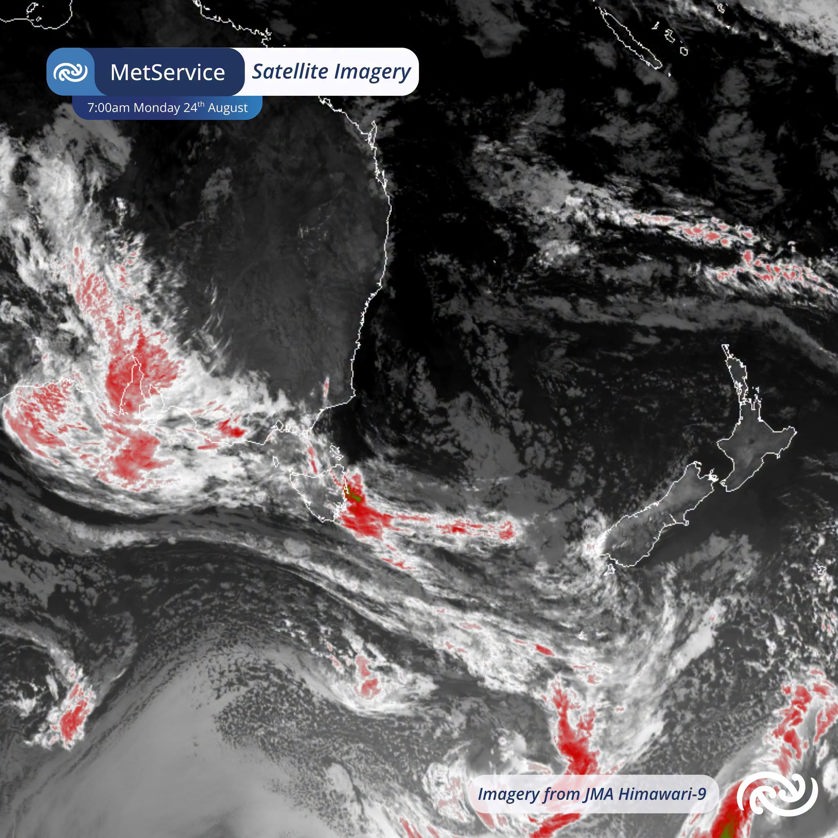
New Zealand drivers are about to get a reminder of just how quickly winter weather can change - a significant winter storm is forecast to affect the South Island, with heavy rain expected across western regions and heavy snow threatening inland parts of Otago and South Canterbury. MetService says the storm will continue to affect the South Island through Thursday.
For drivers, some of the biggest concerns are the Mackenzie Basin and South Canterbury, where more than 30cm of snow could affect State Highways 8 and 80, while up to 20cm could fall on higher sections of SH73 between Christchurch and the West Coast. NZTA says accumulations at those levels could result in closures or restrictions.
Meanwhile, heavy rain across the West Coast and western ranges could bring surface flooding, rising rivers, slips and difficult driving conditions. Here's how to deal with it.
1. Slow down when the rain arrives
The first and most important thing to do when heavy rain suddenly hits is slow down.
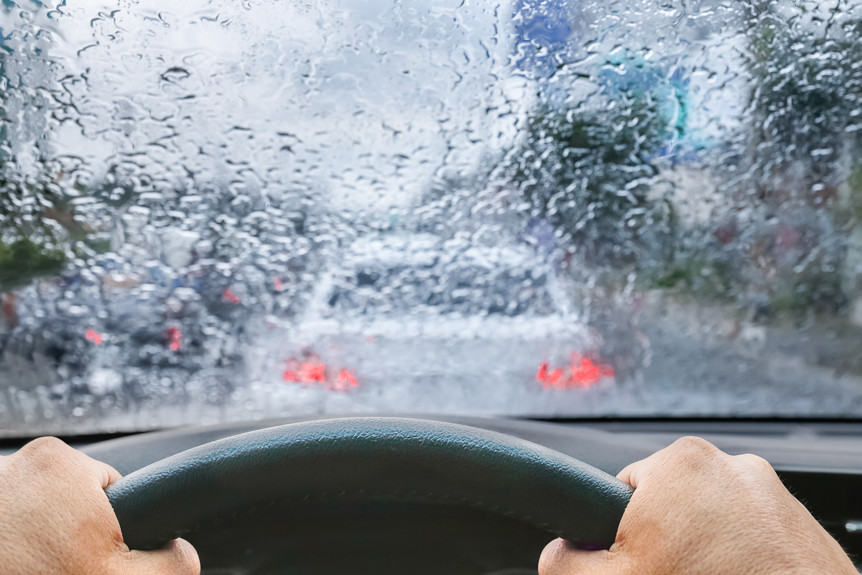
It can be tempting to maintain your speed and simply rely on the windscreen wipers, but heavy rain can reduce visibility dramatically while increasing stopping distances.
This will be particularly important on the West Coast, where prolonged heavy rain is forecast and water can build up on roads and slips or debris can become hazards.
Leave a much larger gap between yourself and the vehicle ahead and don't be afraid to drive well below the posted speed limit. Remember, the speed limit is a maximum, not a target that has to be maintained regardless of conditions.
Turn your headlights on as well. They will help you see through the rain and make your vehicle more visible through the spray.
2. Never gamble with floodwater
Heavy rain can create an especially dangerous trap: water covering the road.
Don't assume a flooded section is safe simply because another vehicle has driven through it - you may not be able to see how deep the water is, whether the road underneath has been damaged or whether debris is hidden beneath the surface.
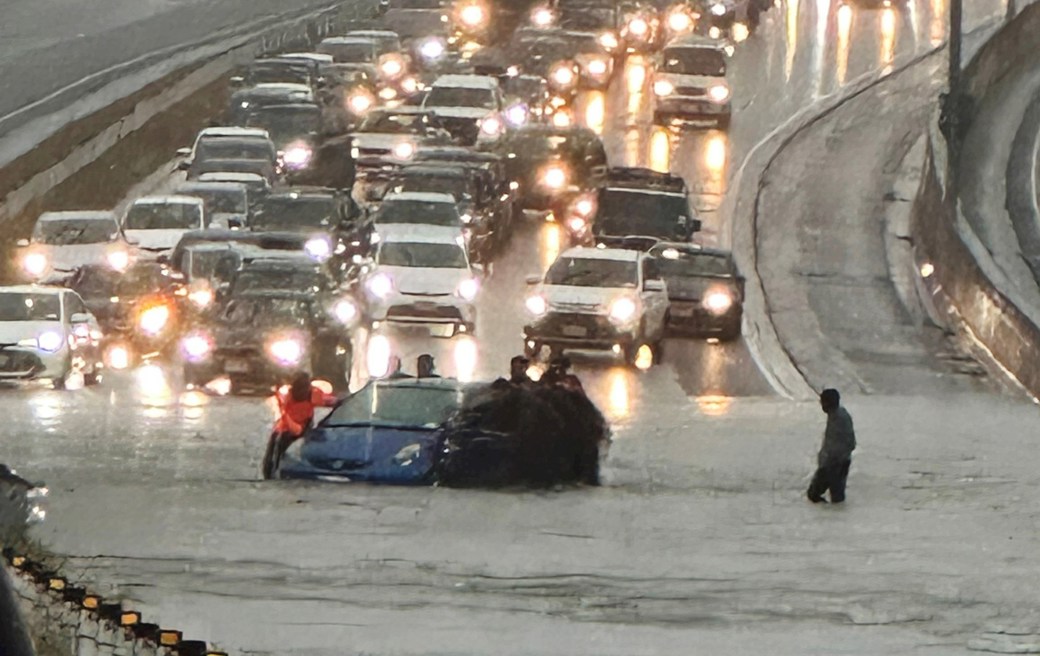
If you cannot confidently judge the depth, don't drive through it.
If authorities close a road, don't attempt to get around the closure, and always remember that while four-wheel-drive SUV might have considerably more capability than a small hatchback, that doesn't make it immune to floodwater.
3. What to do if your car aquaplanes
Heavy rain can leave enough water on the road for your tyres to lose contact with the surface. If your car suddenly feels light through the steering wheel or seems reluctant to respond to steering inputs, you may be aquaplaning.
The most important thing at this stage is to not panic and don't stamp on the brakes. Instead, ease off the accelerator and keep your steering smooth and controlled until the tyres regain contact with the road.
Good tyres are also crucial, so be sure to check their tread and pressures before heading into areas expecting heavy rain this week.
4. Snow means a completely different type of driving
For drivers heading into inland Canterbury and Otago, the biggest issue will be snow.
The current forecast includes snow down to around 400 metres in parts of inland Otago and South Canterbury. The Mackenzie Basin is particularly exposed, with more than 30cm possible on SH8 and SH80.
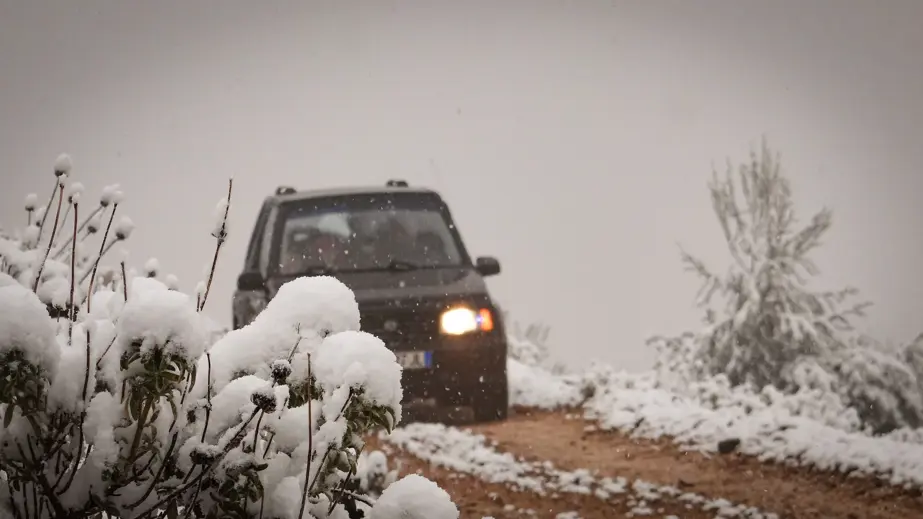
That means conditions can change rapidly as you climb and a road that is wet and manageable at a lower altitude can become covered in snow or ice just a few kilometres later.
If snow begins falling while you're driving, reduce your speed smoothly and avoid abrupt steering, acceleration or braking. Leave much more room than usual between you and the vehicle ahead and remember that your tyres still need grip to stop and change direction, regardless of how sophisticated the car's ABS, traction control or stability systems are.
For longer trips in snowy or icy conditions, take warm clothing, food and water in case you become stuck. Make sure you also have plenty of fuel or battery range in case delays or diversions are required.
5. Take extra care on mountain roads
Routes such as SH8 through the Mackenzie Basin and SH73 over the Southern Alps can become particularly challenging when snow arrives.
Don't wait until the road is covered in snow before reducing your speed - if conditions are deteriorating, slow down early, and remeber that bridges, shaded sections and exposed areas can freeze before the rest of the road, so don't assume a seemingly clear road has uniform grip.
If conditions become too severe, turn around or stop somewhere safe: being delayed for a few hours is considerably preferable to being stranded or having a crash.
6. Four-wheel drive won't save you from ice
Four-wheel drive and all-wheel drive can help a vehicle accelerate on a slippery surface, but they don't magically give it more grip when braking or cornering.
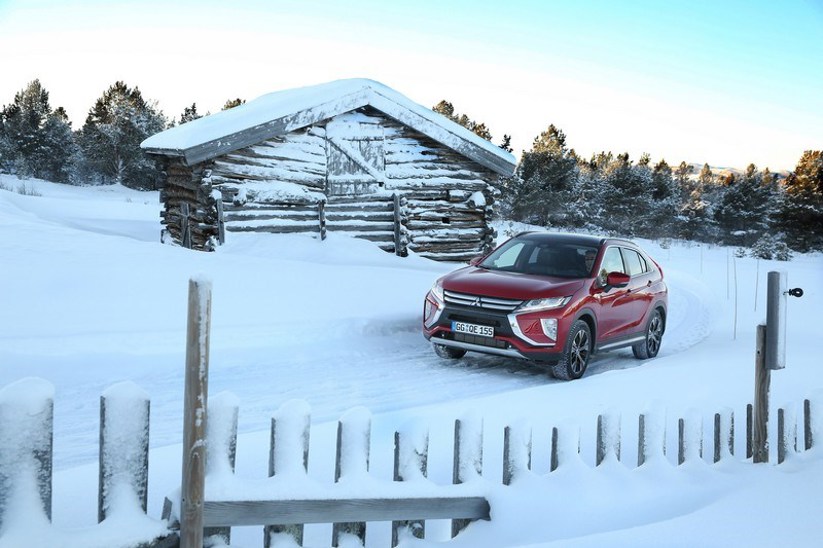
A heavy SUV with four driven wheels can still slide on ice, and the same applies to electronic traction and stability systems. They are extremely useful, but they cannot overcome a complete lack of tyre grip.
In other words, 4WD can help you get moving, but it can't repeal physics. If snow or ice is expected don't overestimate your car's ability to cope with it simply because it has 4WD: you will still need to slow down considerably, leave a much larger gap and make every steering, braking and throttle input as smooth as possible.
7. Visibility can disappear surprisingly quickly
Rain isn't the only problem here: snowfall, hail, spray from other vehicles and low cloud can all reduce visibility to the point where it becomes difficult to judge what's happening ahead.
Always keep in mind that if you can't see far enough ahead to safely maintain your speed, slow down. And it goes without saying that you should always make sure your windscreen is clear, use the demister when necessary and check your wipers before setting out.
If visibility becomes extremely poor, find somewhere safe to stop and wait for conditions to improve. Don't simply pull onto the shoulder of a high-speed road unless there is no safer alternative.
8. Strong winds can make things worse
Winter storms can also bring strong winds, particularly on exposed roads and around mountain passes, so you should be particularly careful if you're driving a van, ute, or any high-sided vehicle, as well as towing a box trailer, horse float or caravan.
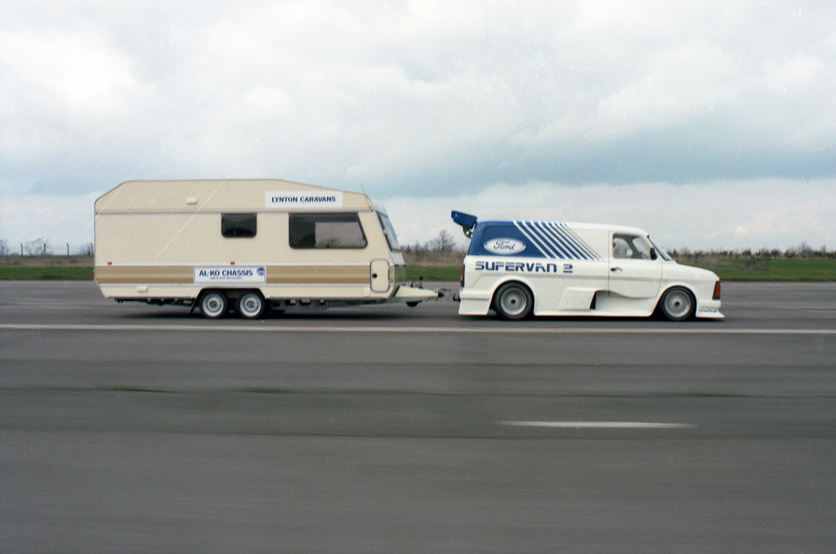
Sudden crosswinds can push a vehicle sideways, particularly when emerging from behind a windbreak or passing another large vehicle.
Keep both hands on the steering wheel, reduce your speed and give trucks and buses plenty of room, while also keeping watch for fallen branches, rocks and other debris that may have ended up on the road.
9. Turn off the cruise control
Cruise control is useful on a dry motorway. It isn't particularly useful when road conditions are changing by the kilometre.
If you're driving through heavy rain, snow or ice, you want direct control over the accelerator so you can respond immediately to changes in grip, so turn cruise control off and concentrate on what the road is doing.
The same applies to modern driver-assistance systems. Adaptive cruise control, lane keeping and automatic emergency braking can be valuable safety aids, but they don't turn a dangerous road into a safe one.
10. Most importantly: check before you leave, and be prepared to turn around
With this particular storm, checking road conditions before setting out is especially important.
NZTA says the expected snow on SH8 and SH80 could impede travel and lead to highway closures or restrictions, while higher sections of SH73 could also be affected.
Check the latest MetService warnings and NZTA road information before leaving, particularly if you're heading towards the West Coast, Canterbury High Country, Mackenzie Basin or Otago.
And don't rely solely on the forecast you checked that morning. Conditions can change during the day. If the road is flooded, snow is accumulating rapidly or visibility has become terrible, turn around if you can do so safely.
Getting to your destination late is annoying. Getting stranded in the middle of a snowstorm is considerably worse.
Five things to check before setting off
If you absolutely need to drive in severe winter weather, spend a few minutes checking the car first:
-
Tyres: Check pressures, tread and condition.
-
Wipers: Make sure they properly clear the windscreen.
-
Lights: Check that headlights, brake lights and indicators work.
-
Fuel or battery: Leave plenty of margin for delays and diversions.
-
Emergency supplies: Take warm clothing, water and some food on longer journeys.
And if you're travelling through the South Island's alpine areas, don't assume that because the road was clear when you started, it will still be clear when you return.
The most important piece of winter-driving equipment isn't four-wheel drive, snow tyres or an advanced electronic safety system: it's good judgement.
Slow down, leave more space, keep your visibility clear and be prepared to stop. And if the weather turns genuinely dangerous, the safest journey may be the one you postpone.