



The general lift in sales of electrified vehicles in New Zealand since the start of the petrol-price/supply crisis has also sparked a lift in consumer interest around plug-in hybrid (PHEV) technology.
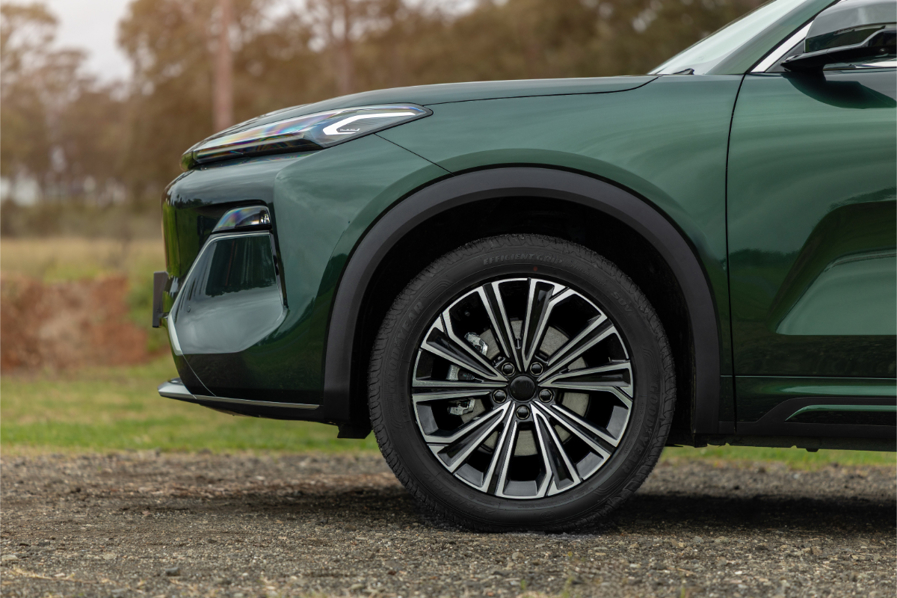
PHEVs have traditionally been in the shadow of battery electric vehicles (BEV, or pure-electric) in NZ. But as Kiwi consumers have searched for electrified options that give independence from fossil fuel without exposing them to range anxiety and the hassles (perceived or otherwise) that come with electric-only vehicles, the spotlight has finally started to shine more on PHEV technology.
In May this year, PHEVs accounted for just 3.9% of the overall market, compared to BEVs at 5.4%. In April, PHEVs actually overtook BEVs with 11.9% share versus 11.1%. And even though BEVs are back on top for May with 14.3% share, PHEVs are still showing strength at 9.2%.
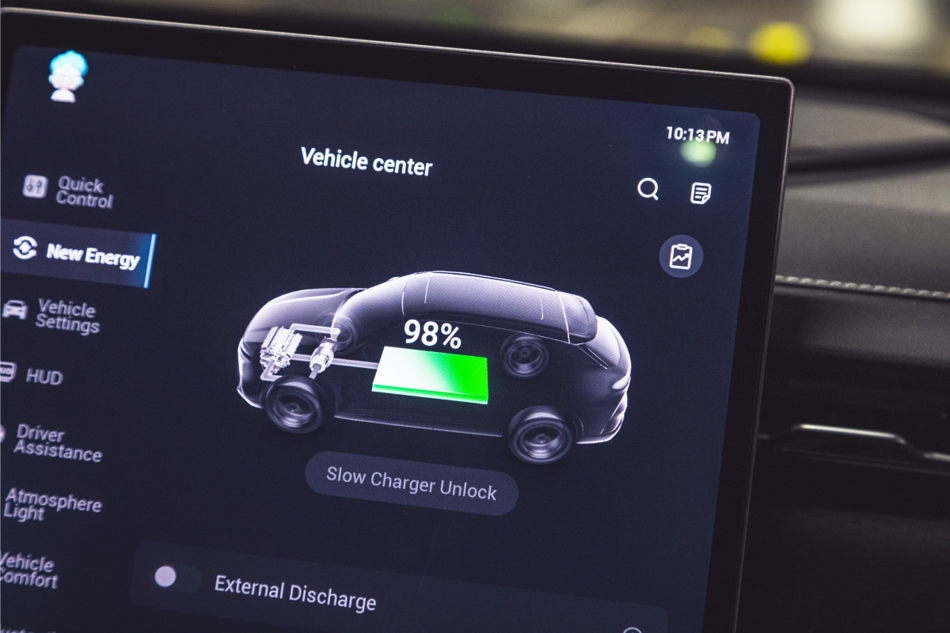
PHEVs are theoretically the best of both words. They combine a combustion engine with a plug-in battery that can give enough EV driving to cover most daily commutes (50-100km, depending on the car), yet can also operate as hybrids and be simply filled with petrol for longer journeys, or until you can recharge.
Different PHEVs work in different ways. The conventional kind are "parallel hybrids", meaning the electric motor can drive the wheels, the petrol engine can drive the wheels... or they can drive the wheels together as a team. Same in concept as as most non-plug-in hybrids, or HEVs, just with vastly more electric driving ability.
"Series hybrids" use the petrol engine to make electricity, but the electric motor drives the wheels at all times. These are also sometimes called range extenders, EREVs or REEVs.
There's also a new breed of PHEVs from China called "super hybrids" (click here for the full story on those), which can be a blend of all of the above. The priority is on electric drive, but the petrol engine can either act as a generator (probably most of the time) or drive the wheels, depending on the situation. Super hybrids also tend to have quite big batteries and therefore big EV ranges.
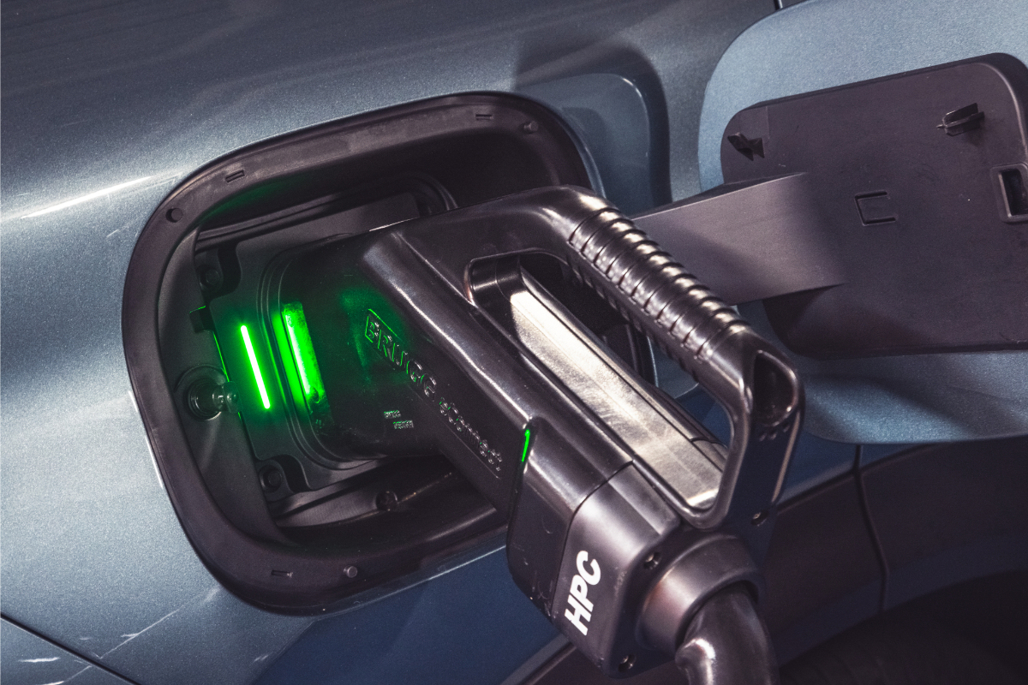
All PHEVs can be AC-charged at home with a 3-pin plug or on a wallbox, but many newer models (especially those with larger batteries) also have provision for DC fast-charging at public stations.
If you're keen on the idea of a PHEV, the good news is that there are plenty at what we would call a budget price for new cars: below $50,000. Here are five that we reckon should be on your shopping list.
BYD Sealion 5
Exciting it ain't, but the Sealion 5 is arguably the most polished of the new generation of Chinese PHEVs in terms of performance, driving dynamics and well-sorted safety assists for Kiwi roads.
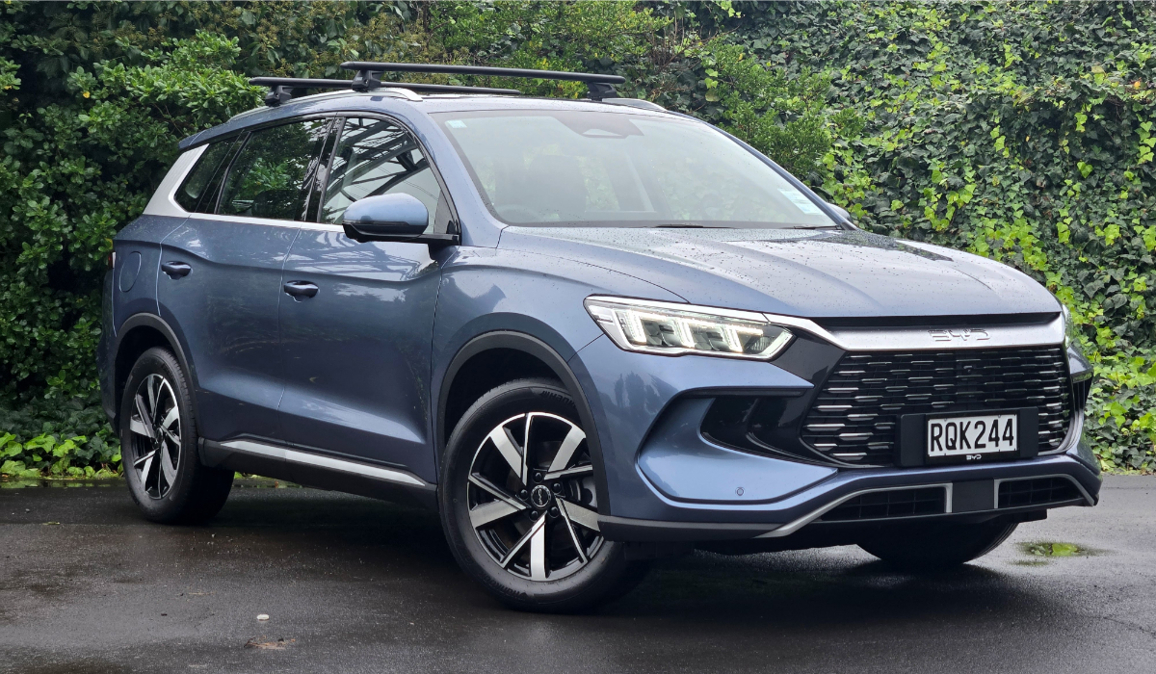
This is a super hybrid and it works well, but note it's restricted to AC charging, so your options at public charging stations are limited right now. But on a home wallbox it'll still charge from flat in around 3 hours.
There are two models, Essential and Premium. The latter is worth it if it's in budget, because you get a much bigger battery and an extra 30km range. Note the figures below are NEDC though, which is a less stringent test than the WLTP quoted for other cars here; we consistently got 80km from a Sealion 5 Premium on test this year.
How much? $42,990-$48,990 Powertrain 1.5-litre petrol engine, 12.9-18.3kWh battery EV range 71-100km (NEDC) Charging AC.
Geely Starray EM-i
Think of the Starray EM-i as a super hybrid cousin to the EX5 BEV: a completely different car, but similar in size and style (we reckon this one is the better looking, actually).
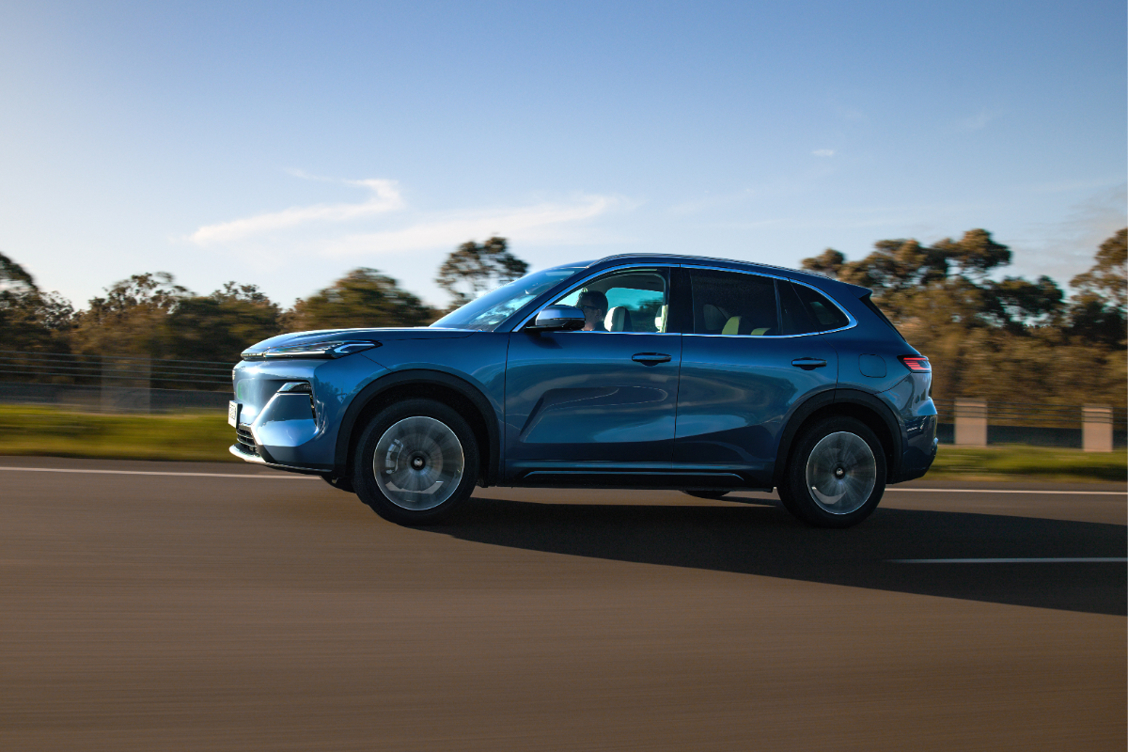
It's a good family size, slightly longer than a Toyota RAV4 for example, it feels quite luxurious inside and the hybrid powertrain is smooth.
The biggest downside is the adaptive cruise control, which is badly in need of local calibration (it slows for the slightest motorway curve, for example). So if that's a technology you use a lot, try before you buy. But Geely NZ has promised a fix/update is in the works, so you'll get that over-the-air when it comes.
How much? $45,990-$49,490 Powertrain 1.5-litre petrol engine, 18.4kWh battery EV range 83km (WLTP) Charging DC.
Jaecoo J7 SHS EX+
The J7 is one Chinese SUV that's packed full of visual character... even if it is character cribbed from Land Rover. Hey, it still looks good.
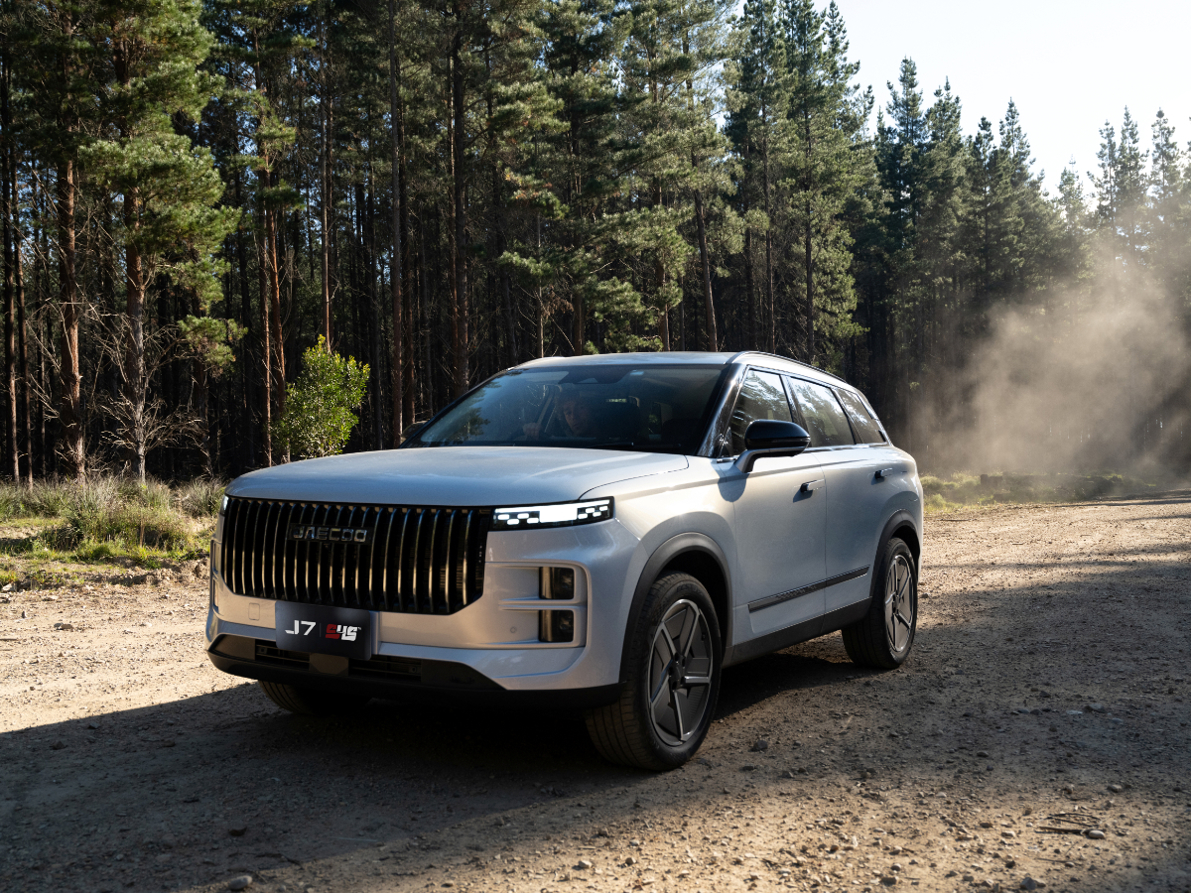
Opt for the SHS (super hybrid system) model and you miss out on the conventional J7's AWD option (the SHS is FWD ony), but you do get a more EV-like interior layout and impressive electric range, although note the quoted figure is NEDC; bank on a bit less in the real world.
How much? $47,990 (special price until June 30, then $49,990) Powertrain 1.5-litre petrol engine, 18.3kWh battery, FWD EV range 106km (NEDC) Charging DC.
Leapmotor C10 Ultra Hybrid
There's an even cheaper PHEV in the Leapmotor lineup: the newer, smaller B10 ($39,990-$44,990). It's good, but we're still fans of the C10, which looks sharp, offers a lot more space for an extra $5k and last year gained a Combined Settings feature for the safety assists, which allows you to set your favourite combination of ADAS on/off features and shortcut to it via a steering wheel button.
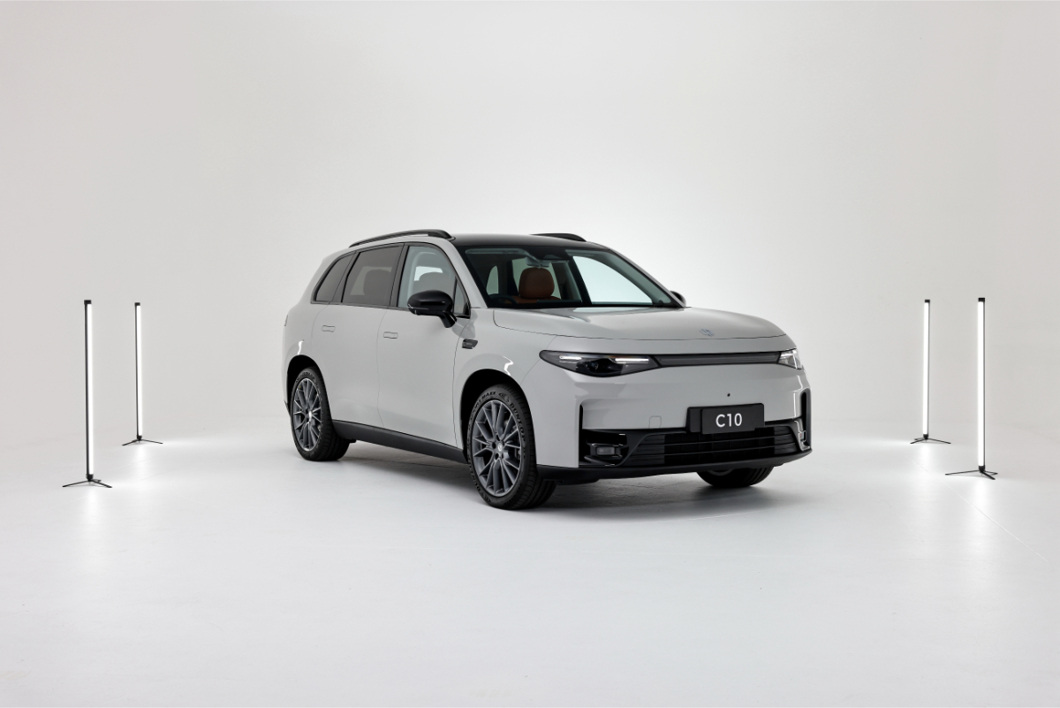
Both the C10 and B10 PHEVs are sometimes called Ultra Hybrid or REEV by Leapmotor, meaning they're range-extender models that simply use the petrol engine to make electricity. They employ 100% electric drive to the (rear) wheels.
It's not one to hurry along a backroad, with soft suspension that can really get a lean on. But it's well-controlled all the same.
How much? $49,990 Powertrain 1.5-litre petrol engine, 28.4kWh battery, RWD EV range 145km (WLTP) Charging DC.
Mitsubishi Eclipse Cross PHEV
Know what you're thinking: this thing is, shall we say, mature. The Eclipse Cross is actually well over a decade old now, with a facelift in 2020. To be fair, the PHEV didn't join the range until 2021. So bear with us, because this Mitsubishi still has a lot to offer.
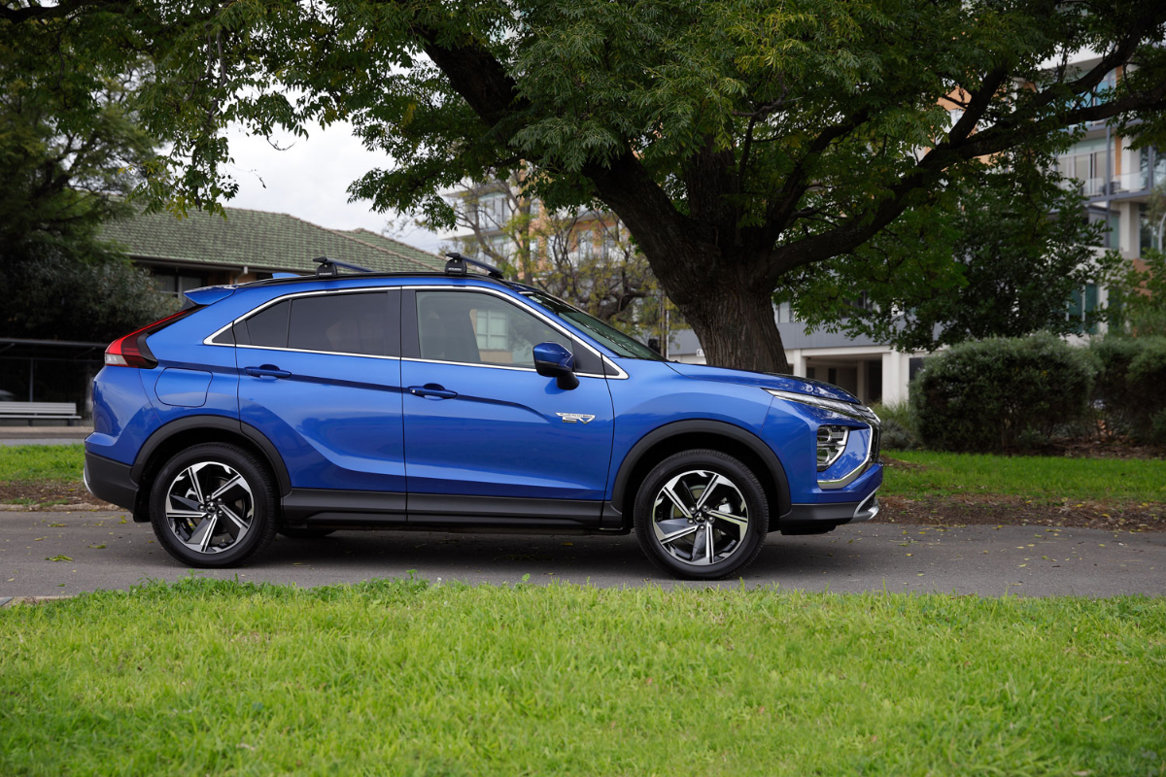
By 2026 standards it has a small battery and modest range: just 55km on EV power. But that's still enough for most Kiwi daily commutes and the little Cross is actually pretty good to drive, partly because it has Mitsubishi's clever Super All Wheel Control AWD system. In fact, it's the only car on this list with AWD.
You can manage the power quite effectively if that's your thing, forcing the car into series, parallel or EV modes. You get DC fast charging, but note it's a Chaemdo connector: a rarity these days (CCS is the accepted standard among most brands now), but still offered at some public stations.
How much? $44,990-$51,990 Powertrain 2.4-litre petrol engine, 13.8kWh battery EV range 55km (WLTP) Charging DC (Chademo).