



Prepare before the road changes
Good driving starts before the wheels turn.
Check the weather forecast and road conditions, especially when travelling beyond familiar streets or through higher country. A sunny departure does not guarantee a clear journey: rain, fog, wind and ice can develop quickly, while crashes or roadworks can alter the route without warning.

Make sure the vehicle is ready, too. Clear every window, check the lights and confirm the tyres are suitable and meet requirements.
For winter travel, carry warm clothing, water, food and other emergency supplies. Take chains where conditions may require them, know how to fit them, and obey any direction to use them. Respect road closures and treatment operations rather than treating them as obstacles to negotiate.
Fatigue can quietly reduce judgement and reaction time. Begin rested, plan breaks and stop somewhere safe if concentration fades. Turning back or postponing a journey is sensible when the conditions exceed your confidence or the vehicle's capability.
Match your inputs to the surface
The core response to worsening conditions is simple: slow down, increase the following distance and make every input smoother.
Treat posted limits as ceilings: when conditions worsen, safe speed may be lower than the number on road signs. Brake before a corner, steer progressively and accelerate gently on the way out. Sudden braking or turning can demand more grip than the tyres have available.
On wet roads, reduce speed before standing water and avoid abrupt steering, throttle or braking. Do not drive into floodwater when its depth, flow or the road beneath it is unknown.
In fog or low light, switch on low-beam headlights, allow more space and keep the windscreen clear. High beam reflects from fog and can make the view worse.
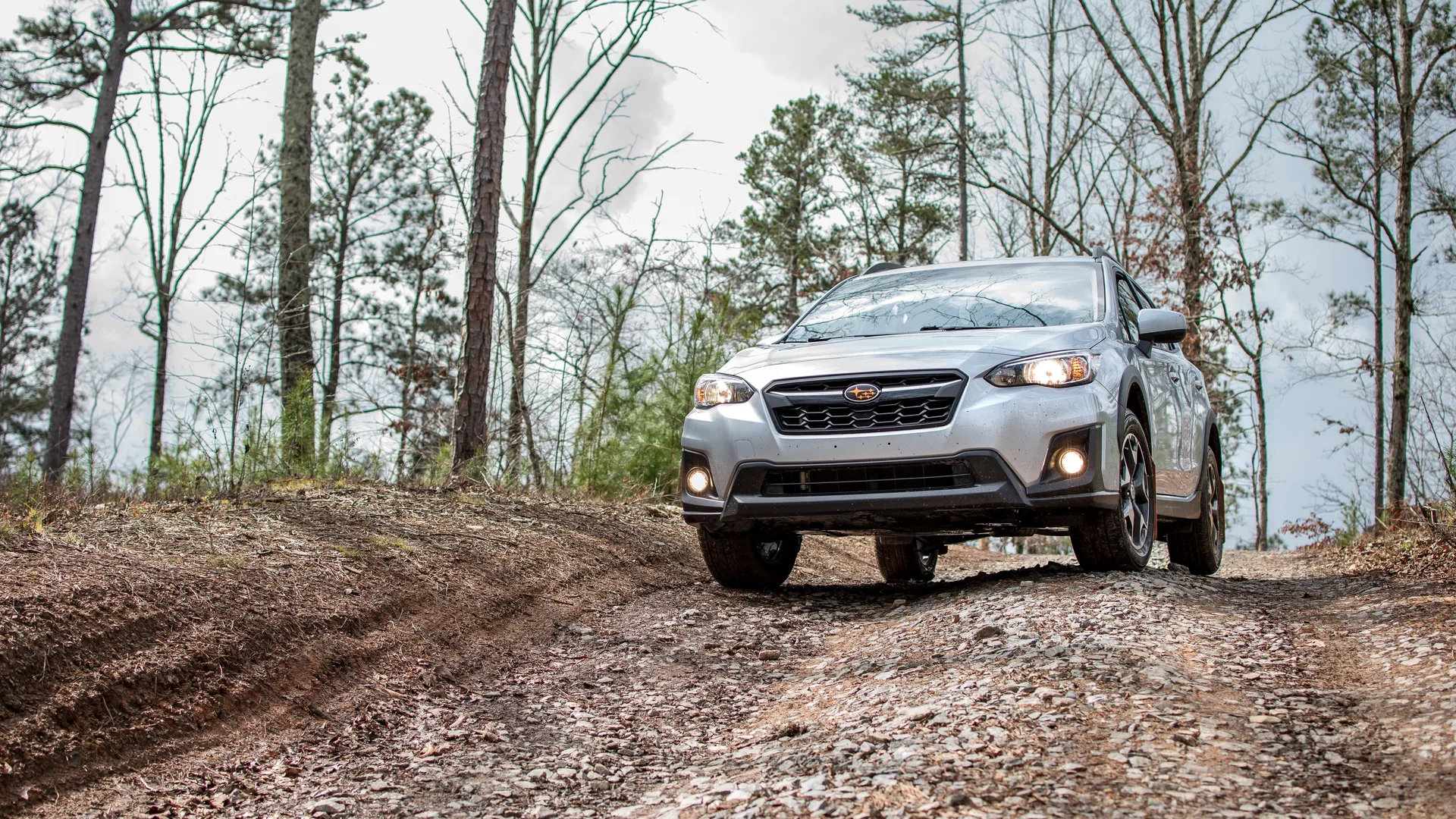
Loose gravel gives less predictable grip and can extend stopping distances. Lower your speed before entering an unsealed section, leave a longer gap to avoid dust and stones, and keep steering and braking measured. Expect the surface to change between firm tracks, loose stones, corrugations and soft edges.
Give severe conditions more room
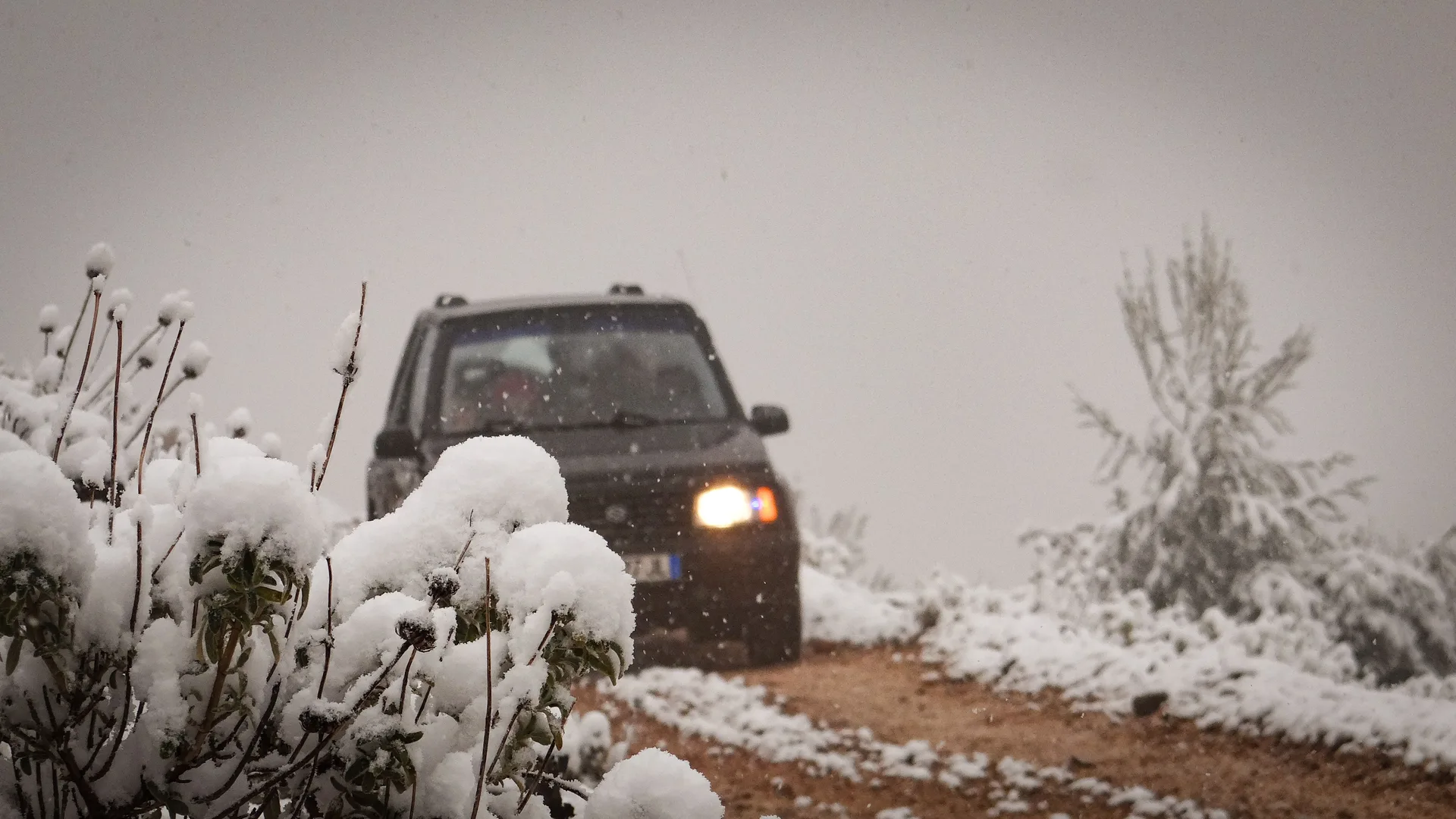
Snow and ice call for especially gentle acceleration, braking and steering. Increase the space around the vehicle, avoid unnecessary manoeuvres and follow signs, closures and chain instructions. A shaded corner, bridge or exposed section may be more slippery than the road immediately before it, so never assume consistent grip.
Strong crosswinds can move a vehicle sideways, particularly after passing a cutting, building or large truck. Reduce speed, hold the wheel securely with both hands and leave extra lateral room for cyclists, motorcyclists and high-sided vehicles. Avoid sharp corrections if a gust arrives.
Potholes, slips and broken road edges also reward a calm approach. Slow down while the surface is still clear, scan well ahead and change course only after checking surrounding traffic. Do not swerve suddenly to save a wheel while creating a larger collision risk.
Whatever the surface, keep reassessing. If visibility, grip or comfort deteriorates, reduce speed again and widen the gap. The aim is not to maintain the usual pace; it is to preserve enough time and space to respond safely.


