



At first glance, the Samsung Galaxy Z Flip 7 could look similar to its predecessor, but Samsung has actually significantly retooled the design. Admittedly, not as significantly as the remarkably thin Galaxy Z Fold 7, but it is still thinner and now boasts a much larger cover screen.
Somewhat wider and slightly thinner, the adjustment in width makes a surprising difference on the inner screen, changing the aspect ratio from a tall 22:9 to 21:9, which doesn’t seem like a lot, but certainly gives your thumbs the breathing room they need for quicker and more accurate typing.
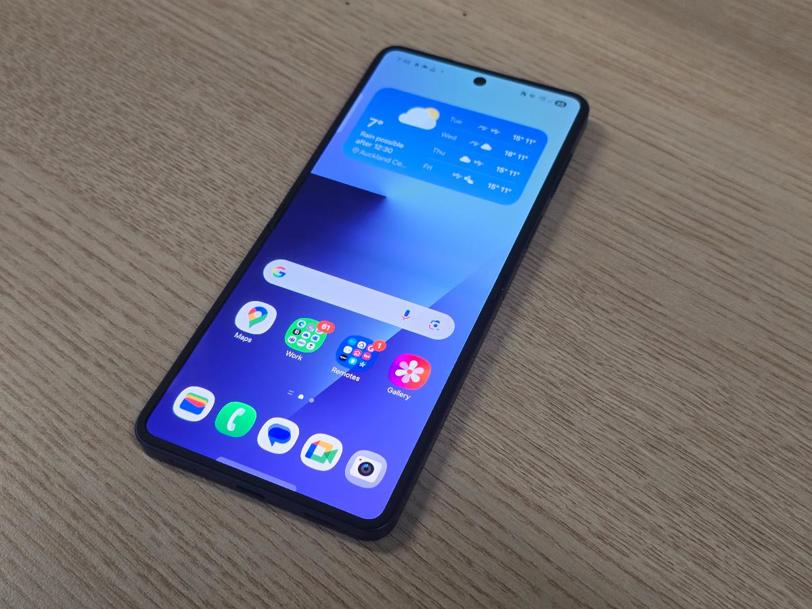
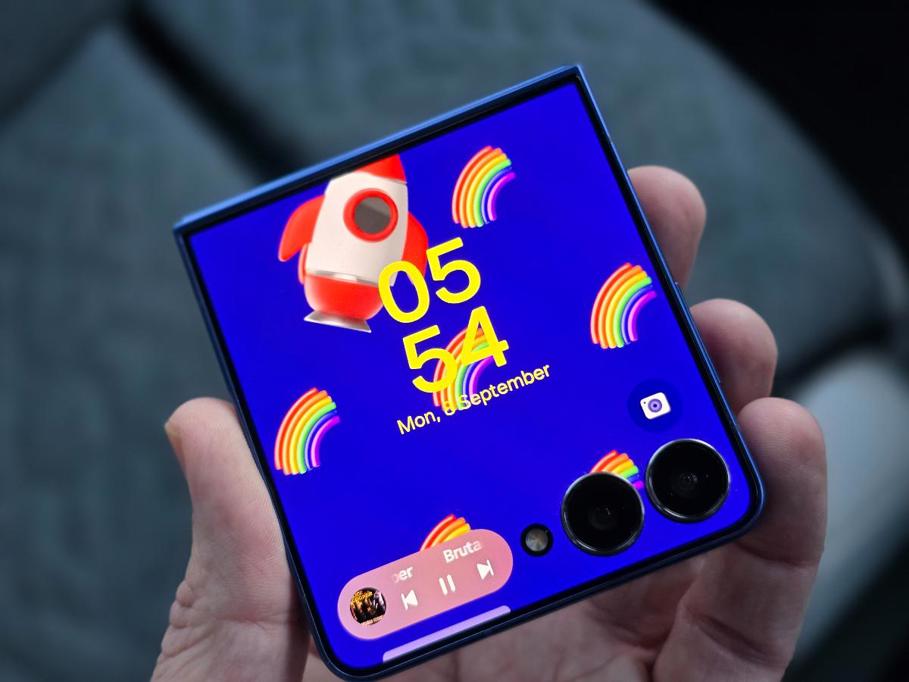
The biggest highlight, however, is the display. Or, rather, displays - both screens are larger and brighter this year, with the cover display jumping from 3.6 inches on the Flip 6 to a gorgeous 4.1 inches, filling the upper half of the folded phone with incredibly narrow 0.05-inch bezels.
This Super AMOLED cover screen is a showstopper, boasting a 120Hz variable refresh rate and a peak brightness of 2,600 nits. The inner, folding screen has also grown slightly to 6.9 inches, making it feel just like a "normal" phone display, and its crease is now barely perceivable to the touch.
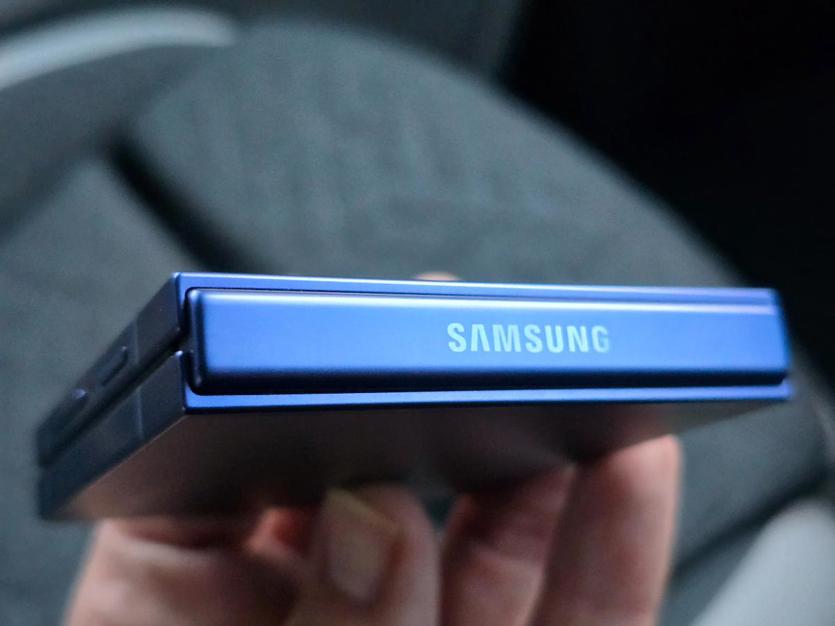
The design feels robust, featuring Gorilla Glass Victus 2 on the front and back, an Armor Aluminum frame, and an IP48 rating for water resistance (surviving a dunk in about five feet of water for up to 30 minutes), though be warned: it does lack dust resistance.
In terms of performance, Samsung has ditched the expected top-of-the-line Qualcomm Snapdragon 8 Elite chip for its own Exynos 2500 processor, paired with 12GB of RAM. While the phone handles everyday tasks perfectly fine - browsing the web or checking email are smooth experiences – it does feel noticeably less responsive than the likes of the Fold 7.
More annoyingly, the phone can get weirdly hot during normal use, such as simply having location services running or taking a few photos, while battery life is certainly only average.
Samsung increased the capacity to 4300mAh (a 7 percent improvement over the Flip 6), and while it consistently goes the distance throughout a normal day all day, it is often hovering around just 25 to 30 percent by bedtime. Charging, however, remains frustratingly slow at 25W wired, taking about an hour and 58 minutes to fully charge. Plus, charging makes the phone significantly hotter than its predecessor.
The cover screen remains underutilised, with its software undeniably limited and frustrating.
On the software front, the Flip 7 ships with Android 16 and One UI 8, making it one of the first devices to do so, and Samsung promises a generous seven years of OS and security updates. Galaxy AI, particularly the Gemini Live AI Mode, is impressive and can be easily called up and interacted with without ever opening the phone.
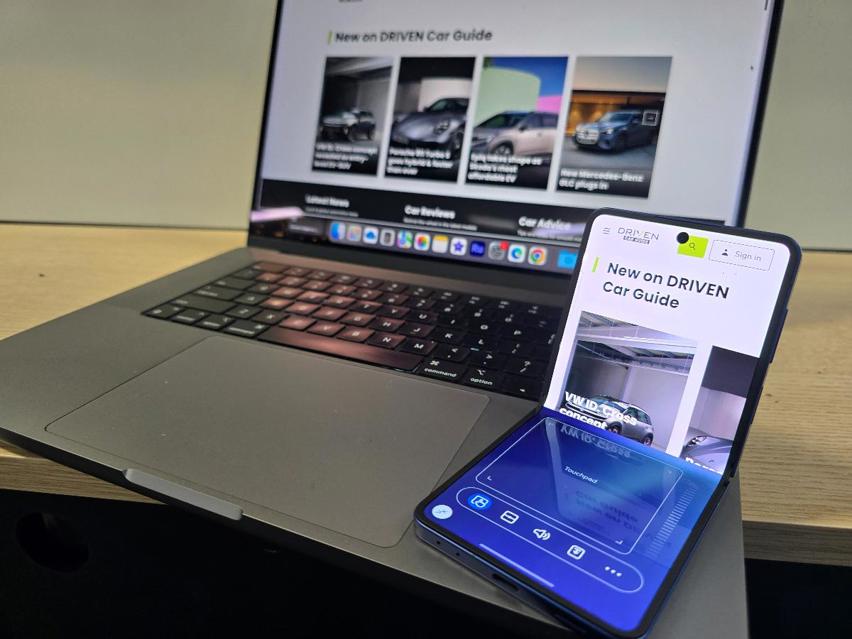
Despite this, the cover screen remains underutilised, with its software undeniably limited and frustrating. Out of the box, the large, beautiful 4.1-inch outer display only supports widgets, unlike Motorola's approach, which allows full apps to run instantly. If you want to run apps on the Flip 7’s cover screen, you have to dig into "Advanced Settings," find the "Labs" menu, and enable them, or download the MultiStar plugin - a complicated, multi-step chore that feels like a half-baked after thought.
Finally, the cameras are decent. Just decent. The phone carries over the hardware from the Flip 6: a 50MP main sensor and a 12MP ultra-wide. Photos generally look good, with sharp detail and mostly accurate colour, but low-light performance can introduce noise and the lack of a telephoto camera means you’re stuck with digital cropping for zoom.
Overall, the Galaxy Z Flip 7 is Samsung’s most attractive flip phone yet, succeeding in making the form factor feel solidly built, yet also refined and modern. It gives you a huge screen that fits easily into a small pocket.
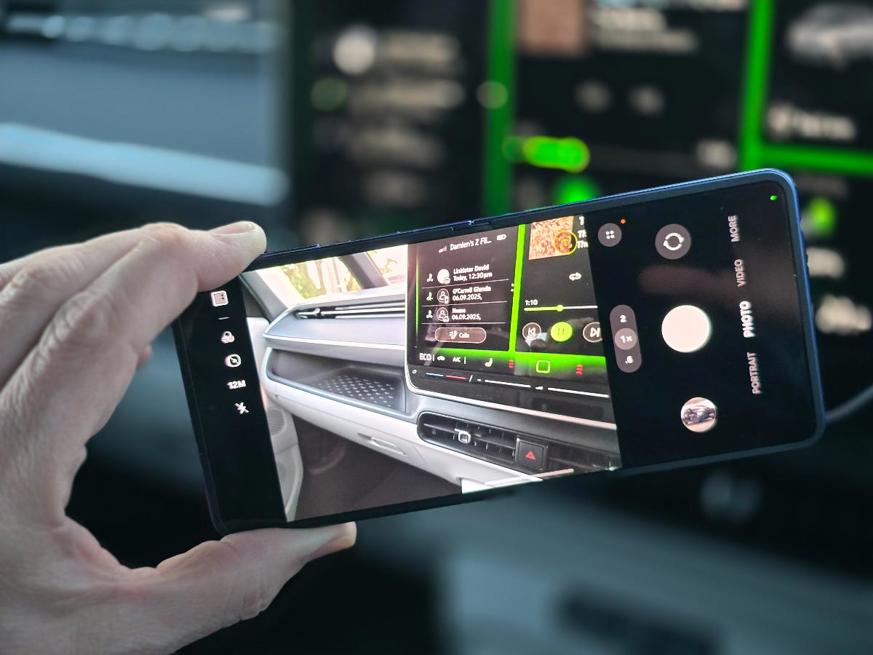
Ultimately though, the Flip 7 feels like Samsung missed an opportunity to do something considerably more adventurous, particularly given the startling transformation of the Fold 7 and the remarkable Galaxy Z TriFold.
The Galaxy Z Flip 7 is Samsung’s most attractive flip phone yet, succeeding in making the form factor feel solidly built, yet also refined and modern. It gives you a huge screen that fits easily into a small pocket.
It's still an excellent phone, especially if you’re already in the Samsung ecosystem and prioritise features like DeX and the long update commitment, but you have to accept that some of its core components - like the Exynos chip, stubborn cover screen software and average camera - are holding it back from true perfection.
What’s it like in a car?
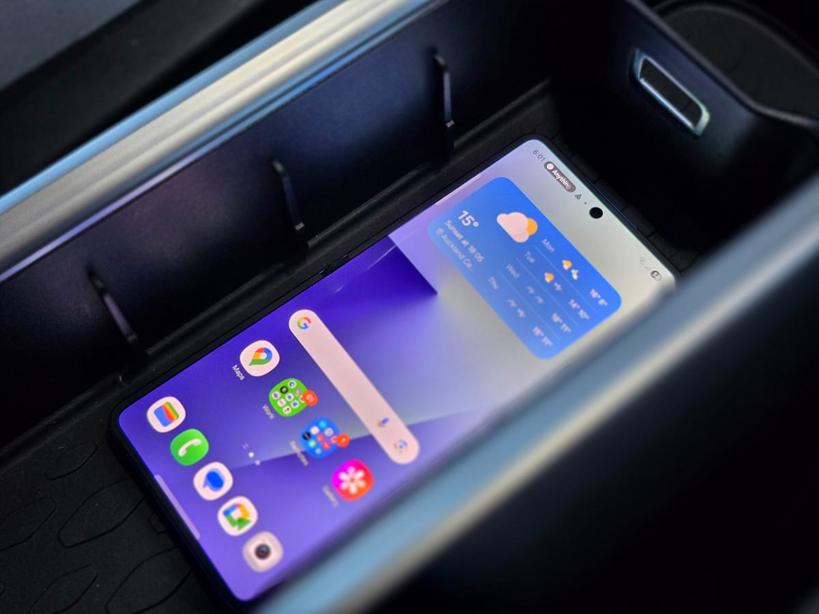
While the Flip 7 should be particularly well suited to in-car use, thanks to its flexible form and small footprint, there is one issue that holds it back, and that is the fact that the wireless charging coil is located in the bottom half of the phone.
This means that when it is open, it generally isn’t in the right location to work on the majority of in-car wireless chargers, unless they have multiple coils. And while the obvious solution is to close the phone - which is actually how Samsung recommends the Flip be charged - and sit it on the charging pad, this just means it is constantly sliding around and not charging either.


